Jiangsu Cuisine

    Written by: Robynne Tindall - Posted on: August 21, 2014 | Post your comment here Comments | 中国 (Chinese)

    Google Translation: اُردو | 中文
    Jiangsu Cuisine

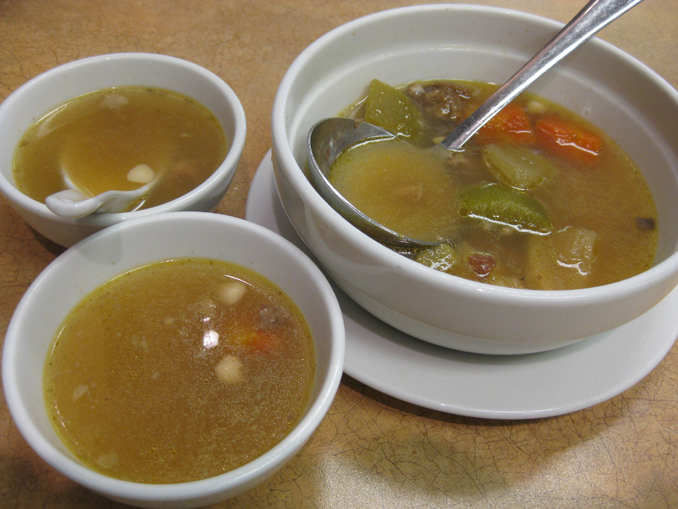
    Long cooked soups and stocks form the basis of Jiangsu cuisine [Flickr user wyn lok)

    Jiangsu cuisine is mostly made up of dishes created by chefs in three major cities in Jiangsu province: Nanjing, Suzhou and Yangzhou. Jiangsu has been one of China’s primary economic and commercial centers since as early as the Sui (581-618 AD) and Tang (618-907 AD) dynasties, and is widely considered to be China’s most developed province. The capital city of Jiangsu, Nanjing, is a former imperial city, having been the capital of six dynasties from 3 AD onwards. The emperors and their entourage may be gone, but their preference for the finer things in life remains.
    Jiangsu Cuisine

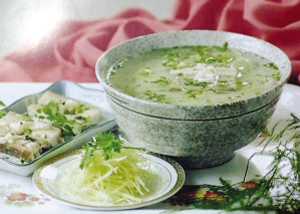
    Suzhou Noodles, a typical dish in Huaiyang Cuisine (jschina.com.cn)

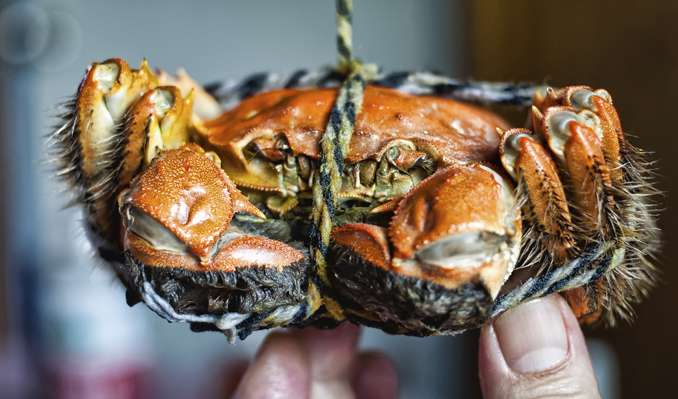
    This imperial influence extends to the cuisine. Talented palace chefs created a cuisine that is renowned around China for its freshness and delicacy, on a par with Cantonese cuisine. Intricate cutting techniques are used to preserve and enhance the flavors of the province’s abundance of natural ingredients, including a plethora of aquatic produce from its many rivers and lakes. Seasonal delicacies such as hairy crab, which are particularly prized in late summer and early autumn, cause feeding frenzies in restaurants across the country. Finally, it is impossible to talk about Jiangsu cuisine without mentioning soups and stocks, which form the basis of the majority of dishes. Both are cooked slowly over a low flame to produce strong, yet not overpowering, flavors.
    Jiangsu Cuisine

    River and lake fish and crustaceans, such as these hairy crabs, are simply cooked in both restaurant and home-style dishes (Flickr user Danny Pang)

    Well-known dishes from across the region include sweet and sour deep-fried Mandarin fish, Nanjing salted duck, Wuxi-style braised spare ribs, lion’s head meatballs (so called because of their large size), and tofu shreds in superior soup.

    The most well regarded sub-regional style of Jiangsu cuisine, and the most representative of the characteristics described above, is Huaiyang cuisine. Huaiyang cuisine tends to be on the sweet side, which is balanced with the use of Chinkiang vinegar, produced in the Zhenjiang region. Unlike many of China’s other cooking styles, the dishes are almost never spicy.
    Jiangsu Cuisine

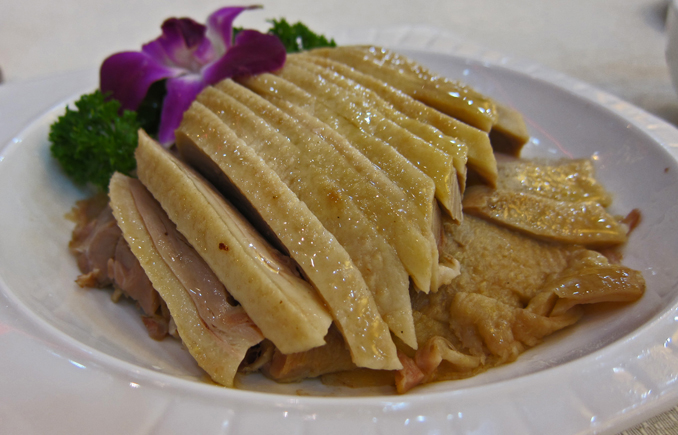
    Nanjing is as well known for its varied duck preparations as Beijing (Flickr user Kirk K)

    Finally, as China’s southern capital, Nanjing has more than just imperial history to rival is northern counterpart, Beijing: it is also famous for duck. Although Peking duck will be the first dish that comes to mind for many visitors to China, whether they make it to Beijing or not, Nanjing certainly takes the crown for variety of duck-related dishes. Duck appears on Nanjing menus plate roasted, salted, as a filling for dumplings and pastries, and even in the form of duck blood tofu! The last one may not be for the faint of heart, but the others are worth making the trip to Nanjing for.

     

    Robynne Tindall

    Robynne lives in Beijing, having moved there from the UK in 2011. During the day she is the food and dining editor for a local expat magazine and at night she can be found all over town searching out the most interesting restaurants.

    twitter.com/gongbaobeijing
    instagram.com/gongbaobeijing



    As the new year begins, let us also start anew. I’m delighted to extend, on behalf of the Embassy of the People’s Republic of China in the Islamic Republic of Pakistan and in my own name, new year’s greeting and sincere wishes to YOULIN magazine’s staff and readers.

    Only in hard times can courage and perseverance be manifested. Only with courage can we live to the fullest. 2020 was an extraordinary year. Confronted by the COVID-19 pandemic, China and Pakistan supported each other and took on the challenge in solidarity. The ironclad China-Pakistan friendship grew stronger as time went by. The China Pakistan Economic Corridor projects advanced steadily in difficult times, become a standard-bearer project of the Belt and Road Initiative in balancing pandemic prevention and project achievement. The handling capacity of the Gwadar Port has continued to rise and Afghanistan transit trade through the port has officially been launched. The Karakoram Highway Phase II upgrade project is fully open to traffic. The Lahore Orange Line project has been put into operation. The construction of Matiari-Lahore HVDC project was fully completed. A batch of green and clean energy projects, such as the Kohala and Azad Pattan hydropower plants have been substantially promoted. Development agreement for the Rashakai SEZ has been signed. The China-Pakistan Community of Shared Future has become closer and closer.

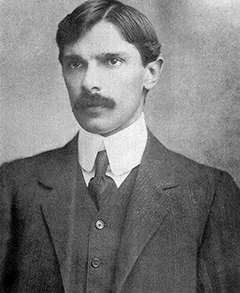
    Reviewing the past and looking to the future, we are confident to write a brilliant new chapter. The year 2021 is the 100th birthday of the Communist Party of China (CPC) and the 70th anniversary of the establishment of diplomatic relations between China and Pakistan. The 100-year journey of CPC surges forward with great momentum and China-Pakistan relationship has flourished in the past 70 years. Standing at a new historic point, China is willing to work together with Pakistan to further implement the consensus reached by the leaders of the two countries, connect the CPEC cooperation with the vision of the “Naya Pakistan”, promote the long-term development of the China-Pakistan All-weather Strategic Cooperative Partnership with love, dedication and commitment. Mohammad Ali Jinnah, the founding father of Pakistan said, “We are going through fire. The sunshine has yet to come.” Yes, Pakistan’s best days are ahead, China will stand with Pakistan firmly all the way.

    YOULIN magazine is dedicated to promoting cultural exchanges between China and Pakistan and is a window for Pakistani friends to learn about China, especially the Xinjiang Uygur Autonomous Region. It is hoped that with the joint efforts of China and Pakistan, YOULIN can listen more to the voices of readers in China and Pakistan, better play its role as a bridge to promote more effectively people-to-people bond.

    Last but not least, I would like to wish all the staff and readers of YOULIN a warm and prosper year in 2021.

    Nong Rong Ambassador Extraordinary and Plenipotentiary of
    The People’s Republic of China to the Islamic Republic of Pakistan
    January 2021