Written by: Sirat Gohar Daudpoto
Posted on: February 09, 2026 |  | 中文
| 中文
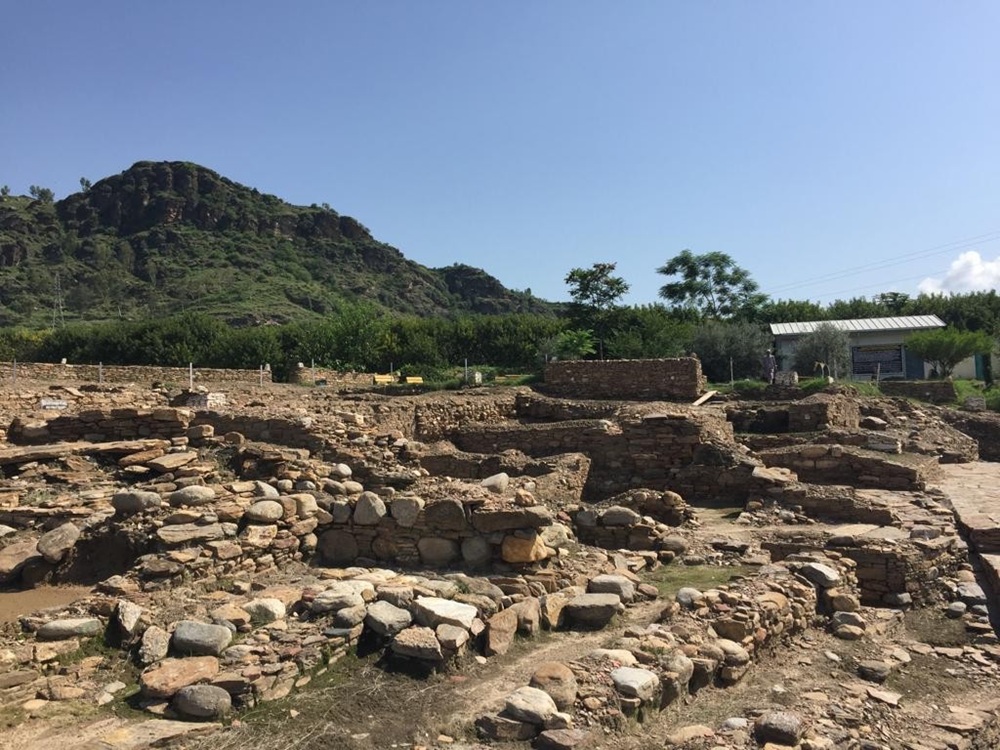
Archaeological site of Barikot in Swat contains Achaemenid period remains.
In the coming years, these, so-called Indo-Aryan, people gradually enlarging and uniting tribal chieftainships created empires/kingdoms, called Mahajanapadas. They revived urban tradition in the Indo-Pakistani subcontinent by building cities and town, after nearly thirteen-hundred years since the decline of the Indus Civilization. And that happened in the sixth century BC, when such settlements started appearing in the landscape of the country. These places served as the capitals of kingdoms and centers of socio-economic activities.
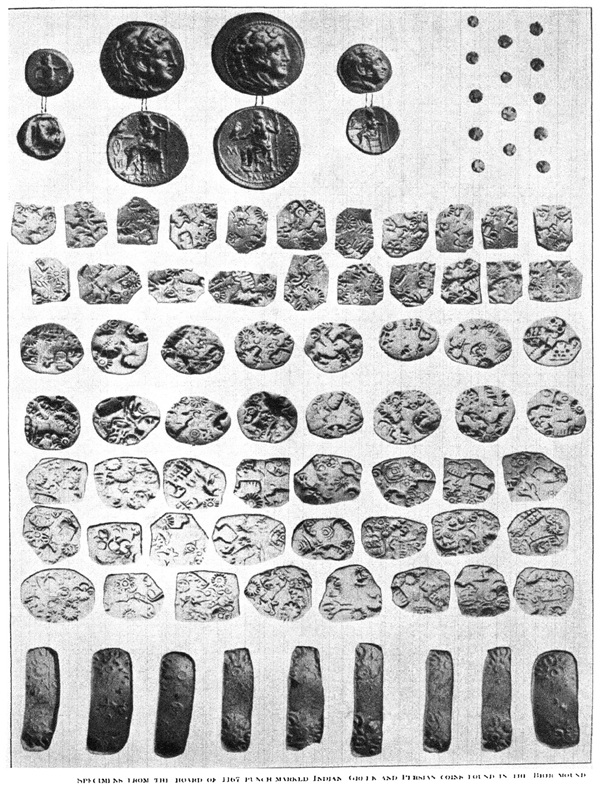
Achaemenid coins, siglos (top-left side) and bent bar (bottom row), discovered at the archaeological site of Bhir Mound in Taxila.
Together with urbanization another important development which took place during this time was the reemergence of a writing system vis-à-vis Achaemenid dynasty. That too was revived, like urban-culture, following the Indus Civilization. What is different is that the Indus script is not legible whereas the writings of this era have been successfully deciphered and read. For this reason, the sixth century BC marks the beginning of the historical period. It is the last phase of the ancient past. In the context of Pakistan, ancient part of the historical period ranges from the reintroduction of writing in the sixth century BC to the advent of modernity in the fifteenth century AD. Thus, historical archaeology deals with the remains belonging to these times.
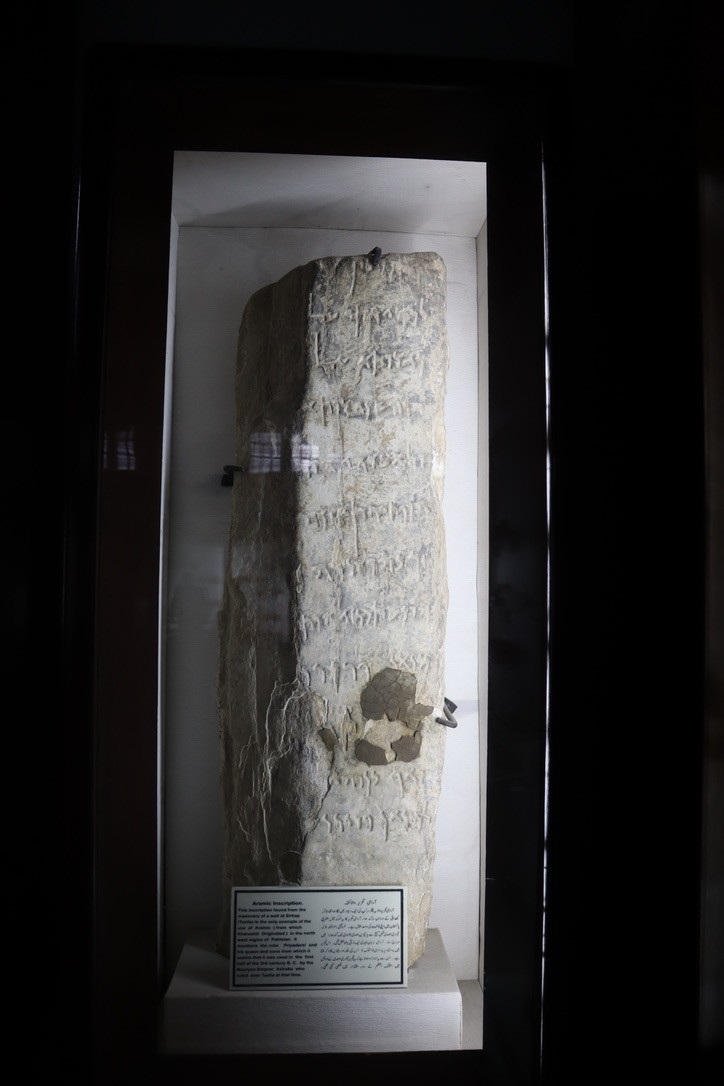
Aramic Inscription of the time of Asoka Maurya (third century BC) on display at the Taxila Museum
Pakistan’s historical archaeology is an immense field, which explores and studies vast range of material cultures associated with diverse groups of people from different social and ethnic backgrounds. Given this, it is imperative to describe historical archaeology chronologically, by fragmenting it into specific dynastic rules and/or chronology. Several dynasties of both native and foreign origin held sway over the country during this period. These include: Achaemenid (c. 550–331 BC), local chieftainships (c. 331–227 BC), Greek (c. 327–221 BC), Mauryan (c. 321–184 BC), Shunga (c. 184–150 BC), Indo-Greek (c. 200 BC – 10 AD), Indo-Scythian (c. 60 BC – 415 AD), Indo-Parthian (c. 19–75 AD), Kushan (c. 60–267 AD), Kushano-Sassanian (c. 240–489 AD), Kidarite (c. 357–465 AD), Gupta (c. 375–467 AD), Hun (c. 465–670 AD), Rai (c. 489–632 AD), Chach (c. 632–712 AD), Turk Shahi (c. 666–822 AD), Arab (712–1024 AD), Odi/Hindu Shahi (c. 822–1026 AD), Ghaznavid (1001–1186 AD), Soomra (c. 1011–1335 AD), Ghurid (1175–1206 AD), Delhi Sultanate (1206–1526 AD), Samma (c. 1335–1520 AD).
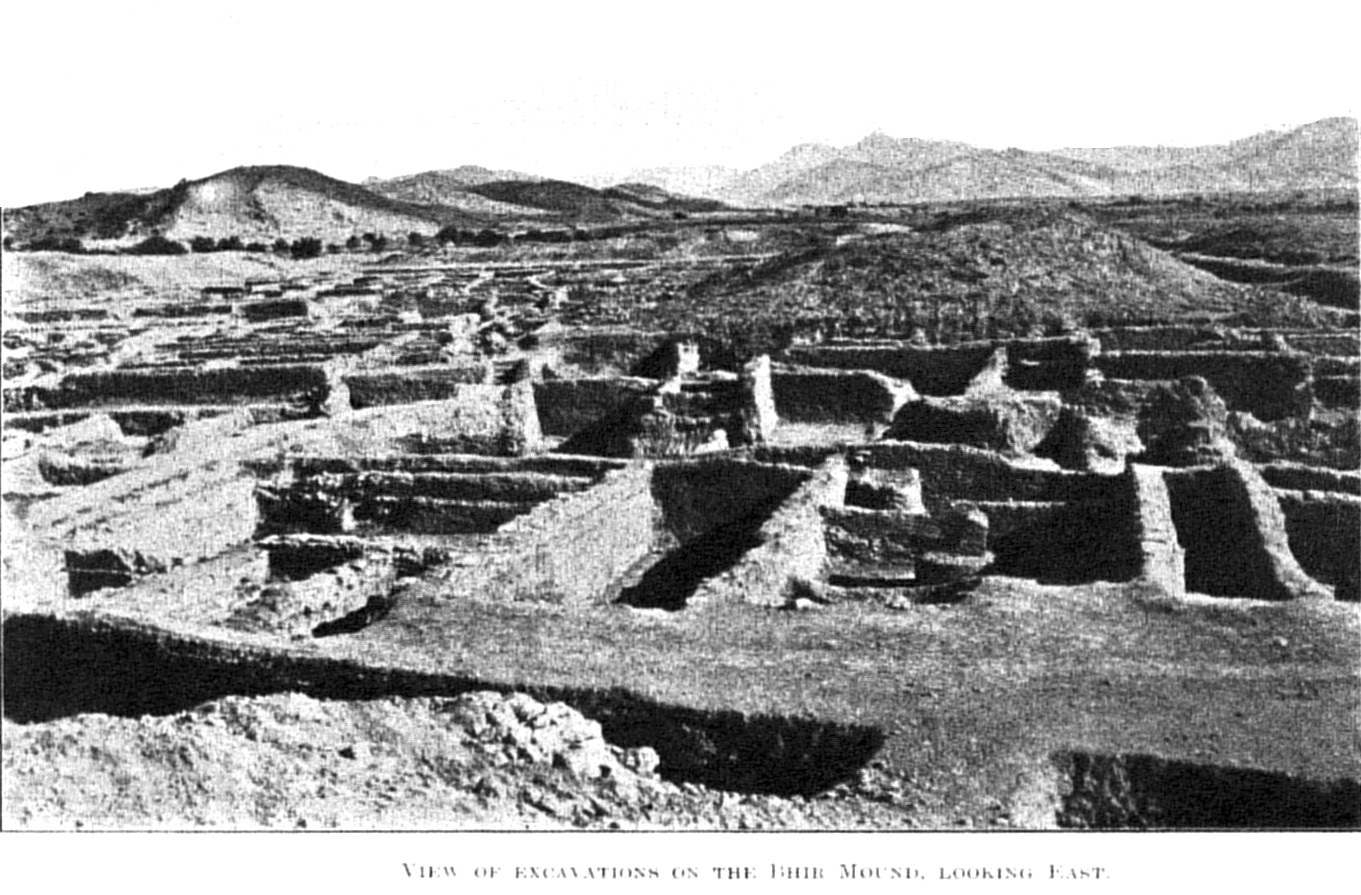
Ruins of the Achaemenid period city Bhir Mound in Taxila. Photograph of the site during 1924-25 excavation by Sir John Marshall.
First of these dynasties was the Achaemenid dynasty of Persia which was founded by Cyrus the Great in the mid-sixth century BC. The Achaemenian extended their political supremacy over the Indus country during the reign of Cyrus the Great and his successors Cambyses and Darius I and ruled for around two-hundred years in c. 535–331 BC. The country was divided into several kingdoms, including two Mahajanapadas of Gandhara and Kamboja, at the time of the eastward expansion of the Achaemenid. Archaeological and epigraphic evidence suggests that they controlled lands on both sides the Indus River, however it is not clear how far their territorial limits extended in the east. But we know through Persian historical records that the Achaemenian governed three satrapies, namely Gandhara, Thatagush and Hindush, in the country.
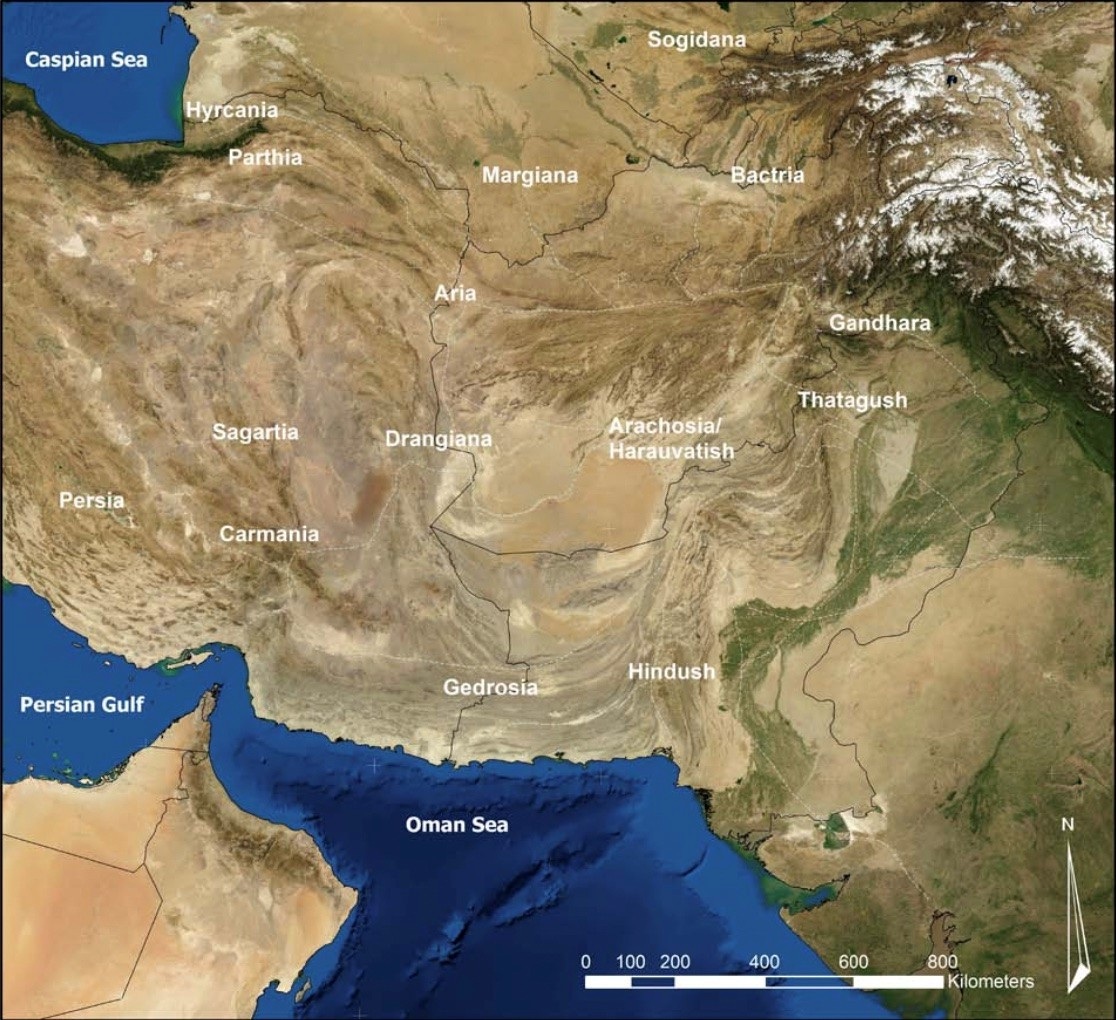
Satrapies at the eastern end of the Achaemenid Empire. Map published by C.A. Petrie and P. Magee in Iranian Journal of Archaeological Studies in 2011.
In other words, Pakistan was organized into three provinces under the Achaemenid. Gandhara with its capital Pushkalavati was the northern province, Hindush covering the present-day Sindh was the southern province and Thatagush lay between Gandhara and Hindush. It is suggested by archaeologists that at the archaeological site of Akra in Bannu might have served as the capital of Thatagush during the Achaemenian. For Hindush province, I would conjecture that its capital, or at least one of its main cities, was situated at Vijnot in the Ghotki district of Sindh.
You may also like: