Written by: Muhammad Suhayb
Posted on: February 18, 2026 |  | 中文
| 中文
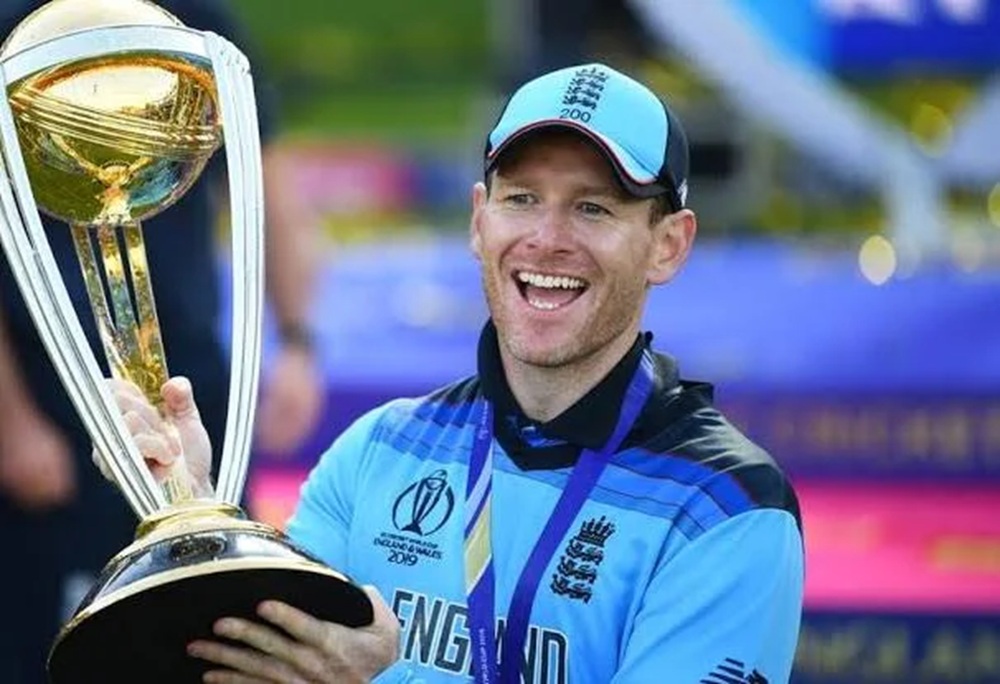
Eoin Morgan with the trophy after winning the 2019 ODI World Cup for England.
Ehsan Adil represented the United States against Pakistan in the T20 World Cup clash on February 10, becoming one of the few cricketers to have played international cricket for two different nations. From playing the World Cup in 2015 for Pakistan in Australia to representing USA against Pakistan in Sri Lanka, it has been quite a journey. In less than 11 years, Adil’s has placed himself among the rare cricketers who have crossed borders in pursuit of a second international life. It will be the first time in a T20 international that a former Pakistan international plays against the green shirts. Though South African leg spinner Imran Tahir had represented Pakistan in U-19 World Cup, and later played over 20 international matches against Pakistan, he was never a limited overs cricketer who had donned the green cap in an ‘adult’ match. In Test and first-class cricket, however, Pakistani captains have previously been part of such records.
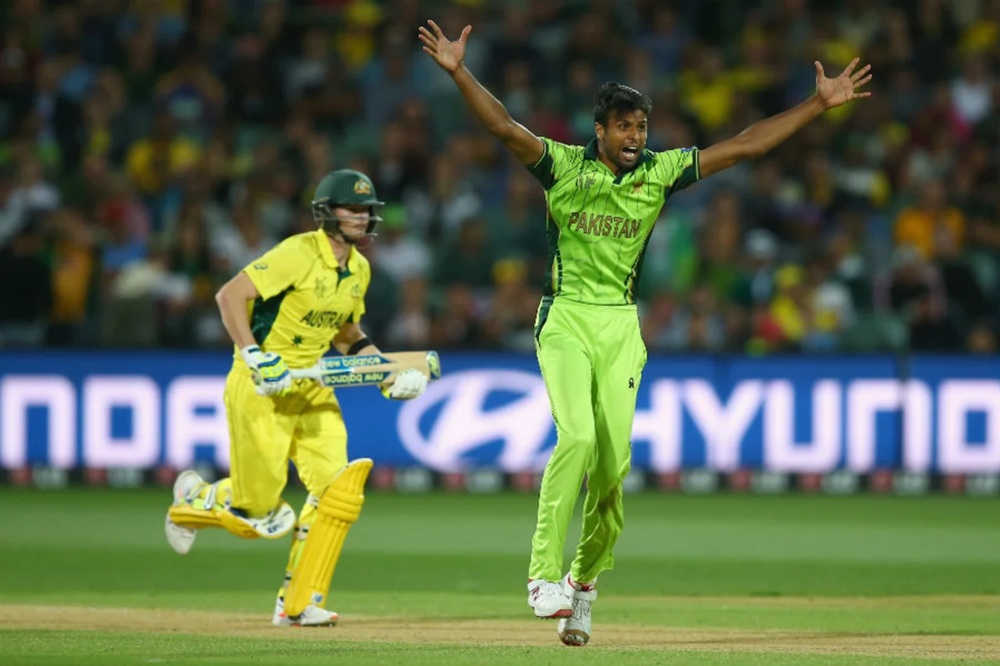
Ehsan Adil appealing against Australia's Steve Smith in 2015' ODI World Cup
It was in 1946 that Abdul Hafiz Kardar, known as the father of Pakistan cricket, represented India in three Tests against England. After Partition of the sub-continent, he moved to Pakistan and became the country’s first captain—ironically leading the team against India. He later served as the head of the cricket board and, as a commentator, was present when Pakistan defeated India in a Test series for the first time in 1987. Former captain Asif Iqbal represented the South Zone team in January 1961, against the touring Pakistan side. Born in Deccan, he was making his first-class debut as a fast bowler and dismissed Alimuddin, Shujauddin, Muhammad Munaf and future teammate Javed Burki in the three -day fixture. Asif later moved to Pakistan and went on to play a key role in Pakistan cricket, from winning matches as a player to captaining the side against India.
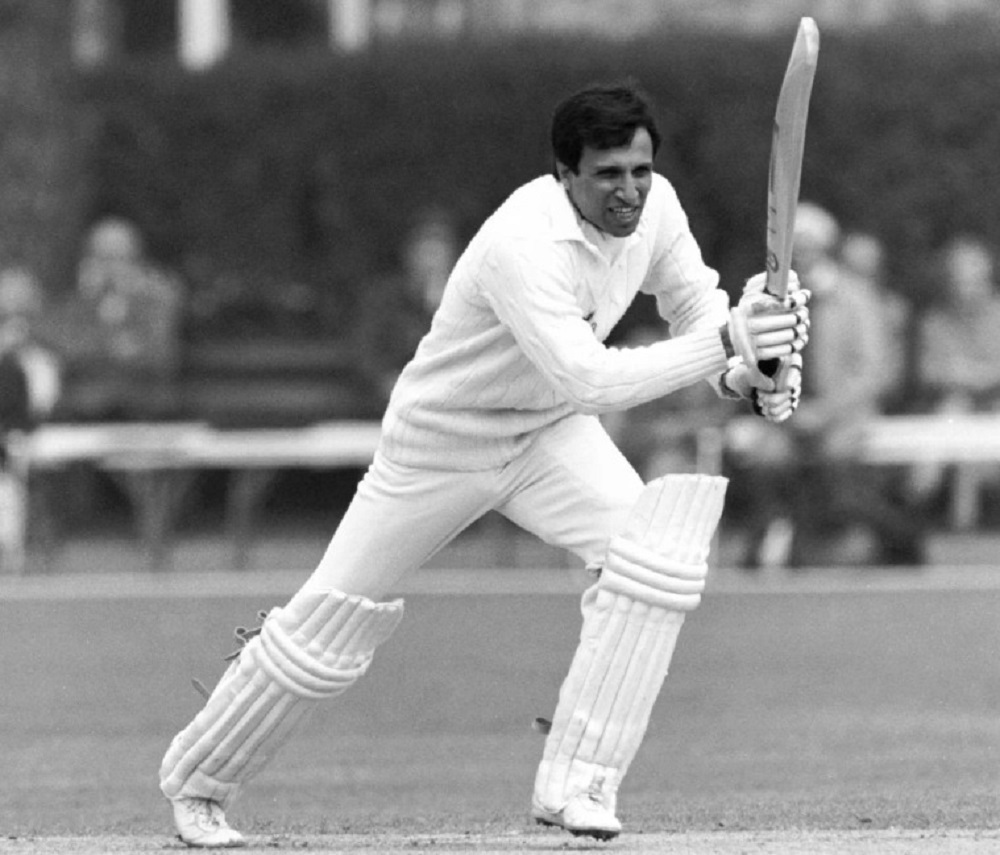
Asif Iqbal
Speaking of a fast bowler, former West Indian quickie Anderson Cummins represented the West Indies at the 1992 World Cup, claiming 12 wickets, including a match-winning 4 for against India. Fifteen years later, at the age of 40, he resurfaced as a player for Canada. Out of his 76 international appearances, he has 13 for Canada. While his return was largely forgettable, Cummins is remembered for a match he never played—being overlooked for South Africa’s first post-readmission Test in 1992, a decision that sparked a crowd boycott summed up by the banner: “No Cummins, no goings.”
The South African captain in that particular Test match was Kepler Wessels, the most iconic dual international of the limited-overs era. In the 1983 World Cup, he played three matches for Australia accumulating 20-odd runs. After playing his last ODI for Australia in 1985, he toured South Africa for a ‘rebel’ tour with Australia and never returned. He resurfaced as the Captain of South Africa at the 1992 tournament, played in Australia six years later. He scored an unbeaten 81 against the same side, guiding the Proteas to the semi-finals on their World Cup debut.
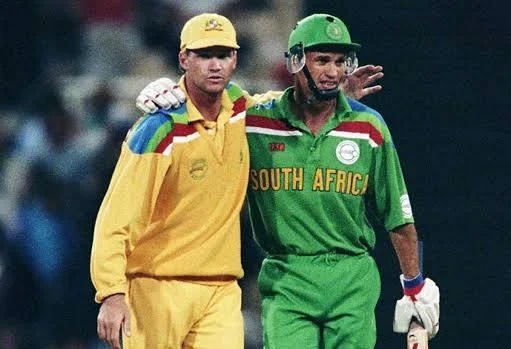
Kepler Wessels with Australia's Dean Jones
For left-arm fast bowler Dirk Nannes, the case is reverse. He started out representing the Netherlands before going on to play for Australia. Nannes had earlier given up hope of playing for Australia after being overlooked for the 2009 World Twenty20 and instead represented the Netherlands, eligible through his Dutch heritage. He was part of the Dutch side that defeated England in the tournament opener. Soon after, Nannes came onto Australia’s radar, making his ODI debut against Scotland in Edinburgh and quickly establishing himself as a leading T20 bowler, finishing as the top wicket-taker at the 2010 World Twenty20 with 14 wickets at 13.07.
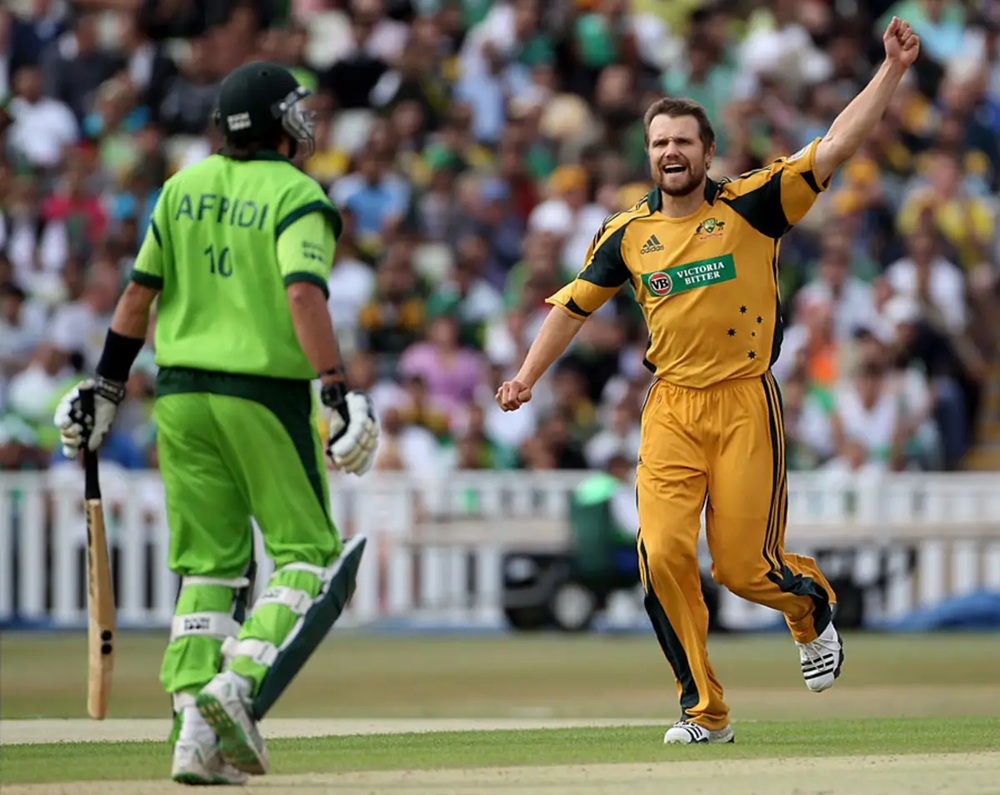
Drik Nannes, who played for both the Netherlands and Australia.
Modern audiences are more familiar with Eoin Morgan, England’s most successful limited-overs captain. Morgan began his World Cup journey with Ireland in 2007, playing nine matches in a historic campaign that included Ireland’s famous win over Pakistan. After switching allegiance to England in 2009, Morgan featured in the 2011 World Cup and later captained England at the 2015 edition. His crowning achievement came in 2019, when he led England to their maiden Men’s World Cup title.
Morgan’s path contrasts with that of Ed Joyce, who initially represented England before returning to Ireland. Joyce played for England at the 2007 World Cup, scoring half-centuries against Canada and Kenya. He later received special dispensation from the ICC to play for Ireland, featuring in the 2011 and 2015 tournaments.
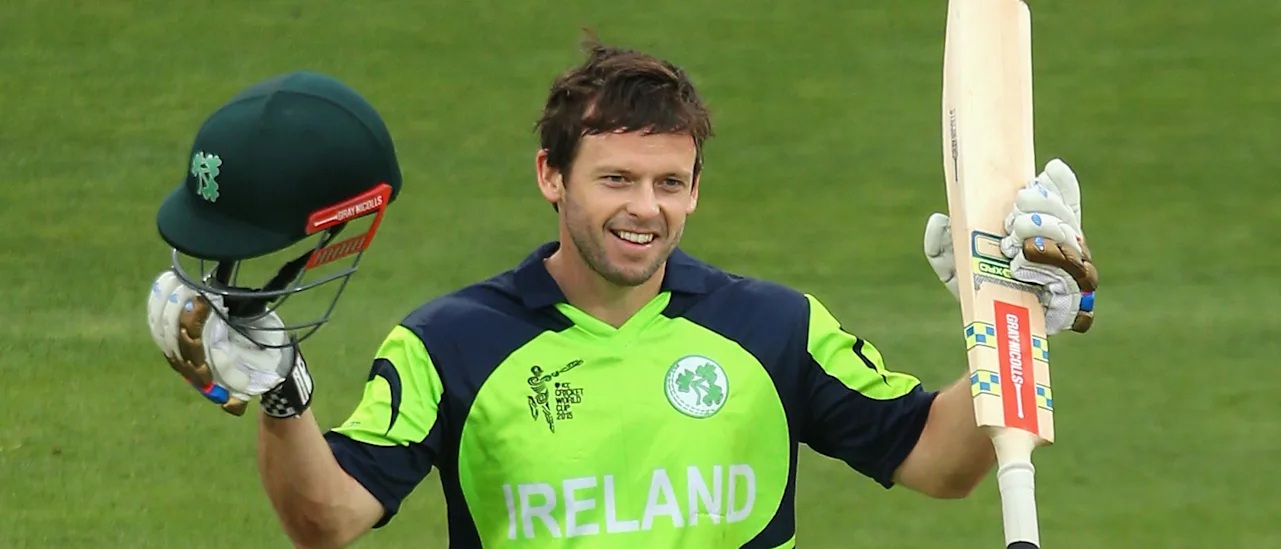
Ed Joyce
Ehsan Adil is not the only former international to play for the USA. In 2024, hard-hitting Corey Anderson, once a New Zealand World Cup regular, turned out for the USA. Anderson announced himself on New Year’s Day 2014, smashing a then world-record 36-ball ODI century against the West Indies in Queenstown. A prodigy who earned a New Zealand contract at just 16, Anderson went on to score a Test hundred in Dhaka and played a pivotal role in New Zealand’s run to the 2015 World Cup final, finishing as one of the tournament’s standout all-rounders. Plagued by injuries but never short of impact, Anderson later moved to the USA, featuring in Major League Cricket before earning selection in the USA squad for the 2024 T20 World Cup.
Cricket’s history is rich with stories of players whose careers straddled borders and eras. While fathers and sons representing different nations is rare enough, players donning two international caps, sometimes even facing their former teams, remain among the sport’s most intriguing anomalies. These stories remind us that while flags may change, the game remains the ultimate constant.
You may also like:

From the Horn of Africa to Bahria Town: Habesha Café Brings Centuries of Coffee Culture to Rawalpindi
(October 15, 2026)