Written by: Ayesha Shoukat
Posted on: August 18, 2025 | 
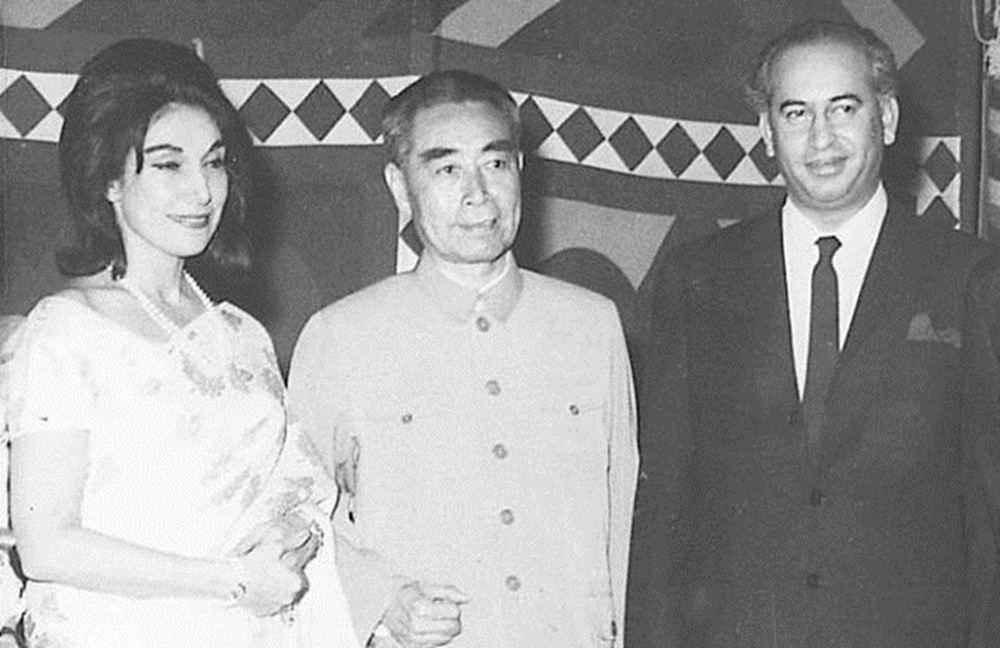
Zulfiqar Ali Bhutto, Ms. Bhutto and Zhou Enlai (center)
Dr. Ghulam Ali’s China-Pakistan Relations: A Historical Analysis<>/i provides a thorough and well-researched look at one of the most enduring bilateral relationships in contemporary international politics. As an experienced scholar, Dr. Ali combines academic depth with personal insights, leveraging his vast research experience from institutions like Monash University, Peking University and COMSATS Institute of Information Technology. His knowledge in South Asian and Chinese studies shines through in the book, which meticulously examines more than sixty years of diplomatic, military and economic interactions between Beijing and Islamabad.
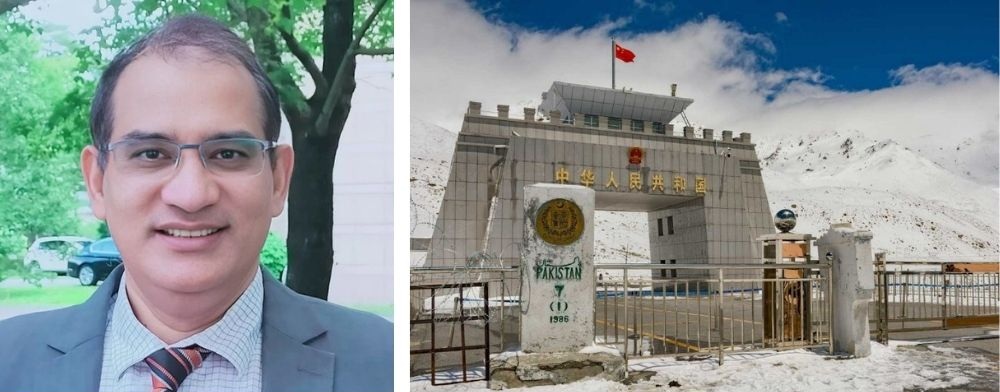
Dr. Ghulam Ali and Khunjerab Pass
The book shines because of its chronological layout, following the relationship from its early days in the 1950s all the way to the modern times of the China-Pakistan Economic Corridor (CPEC). Dr. Ali kicks things off with the limited diplomatic interactions from the early years, illustrating how geopolitical changes like US sanctions on Pakistan and the Sino-Indian border conflict pushed the two countries closer together. He then dives into the highlights of military and diplomatic collaboration during the 1960s and 1970s, the adjustment of relations during China’s reform period, and the practical balancing strategy that started in the 1990s. Notably, his insights into the post 9/11 era are particularly interesting, where counterterrorism efforts and regional stability became shared goals.
One of the book’s most captivating aspects is its subtle challenge to the widely accepted “India-centric” perspective on China-Pakistan relations. While recognizing India’s role as an initial trigger, Dr. Ali effectively argues that factors like geographic closeness, early border agreements, mutual non-interference and strategic exchanges have been just as important in maintaining the partnership. He highlights that Pakistan’s political, military and economic benefits from China have been balanced by Islamabad’s support for Beijing’s regional security aims, fostering a relationship of interdependence instead of mere dependency.
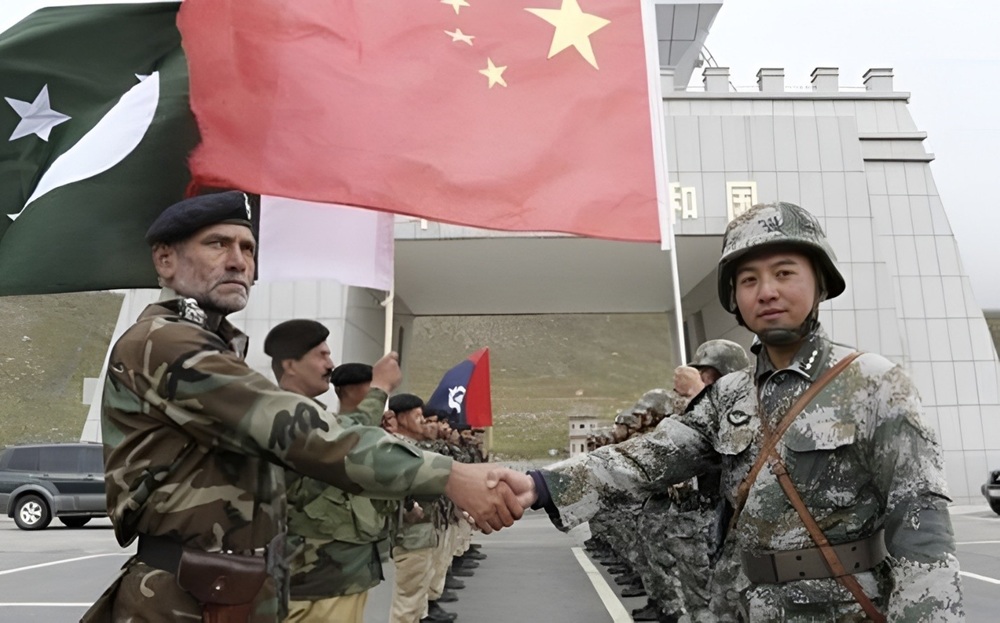
Chinese naval vessels set to join Mir-2025 multilateral exercises
The talk about CPEC is super relevant right now. Dr. Ali sees it not just as an infrastructure project but as a possible long-term way to connect Pakistan’s economy with China’s western edge. He also points out the real challenges that lie ahead, giving a fair perspective that steers clear of both blind praise and excessive doubt.
What really makes this book unique is its refusal to idealize the “all-weather” tag without some critical thought. Dr. Ali places the China-Pakistan relationship in the larger context of lasting alliances, emphasizing that while this friendship is special for its stability, it does have some similarities with other global political ties. His conclusion, based on a comprehensive approach, indicates that while nothing in international relations lasts forever, shared interests, trust and a rich history suggest that China-Pakistan relations are likely to keep flourishing, especially if CPEC lives up to its potential.
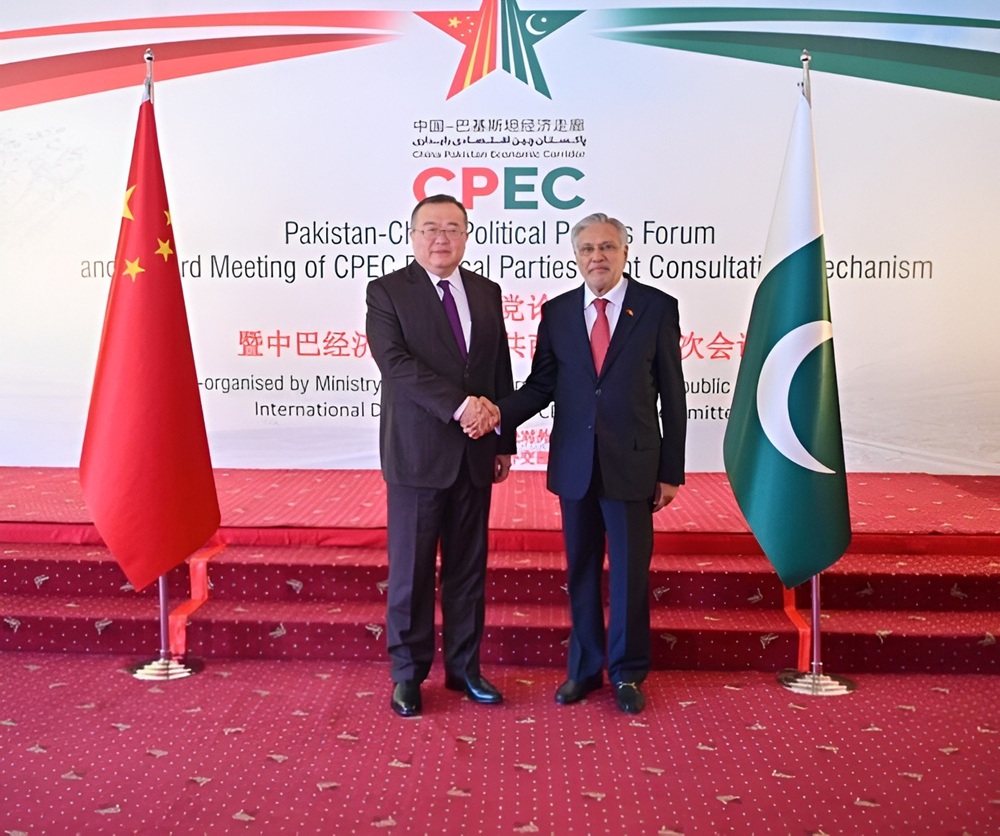
Pakistan's deputy Prime Minister Ishaq Dar with Chinese Minister Liu Jianchao
Overall, China-Pakistan Relations: A Historical Analysis is a must-read for scholars, policymakers and anyone interested in grasping the depth, intricacy and resilience of this strategic partnership. It serves as both a scholarly work and an engaging narrative that places one of Asia’s most lasting alliances in the context of a swiftly evolving geopolitical landscape.
You may also like: