Written by: Anum Zaeem
Posted on: August 12, 2025 |  | 中文
| 中文
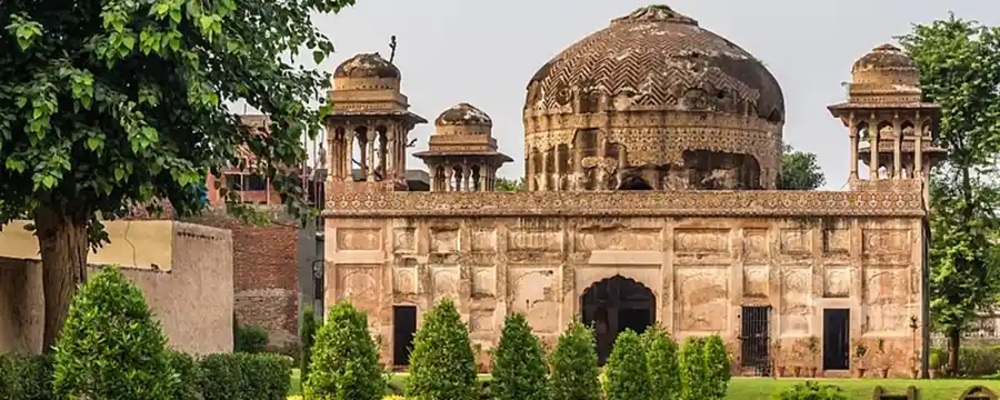
Tomb of Dai Anga
On the busy Grand Trunk Road in Lahore sits a beautiful tomb that most people walk past without knowing its incredible story. The Tomb of Dai Anga, also called Gulabi Bagh, holds the remains of one of the most important women in Mughal history. This 17th-century building tells the tale of a nurse who became so trusted by Emperor Shah Jahan that he built her a monument fit for royalty.
Her real name was Zeb-un-Nisa, but history remembers her as Dai Anga, which means "wet nurse" in Urdu. She was much more than just a caretaker. As the woman who nursed Shah Jahan, the emperor who built the Taj Mahal, she became one of his most trusted advisers. Her whole family served the Mughal court with honor. Her husband, Murad Khan, worked as a judge in Bikaner under Emperor Jahangir. Her son, Muhammad Rashid Khan, was known as one of the best archers in the entire kingdom and died fighting for Shah Jahan's eldest son.
Dai Anga used her position to help others. In 1635, before going on her religious trip to Mecca, she paid for the building of a mosque in Lahore that became one of the city's most popular prayer places. She was known for her good deeds and deep faith, which made her very respected throughout the empire. When she died in 1671, building her tomb was not just an honor but a way to remember all the good she had done.
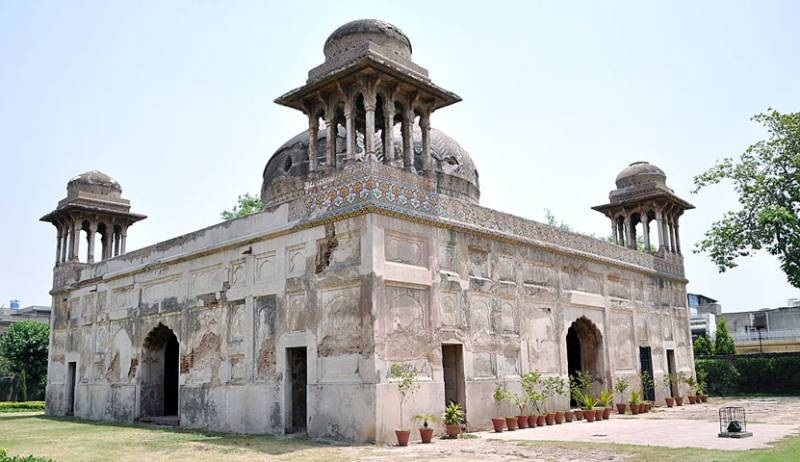
A deteriorated view of Dai Anga's tomb in Lahore.
The tomb shows off the amazing building skills of the Mughal period. The main building sits on a raised platform and has a rectangular shape that looks perfectly balanced. Eight rooms connect around a central burial room, and each space flows smoothly into the next through beautiful archways.
The dome on top is covered with colorful paintings that still shine today. These decorations were created by Muhammad Saleh, one of the most famous artists of that time. The walls inside have beautiful Arabic writing from the Quran, carved in 1671 with incredible skill. The writing flows like water across the stone, showing how much the Mughals cared about making their buildings beautiful.
What makes this tomb special is how it uses space and light. The eight rooms around the edges make you want to explore and discover new things as you walk through them. The dome lets natural light come down into the burial room below. Long ago, the outside walls were covered with bright-colored tiles, but time and weather have worn most of them away. You can still see small pieces that give you an idea of how colorful and bright the tomb once looked.
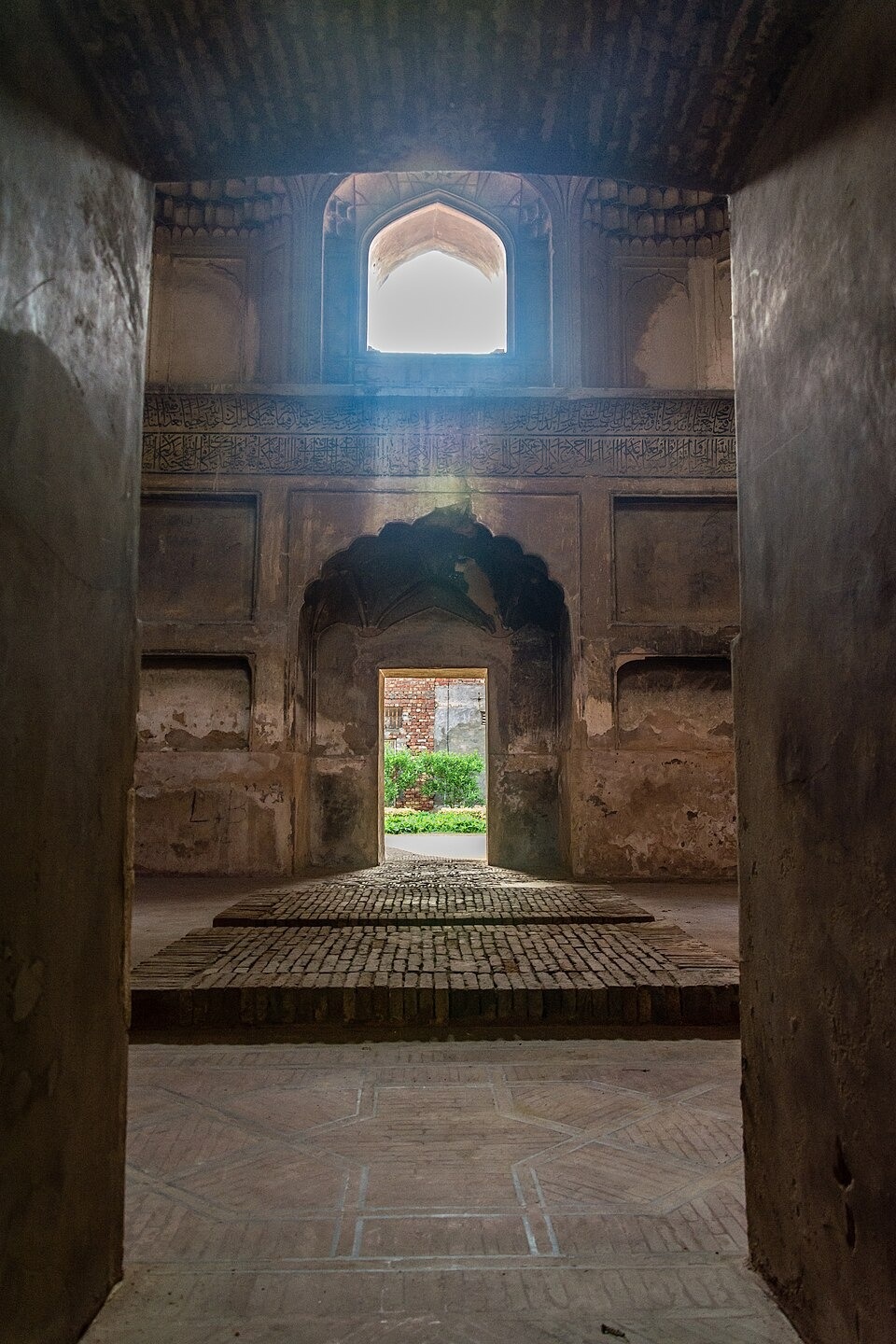
Inside one of the eight rooms that surround the main burial chamber, with Arabic writing on the walls.
This tomb has an interesting beginning. In 1655, a Persian nobleman named Mirza Sultan Baig created a beautiful garden here called Gulabi Bagh. The garden was perfectly square, measuring 250 Guz on each side, and was meant to be a place of happiness and relaxation. The tall gateway that visitors walk through today was built as the entrance to this pleasure garden.
When Dai Anga died in 1671, this garden became her burial place. The tomb was built right in the center of the garden, and the whole area was changed from a place of fun to a place of remembrance. Today, you can still feel how the original garden was designed by the way the spaces connect and how your view changes as you walk around, even though the original plants are long gone.
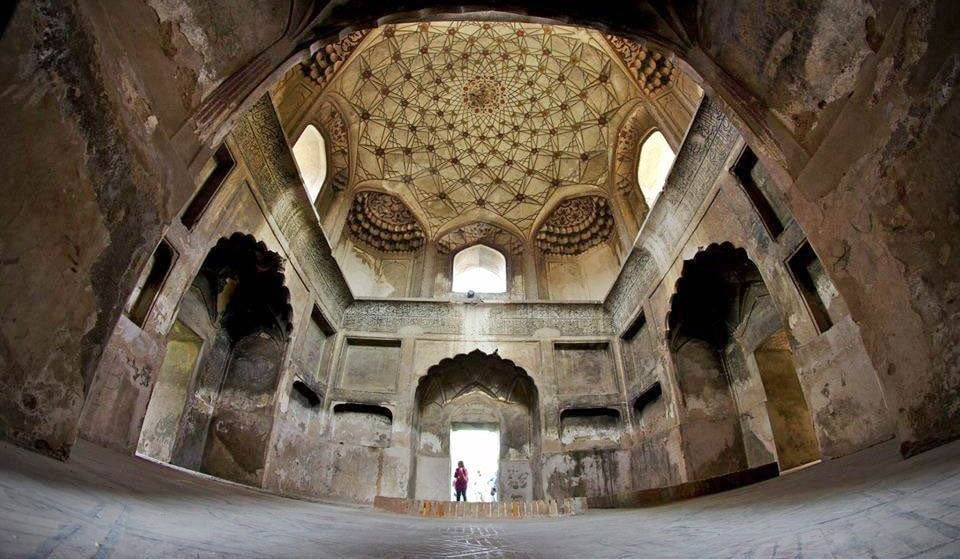
The beautiful dome inside Dai Anga's tomb shows colorful star patterns painted by the famous artist Muhammad Saleh in 1671.
The most interesting part of Dai Anga's tomb is what you cannot see. The beautiful central room with all its decorations is actually empty. The real burial place is in a hidden room underground, where Dai Anga rests next to her daughter, Sultana Begum. This underground room is closed to visitors to protect it, but knowing it exists makes the tomb feel more mysterious.
The stone markers that once showed where the graves were, have been removed, leaving only brick shapes to mark the spots. This makes the central room feel almost magical, as visitors stand above the actual burial place of one of the most powerful women in Mughal history.
The tomb is open every day from 9:00 AM to 5:00 PM. The entrance fee is very reasonable and helps pay for taking care of the building. You can find it easily on the Grand Trunk Road, and it is simple to reach by car or bus from the center of Lahore. If you take a bus, get off at Singhpura and take a rickshaw for the last part of the journey, which should cost between 100 and 200 PKR.
The best times to visit are early morning or late afternoon when the light is softer and shows off the remaining tile work and creates interesting shadows from the corner towers. These times are also cooler and more comfortable for walking around. The tomb is located near the University of Engineering and Technology, so the area is easy to get to, though you should be ready for the busy city environment around this peaceful historical place.
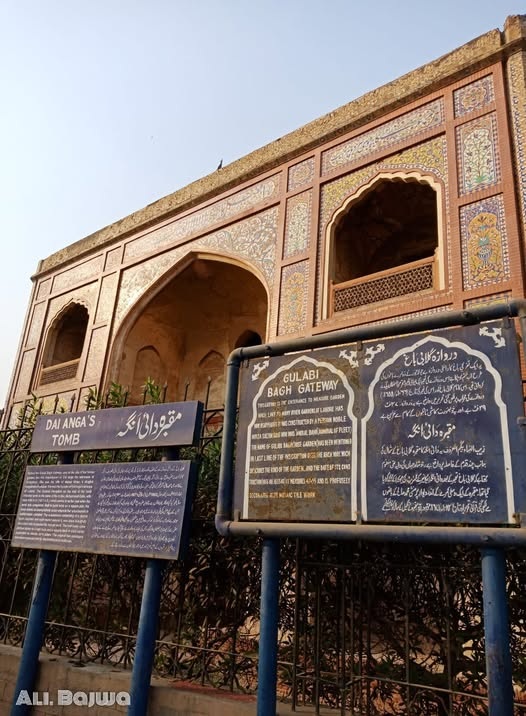
The entrance gateway was built in 1655 for a pleasure garden before becoming the tomb's entrance in 1671.
In recent years, this tomb has faced some problems. When Lahore planned to build the Orange Line Metro train, the route was supposed to go very close to the tomb and other historical buildings. Many people worried this would damage these precious monuments. In 2016, courts stepped in to protect the buildings by creating safe zones around them. This situation showed how hard it is to balance modern city growth with protecting historical treasures.
Even though the tomb is officially protected by the Archaeology Department of Punjab, it still needs proper restoration work. The remaining, colored tiles and the beautiful ceiling paintings in the central dome are priceless pieces of art history that need expert care to stop them from getting worse.
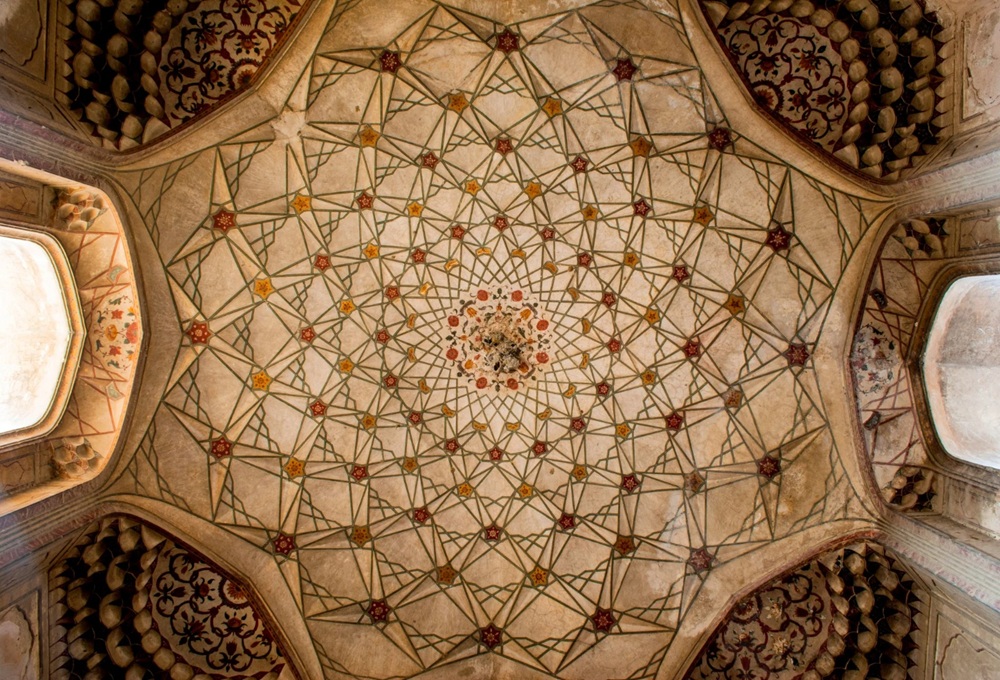
Close-up of the dome's painted ceiling showing geometric patterns and flowers in bright colors that still survive today.
The Tomb of Dai Anga offers something rare in today's world. You can walk through real historical spaces without crowds, gift shops, or fake additions. The stones themselves tell stories of loyalty, amazing building skills, and the incredible life of a woman who went from being a servant to advising emperors.
If you want to understand the human side of Mughal power, this tomb gives you insights you cannot find in bigger, more famous monuments. It shows how the empire honored faithful service, the incredible building skills of that time, and how supporting the arts created lasting beauty. While many historical sites today feel too polished for tourists, Dai Anga's tomb still feels like a real discovery that makes you think and wonder.
This monument proves that Pakistan's heritage goes far beyond the famous places that everyone talks about. In the story of Dai Anga and her beautiful tomb, you will find the complexity, artistry and human drama that made the Mughal Empire one of the most interesting civilizations in history. It is a place where the past feels alive, where every stone has a story, and where you can truly connect with the people who lived centuries ago.
You may also like: