Written by: Rana Kanwal
Posted on: May 18, 2026 | 
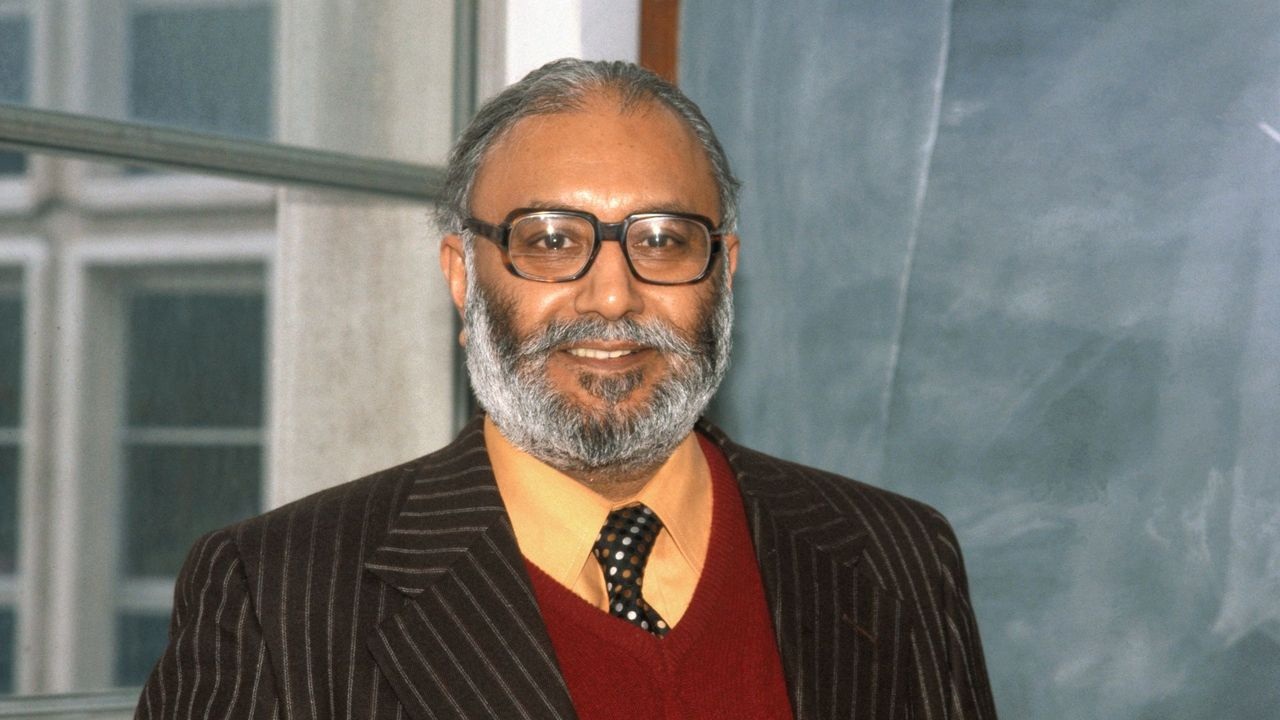
Dr. Abdus Salam
In every nation, history is often written through a selective lens. Certain names rise to the surface, celebrated in textbooks, speeches, and national memory, while many others, equally deserving, quietly fade into the background. Pakistan’s story is no different. Beyond the familiar figures who shaped its identity lies another layer of history: one that is less visible, yet deeply impactful.
These are not always unknown people. In fact, some of them are names we have heard before, briefly mentioned, occasionally remembered, or acknowledged in limited spaces. But recognition, in its truest sense, goes beyond familiarity. It demands consistency, depth, and proportion.
In many cases, these individuals have not received the level of acknowledgment their contributions truly deserve. Their stories are not fully embedded in our educational narratives, nor are they consistently highlighted in public discourse. They exist in fragments of memory, but not in proportion to their impact. It is in this sense that they remain “forgotten.”
Dr. Abdus Salam’s name carries global weight. As Pakistan’s first Nobel Laureate in Physics, his contribution to theoretical science placed him among the greatest minds of the twentieth century. Internationally, he is celebrated, studied and respected. Yet within Pakistan, his recognition has often felt incomplete.
For years, his achievements were not fully embraced in national narratives. His presence in textbooks remained limited, and his story was not consistently shared with the generations he could have inspired the most. While the world acknowledged his brilliance without hesitation, his own country took longer to give him the space he deserved in its collective memory.
His story is not one of obscurity but of imbalance. A legacy too large to ignore yet not fully reflected where it mattered most.
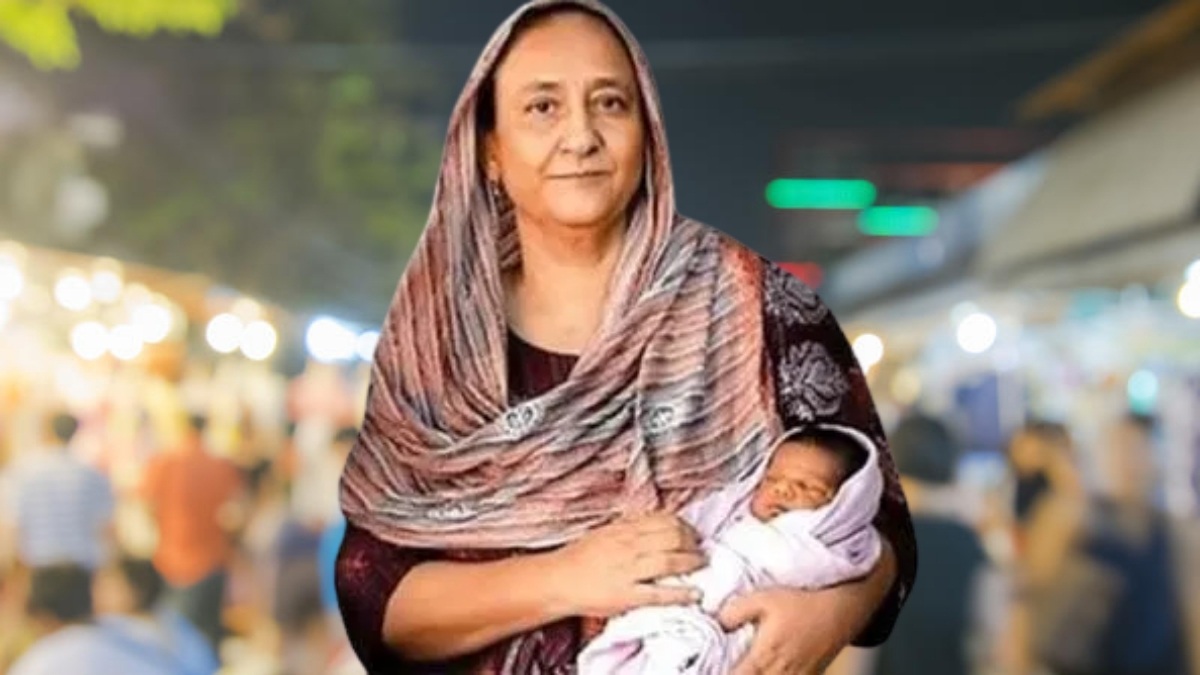
The name Edhi is synonymous with compassion in Pakistan. Yet within that recognition, Bilquis Edhi’s identity often remains quietly absorbed into a larger legacy. Working alongside Abdul Sattar Edhi, she was not merely a supporting figure, she was a driving force behind the foundation’s most sensitive and impactful services. From caring for abandoned infants to managing maternity homes and adoption centers, her work touched lives at their most vulnerable moments. And yet, her individual recognition rarely matches the depth of her contribution.
Bilquis Edhi
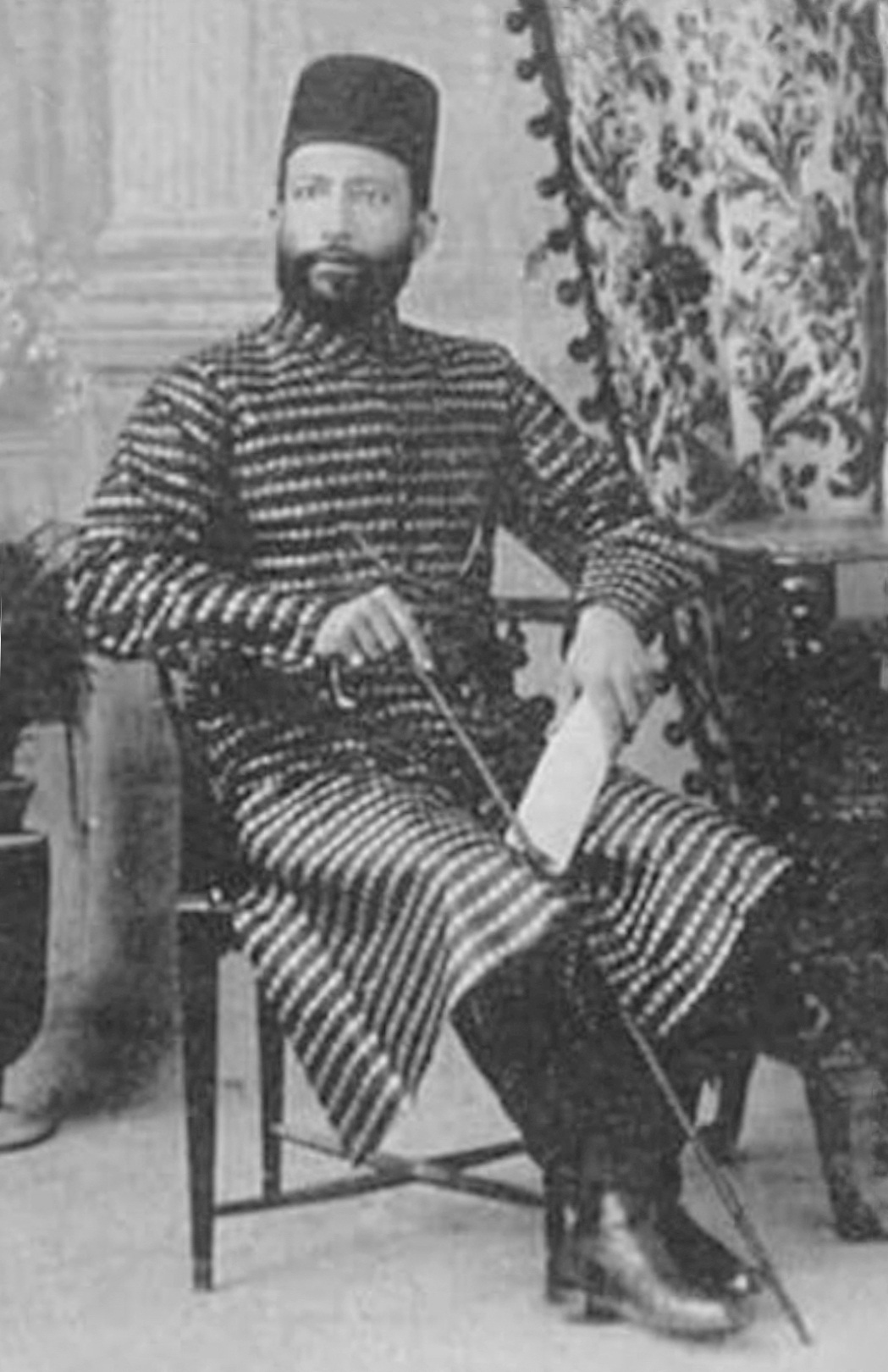
Hakim Ajmal Khan belonged to a generation that shaped both intellectual and social thought during a critical period in South Asian history. A renowned physician, educationist and reformer, he worked toward integrating traditional medicine with evolving healthcare practices.
He also played a significant role in promoting unity and educational advancement at a time when society was undergoing profound change.
Despite such contributions, his name is rarely part of mainstream conversations today. His influence exists more in legacy than in active remembrance. The systems he helped shape continue to function, yet the man behind them has gradually receded from public awareness.
His story reflects how time, if not consciously resisted, has a way of softening even the most impactful footprints.
Hakim Ajmal Khan
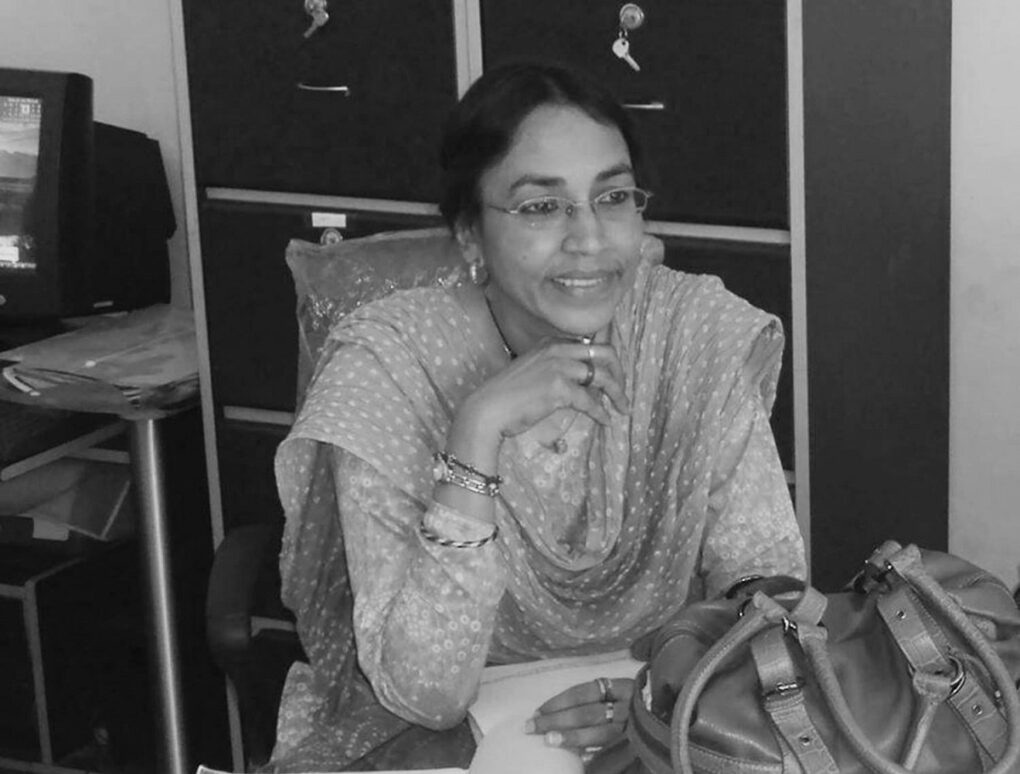
Parveen Rehman’s work was bold, necessary and deeply rooted in justice. She dedicated her life to advocating for marginalized communities in Karachi, addressing issues like land rights, housing, and urban inequality. Her efforts brought uncomfortable truths into the open truths that challenged powerful systems and exposed deep structural issues.
Her tragic death in 2013 did bring attention to her work. But attention, especially when momentary, is not the same as sustained recognition. Over time, her story has not been amplified to the extent it deserves. She is remembered but not consistently highlighted in conversations about social reform and courage. Her work remains relevant, yet her name is not always present where it should be.
This quiet fading does not diminish her impact, but it does reflect a gap in how we preserve and continue important narratives.
Parveen Rehman
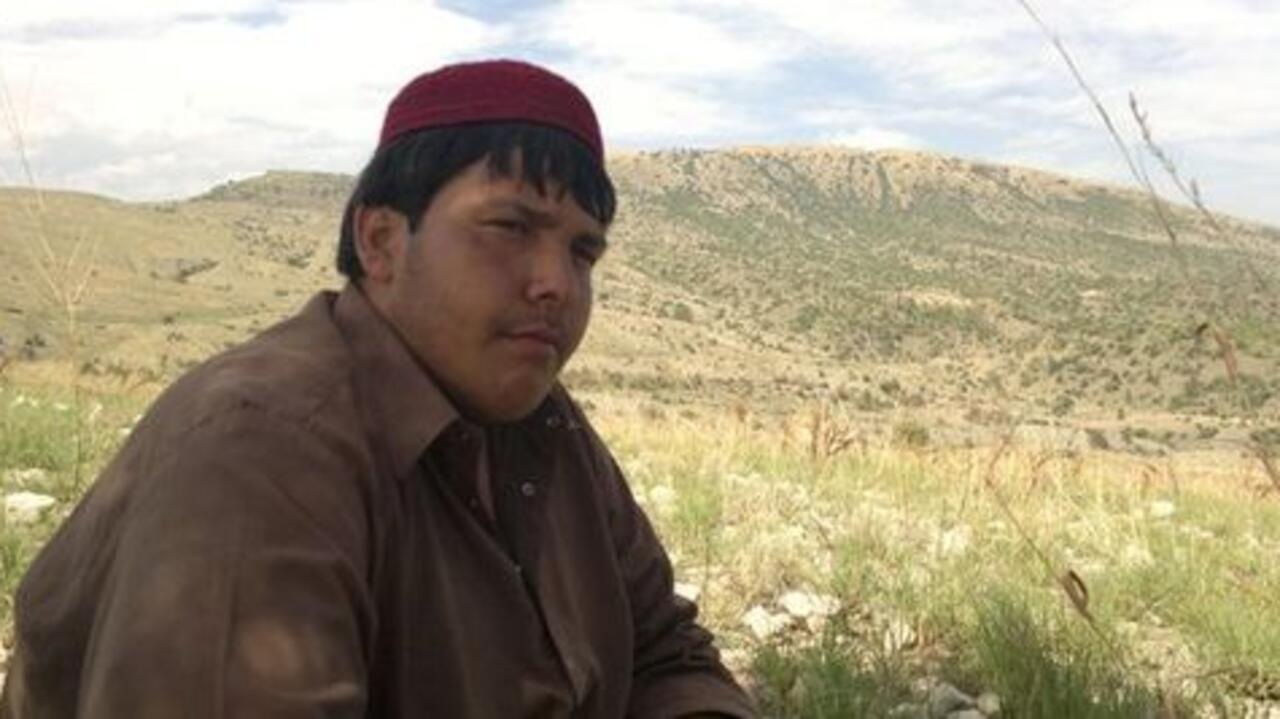
Some stories grip a nation instantly. Aitzaz Hasan’s was one of them. At just 15 years old, he stopped a suicide bomber from entering his school, sacrificing his life to save hundreds of others. His bravery was widely acknowledged in the immediate aftermath. He was honored, spoken about, and remembered. But as time passed, the intensity of that remembrance faded.
Today, his story is not as present in national consciousness as it once was. It is not consistently revisited, nor is it deeply embedded in educational or cultural narratives where it could continue to inspire. His heroism was never forgotten in truth but it was not sustained in memory with the strength it deserved. And sometimes, that quiet fading is another form of forgetting.
Aitzaz Hasan
Dr. Ruth Pfau’s contribution to Pakistan’s healthcare system is nothing short of extraordinary. Her decades-long fight against leprosy transformed countless lives and helped Pakistan control a disease that once carried immense stigma. She is respected, and her work is acknowledged, especially within medical and humanitarian circles. Yet, beyond those spaces, her story is not as widely known as it should be.
Her recognition exists, but it remains limited in reach. For someone whose work impacted thousands across the country, her narrative deserves a more central place in national awareness. Her life is a testament to service without borders, and perhaps also to recognition that does not always travel as far as it should.
Not all contributions come with dramatic moments. Some are built over time, quietly, steadily, and with long-term vision.
Syed Babar Ali’s role in shaping Pakistan’s educational landscape, particularly through the establishment of LUMS, has influenced generations. His work has created opportunities, nurtured talent, and strengthened academic standards in the country.
And yet, his recognition remains largely confined to certain circles. He is respected but not widely celebrated in public narratives. His impact is visible in institutions, not in headlines. And in a world that often equates visibility with importance, such contributions can easily be overlooked. His story represents a different kind of heroism, one that builds silently, but lasts deeply.
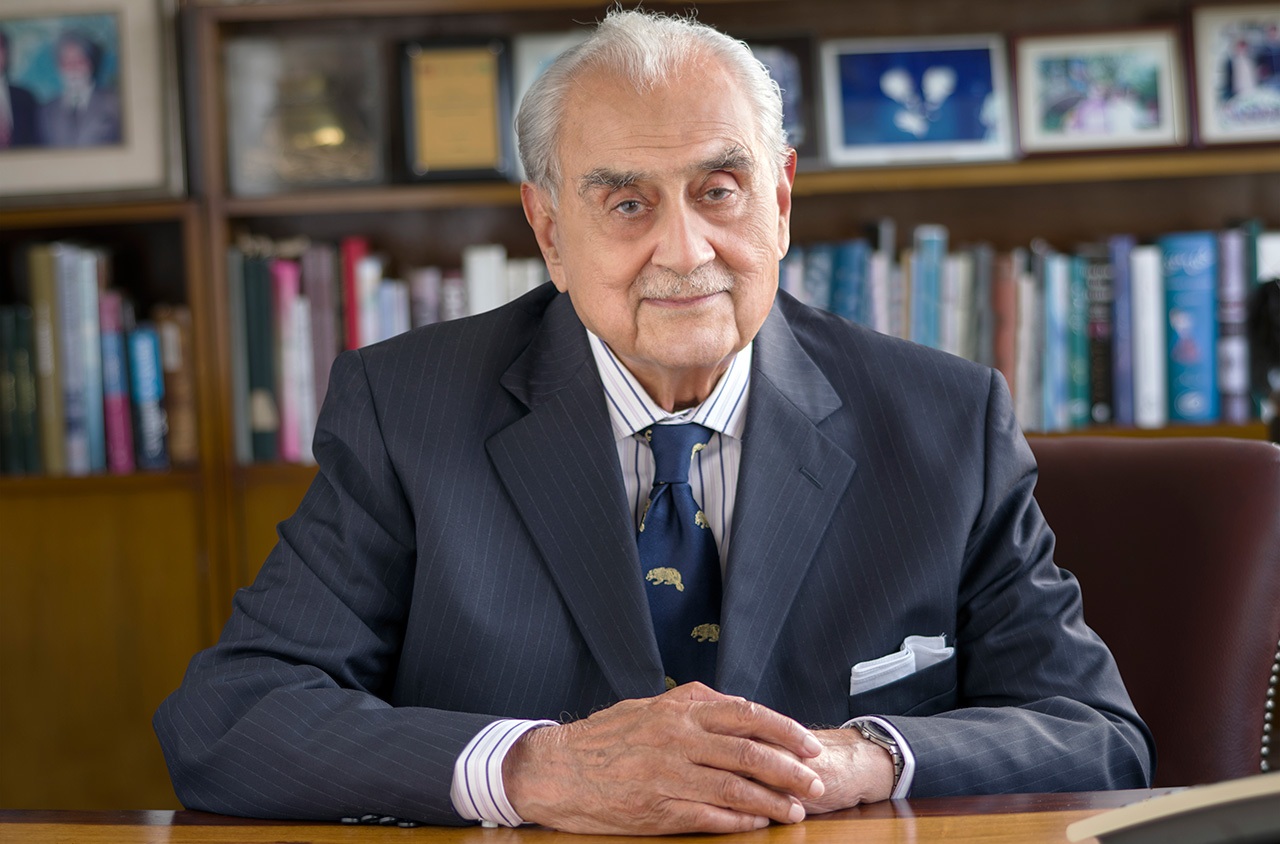
Syed Babar Ali
These stories raise an important question: why does recognition, even when it exists, often remain incomplete? Part of the answer lies in how narratives are shaped. Public memory tends to focus on a few dominant figures, leaving less space for others. Media attention is often brief. Educational systems simplify complex histories. And over time, even meaningful contributions can lose visibility.
For some, recognition is delayed. For others, it is limited in scope. And for many, it fades gradually without intention, but with consequence.
To revisit these individuals is not merely to honor them, it is to correct perspective. A nation’s identity is not formed by a handful of names alone. It is built through the collective efforts of many, some visible, others not. When recognition does not match contribution, the narrative remains incomplete.
These stories remind us that impact is not always loud, and recognition is not always fair. But memory, if nurtured, can restore balance.
Pakistan’s history is rich, layered, and filled with individuals who have shaped its path in meaningful ways. Some are celebrated widely. Others exist in quieter spaces, known, yet not fully acknowledged. To call them “forgotten” is not to deny their recognition, but to question its depth. Because remembrance is not just about knowing a name, it is about understanding its worth, carrying its story forward, and giving it the space it truly deserves. And perhaps, in doing so, we do not just remember them better, we understand ourselves better as a nation.
You may also like: