Written by: Saman Khalid
Posted on: January 14, 2025 | 
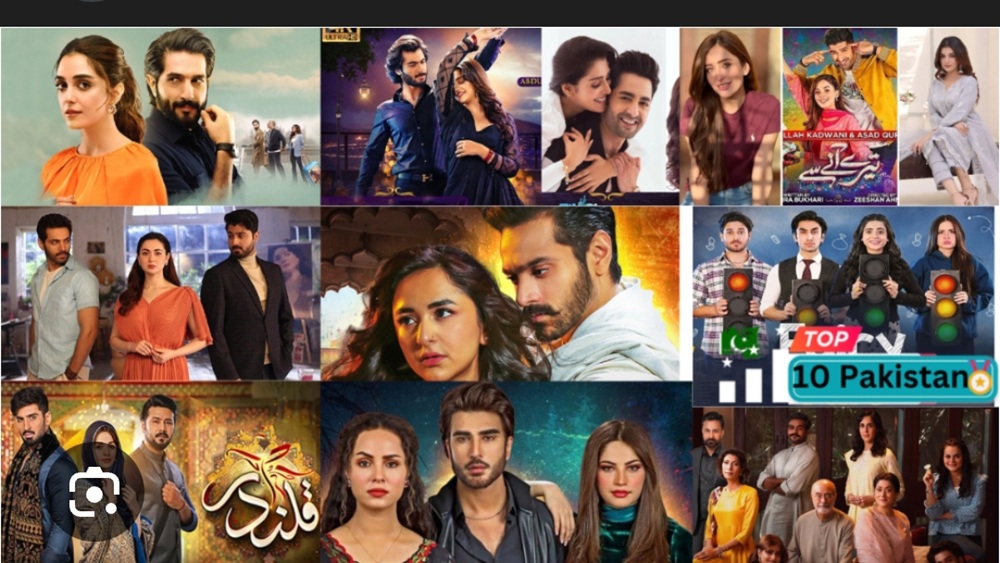
A portrait of Instagrammable dramas
How on earth did this drama become so popular? This is a question that every intellectually sound viewer has asked at some point. Sometimes it's about an objectively well-made show that simply failed to impress them personally, but oftentimes it's the exact opposite; a truly overrated, subpar piece of content. With the rise of social media, the latter possibility has become alarmingly common.
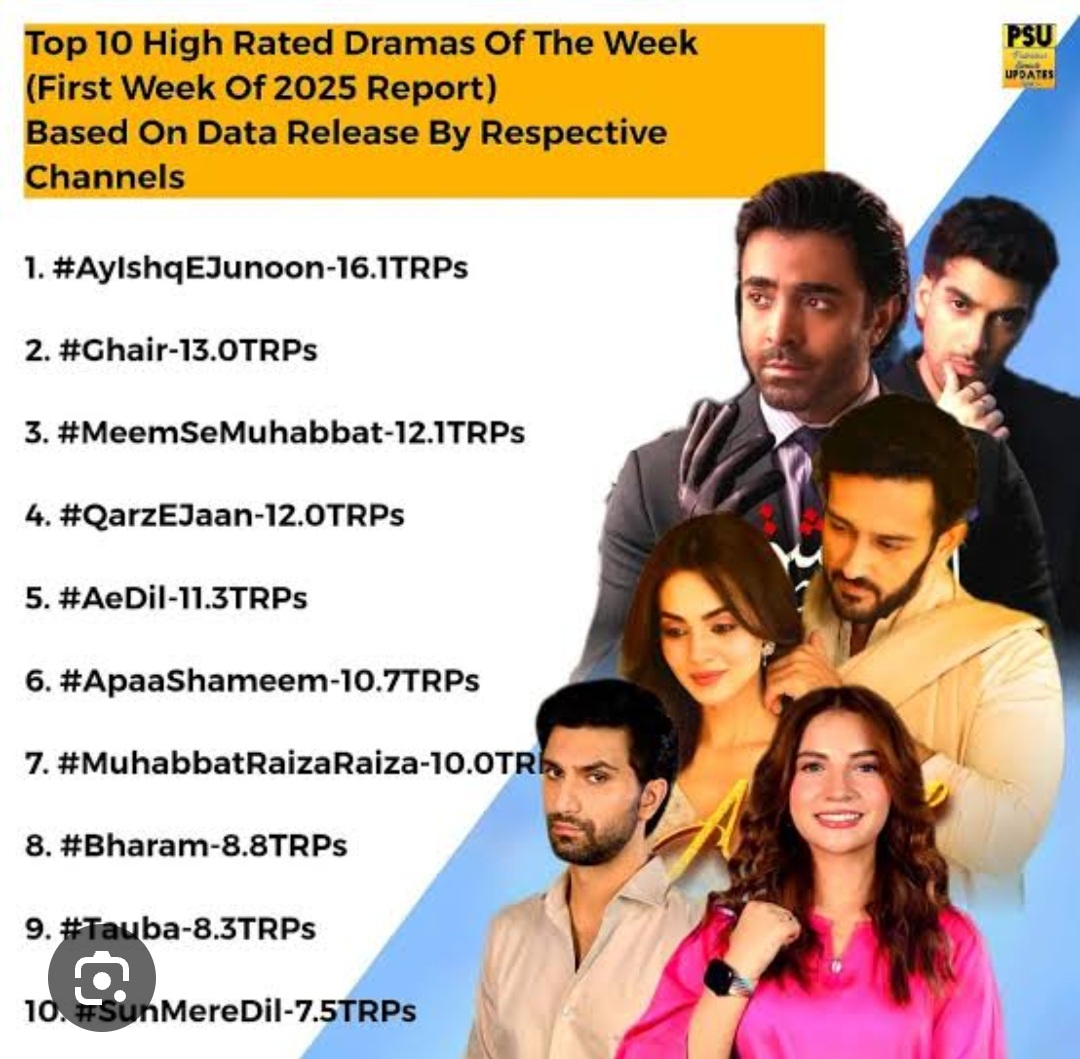
TRPs driven by social media hype
Back in the day, the quality of content determined the fate of a show's popularity. A formidable script along with sturdy performances and apt social messaging were the markers of a drama that the masses considered worth watching. That is why, in the earlier years of Pakistani television, only a couple of mega-hit blockbusters were produced every year. However, the trend seems to have shifted entirely with the advent of social media reels and edits. At this point in time, the only catalyst required for a drama to garner sky-high ratings is social media hype. A few dramatic reels, a bunch of romanticized edits, and a host of out-of-context memes. That's all it takes for a show to become a hit among the masses.
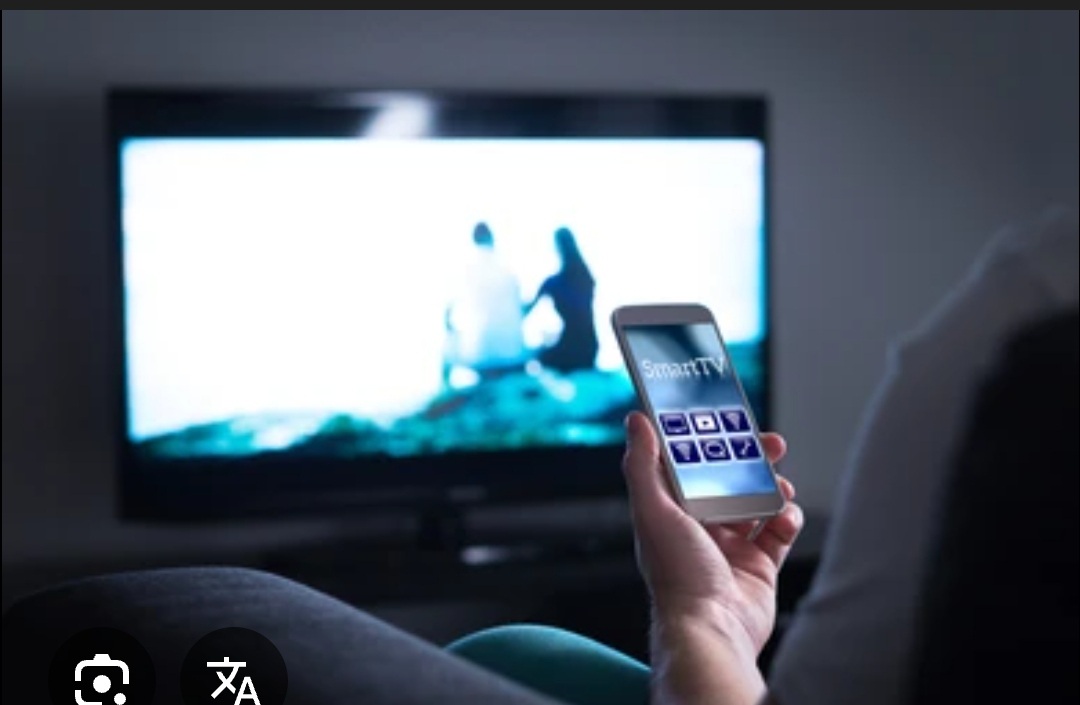
Viewers prefer social media over television
The drill is simple; a new drama starring popular actors is released, but the majority is viewing it not on their television screens, but on their Instagram feeds. The first reel gets their attention, the second fuels curiosity, and by the third edit the viewer has already decided to dive into the show, regardless of its individual merit or appeal. This cycle is replicated across millions of accounts, thus translating into views. Social media, in this instance, serves as a false vessel of credibility and elevation. It creates the illusion of greatness, and triggers a fear of missing out.
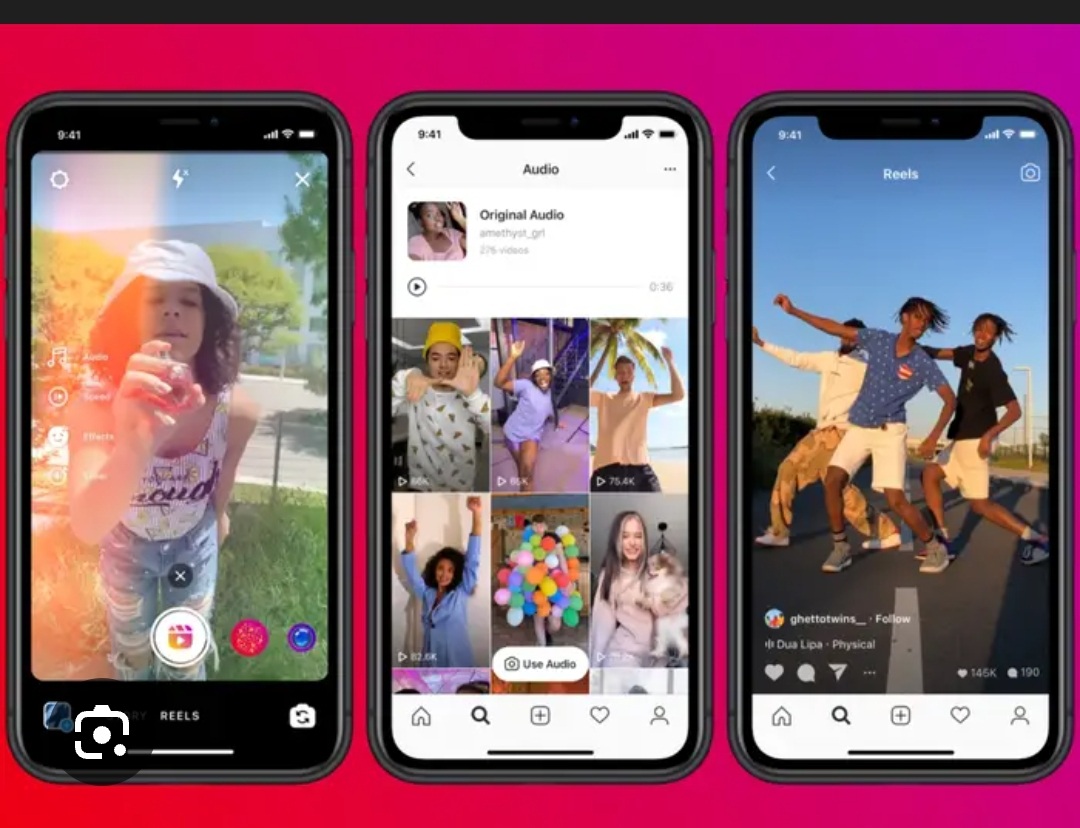
The endless stream of content on Instagram
On the surface, it all seems innocuous enough. Some might even regard it as an effective medium of promotion and exploration. However, one look at the current state of content on prime-time television is enough to shatter that naive narrative. It is obvious that producers, writers and actors have all tuned into the wave of change induced by social media platforms. They seem to be fully focused on churning out dramas with the potential to go "viral". This basically implies the inclusion of a conventionally attractive cast, a slightly toxic hero, a pseudo-empowered heroine, over-the-top romantic sequences and a collage of "cutesy" moments perfectly curated for reels. Almost every new show falls in any one of these categories; and the worst part is, it works. This superficial formula brings in millions of views and insane engagement.
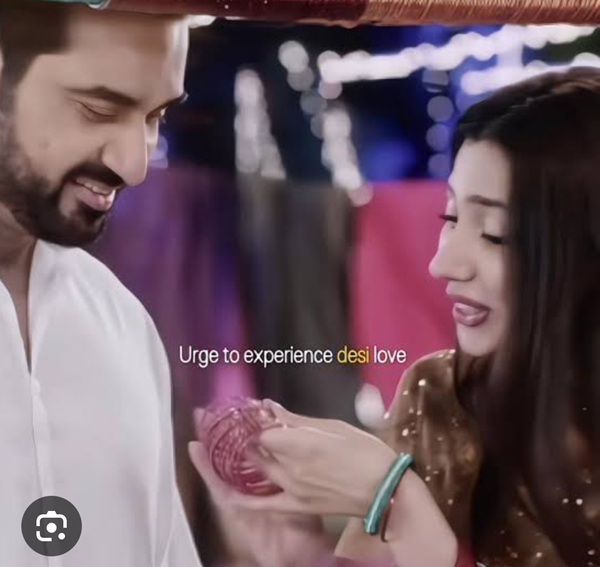
Over-glorified edits
Gone are the days of script prioritization and purposeful storytelling. Building a solid and consistent narrative infused with well-developed characters is too much work with no guarantee of a payoff. Instead, putting together a bunch of "Instagrammable" moments and calling it a drama seems to give much better results. It is a toxic ecosystem where one variable actively affects the other, thus destroying the standards of competence altogether.
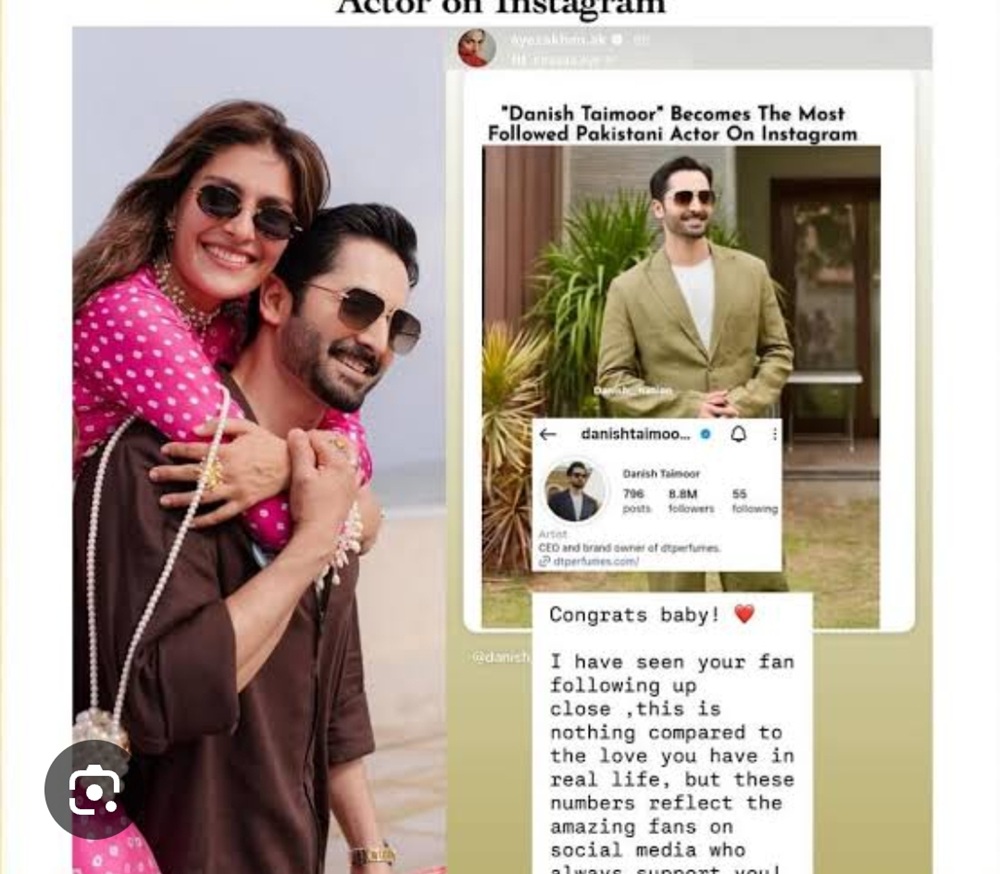
Actors' social media persona often overshadows performance
It is human nature to believe that popular or well-liked things have a greater probability of being worth experiencing. If everyone is watching it, it must be good. This is a tricky psychological effect that comes into play in this specific dynamic. As a consequence, mediocre content takes precedence over actual talent. Run-of-the-mill stories soar, while authentic storytelling gets swept under the rug. Over time, this pernicious trend has started to actively dictate the production of television dramas.
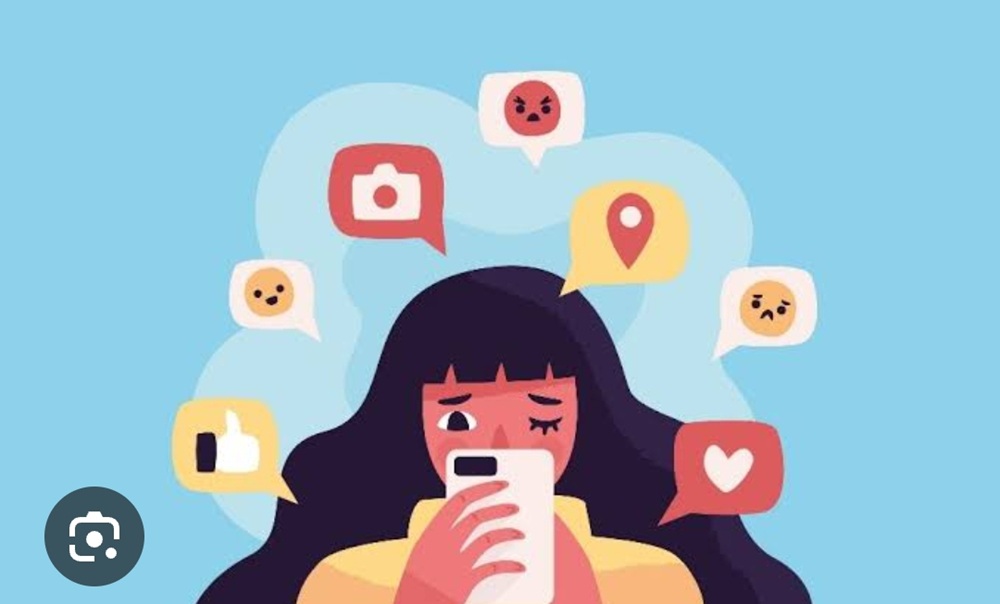
FOMO (Fear of Missing Out) dictates viewership
We are witnessing an understated, albeit extremely concerning erosion of everything Pakistani television is known for: thoughtful writing, masterful direction, culturally rich narratives rife with subtle moral messaging, organic relationships and multi-faceted characters. Unless it is taken note of, the industry will soon collapse into a pit of meandering shows and Instagram edits. It is important that we, as audiences, learn to set social media hype apart from the long-form content we choose to consume. As viewers begin to make informed choices, social media will transition back into what it was originally meant for; soft visibility without script distortion.
You may also like: