Written by: Muhammad Suhayb
Posted on: December 15, 2025 |  | 中文
| 中文
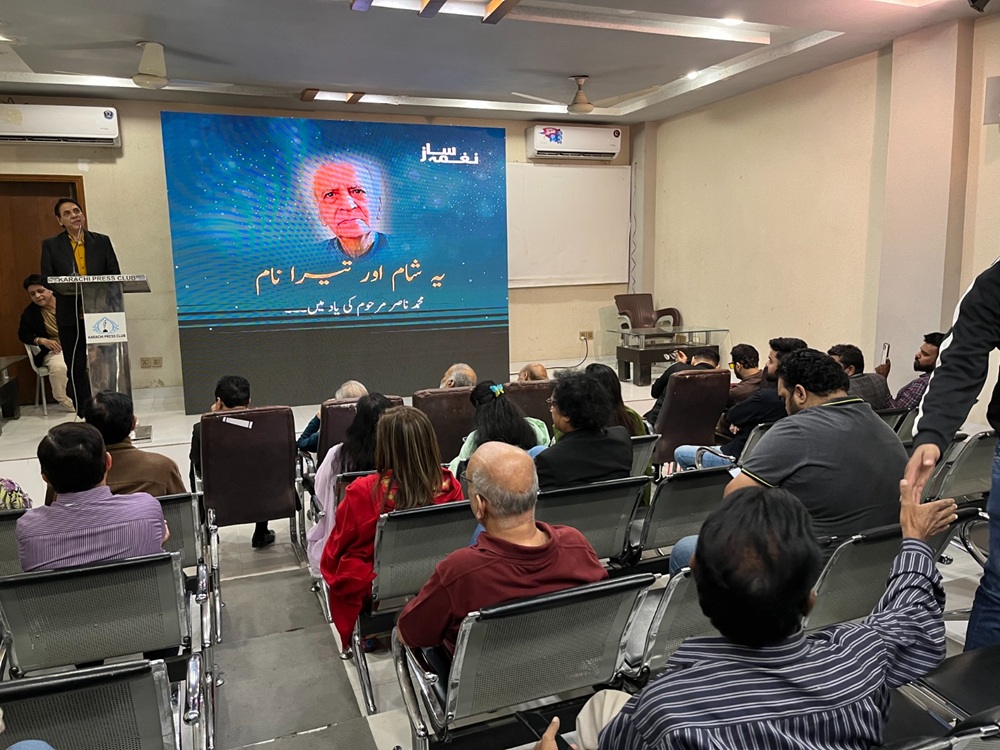
Audience at the event organized by Naghma Saaz to pay tribute to the late song writer Muhammad Nasir.
For someone who grew up in the Pakistan of the ’80s, every memory carries its own color.
In sports, we were giants, ruling Cricket, Squash and Hockey, triumphs that, like the decade itself, never truly returned. By the mid-’90s the shine dimmed, and Pakistan slowly slipped from the lead. Our cinema used to offer decent Urdu films, though the industry was already breathing its last; a brief flicker in the mid-’90s wasn’t enough to resurrect it.

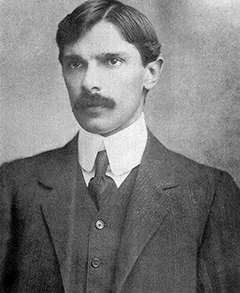
Late Muhammad Nasir reading a book
Yet television remained our window to the world: Knight Rider, Airwolf, The Fall Guy, and the magic of PTV dramas like Ankahi, Tanhaiyan, and Alif Noon, shows we still treasure because nothing today feels quite like them. And when nostalgia needs only a single spark, it arrives in the shape of a song, whether voiced by Alamgir or Muhammad Ali Shehki, a sound that carries us gently back to the past.” Songs like Alamgir’s Dekh Tere Kia, Khalid Waheed’s Yeh rasta Tere ghar ka, Muhammad Ali Shyaki’s Yeh Raat Milan ki and Hassan Jahangir’s Aajana dil hai diwaana, that take many like me to the good old days.
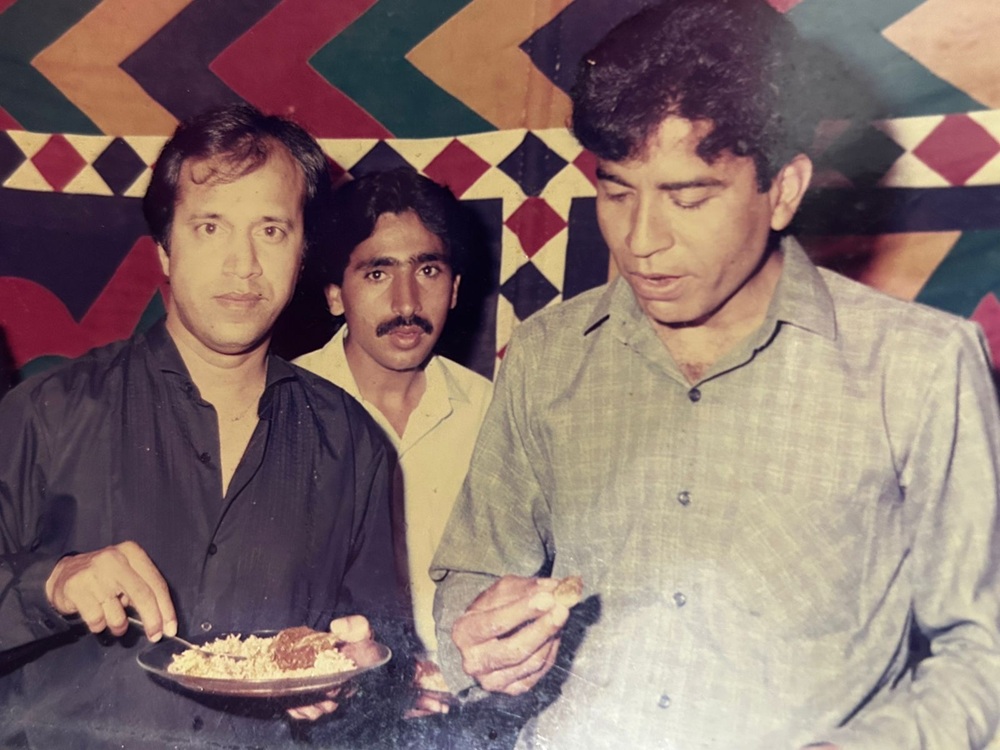
Muhammad Nasir and Alamgir
Would you believe it was the same man who wrote the soothing Shaam Se Pehlay Aana, the high-energy Hawa Hawa Ae Hawa, the heartfelt tribute Maaon Ki Dua, Pakistan’s first cricket song after Javed Miandad’s historic six, the melodious Yeh Rasta Tere Ghar Ka, the jazzy Keh Dena, and the ghazal Paas Aakar Koi Dekhay? You have to, as the legendary song writer Muhammad Nasir, who passed away on November 6 after three years of being bedridden, was the man who used to give words to the tunes of Niaz Ahmed and Karim Shahbuddin.
Recently, the Naghma Saaz Group held a condolence gathering at the Karachi Press Club to honor the late Muhammad Nasir, where his colleagues, fans and peers gathered to pay heartfelt tribute. The event was organized by singer, writer and PR professional Tanveer Afridi, the founder of Naghma Saaz, and was graced by senior figures such as M. Zaheer Khan, the producer whose music shows helped Pop Music take flight on Pakistani television. The gathering also brought together singers Faisal Latif, Saleem Javed, and the Kausar sisters, Shabana and Shazia, as well as music directors Mehboob Ashraf, Azhar Hussain, Ustad Nafees Khan and Wajid Saeed. Researchers Mateen Mehmood and Aqeel Abbas Jafri were also present, adding depth and context to the tribute. The tribute video played at the beginning, prepared by current PTV MD Amjad Shah and researcher Mateen Mehmood, was powerful enough to draw the audience instantly into the mood of remembrance.
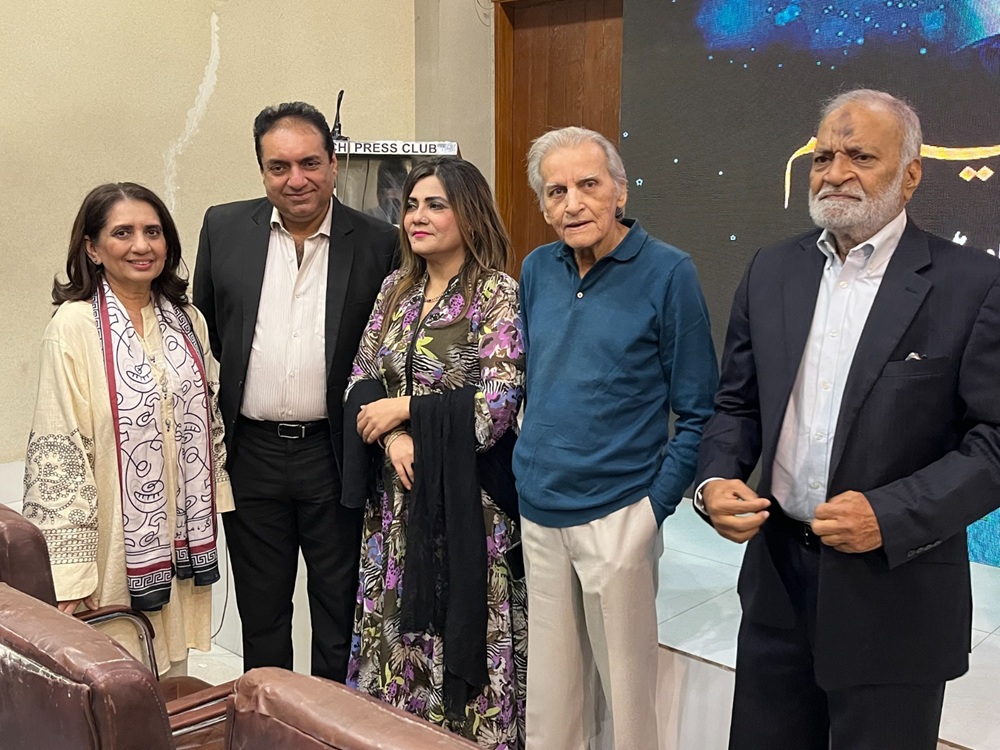
(R to L) Azhar Hussain, Zaheer Khan, Uroosa Ali, Amjad Shah, Samina Aslam
Everyone who stepped onto the stage had only kind words for Muhammad Nasir. Amjad Shah, Nafees Ahmed and Azhar Hussain spoke as close friends of the departed soul, while Saleem Javed and Faisal Latif credited their early rise to Nasir sahab, recalling how he guided them at a time when they ‘had no idea what to do. Saleem Javed, acknowledging both Muhammad Nasir and Azhar Hussain as key influences, shared light moments from the past, including the anecdote behind the iconic 1986 Javed Miandad song. Conceived after Miandad’s last-ball six, Saleem Javed called it Pakistan’s first cricket-themed song, one that opened the doors for many to follow. Faisal Latif spoke about Nasir’s remarkable speed and adaptability, saying he could mold lyrics effortlessly to suit the singer or composer’s needs.
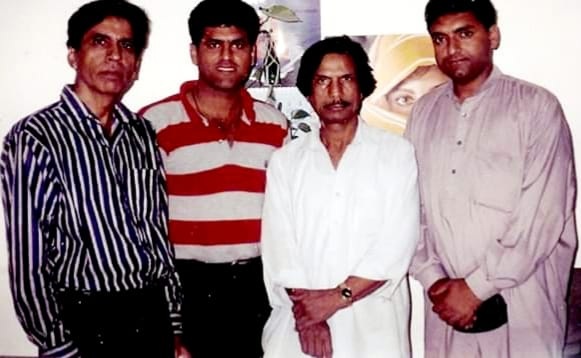
Niaz Ahmed and Amjad Shah with Muhammad Nasir
Young music director Wajid Saeed, currently one of the busiest names in the field, spoke about the last 15 years of Nasir’s life and how he collaborated with the legendary lyricist on official soundtracks for numerous television dramas. He even revealed that much of the work they did together was accomplished over the phone. Former MD Pakistan Television, M. Zaheer Khan, also addressed the gathering, taking a little longer than others as he travelled back through memories. He revealed that Muhammad Nasir was the man who wrote the first song that opened the doors for Pop Music on Pakistani television. It was the adaptation of the Spanish track Quantana Mera, localized by Alamgir as Albela Rahi.
Since then, Alamgir and Muhammad Nasir became an inseparable creative duo, until Alamgir moved to the United States in the 1990s. Whether Alamgir was singing to the tunes of Niaz Ahmed or Karim Shahabuddin, or later composing music himself, he always turned to M. Nasir for lyrics. Main Door Ki Awaaz Hoon, Oh Jaanay Jaana, Khwabon Mein Main Bhi Akela, and countless more, were the fruits of this enduring partnership.
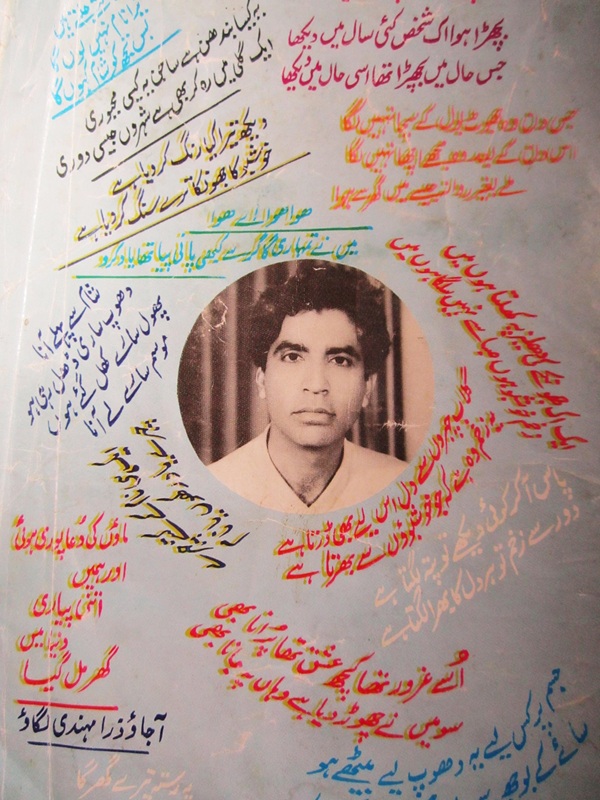
Muhammad Nasir's famous songs
Nasir’s versatility extended far beyond Pop. He wrote Babula Main Le Jaayein Na Log Mujhko for Afshan Ahmed, penned Abida Parveen’s first Urdu song Subah Ki Pehli Kiran, and played a key role in giving Hasan Jehangir his breakthrough with Hawa Hawa.
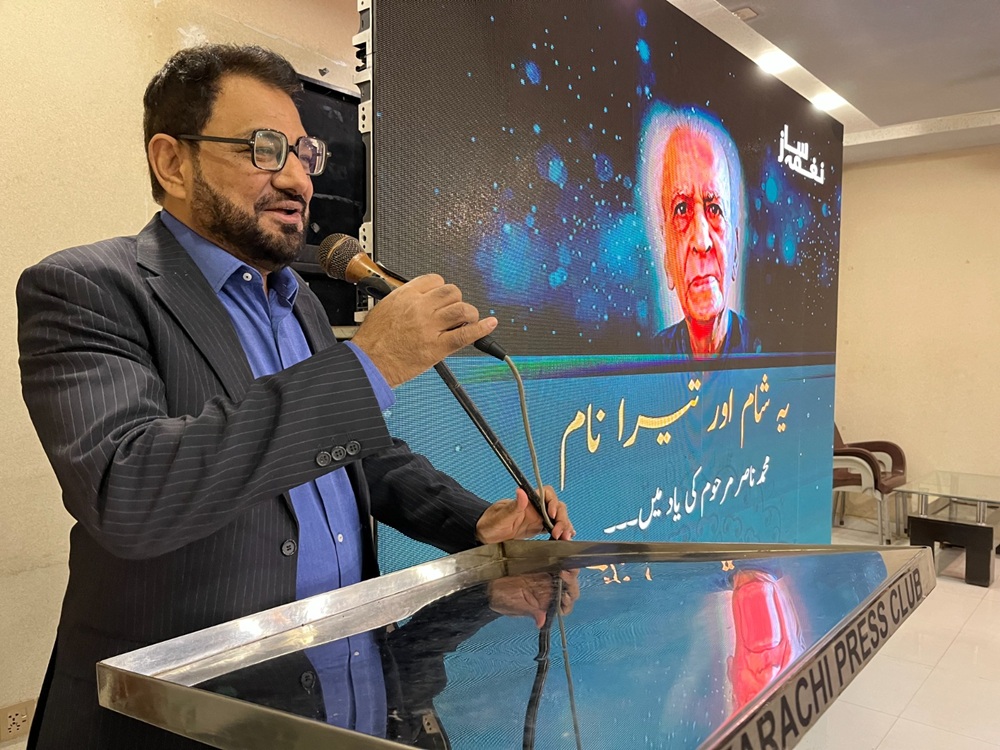
Founder of Naghma Saaz, Tanveer Afridi, speaking during the event
Nasir’s children were also present and were deeply moved by the heartfelt tribute from Naghma Saaz. Researcher and author Aqeel Abbas Jafri criticized the government for failing to acknowledge artists at such moments, and, like everyone present, praised the organizers for their sincere effort. The group promised an even larger tribute in the near future.
You may also like:

From the Horn of Africa to Bahria Town: Habesha Café Brings Centuries of Coffee Culture to Rawalpindi
(October 15, 2026)