Written by: Waseem Abbas
Posted on: October 28, 2025 |  | 中文
| 中文
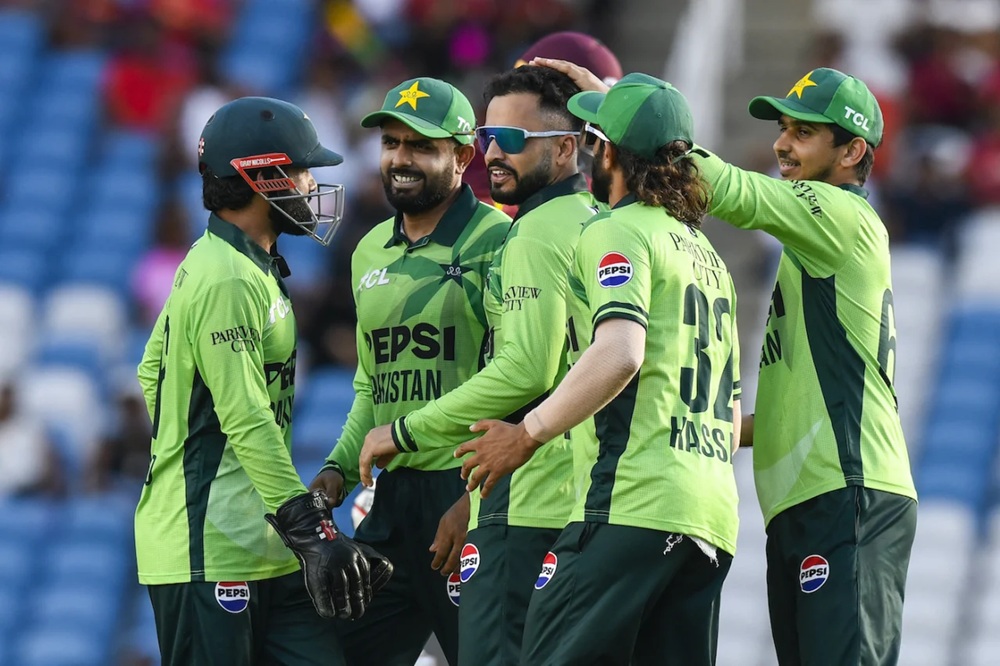
(L to R) Muhammad Rizwan, Babar Azam, Muhammad Nawaz, Hasan Ali and Saim Ayub
Pakistan’s tradition of reshuffling team combinations after every other tournament continues, this time bringing some known faces back into the team while also including a few notable newcomers. Pakistan got thrashed in the recently concluded ICC Champions Trophy, as New Zealand and India handed Pakistan convincing defeats, leading to Pakistan’s exit from the first round. The defeats led Pakistan team management to sack Muhammad Rizwan from ODI captaincy and appoint Shaheen Shah Afridi as the new ODI captain. Rizwan had defeated Australia in Australia and South Africa in South Africa in ODIs, but the two games in the Champions Trophy proved too costly for him. He was similarly sacked from T20 captaincy prematurely and Salman Agha replaced him.
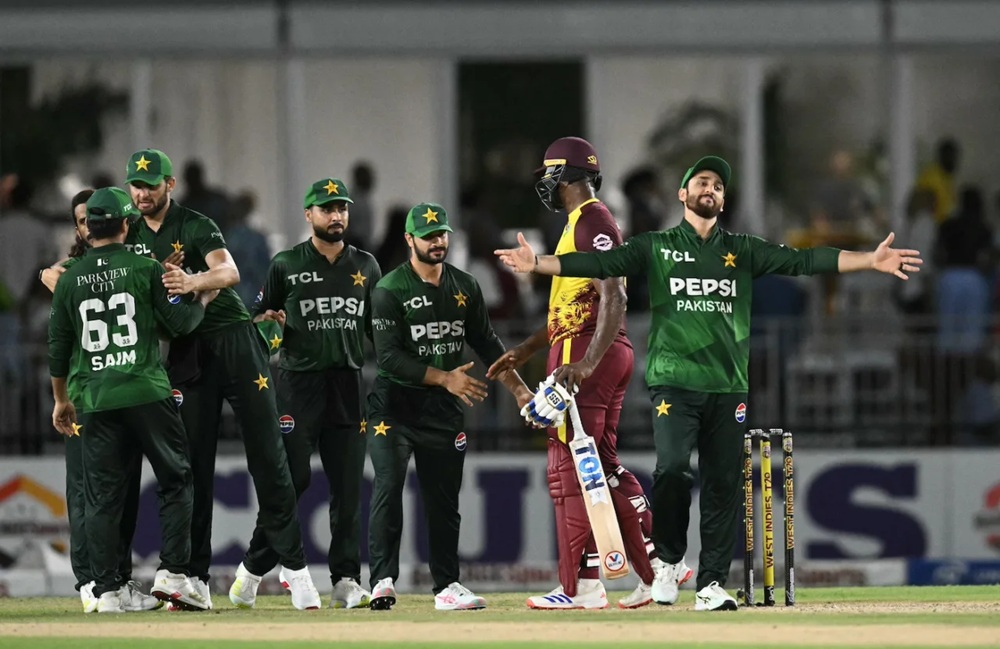
Salman Agha (extreme right) celebrates after winning T20 series against West Indies.
While on the other hand, Salman Ali Agha managed to keep his T20I captaincy safe, at least for the time being, despite his personal mediocre numbers and the team’s abysmal performance in the recent Asia Cup and bilateral tournaments. While a valuable cricketer in both the longer formats, Salman’s T20 numbers do not warrant a place in the team, let alone captaincy. His strike rate of 110 in 32 games, scoring 561 runs, shows how unimpressive his stats are, while his off-spin bowling is rarely required in T20Is in Saim’s presence. The ongoing T20 series against South Africa and the upcoming Tri-Series against Sri Lanka and Zimbabwe should be the last opportunity for him to prove his mettle in the format, otherwise, he should be sidelined from the format for the better.
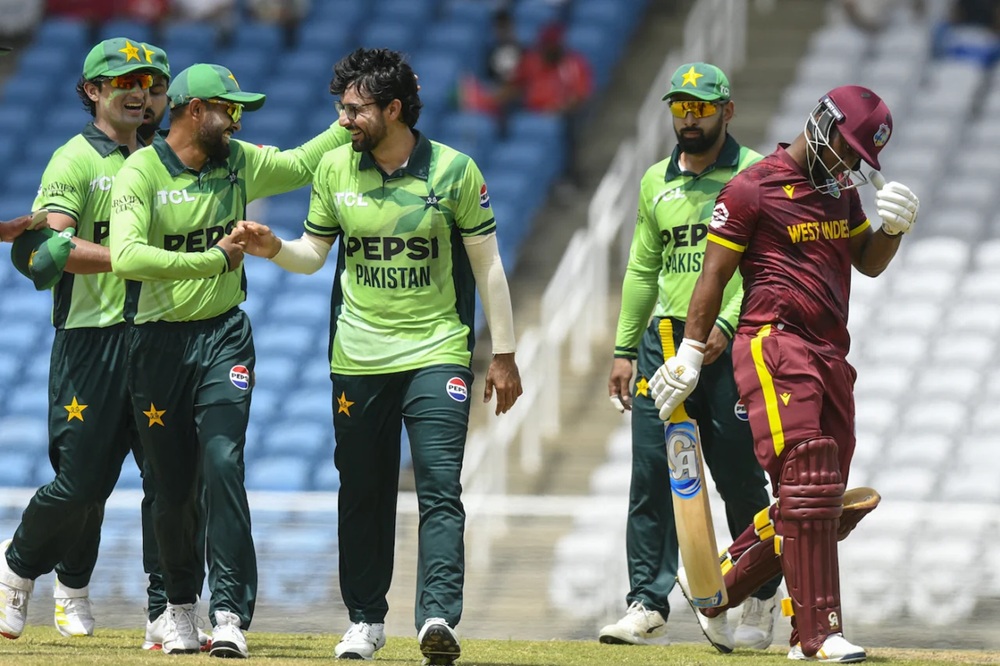
(L to R) Naseem Shah, Babar Azam, Abrar Ahmed, and Abdullah Shafique
Pakistan has recalled experienced Babar Azam back in the T20 team almost after a year, who was initially sidelined citing his low strike rate along with Muhammad Rizwan. The criticism on the Rizwan-Babar duo mostly relied on their scoring rates, while those who replaced them could neither score consistently nor at a better rate. Since the start of 2023, Babar’s strike rate in T20Is is 135, while Rizwan’s is around 121, which led selectors to include Babar while leaving Rizwan. Rizwan could not make a comeback despite Muhammad Haris, the poster boy of faster cricket, being sidelined, while Usman Khan got another nod as a wicketkeeper. It is another tragedy that Usman was left out of the squad for the Asia Cup, played in the spin-friendly conditions of Pakistan and the UAE, which suit his strength.
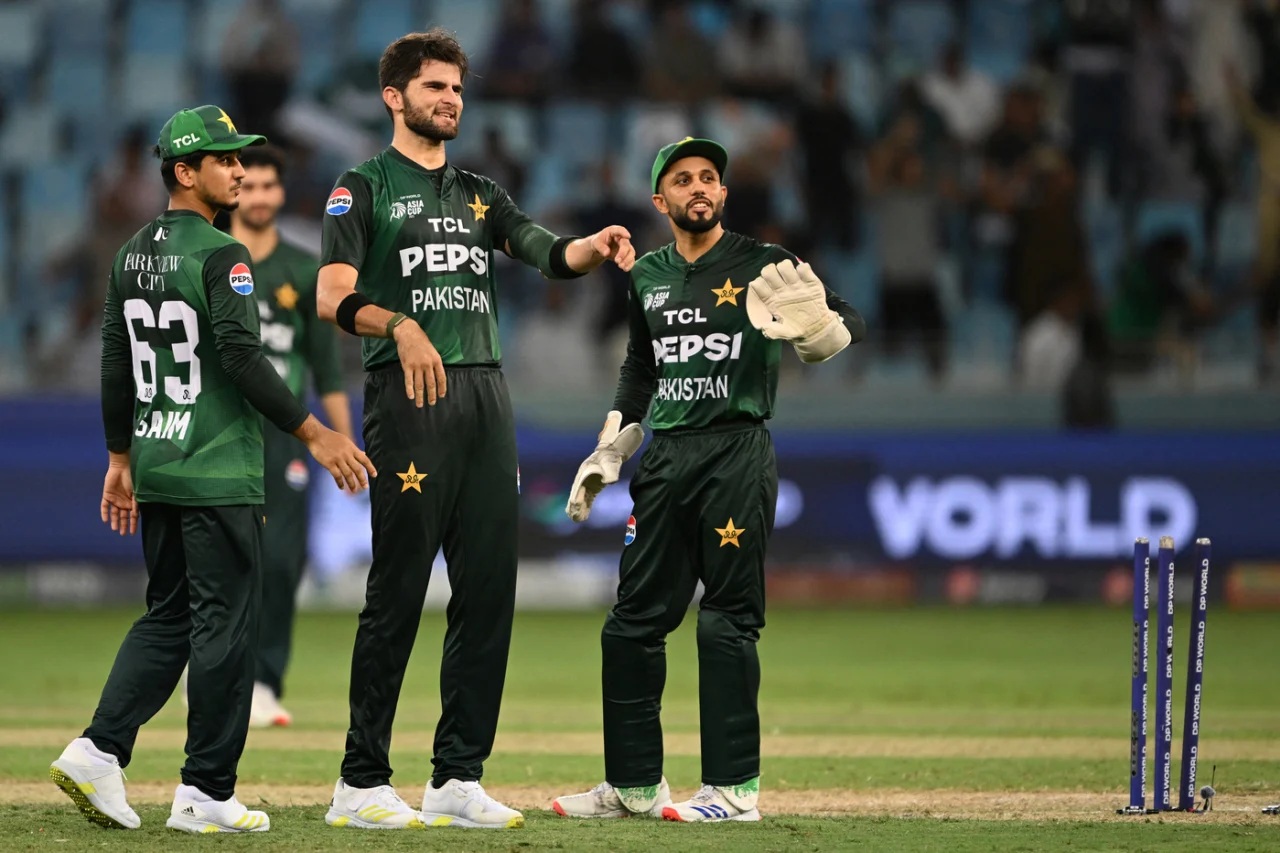
(L to R) Saim Ayub, Shaheen Shah Afridi and Muhammad Haris
For ODIs, Haris has been replaced by Haseebullah Khan, the 22-year-old opener from Balochistan, as Rizwan’s backup, who boasts a remarkable 51 average with 9 centuries in List A cricket. In the ODI team, another notable inclusion is that of Faisal Akram, who has replaced Sufyan Muqeem as the second spinner to Abrar Ahmed, while the rest of the team is almost unchanged.
More changes have been made in the T20 team than the ODI team, most decisions seem to be the result of the panic the management felt after the disastrous Asia Cup. Along with Babar, pacer Naseem Shah has also been recalled, who was sidelined for over a year now. As Haris Rauf continued to choke during crunch moments, it made Naseem’s comeback a lot easier than it looked. Usman Tariq, the Quetta Gladiators off-spinner, has earned his first national call-up after impressing in the T20 cricket circuit around the world, especially in the PSL and CPL. Known for his unique action, Usman has 54 T20 wickets in 36 games at an impressive average of 18.07 and an economy of 6.88. Usman’s selection also meant Sufyan missed out, as Abrar is the main spinner in the team. It is a good sign that the management is grooming young specialist spinners like Faisal and Usman, who could serve Pakistan for a long time in future. It will also help team depend less on all-rounders like Shadab Khan and Muhammad Nawaz for spin overs. Hasan Ali and Haris Rauf have been dropped, making way for Naseem and Wasim Junior.
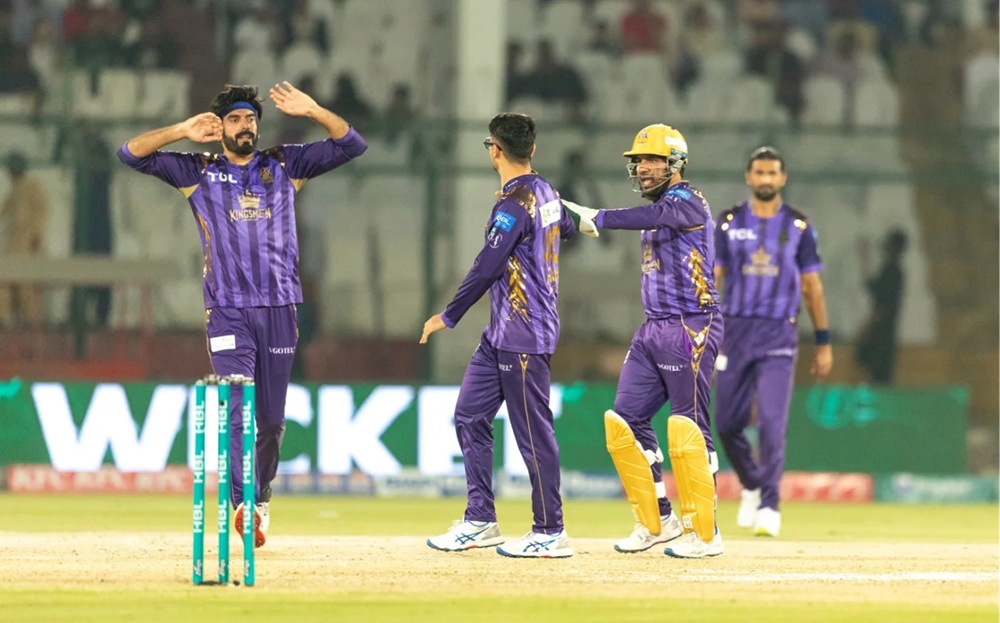
Usman Tariq impressed during PSL 2025 for Quetta Gladiators
Saim Ayub had a forgettable Asia Cup with the bat, while he impressed with the ball, which has saved his spot in the team. Young Hasan Nawaz, who was benched during the Asia Cup due to poor form, has maintained his spot. It is a good sign that the management has shown faith in these youngsters who have the potential to do well despite their fledgling performances. Khushdil Shah and Hussain Talat have been dropped for good, and Abdul Samad is back as a designated finisher in the team. Fakhar Zaman has also been dropped along with Haris from the team that played the Asia Cup, while Usman Khan, Samad, and Babar were recalled.
The T20 team looks better now, with Babar’s experience, Samad’s firepower, and Usman’s attacking cricket strengthening the team, whereas Saim, Farhan and Hasan are already in the team. So, it makes a good combination of experience and fresh blood. The only weak link in the team still looks to be the captain, Salman Agha, who could score in batting-friendly conditions in Pakistan but is nowhere near comfortable in difficult conditions.
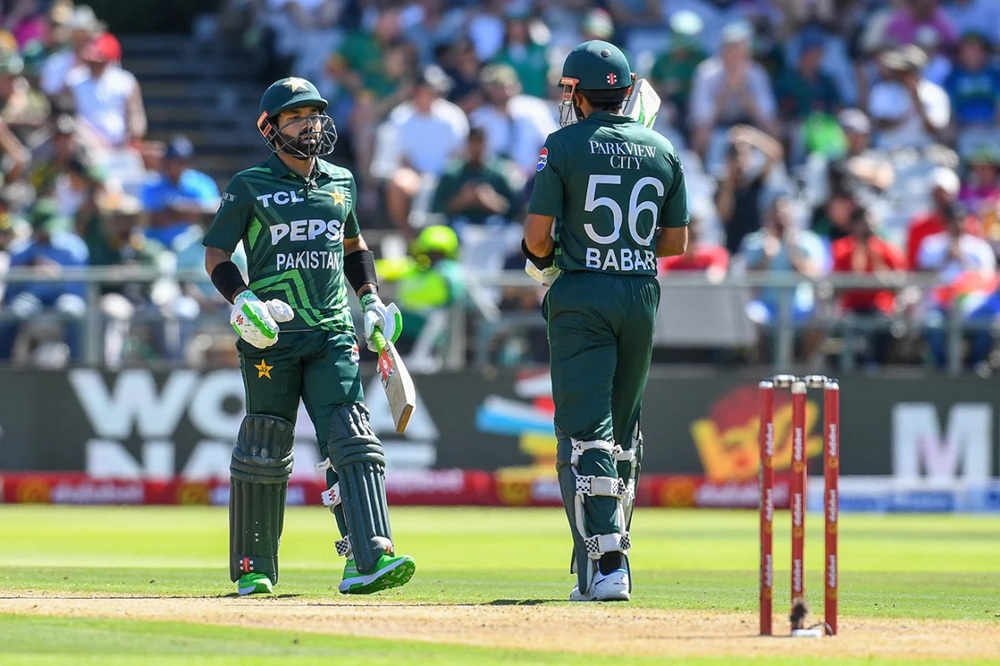
Muhammad Rizwan and Babar Azam
Pakistan will play against the South African team starting on the 28th of October with a 3-match T20 series followed by a 3-match ODI tournament. Pakistan will then play a 3-match ODI series against Sri Lanka from November 11, followed by a tri-series involving Sri Lanka and Zimbabwe.
You may also like: