Written by: Prof. Dr. Mamoona Khan
Posted on: August 21, 2025 |  | 中文
| 中文
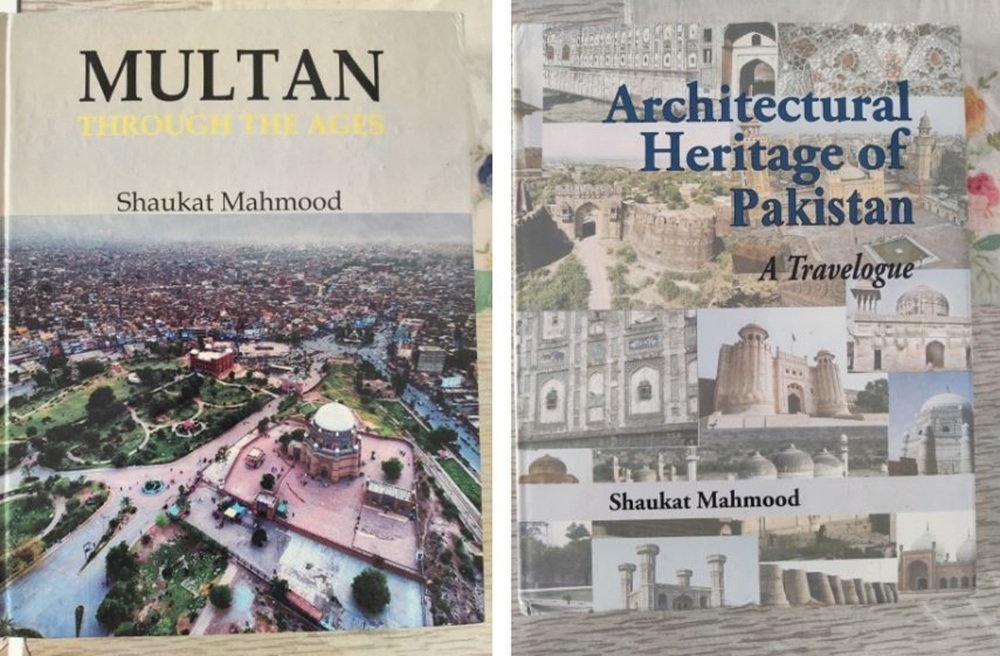
(L) Architectural Heritage of Pakistan - A Travelogue, and Multan - Through The Ages (R) by Prof. Dr. Shaukat Mahmood
The two books, Multan Through the Ages and The Architectural Heritage of Pakistan: A Travelogue, are priceless treasures, brimming with invaluable information about the cultural and architectural legacy of Pakistan. Written in 2024 and 2018 respectively by Prof. Dr. Shaukat Mahmood, a scholar par excellence, they draw on his teaching and research experience spanning over six decades. These books reflect his intellectual prowess and are equally beneficial for general readers and future researchers.
Both books provide essential information about the architectural heritage of Pakistan and the chronology of Multan, offering indispensable details for researchers in these fields. As the author points out in his book on Multan, while people across the world take pride in preserving and documenting their monuments and cultural traditions, this remains a somewhat neglected domain in Pakistan. This book is a pioneering effort in the field, as only a few similar works have been published, most of them under the auspicious guidance and mentorship of Professor Sahib.

Qasim Gate, Qasim Bagh and Shah Rukn-i Alam's Tomb in Multan
The book on Multan, comprising nineteen chapters, not only presents a glimpse of the evolution and transformation of this historical city of sages and saints under various invaders, but each of its phases inspires and invites scholarly minds to explore further. The chronology is so methodically maintained that vivid mental images of the city emerge, from the invasion of Macedonian general Alexander, to the accounts of Chinese traveller Hiuen Tsang, and the visit of Muhallab, the Muslim Arab general under the caliphate of Hadrat Abu Bakar. The narrative continues to the present day, establishing Multan as one of the oldest continuously thriving cities in the world.
The chronology of Multan is empirically traced by Professor Sahib, who includes rare images that spark both curiosity and amusement. Beyond historical facts, the book acquaints readers with the cultural norms of the city, shaped by centuries of interaction between local communities and numerous foreign invaders. These influences are fairly and thoroughly documented in the text.
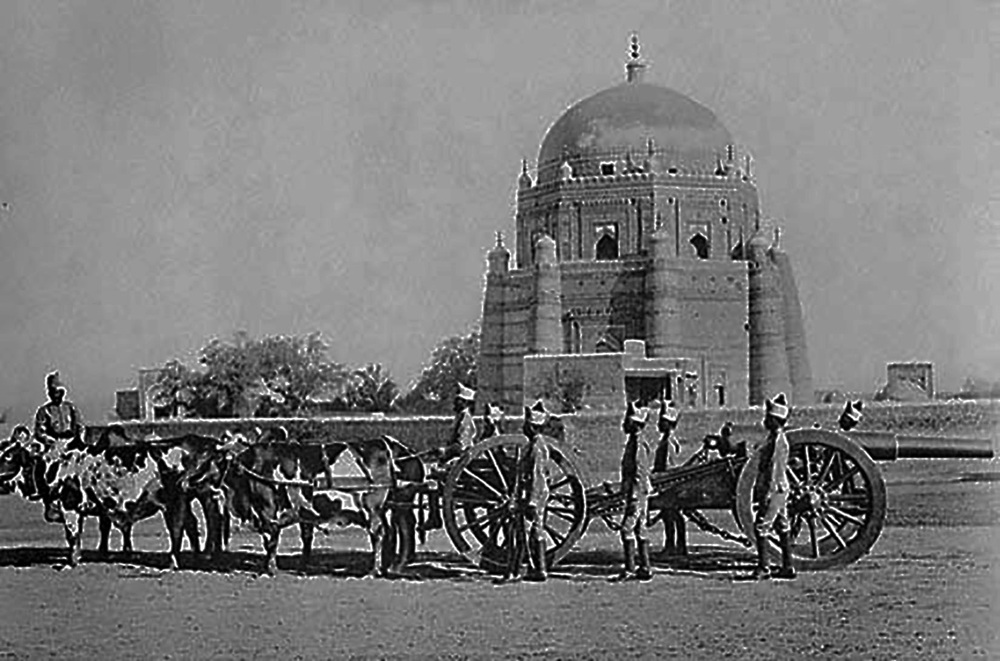
A rare view of British era Multan
From the inhabitants to the habitat of Multan, one gains a comprehensive understanding through this book. Flora and fauna, popular games, textiles, culinary delights such as Multani Halwas, and in-depth research on Multani mangoes are all included. Most striking, however, is the final chapter, dedicated to the Saraiki dialect. It instantly transported me back to my childhood in Rahim Yar Khan, spent with my Saraiki-speaking friends. This chapter is exceptionally engaging, featuring small conversational phrases, pronunciation tips and a translated vocabulary, all of which add to the book’s strength.
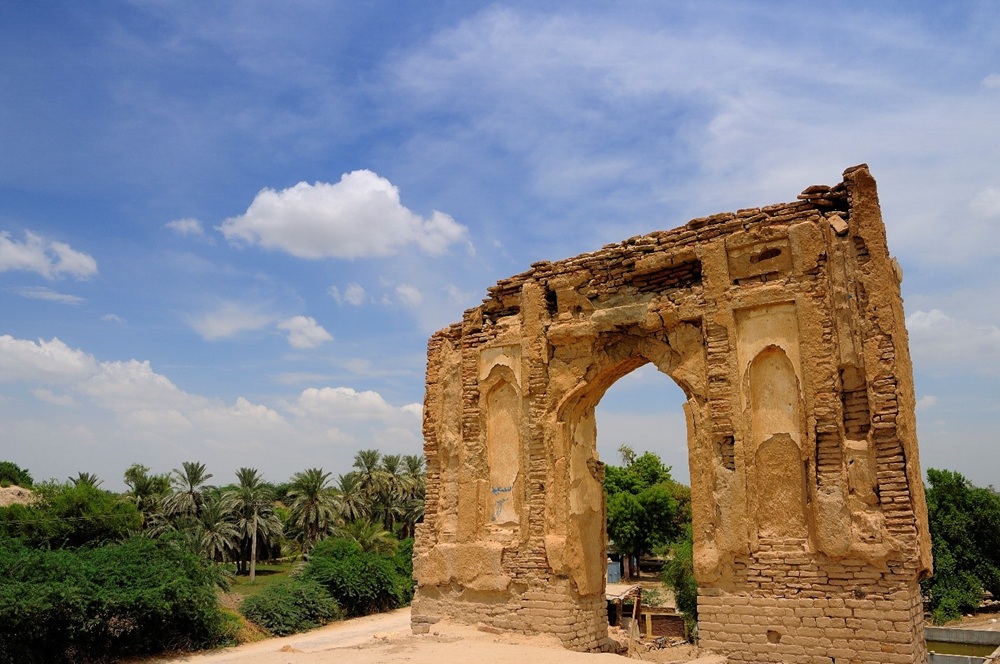
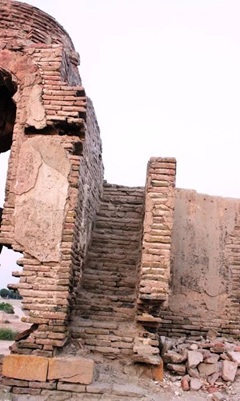
Oldest mosque of Multan built by Muhammad bin Qasim
The second book, Architectural Heritage of Pakistan: A Travelogue, explores monumental edifices across all provinces of Pakistan. From Sindh, it features Makli, Sukkur, Thatta, Sehwan, Umarkot, Hyderabad, Uch, and Cholistan; from Punjab, Sheikhupura and Pakpattan; and structures in Peshawar from KPK, among others. It celebrates the richness of Pakistan’s heritage sites.
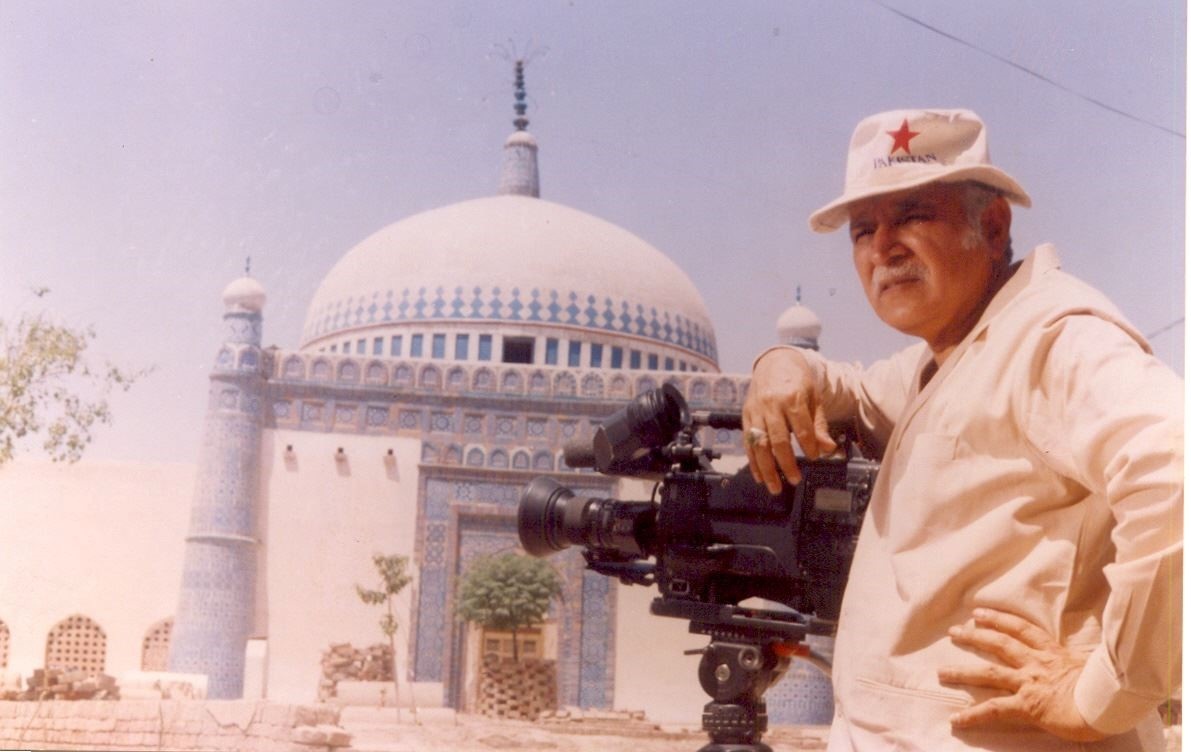
Dr. Shaukat Mahmood in Multan
The descriptive narrative gives readers the sensation of travelling alongside the writer, witnessing different parts of the buildings at particular times of the day, hearing mythical or historical tales from locals, and examining intricate architectural details. The book invites readers to visit the sites mentioned and underscores the role of a researcher in observing from multiple perspectives to reach conclusions.
In addition to descriptions of heritage structures, the book offers intriguing accounts of the rise of fake shrines, folk stories interwoven with scholarly analysis, and authentic facts unknown to the general public, occasionally infused with subtle wit that keeps readers engaged to the end.

Oldest mosque of Multan built by Muhammad bin Qasim
Both books serve as important resources for encouraging local and foreign tourists and researchers to visit these regions of Pakistan and satisfy their thirst for knowledge or adventure. The author raises pressing concerns, drawing attention to the neglect these heritage sites suffer. He notes with regret the poor accessibility, non-existent or crumbling infrastructure, lack of accommodation or food facilities for visitors, and the dilapidated condition of the sites themselves. He also suggests practical ways to preserve and promote these cultural assets, as done by developed nations.
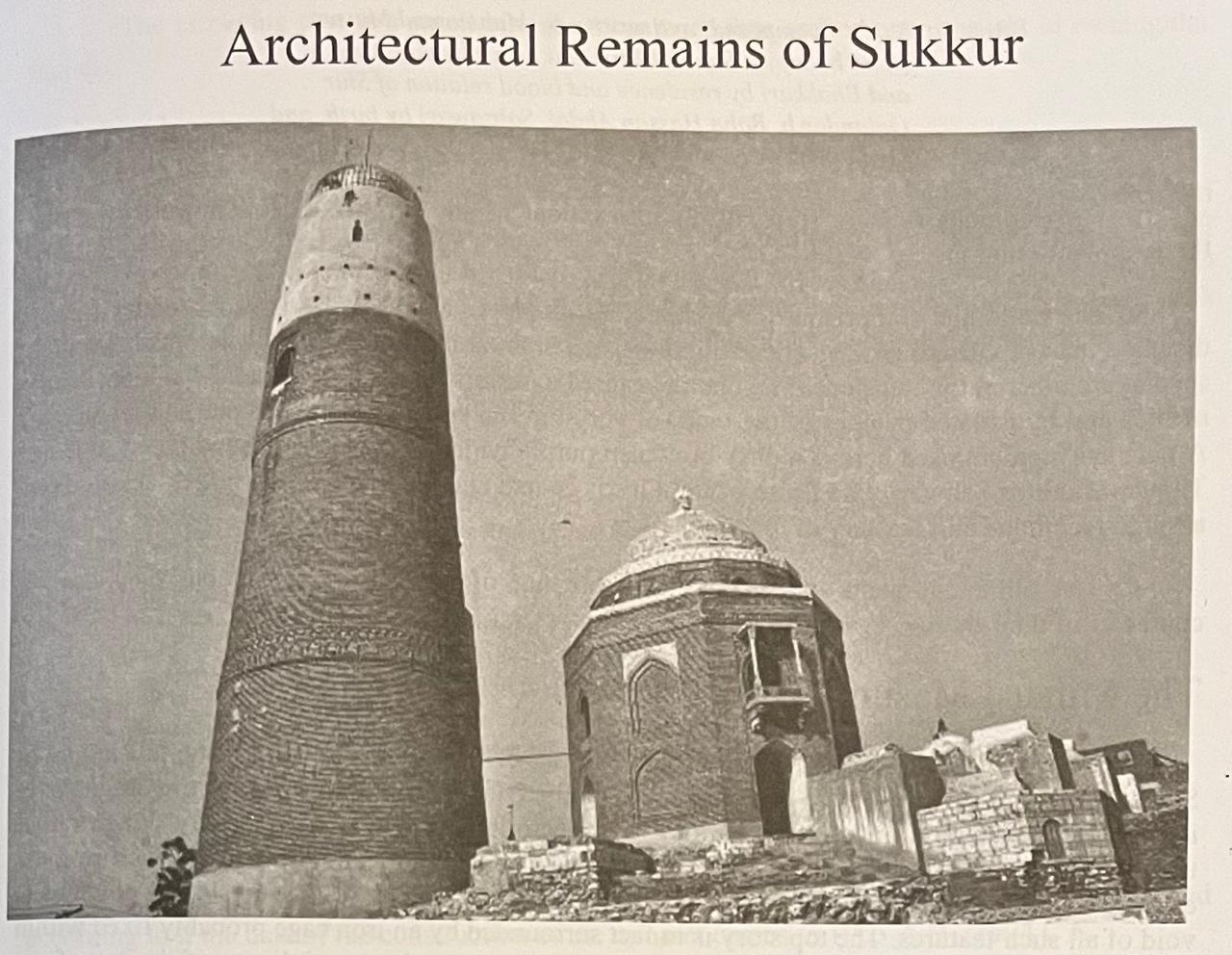
Makli has many historical architectural monuments
Much more could be said about these remarkable books, but a few recommendations must be made.
To keep the books affordable and accessible to students and researchers, they have been printed in black and white on low-quality paper. A philanthropist or patron is needed to sponsor their reprinting on better materials, to ensure their wide distribution globally. Doing so could help attract tourists to our land, boost Pakistan’s economy, and promote the country’s soft image. A colossal effort has been made by the author, one that truly deserves the recognition it merits.
You may also like:
From the Horn of Africa to Bahria Town: Habesha Café Brings Centuries of Coffee Culture to Rawalpindi
(October 15, 2026)