Written by: Saram Maqbool
Posted on: August 28, 2025 |  | 中文
| 中文
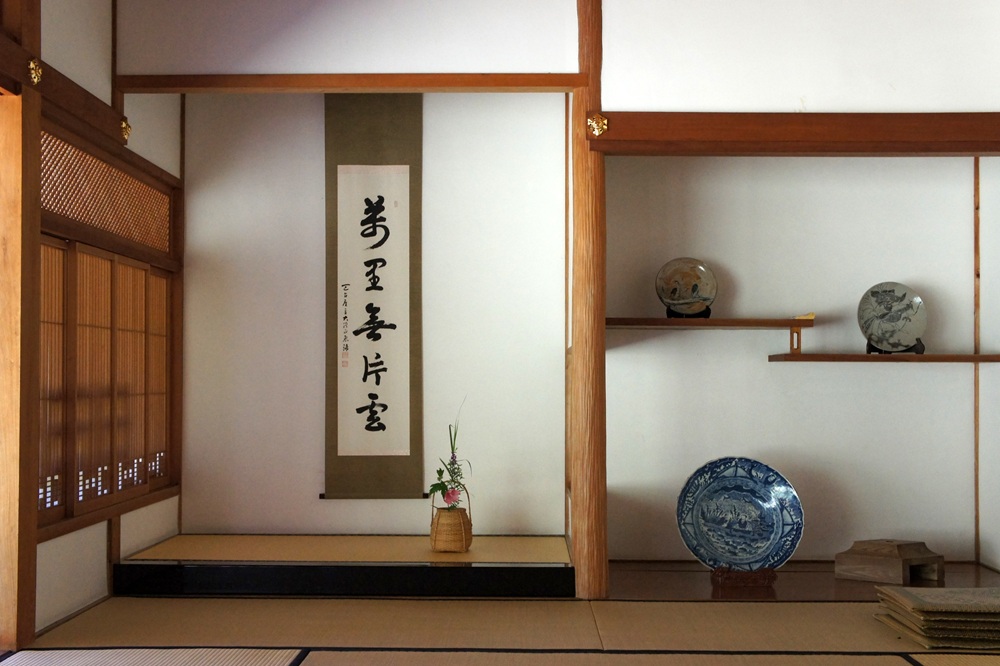
Example of a Tokonoma in a Japanese home
The highly venerable Louis Kahn once famously said, “The sun never knew how great it was until it hit the side of a building". This is a quote that we architects have heard plenty of times, and been awestruck by, simply by how profound it sounds. Light, of course, takes center stage in the architectural realm as it pours through clerestories, dances across facades, and animates interiors. But for every beam of light we see and appreciate, there's an accompanying shadow that's equally present and equally powerful in how it shapes a space. In the hands of an intentional designer, shadow becomes far more than just the absence of light or a byproduct. It becomes its own material, something that gives texture to silence and lets architecture breathe.
I keep bringing up Tadao Ando whenever I talk about using light in architecture, but only a few have explored this idea more poetically than the Japanese architect. His Pulitzer Prize Foundation Building in St. Louis is a structure that's as much about restraint as it is about presence. The exterior is an arrangement of brushed concrete and glass, but inside, it’s the shadows that do the speaking. Long corridors shift between brightness and dimness depending on the time of day. Walls become canvases for moving shade. A beam of light falls through a slit, not to illuminate, but to cut the room with purpose. The voids Ando creates in his designs are never just emptiness, but are charged spaces where silence and shadow are deliberately curated. It’s in these negative spaces that visitors pause, reflect and breathe.
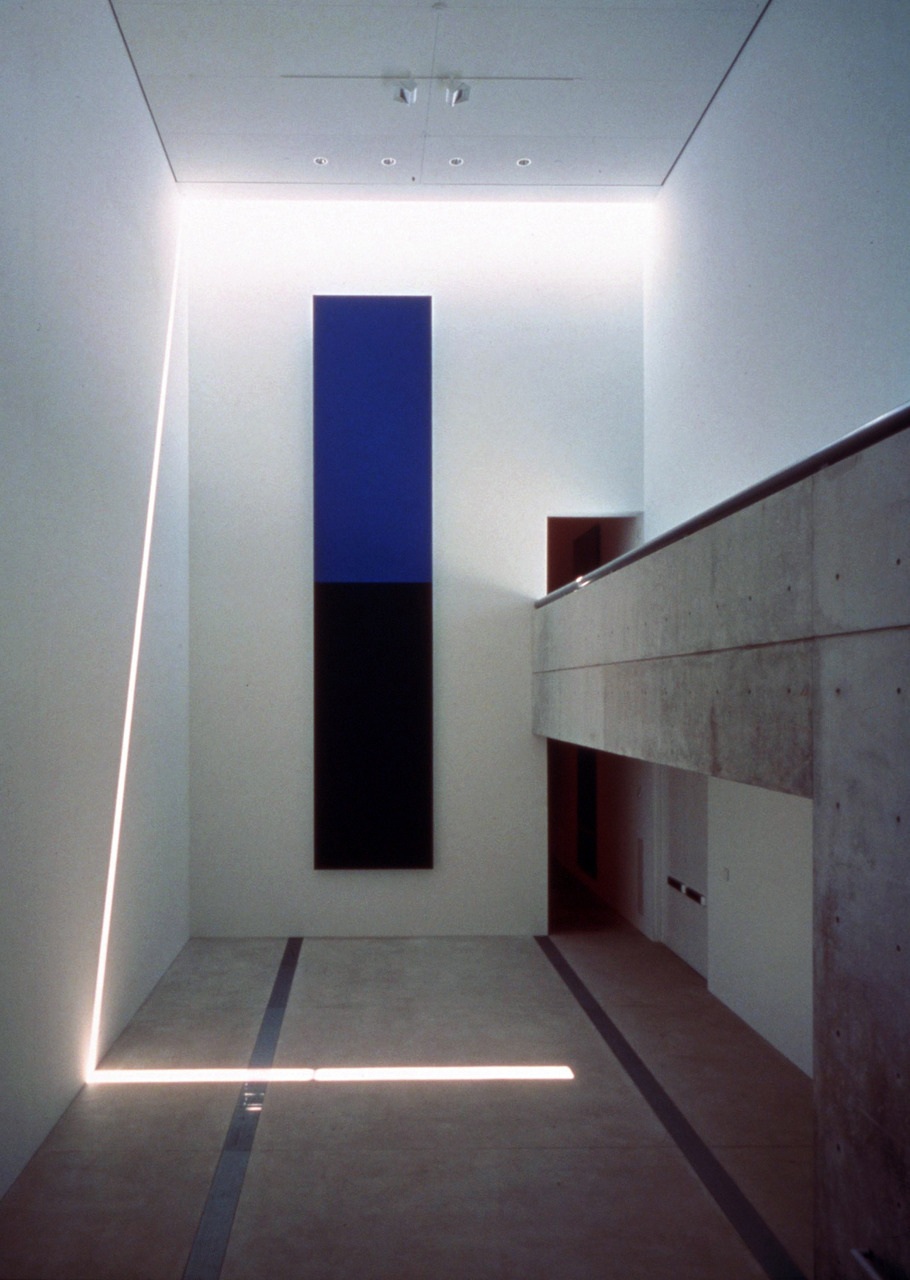
Pulitzer Prize Foundation Building by Tadao Ando
In Islamic architecture, the role of shadow has long been embedded in cultural and spiritual tradition. The courtyards of mosques, such as those in the Alhambra in Granada, are not just aesthetic decisions. They are designed to harness shadow as a form of environmental control and spiritual grounding. The latticework of mashrabiya screens, the arcades that encircle open-air plazas, the transition from light-soaked paths to cool, shaded prayer halls, all reveal a sophisticated understanding of how shadow can guide the body, orient the mind, and offer relief. The architecture does not rely on mass alone, but on the interplay of full and empty, seen and unseen.
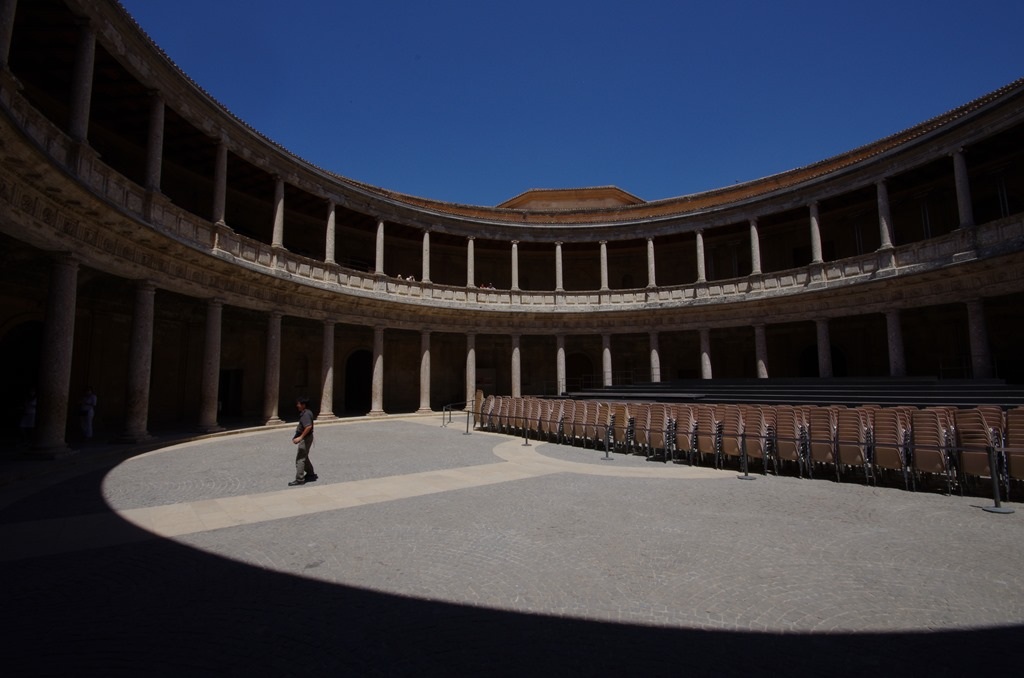
The Alhambra in Granada, Spain
Le Corbusier, for all his concrete and order, understood the expressive capacity of the void. At Ronchamp’s Chapel of Notre Dame du Haut, it is the sculptural negative spaces that truly define the structure. Thick white walls rise and curve unexpectedly, but it’s the carved-out openings that catch you off guard. Deep-set windows with irregular shapes puncture the walls like abstract pieces of stained glass. The shadows cast inside are soft, irregular and constantly shifting, giving the chapel an atmosphere that feels both ancient and weightless. Here, negative space isn't just an architectural element; it’s a theological one. The gaps become moments of suspension, where the spirit might enter.
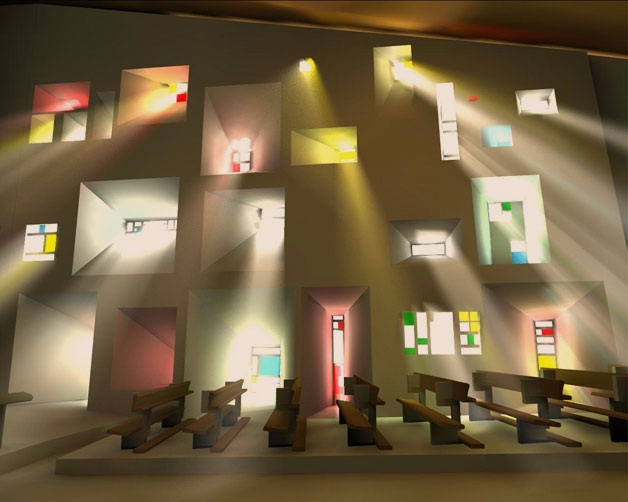
The Interplay of Light and Shadow in the Chapel of Notre Dame du Haut
Negative space is not only emotional but also practical. In tropical architecture, for instance, courtyards, breezeways and deep overhangs are strategies for cooling. But their effectiveness is amplified by the shadows they cast. Geoffrey Bawa’s architecture in Sri Lanka often merges interior and exterior in a way that makes it hard to say where one ends and the other begins. What makes this blurring possible are the shadows cast by trees, pergolas and massive tiled roofs extending far beyond walls. These spaces of “in between” offer more than shade, making the user sense changes in their environment. One moves from hot to cool, bright to dim, exposed to enclosed, all without closing a single door. The negative space becomes a thermal and experiential buffer.
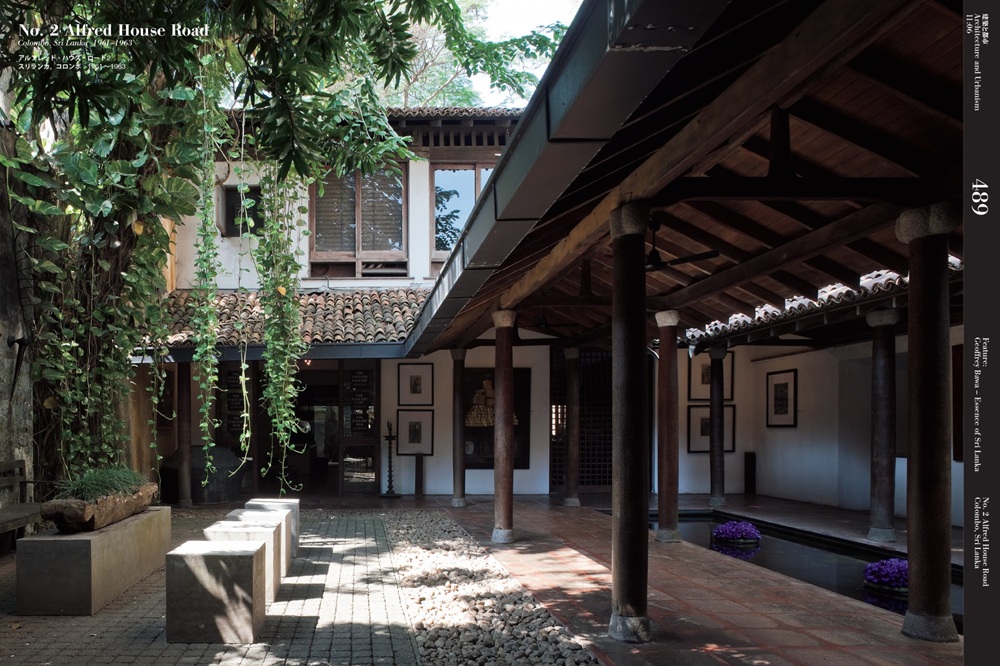
The Architecture of Geoffrey Bawa in Sri Lanka
In traditional Japanese homes, as described in Jun’ichirō Tanizaki’s, In Praise of Shadows, it’s not the objects but their placement that defines beauty. Alcoves called tokonoma display a single scroll or flower arrangement, not surrounded by a spotlight, but cradled in shadow. The dimness is intentional, as it asks for quiet attention. In these homes, the architecture is designed not to eliminate darkness, but to celebrate it. The negative space around the object becomes part of the object’s meaning. The architecture, in essence, teaches you how to look.
Even in monumental buildings, shadow becomes a compositional force. The Sydney Opera House by Jørn Utzon is remembered for its iconic white sails, but it is the dark negative spaces beneath them that make those forms soar. The contrast between light and shadow is what gives the roof its sculptural depth. As people pass beneath, their bodies are framed by vast, cavernous voids. The space beneath becomes as dramatic as the
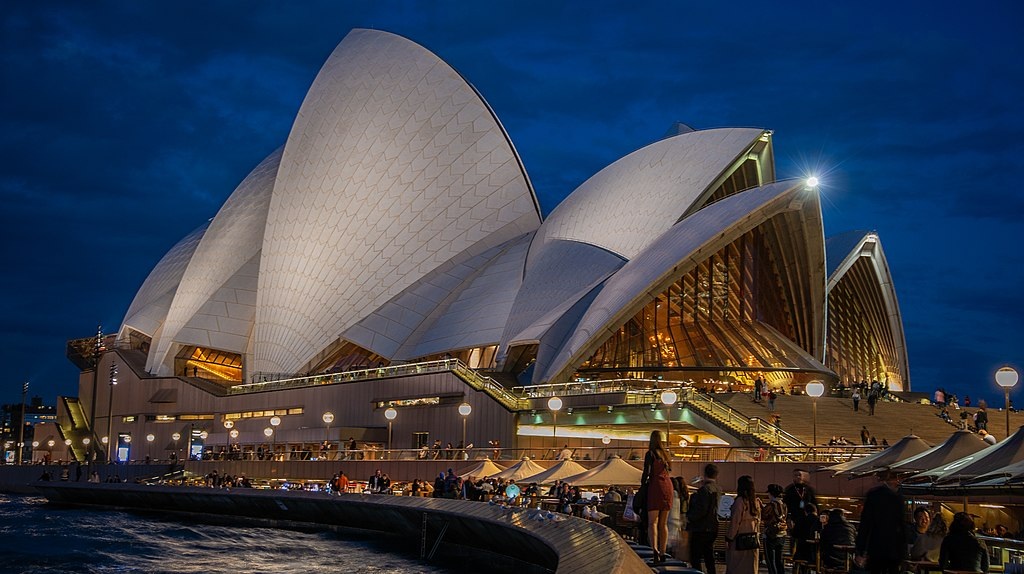
The Opera House viewed from the south west
structure above, even if it is rarely noticed as an active part or element of the design itself. In contemporary minimalism, where less is more, shadow becomes a language of emphasis. Architects like John Pawson and Vincent Van Duysen deliberately reduce the visible until the invisible begins to speak. Walls are painted the same tone as the floor, furniture disappears into the background, and the only contrast comes from the gradient of natural light across a surface. As the shadows move across these monotone surfaces, they give much-needed depth to the structures.
But the role of negative space and shadow isn't only about solemnity or reverence. Sometimes it can introduce playfulness, anticipation or curiosity. The Serpentine Pavilion by SANAA in 2009 was a transparent structure made of mirrored panels, but its presence was defined by how it manipulated light and shadow. Walking beneath it felt like walking under a shallow ripple of water. Shadows shifted and stretched as clouds moved overhead, turning a simple lawn into an ever-changing stage. Here, the negative space wasn't static but kinetic. It wasn't just for show but invited participation.
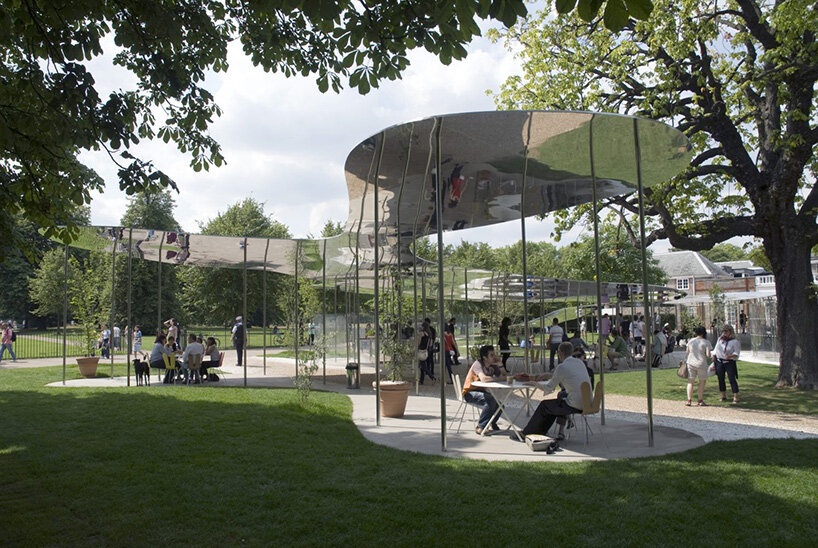
The Serpentine Pavilion by SANAA
To design with shadow is to design with time. Light changes, seasons shirt and people move. In this ever-changing matrix, shadow becomes a responsive tool that, if used correctly, can animate stillness and sharpen silence.
You may also like: