Written by: Saman Khalid
Posted on: February 23, 2026 |  | 中文
| 中文

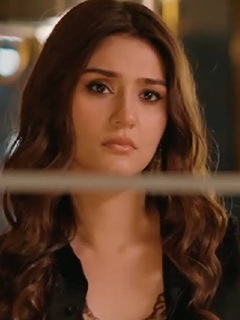
Kaisi Teri Khudgharzi, featuring Danish Taimoor and Durefishan Saleem, glorifies toxicity and abuse.
Cultural authenticity, emotional narratives and meticulous character arcs represent the three pillars of excellence Pakistani dramas are known for. However, beneath these commendable qualities, there is a dark abyss of cliches, recycled plotlines and cringe-inducing tropes that is slowly sucking the life out of our drama industry. This article will attempt to expose some of the most jaded elements that unfortunately show up in every drama sooner or later.
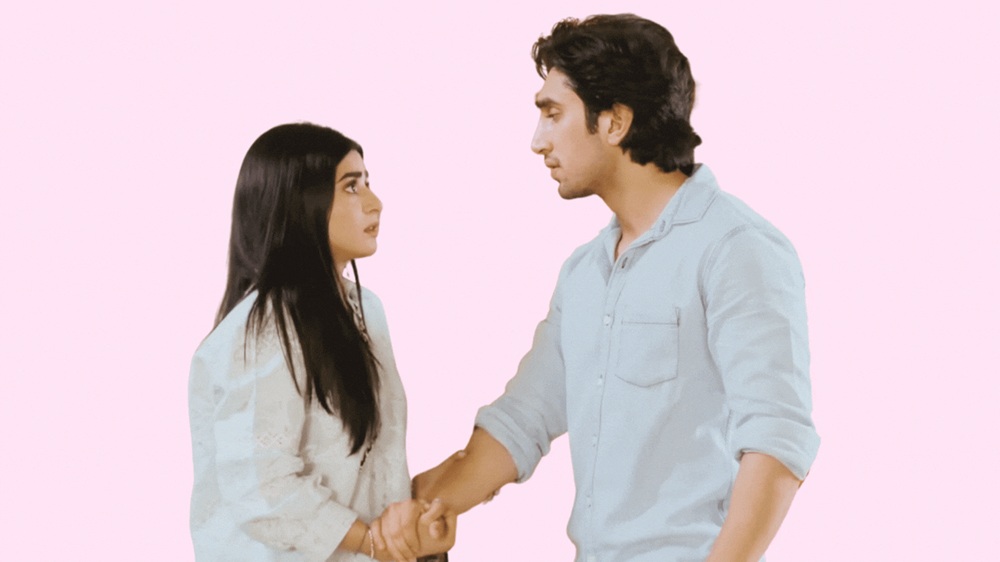
Sehar Khan and Hamza Sohail in Fairytale.

Man Mast Malang, featuring Danish Taimoor and Sehar Hashmi, presents a classic toxic hero and a heroine in distress.
Another glaring example of one-dimensional characterization that hasn't even spared the most popular of shows. The setup is classic; the so called "good girl" is meek, obedient and modest, never lets her dupatta fall off, and is impossibly tolerant of all kinds of abuse. The "bad girl" on the other hand is an independent woman with a modern style and a strong sense of self-esteem. She is vilified for the inexcusable crime of having a backbone and refusing to put up with toxicity masquerading as love. The drama "Iblees" currently airing on Geo TV is the most impeccable example of it.
We have all seen it; a slow-motion shot of the heroine plays while the hero loses his heart, sanity and principles in the matter of a few seconds. From this point on, his only purpose in life is to woo the female protagonist by any means necessary, despite knowing nothing about her. Personality, connection and compatibility are practically irrelevant. Good looks and background music are the only mandatory ingredients for this dumpster of a romance. Gentleman, Mujhe Pyar Hua Tha and Mai Manto Nahi Hun embody this narrative painstakingly well.

Hamayun Saeed and Sajal Ali in Gentleman.
The plot has thickened and tension is peaking; what next? The iconic heart attack of course. Just when the characters land in a high-stakes situation, the conflict is neatly resolved by giving the old patriarch a perfectly timed heart attack or stroke. This serves multiple purposes, from establishing forced motives to dodging accountability. It is predictable, boring and above all, lazy on the part of the writers.
Leave it to Pakistani dramas to ruin one of the most compelling romance tropes. Here's how it goes; two people with absolutely no real reason to dislike each other abruptly decide to become enemies. They bicker incessantly, pull childish pranks and engage in hollow banter in a sorry attempt to sell their deeply unconvincing hatred for the other. It strips the trope of everything that makes it work; slow-burn tension, impossible stakes and toe-curling conflict. Ramadan specials like Chaudry and Sons, Heer da Hero, Tere Mere Sapne and many others are the flagbearers of this horrendous cliche.
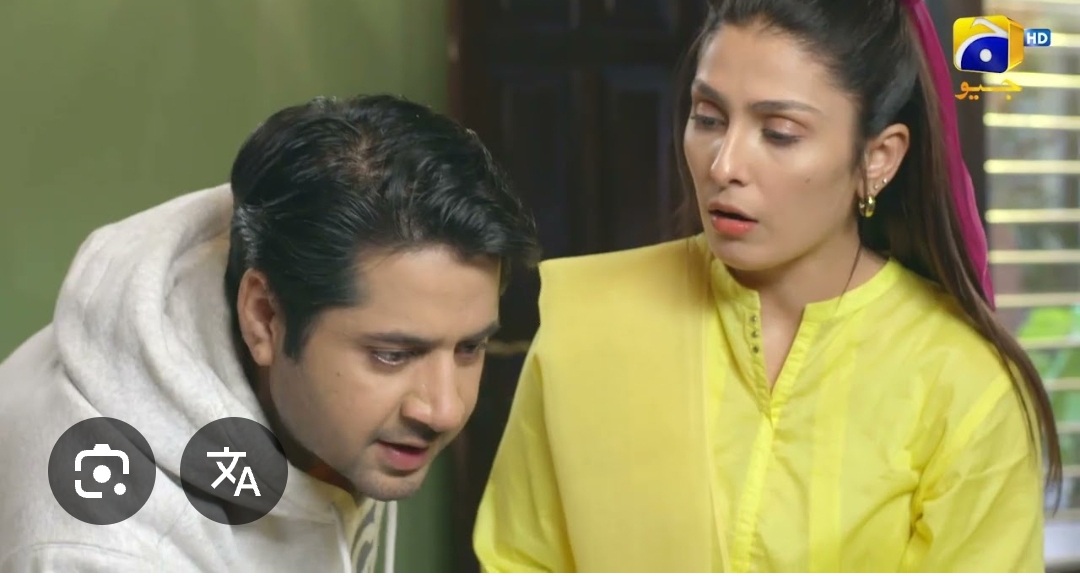
Imran Ashraf and Ayeza Khan in Chaudry and Sons.
It was cute the first few times but quickly transformed into a nonsensical caricature. An extremely over-the-top female protagonist who lives in a universe of her own without a care in the world. She is spontaneous to the point of stupidity, has one working brain cell, can't walk straight or stay quiet for more than two seconds. What makes these traits grating instead of wholesome is the fact that she has no depth or substance as a person. It's about time we let her go. Fairytale and Meem Se Mohobbat are two mainstream dramas that showcase the exact anatomy of this trope.
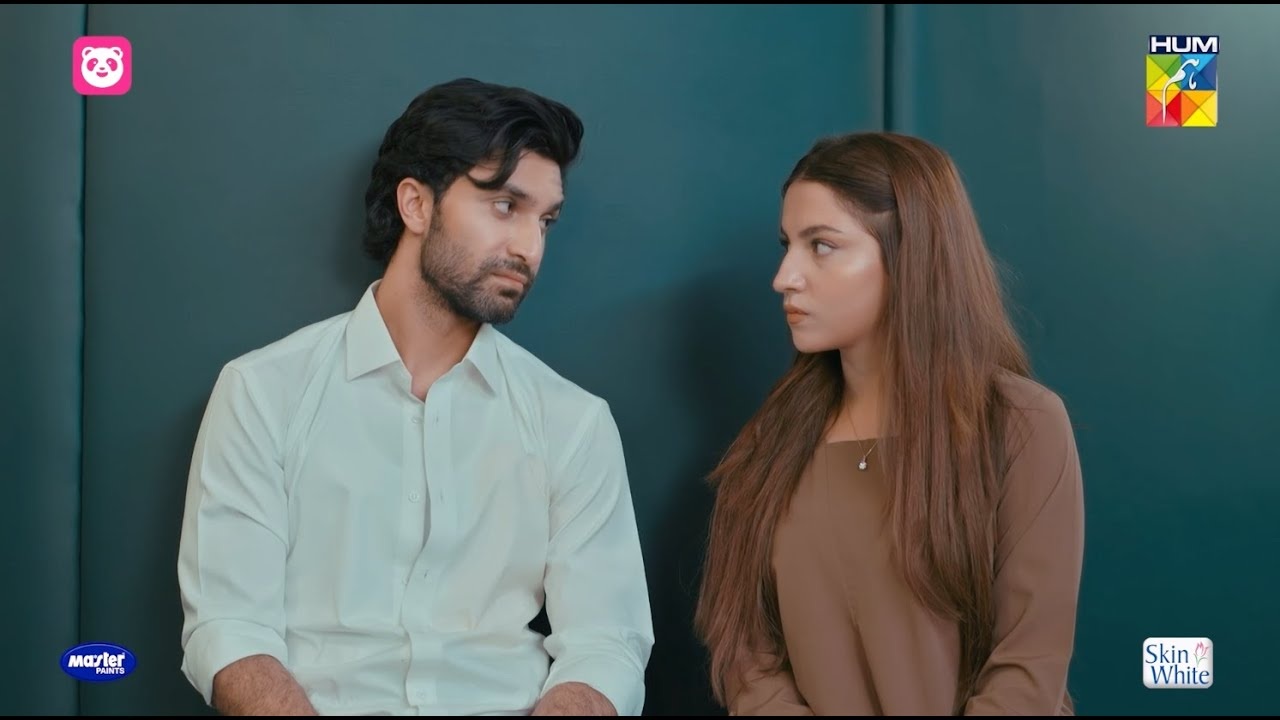
Dananeer Mobeen and Ahad Raza Mir in Meem Se Mohabbat.
These are only a few of the frustrating tropes we are endlessly assaulted with on our television screens. The Pakistani industry can, and has done much better, as evidenced by our classic masterpieces. The only question is whether we are willing to evolve, or stay stranded in the comfort zone of mediocrity.
You may also like:
From the Horn of Africa to Bahria Town: Habesha Café Brings Centuries of Coffee Culture to Rawalpindi
(October 15, 2026)