Written by: Anum Zaeem
Posted on: January 27, 2026 |  | 中文
| 中文
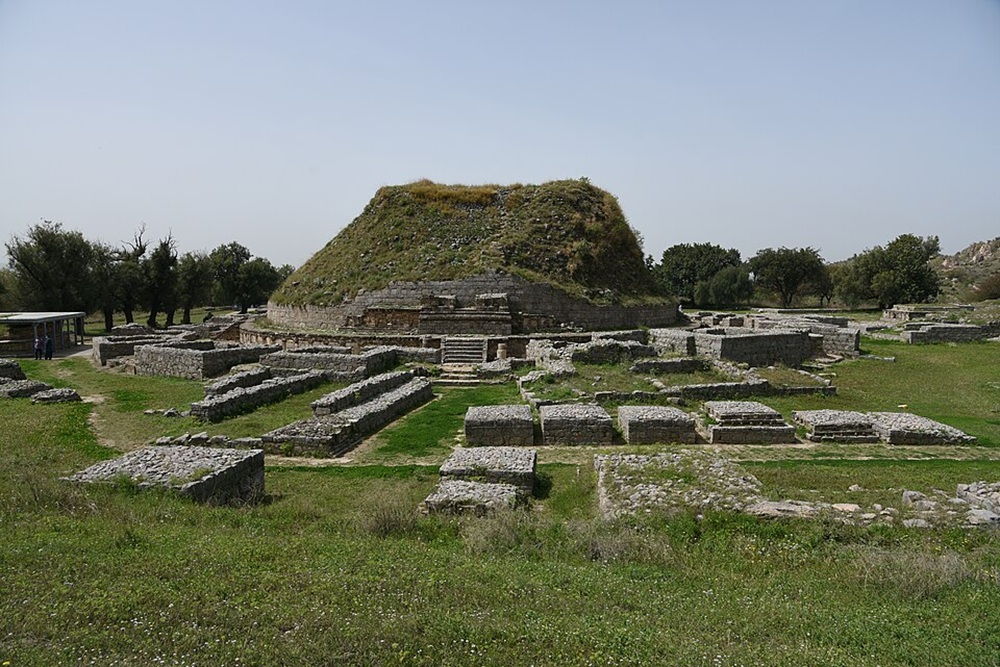
Dharmarajika Stupa and Monastery, Taxila
Located just 35 kilometers northwest of Islamabad, Taxila is one of Pakistan’s most extraordinary historical treasures. More than a simple archaeological site, Taxila is a gateway into a world that thrived over two millennia ago, a place where knowledge, art, religion and culture intersected. Today, it stands proudly as a UNESCO World Heritage Site, attracting travelers, historians and cultural explorers from around the globe.
For anyone seeking a destination that combines scenic beauty with deep historical significance, Taxila offers an enriching and unforgettable experience.
Taxila’s history stretches back to at least the 6th century BCE, making it one of the earliest known urban settlements in South Asia. It rose to prominence as a major center of education, trade and governance, strategically positioned along ancient trade routes that connected India, Central Asia and the Mediterranean world.
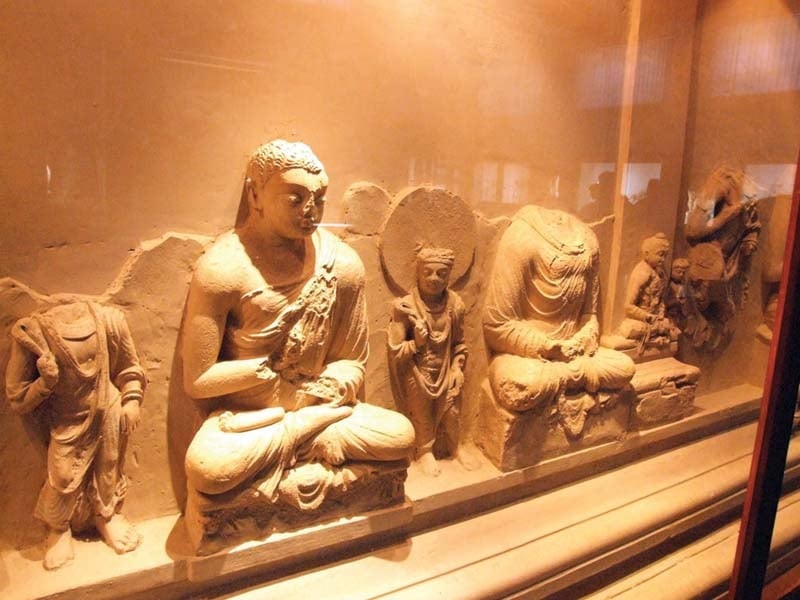
Taxila Museum
Often described as the world’s first university city, Taxila welcomed students from far-off regions to study subjects such as medicine, philosophy, mathematics, law and religious studies. Unlike modern universities, learning here took place in monasteries and private schools under renowned scholars.
Taxila flourished under several powerful empires, including the Achaemenid Persians, Mauryan dynasty, Indo-Greek rulers, Scythians, Parthians and Kushan Empire. Each civilization left its mark, contributing to the city’s layered identity. The region also witnessed the arrival of Alexander the Great in 326 BCE, a moment that further blended Greek and South Asian influences. Under Emperor Ashoka, Taxila became a major center for Buddhism, spreading spiritual teachings across Asia.
The architectural remains of Taxila are spread across multiple sites, each offering a glimpse into different eras of its development. Walking through these ruins feels like stepping into a carefully preserved chapter of ancient history.
Sirkap, one of the most fascinating sites, showcases Hellenistic city planning, featuring straight streets, drainage systems and stone foundations. The city’s layout reflects Greek influence, while its religious structures, including Buddhist stupas and Hindu temples, highlight cultural coexistence.

Harpocrates, Late Hellenistic, Sirkap
Perched on a hilltop, Jaulian Monastery is among the best-preserved Buddhist complexes in the region. Its elegant stupas, meditation cells and courtyards offer both architectural beauty and spiritual serenity. The panoramic views from Jaulian make it a favorite spot for photographers and visitors seeking peaceful reflection.
Another significant site is the Dharmarajika Stupa, believed to have been built to house sacred relics of Buddha. Once surrounded by smaller monasteries and chapels, it remains a powerful symbol of Taxila’s religious importance.
Together, these sites reveal the brilliance of Gandhara architecture, where Greek symmetry, Persian detail, and South Asian craftsmanship come together in perfect harmony.
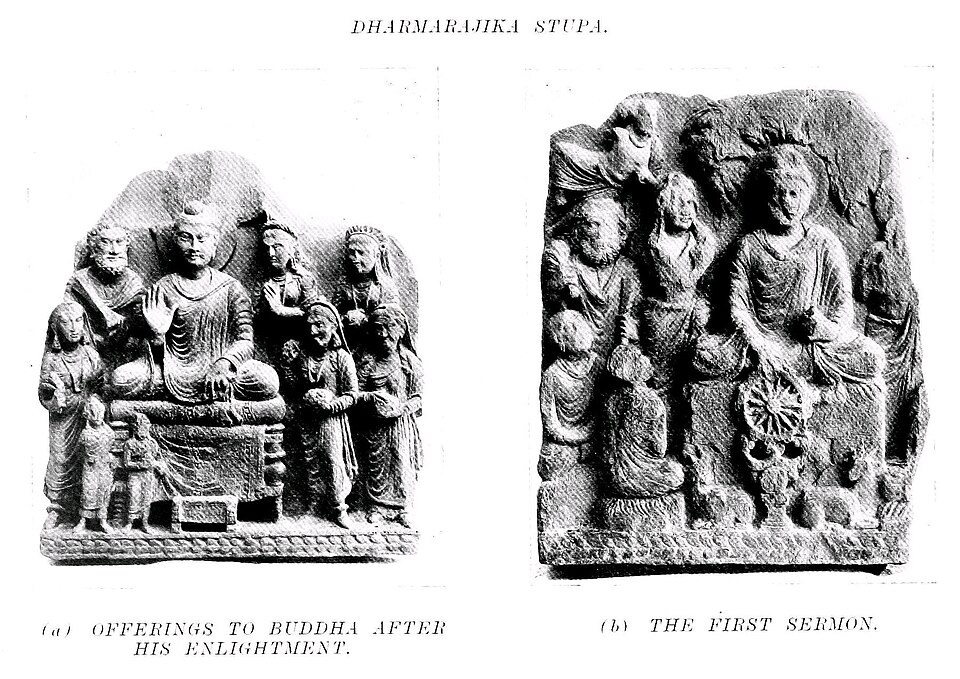
Sculptures from the Dharmarajika Stupa
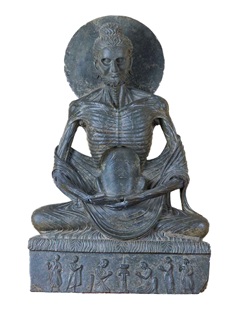
One of Taxila’s greatest legacies is its contribution to Gandhara art, a unique artistic tradition that redefined Buddhist sculpture. For the first time in history, Buddha was depicted in human form, inspired by Greek artistic ideals.
The statues feature realistic facial expressions, wavy hair, flowing robes and intricate detailing, reflecting a fusion of classical Greek realism with Buddhist symbolism. These masterpieces highlight the cultural exchange that once flourished in this region.
The Taxila Museum is a must-visit destination, housing an impressive collection of sculptures, coins, inscriptions, jewelry, and tools discovered from nearby excavations. Each exhibit tells a story of daily life, religious devotion and artistic excellence, making the museum an essential stop for anyone seeking to understand Taxila’s historical significance fully.
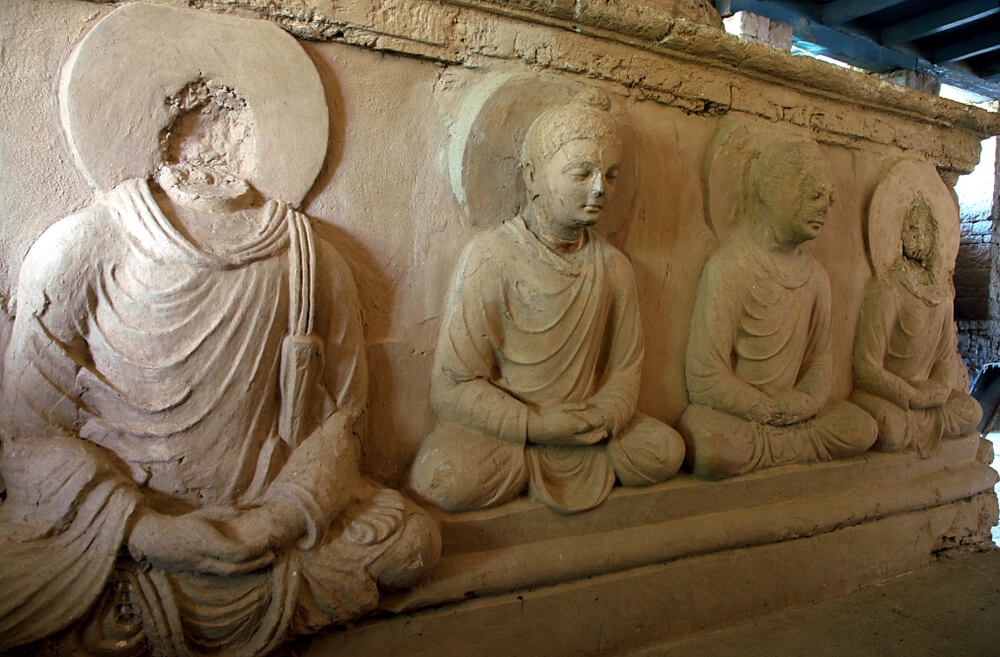
Jaulian Buddhist Monastery
Beyond its archaeological value, Taxila is an ideal destination for heritage tourism. Its proximity to Islamabad and Rawalpindi makes it perfect for a day trip or weekend getaway. The surrounding landscape, rolling hills, open skies and quiet ruins create a calm and immersive atmosphere rarely found at crowded tourist spots.
Visitors can enjoy guided tours, educational walks, photography excursions, and peaceful exploration. The area also offers local eateries and traditional markets, allowing travelers to experience regional flavors and hospitality.
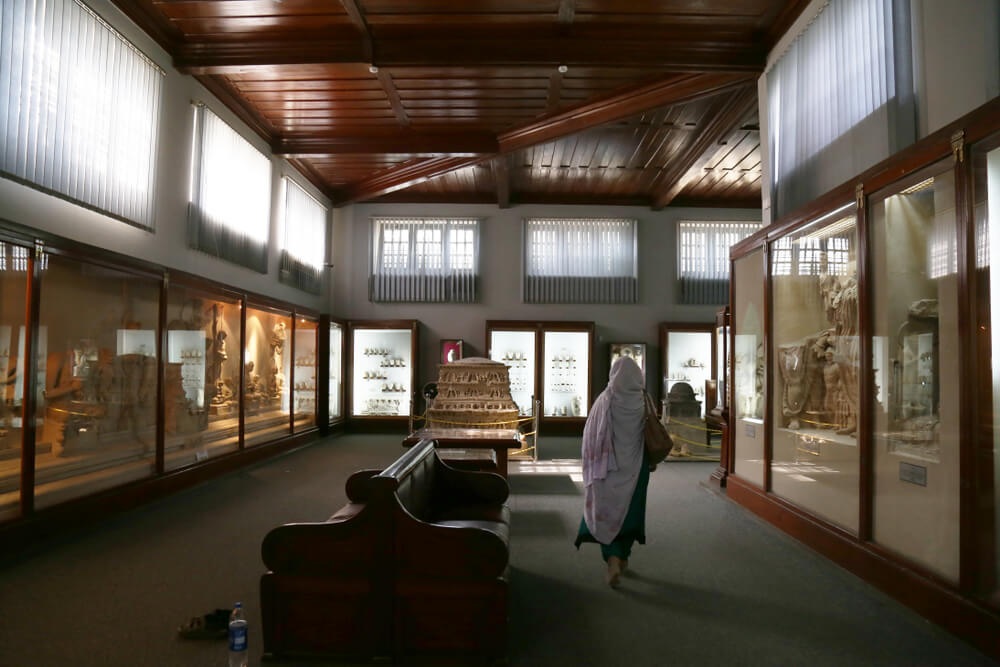
Inside Taxila Museum
Taxila is more than an ancient city; it is a symbol of intellectual freedom, cultural diversity and artistic brilliance. Few places in the world offer such a rich blend of civilizations within one destination. Every stone, sculpture, and pathway carries echoes of scholars, monks, traders, and rulers who once shaped the course of history.
The best time to visit Taxila is from October to March, when the weather is cool, dry and ideal for exploring outdoor archaeological sites. During these months, temperatures remain pleasant, allowing visitors to comfortably walk through ancient ruins, monasteries and museums without the intense heat.
Winter (December to February) is particularly favorable for sightseeing. The mild daytime temperatures and clear skies make it perfect for history lovers, photographers and cultural travelers. This season enhances the experience of visiting landmarks such as Sirkap, Jaulian Monastery, and the Taxila Museum.
Spring (February to March) is another excellent period to visit Taxila. The surrounding hills turn lush and green, and the natural beauty adds charm to the ancient landscape, making it an attractive time for tourists and nature enthusiasts.
Travelers are advised to avoid visiting during peak summer (May to August), as temperatures can become extremely high, making outdoor exploration uncomfortable. The monsoon season (July to September) brings occasional rainfall, which may restrict access to some open-air ruins. For the best experience, plan your visit early in the morning or late afternoon, especially during warmer months, to enjoy cooler temperatures and softer light for photography.
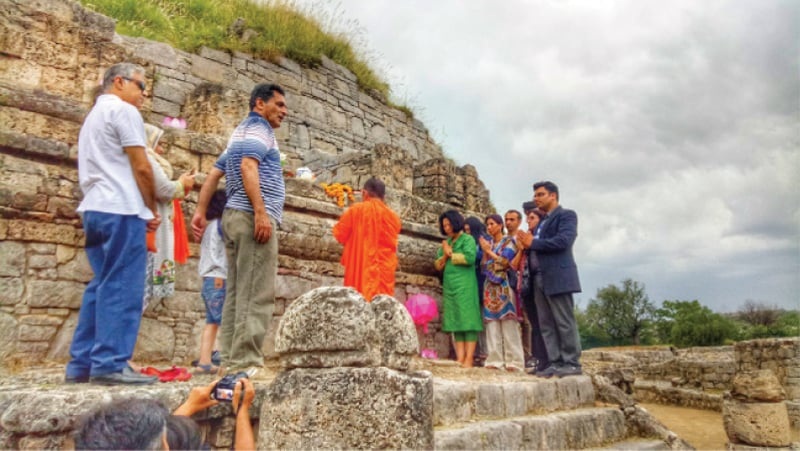
Participants perform rituals at the 3rd century BC Dharmarajika Stupa near Taxila in connection with Vesak Day. (Picture credits to Dawn)
A visit to Taxila is not just about sightseeing; it is about reconnecting with humanity’s shared past. As you walk through its ancient streets and monasteries, you don’t just observe history; you experience it. For travelers exploring Pakistan’s cultural heritage, Taxila stands as a timeless destination where history breathes, art speaks and knowledge lives on.
You may also like: