Written by: Zainab Naseem Sheikh
Posted on: January 8, 2026 |  | 中文
| 中文

A beautiful view of the Charan Valley
Travel in northern Pakistan often follows familiar names. Shogran, Siri Paye, Makra Peak. But just beyond these well known stops lies a quieter trail that many local trekkers talk about in passing. The Charan hike is one of those routes. It does not come with signboards or commercial camps, yet it offers some of the most peaceful walking paths in Kaghan Valley.
Located near Shogran in Khyber Pakhtunkhwa, the Charan Valley or Charan Gali hike begins where the crowds usually turn back. It is a lesser known extension of the landscape that surrounds Siri Paye and the base trails of Makra Peak. Locals and experienced hikers often refer to it simply as the Charan hike.

A view of the Makra Peak
The journey begins from Shogran, which itself sits above Balakot and is reached via a steep road from Kiwai. From Shogran, most travelers head toward Siri Paye by jeep. This same route opens up possibilities for hikers who want to explore further on foot.
After Siri Paye, the terrain slowly changes. Wide grassy meadows begin to thin out, replaced by forest paths and open ridges. There is no single marked trail for Charan, which is why many people prefer going with a local guide or someone familiar with the area. The hike gently leads toward Charan Valley or Charan Gali, an area known for its open slopes, alpine grass, and uninterrupted views of the surrounding peaks.

A view of the top from distance
The Charan hike is not about rushing toward a summit. It is a slow and rewarding walk through pine forests, sloping meadows, and quiet ridgelines. The trail is moderate in difficulty and suitable for people with basic hiking experience. Along the way, the sound of wind through trees replaces the noise of engines and crowds.
In summer, the area is lush and green, with wildflowers scattered across the meadows. Cattle grazing in the distance and shepherds passing by add to the sense that this land is still lived in, not just visited. As the trail rises, views of Makra Peak become clearer, standing tall and often capped with snow even when the valleys below are warm.
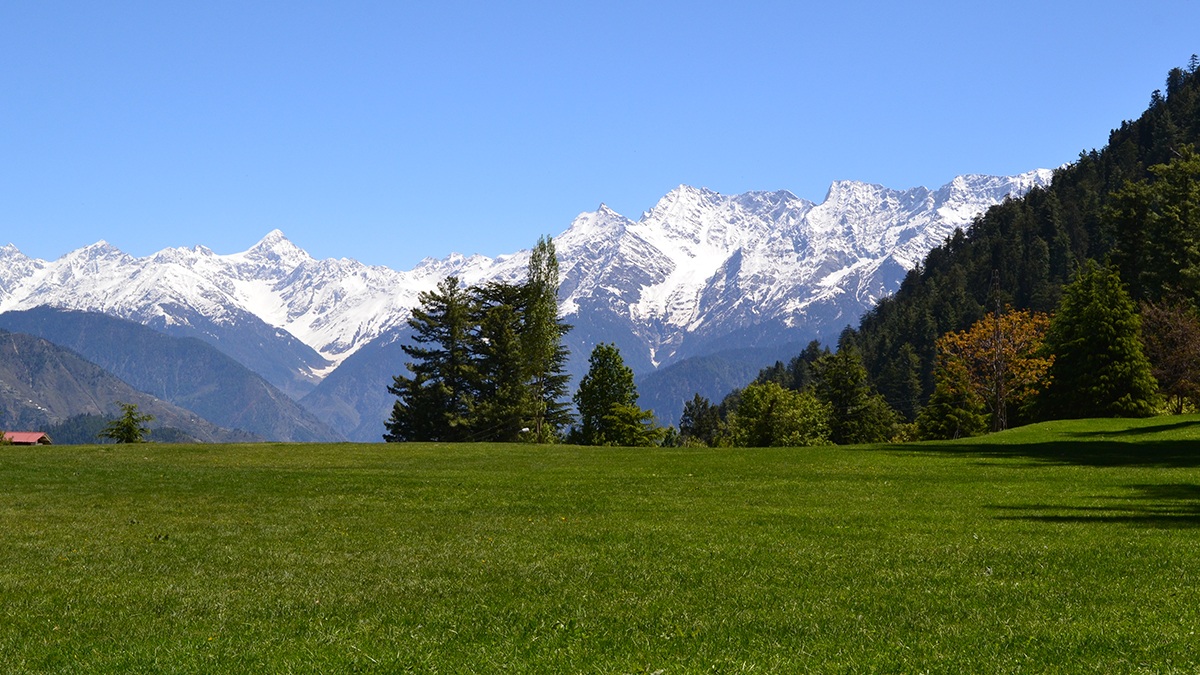
Charan Valley
What makes Charan special is its simplicity. There are no permanent hotels or food stalls once you move past the popular jeep points. Most hikers carry their own food and water, stopping wherever the view feels right. This absence of development keeps the trail peaceful and unspoiled. Unlike more commercial hiking spots, Charan does not feel curated. The landscape feels raw and unchanged, as if it exists quietly regardless of who visits. This makes it especially appealing to local hikers who want solitude and a deeper connection with nature.
The best time for the Charan hike is from late May to early October. During these months, the paths are clear of snow and the weather is stable. Monsoon rains can make the trail slippery, so it is best to check local conditions before planning the hike. Early mornings are ideal. Clouds often gather later in the day, and starting early allows hikers to enjoy clearer views and cooler temperatures.

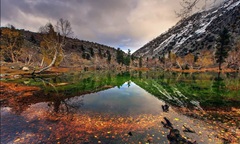
A lake in the Charan Gali
Because the trail is not commercial, preparation is important. Comfortable hiking shoes, warm layers, food, and enough water are essential. Hiring a local guide from Shogran or Siri Paye is highly recommended, especially for first time visitors. Local guides not only help with navigation but also share stories about the land and its seasonal rhythms.
It is also important to respect the environment. Carry all waste back, avoid disturbing grazing animals, and keep noise to a minimum. Charan remains special because it has been treated gently by those who visit.
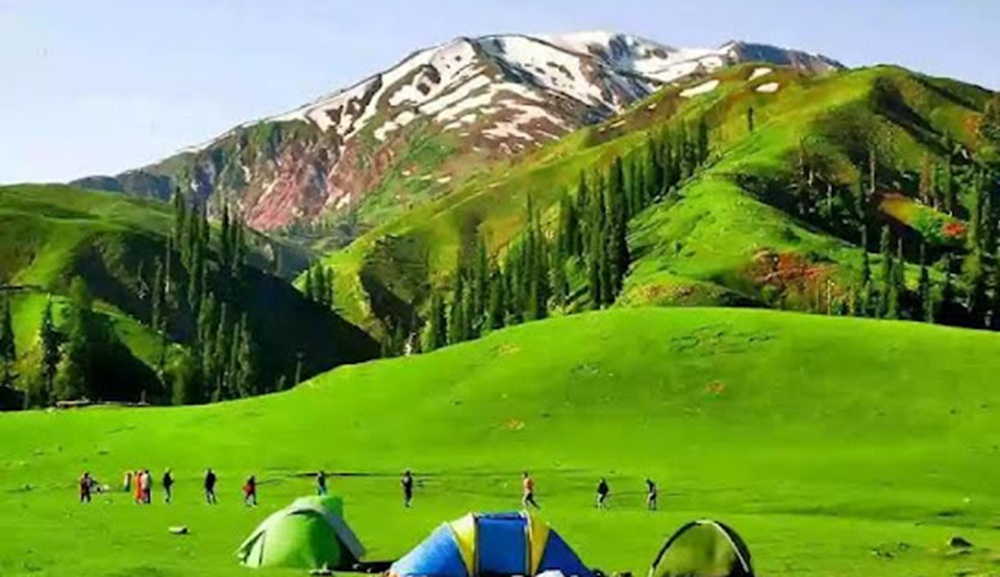
Siri Pae meadows
The Charan hike may not be famous, but that is exactly its strength. It offers a chance to walk through northern Pakistan without the distractions of crowds or commerce. For those willing to step slightly off the main route, Charan Valley reveals wide skies, soft trails, and a calm that stays with you long after the hike ends.
You may also like:
From the Horn of Africa to Bahria Town: Habesha Café Brings Centuries of Coffee Culture to Rawalpindi
(October 15, 2026)