Written by: Ayesha Shoukat
Posted on: July 23, 2025 |  | 中文
| 中文
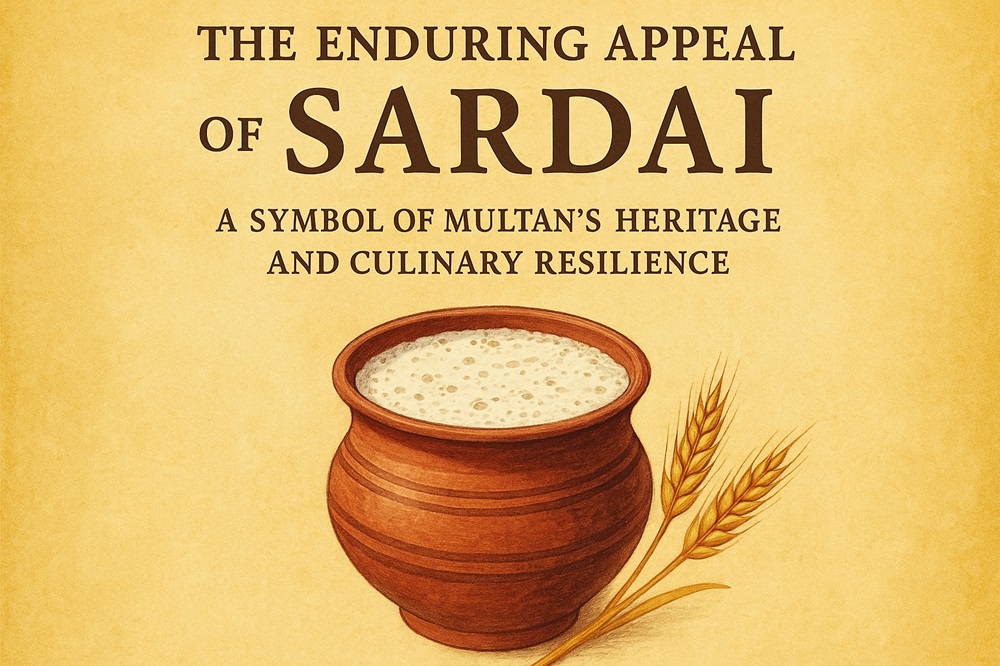
Sardai, a symbol of Multan's heritage and culinary resilience.
Sardai, a beloved traditional drink from Multan, is an important part of the cultural and culinary legacy of southern Punjab. With deep roots in age-old traditions, this refreshing beverage is not just a way to quench thirst, it represents hospitality, health and local identity. Typically made during the hot summer months, sardai provides cool relief from the intense heat that characterizes the region's climate. Made from a mix of simple yet effective ingredients, sardai is celebrated for its natural cooling effects, making it a must-have in Multani homes, especially during Ramadan, family get-togethers and festive occasions.
The main ingredients of sardai consist of poppy seeds (khashkhash), almonds, black pepper, fennel seeds (saunf), cardamom, melon seeds (maghaz), and sometimes dry coconut—all soaked and ground into a fine paste. This rich mixture is then blended with milk and water, occasionally sweetened with sugar or jaggery. Each ingredient not only adds to the flavor but also enhances the drink's health benefits. Poppy seeds are known for their soothing and cooling properties, fennel helps with digestion, and almonds offer energy and nourishment. The addition of cardamom and black pepper provides warmth and balance, while melon seeds and coconut contribute to a creamy, luxurious feel.
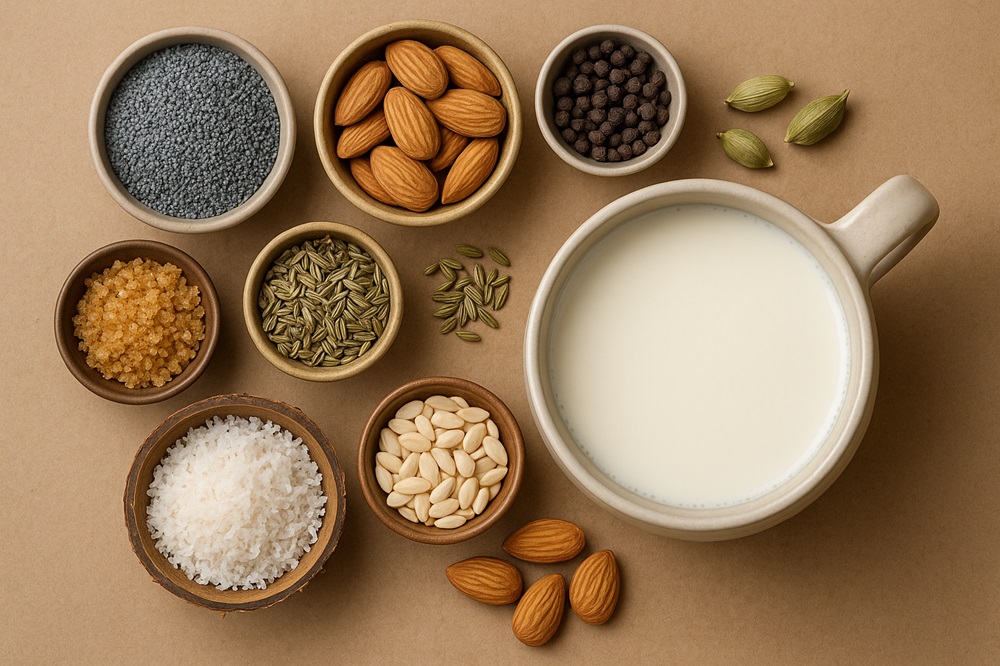
A symphony of seeds, nuts, and spices, carefully soaked and ground for a drink that nourishes and cools.
Making sardai is a careful process often passed down through generations. Traditionally, the ingredients are soaked overnight to soften them and improve their bioavailability. Early the next morning, they are ground into a smooth paste using a sil-batta or stone grinder, ensuring that the essence of each ingredient is preserved. The paste is then combined with chilled milk and water and strained through a muslin cloth to eliminate any residue, resulting in a smooth, velvety drink. The final product is typically served cold, sometimes over crushed ice, in earthenware cups or glasses that add an earthy scent and enhance the overall sensory experience.
In Multani culture, sardai isn’t just enjoyed for its flavor or cooling properties; it’s a vital part of social customs and hospitality. Offering sardai to guests in the summer is seen as a sign of warmth and generosity. It is also thought to be a natural remedy for heatstroke, dehydration and fatigue, providing a gentle yet effective solution in the sweltering summer heat. Street vendors, particularly during Ramzan, set up stalls adorned with colorful banners and large clay pots filled with sardai, drawing in people from all backgrounds. It becomes a communal drink, uniting people to share stories and find relief from the sun’s rays under the shade of a banyan tree or a lively roadside stall.
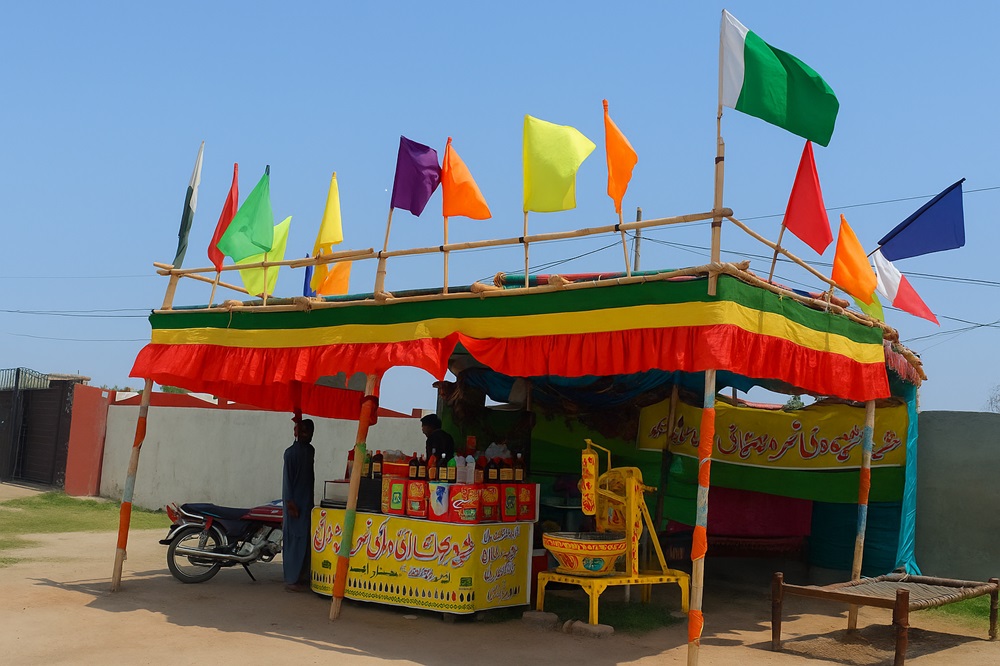
A vibrant roadside Sardai stall in Multan, decorated with colorful flags and traditional banners, offering a refreshing taste of cultural heritage.
What sets sardai apart is its unique blend of tradition and nutritional wisdom. Even though it’s simple, it embodies a deep understanding of Ayurveda and Unani medicine. In these practices, the ingredients in sardai are believed to soothe the pitta dosha or body heat, helping to maintain internal balance. This combination of culture, nutrition and tradition highlights the wisdom of indigenous food systems in Pakistan that have stood the test of time. In a world where processed energy drinks and bottled coolers are prevalent, sardai shines as a wholesome alternative grounded in nature and community.
The drink’s visual charm is also noteworthy—its creamy off-white color with a light froth on top is both appealing and nostalgic. Sometimes topped with crushed nuts or rose petals, it becomes a treat for the eyes as well as the taste buds. The flavor is a delicate mix of nutty richness, subtle spices and floral sweetness that lingers long after the last sip. This multi-sensory experience elevates sardai beyond just a drink, it becomes a memory, a tradition and a healing ritual.
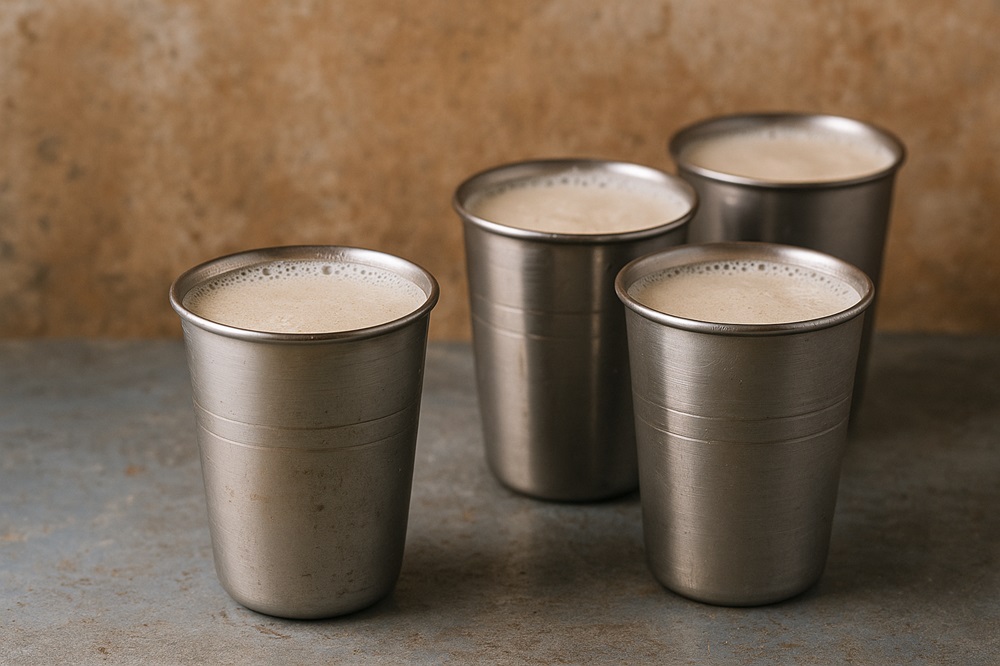
Chilled and creamy Sardai, a nourishing summer delight rooted in Multan’s rich culinary heritage.
In recent years, local chefs, home-based entrepreneurs and cultural activists have been working hard to preserve sardai and promote it beyond Multan. Thanks to social media and culinary tourism, this humble drink has gained a fresh identity, allowing younger generations to rediscover it as they seek natural and ancestral wellness practices. Efforts to document traditional recipes and revive artisanal preparation methods are ensuring that sardai remains part of today’s culinary conversation. For those in the diaspora and heritage enthusiasts, sardai is a warm reminder of home, evoking memories of sunny afternoons, family gatherings and cultural pride.
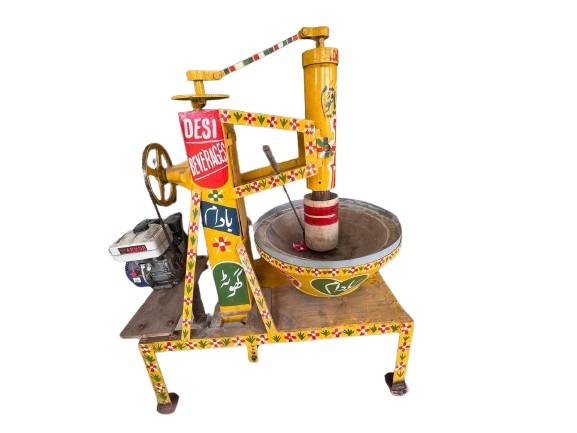
Traditional Sardai Machine, used to grind and blend ingredients into a smooth paste for making the refreshing desi summer drink, Sardai.
Sardai, therefore, isn’t just a traditional drink, it’s a vibrant part of Multan’s cultural heritage and a symbol of its people’s resilience. Its lasting appeal reflects a growing desire to reconnect with indigenous knowledge, sustainable practices and meaningful culinary experiences. Each sip of sardai captures the essence of Multan: colorful, nurturing and deeply rooted in cherished traditions.
You may also like:
From the Horn of Africa to Bahria Town: Habesha Café Brings Centuries of Coffee Culture to Rawalpindi
(October 15, 2026)