Written by: Shiraz Aslam
Posted on: August 26, 2025 | 
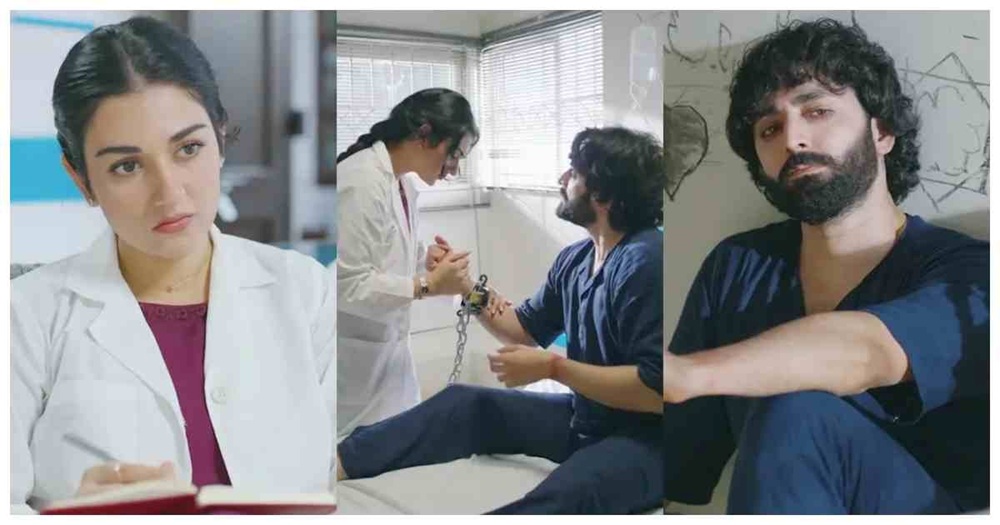
Dr. Fajar (Sahar Khan) treats Sher (Danish Taimoor) at a psychiatric facility
2025 has been an odd year for Danish Taimoor as he once again finds himself in the spotlight. If you’ve been keeping up with drama serials or spent enough time scrolling through social media, chances are you’ve come across his character Sher in the ARY show of the same name.
Sher boasts a gripping storyline filled with twists and turns, elevated by a star-studded cast that includes veterans like Atiqa Odho and Nabeel Zafar. It weaves together themes of love, revenge, and long-standing family feuds. However, despite its dramatic appeal, the show has raised eyebrows for its troubling portrayal of psychological illnesses. Instead of presenting a nuanced and informed depiction, Sher falls back on outdated stereotypes that not only perpetuate negative perceptions but also undermine meaningful conversations about mental health in Pakistan.
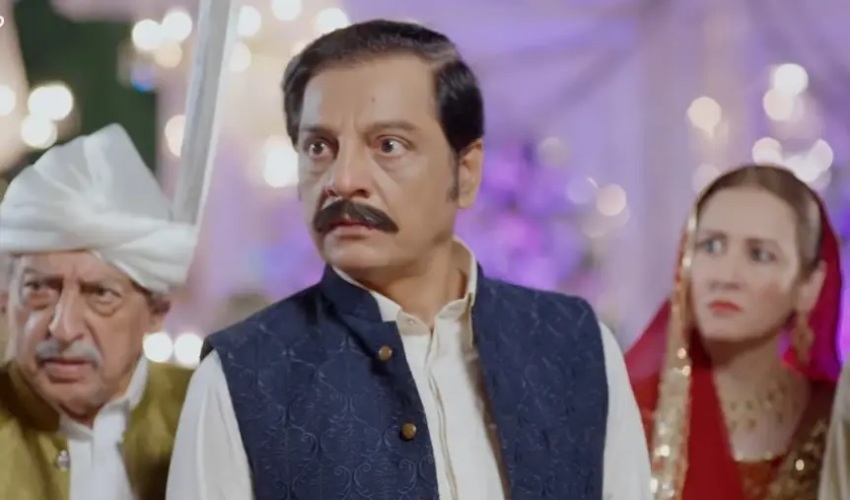
Salman Shahid, Nabeel Zafar and Arjumand Rahim in Sher
After the death of his father, Sher finds himself confined to a psychiatric hospital, falsely declared mentally unstable through the manipulative schemes of his greedy relatives, who attempt to treat him with heavy medication. The portrayal of the facility, however, delivers only a partial and stereotypical view of mental illness, relying on misinformed and exaggerated depictions rather than authentic representation.

Danish Taimoor and Yousuf Bashir Qureshi
At the facility, Sher is portrayed as inexplicably aggressive, embodying an exaggerated “madman” stereotype that represents only a narrow and extreme fraction of real psychiatric cases. Very few mental health conditions manifest in such relentless hostility without clear cause. The depiction is further undermined using outdated and unethical practices, such as chaining, physical restraints and electroconvulsive punishment, practices that have long been abandoned in modern psychiatric care. The shackles make him look like these scenes not only misrepresent current mental health treatment but also reinforce harmful myths that continue to fuel stigma in society.
For reasons that defy logic, the psych ward room is adorned with stock photo–style framed diagrams of brains, a questionable design choice that does little more than remind patients of their supposed “mental limitations” at every glance. Adding to the peculiarity is Sher’s wall of scribbles, littered with melodramatic phrases like “Kill me” and “Shut up, I am sad.” Such imagery feels more like a parody of psychiatric care than a thoughtful depiction, falling several rungs below the nuanced, research-driven portrayals that streaming audiences have grown accustomed to on platforms like Netflix.
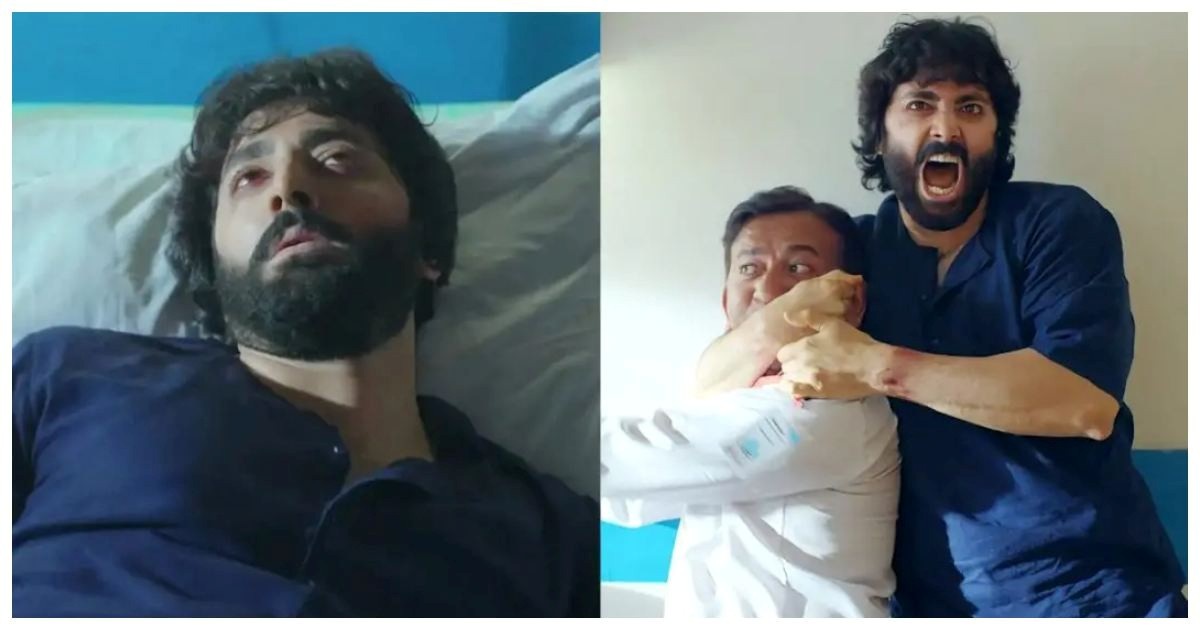
Sher is shown being aggressive and violent at the psychiatric facility.
However, Sher is not without its redeeming moments. Dr. Fajar (Sarah Khan) is portrayed as deeply caring, considerate and genuinely invested in her patients’ well-being. She consistently models compassion, guiding her staff to adopt the same patient-centered approach. Her character embodies a more progressive and empathetic perspective on psychological illnesses. If embraced more widely in media and society, it could play a significant role in reshaping public attitudes toward mental health.
Unfortunately, the drama undermines Dr. Fajar’s otherwise strong characterization by weaving in a romantic subplot between her and Sher. This reinforces a tired stereotype of patients developing romantic feelings for their therapists or doctors. The brewing relationship is a blatant disregard towards the professional boundaries that healthcare providers are ethically bound to maintain. Such portrayals risk normalizing inappropriate relationships, blurring the lines between care and personal involvement, and sending the wrong message about the sanctity of doctor–patient boundaries.

Sher and Dr. Fajar’s relationship is caught in the crossfire of a family feud.
The media is a powerful tool for education, and when blended with entertainment, it can deliver messages that resonate across entire populations. However, when such portrayals are based on misunderstood notions, the impact can be just as far-reaching. ARY’s recent drama Parwarish is a prime example of how this influence can be harnessed positively. Its storyline explores the evolving dynamics between parents and children, Generation Z’s approach to relationships, and the complexities of teenage behavior. The drama struck a chord with viewers and marked a refreshing departure from the formulaic plots that have long dominated the entertainment industry.

Sarah Khan in Sher
Mental illnesses remain a sensitive yet deeply misunderstood subject. The media industry holds the power to challenge these misconceptions by offering nuanced perspectives supported by powerful storytelling, thoughtful messaging, and compelling performances. When done responsibly, such portrayals can spark empathy, educate audiences, and contribute to dismantling the stigma that continues to surround mental health.
You may also like: