Written by: Shiraz Aslam
Posted on: September 29, 2025 |  | 中文
| 中文
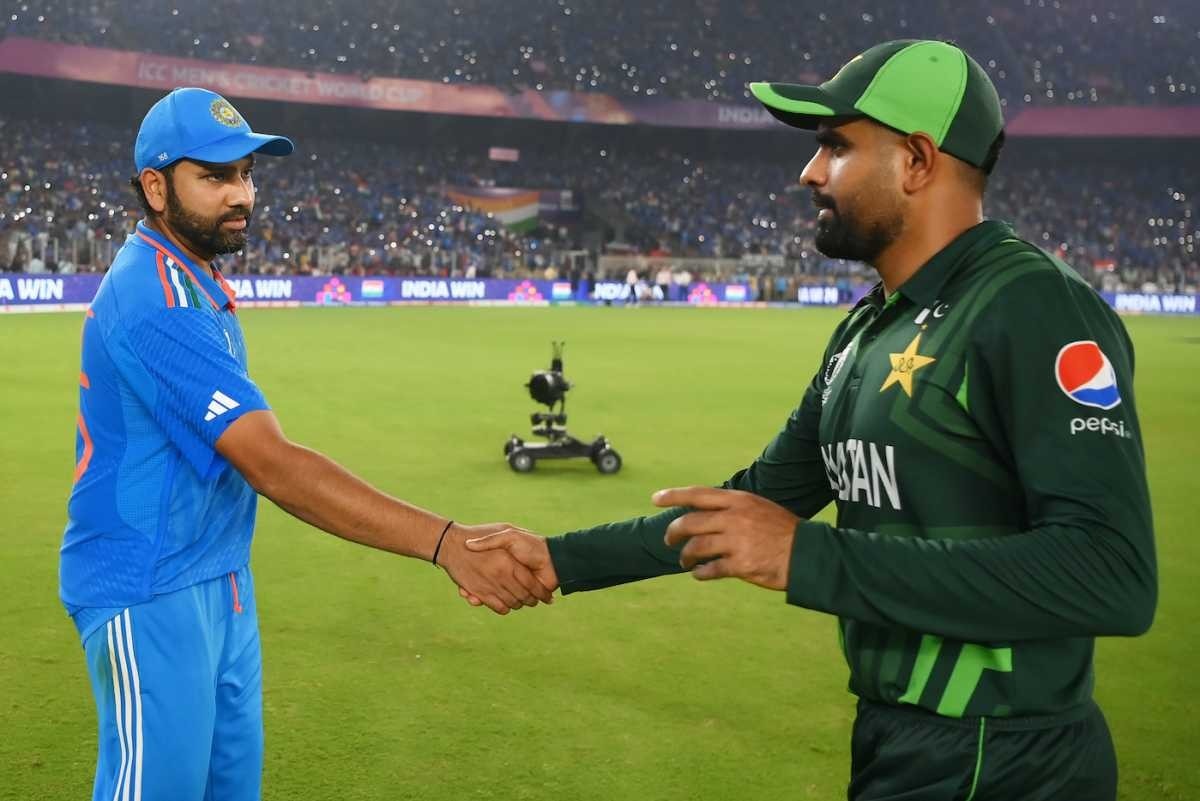
Babar Azam and Rohit Sharma shaking hands during the 2023 ODI World Cup.
When it comes to cricket games, it doesn’t get much bigger than Pakistan vs. India. Far more than a game of bat and ball, it is a battle steeped with history, politics and raw emotion. For decades, the pitch has served as neutral ground, a rare global stage where two uneasy neighbors with a fraught past set aside diplomacy and politics, at least until recent times, to compete in the one arena that has historically united them: cricket.
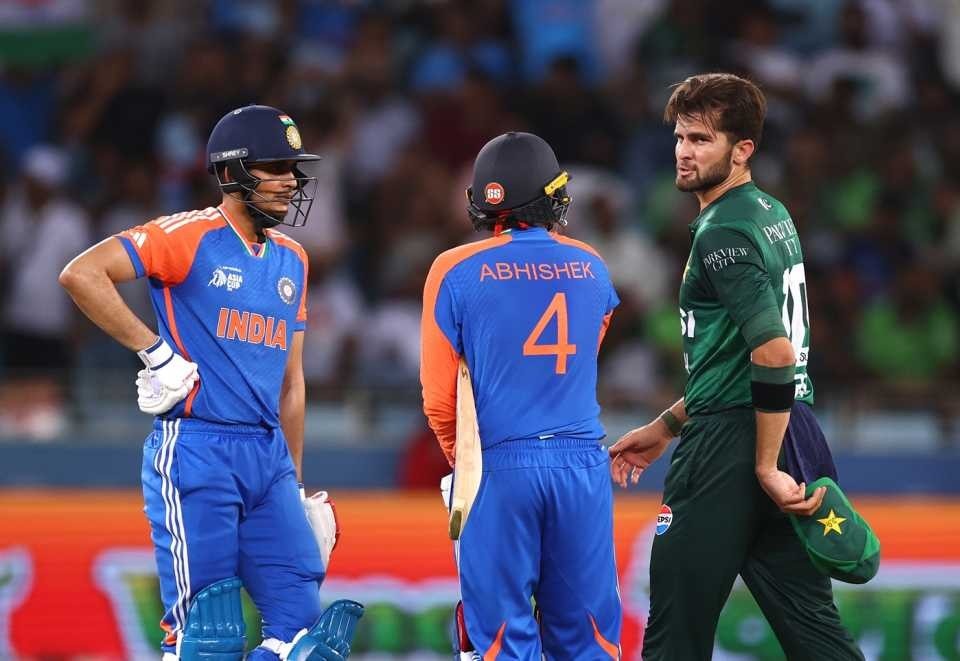
India’s batsmen had answers to everything Pakistan’s bowlers threw at them during the Asia Cup 2024.
However, in recent years, the fragile balance has completely tilted to India’s corner. From politics to mismanagement to senior players and even the ICC rulebook, several fingers have been raised, but excuses can only stretch so far. Nonetheless, a bitter reality remains undeniable for Pakistan’s loyal yet somewhat fickle cricketing loyalists. India is tiers above Pakistan, and the green army has no one to fault but itself.
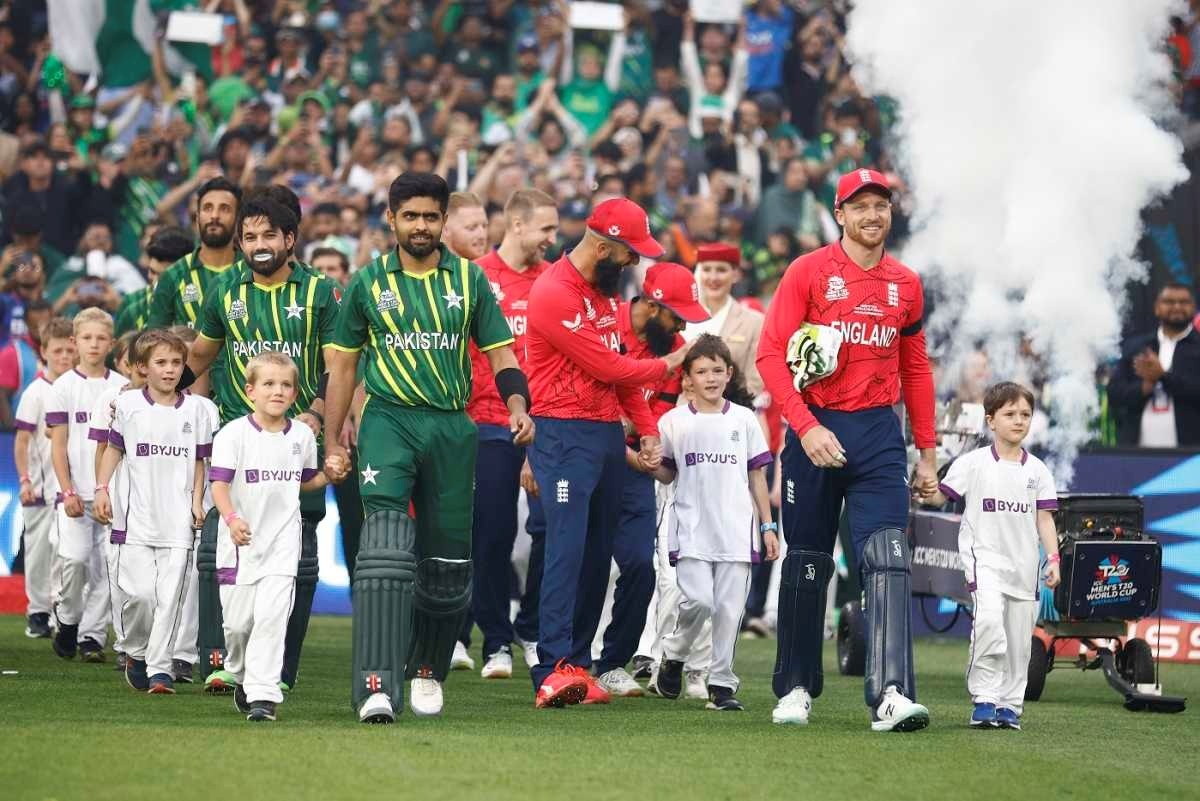
Things have not looked good for Pakistan’s T20Is team since the 2022 World Cup.
Look at their head-to-head record in major ICC tournaments and the dominance is unmistakably India’s. Beyond Babar Azam and Mohammad Rizwan’s unforgettable 152-0 in October 2021, the Fakhar Zaman and Mohammad Amir–inspired Champions Trophy triumph, or Shahid Afridi’s audacious last-over sixes off Ashwin, Pakistan’s wins were rare flashes of brilliance. Yet for years, even amid the imbalance, there lingered a competitive spark: a quiet but powerful belief that either side could conjure victory from the unlikeliest of situations.
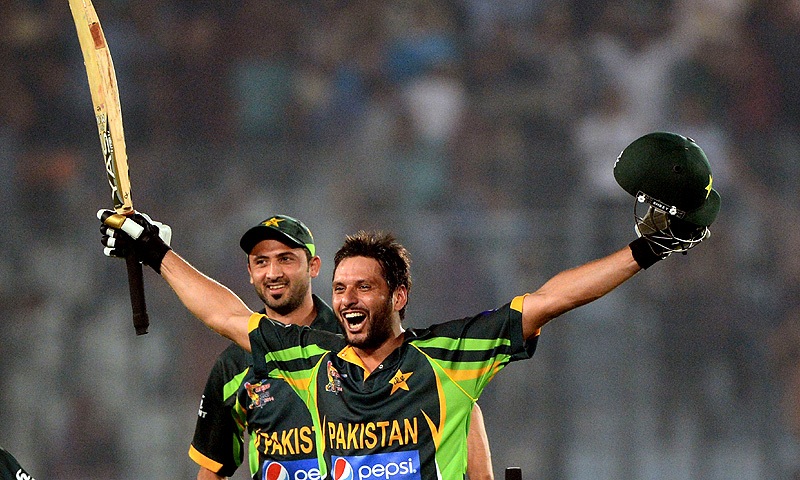
Shahid Afridi after hitting India's Ravichandran Ashwin for two consecutive sixes to seal victory in the Asia Cup 2014.
Back in Mohali in 2011, India seized control in the closing overs of the World Cup semifinal, yet Misbah-ul-Haq’s stubborn resistance remained worthy of admiration. Five years later, in the 2016 T20 Asia Cup, Mohammad Amir’s electrifying opening spell briefly jolted life into a lopsided chase of just 84. Even as recently as Virat Kohli’s heroic masterclass in Melbourne during the 2022 T20 World Cup, the rivalry’s competitive heartbeat still thumped beneath the surface. Yet those moments now feel like relics from a distant past, as Pakistan cricket’s decline has been painfully exposed in recent years. The story remains the same, only the cast changes. Whether it’s a Babar Azam-led side stacked with seasoned pacers or a Salman Agha-captained unit built around all-rounders and spinners, the green shirts continue to suffer from the same chronic flaws and keep failing to find the solutions.
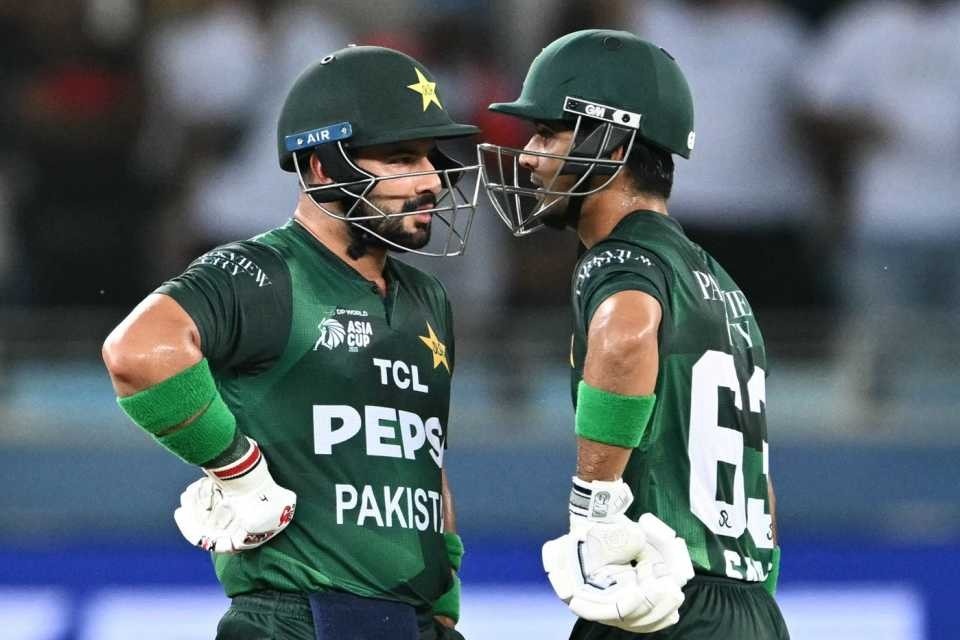
Sahibzada Farhan and Saim Ayub are among the several new faces added to Pakistan’s squad.
Analysts and fans keep circling back to the same questions. How will Pakistan tackle Kuldeep Yadav? Can the pacers dismantle India’s top order early? What will our batsmen do about the infamous, spin-led middle-overs curse? Will the team handle the suffocating pressure of a high-stakes clash? Different plans have been tried, yet the results remain maddeningly familiar.
Initially, fingers pointed at Babar Azam and Mohammad Rizwan’s “old-school” approach as the root of Pakistan’s T20 woes. Management responded by replacing the veterans with big hitters promising intent and a modern mindset, but those changes have yet to deliver in crunch moments. The shortage of quality spinners and dependable all-rounders was another suspected weakness. In an overcorrection, the coach stacked the squad with makeshift all-rounders lacking big-game experience, leaving the side with no true specialists and a glaring void in both batting and bowling.
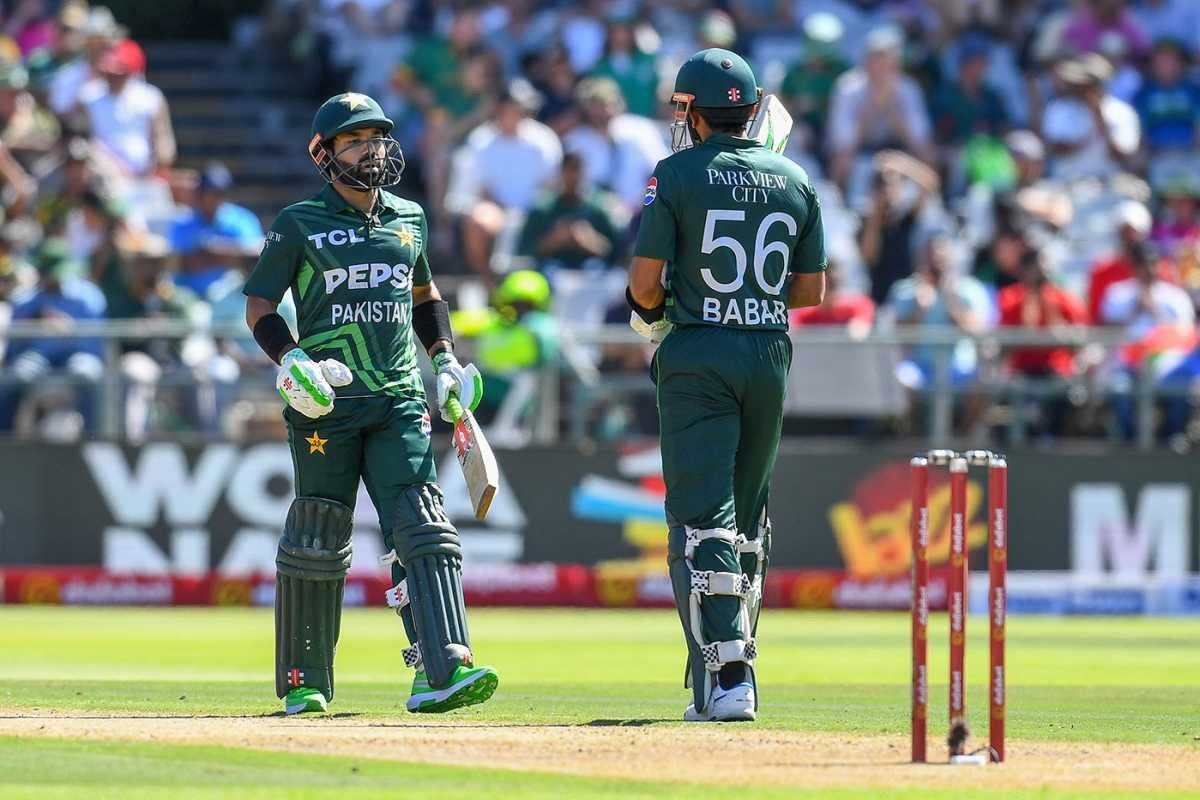
Muhammad Rizwan and Babar Azam’s batting style in T20Is was heavily criticized.
By contrast, India’s game has soared to heights reminiscent of Australia’s golden era from 1999 to 2008. Their squad is a seamless blend of fearless young talent and battle-tested veterans, brimming with confidence, aggression, and skill. Backed by sharp game awareness and meticulous planning, India executes strategies with clinical precision, answering everything Pakistan attempts with full force.
Every contest produces winners and losers, but a great rivalry demands a competitive edge, which has all but vanished from Pakistan versus India. No number of coaching changes or squad overhauls can mask the real issue: the erosion of the fundamentals that once defined Pakistan cricket. Finger-pointing only deepens the wounds, and half measures built on half-baked plans offer no cure. Until Pakistan repairs its basics and addresses the systemic management failures behind them, this rivalry will remain less a duel and more a source of heartbreak for its supporters.
You may also like: