Written by: Shiraz Aslam
Posted on: December 30, 2025 |  | 中文
| 中文
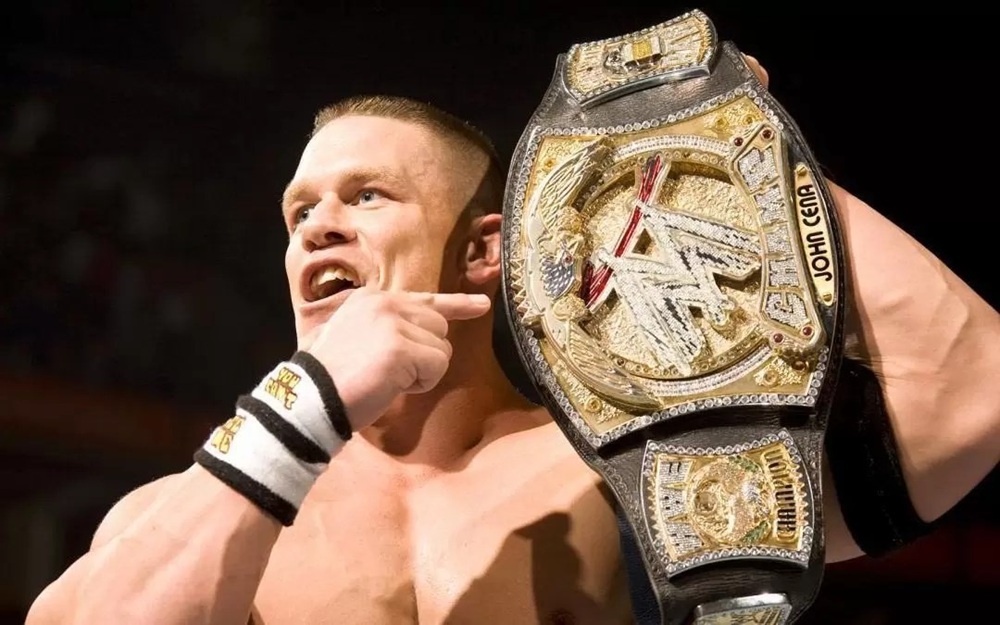
The WWE Championship was synonymous with John Cena at the height of his WWE career.
By now, you’ve probably heard the news: John Cena’s WWE career has officially come to an end. Social media, especially Instagram, is overflowing with emotional edits and tribute reels celebrating the journey of one of wrestling’s greatest icons.
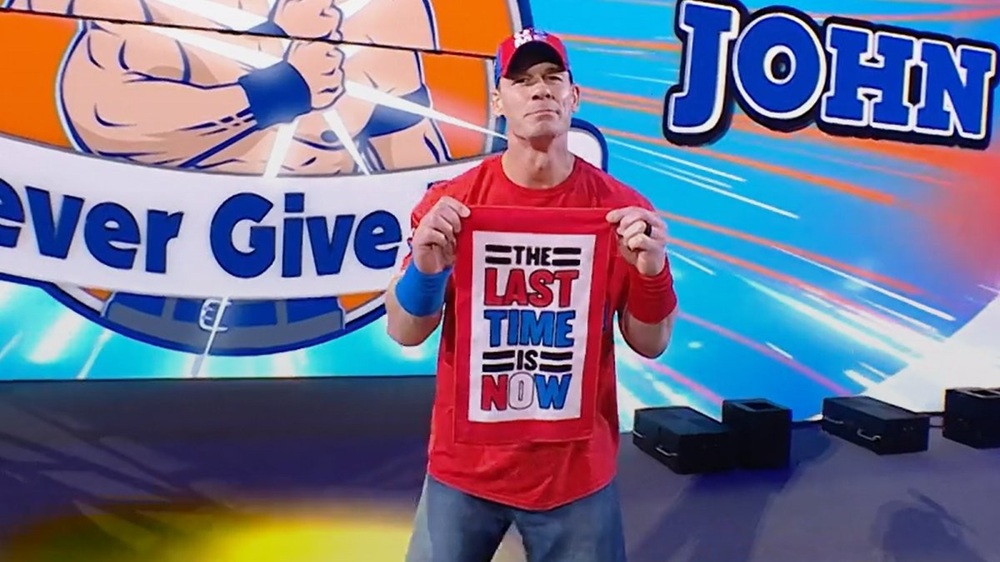
John Cena had a year-long farewell tour this year.
The 16-time world champion and Hollywood megastar wrestled his final WWE match against Gunther at Saturday Night’s Main Event last weekend, where he bowed out in a valiant losing effort. While Cena never made an official visit to Pakistan, his impact transcended borders. The WWE legend continues to enjoy a massive and deeply loyal fan following across the country, a testament to his larger-than-life legacy inside and outside the ring.
Life for the typical Pakistani WWE fan felt beautifully routine. Every Thursday at 4:30 PM on Ten Sports, WWE Raw, the company’s flagship show and one of the longest-running weekly programs in entertainment, hit television like an appointment you didn’t dare miss. More often than not, John Cena was the WWE Champion, and the entire world of Raw seemed to orbit around him.
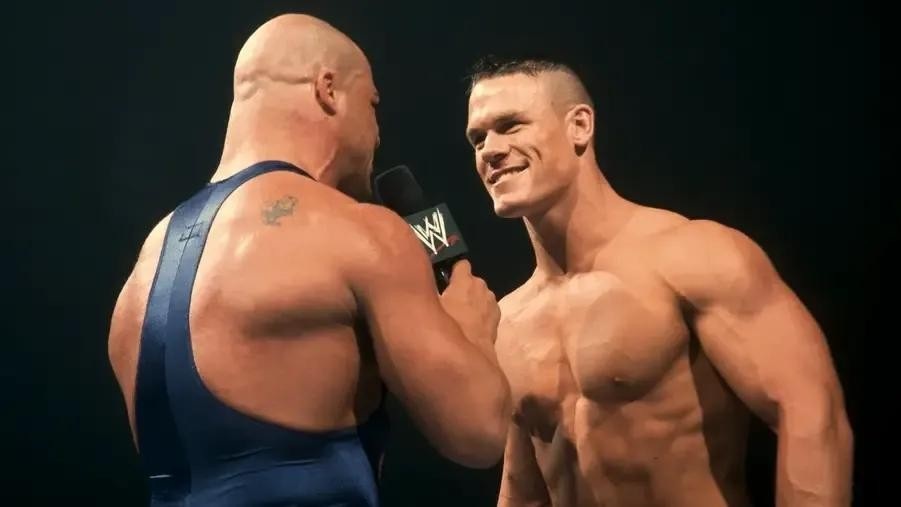
On his WWE debut, John Cena went toe to toe with one of the all-time greats in Kurt Angle.
In schools, Cena wasn’t just a wrestler; he was a cultural phenomenon. Kids showed up in “Never Give Up” T-shirts, and toy-shop shelves were stacked with his action figures. Cena lunchboxes and water bottles became everyday flexes in school cafeterias, the kind of thing you carried with pride. For a whole generation, he wasn’t just on television, he felt like a real-life superhero, the role model you tried to copy in the playground and the person you believed in always found a way to win.
But how did John Cena, someone the average Pakistani fan was unlikely to ever meet, become such a powerful source of inspiration in a country halfway across the world? The answer lies in the simplicity and strength of his message.
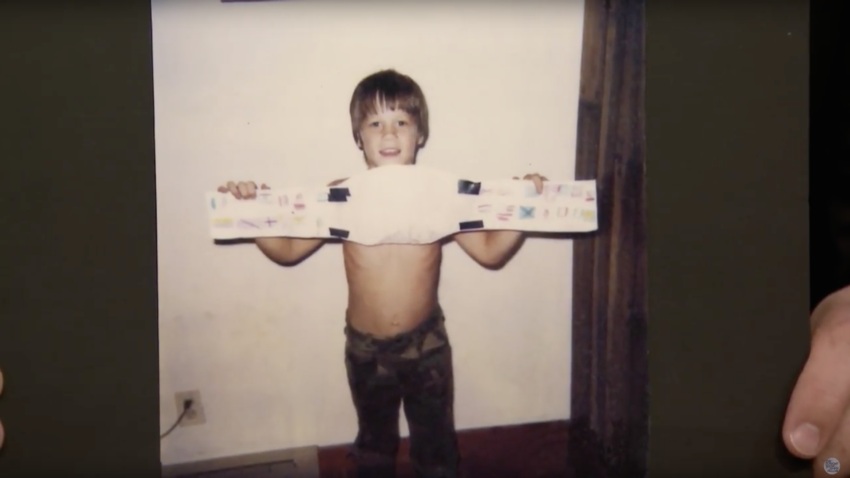
Like many of us, John Cena was once just a WWE fan as a child.
Cena was the man who never gave up. He stood for what was right, regardless of the consequences. He stayed true to himself even when the resistance was loud and relentless. In a world where heroes often feel flawed or temporary, Cena consistently embodied values that resonated deeply: hard work, resilience, loyalty, and self-belief. These weren’t just wrestling catchphrases; they were principles. For countless children growing up in Pakistan, John Cena represented the kind of person you aspired to be, both inside and outside the ring. When it came to rivalries, the list is endless. One could talk about John Cena’s career-defining feuds for hours. Who can forget his epic 2009 rivalry with Randy Orton, the perfect villain to Cena’s all-American heroic arc? Their clashes, especially the Hell in a Cell and the brutal “I Quit” match, are still remembered as some of the most intense encounters of that era.
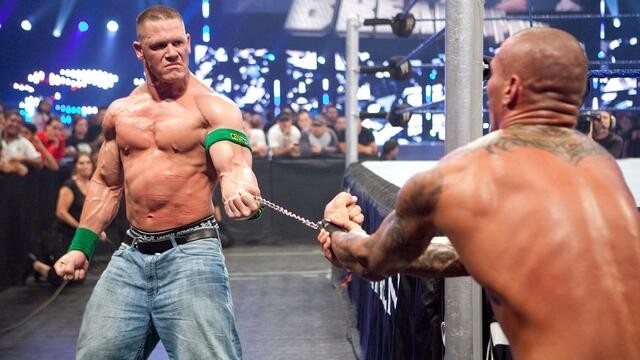
John Cena had a storied rivalry with Randy Orton in 2009.
Many fans also vividly recall Cena’s career-altering program with CM Punk in the summer of 2011, later immortalized as “The Summer of Punk.” It was a rivalry that blurred the lines between reality and storyline, challenging Cena’s role as the company’s standard-bearer like never before.
Yet, above all, almost everyone remembers The Rock vs. John Cena at WrestleMania 28 in April 2012. Widely regarded as one of the biggest matches in WWE history, it was famously billed as “Once in a Lifetime.” The showdown transcended the ring, captured unprecedented mainstream attention, and felt less like a wrestling match and more like a global pop-culture event, cementing Cena’s place in history forever.
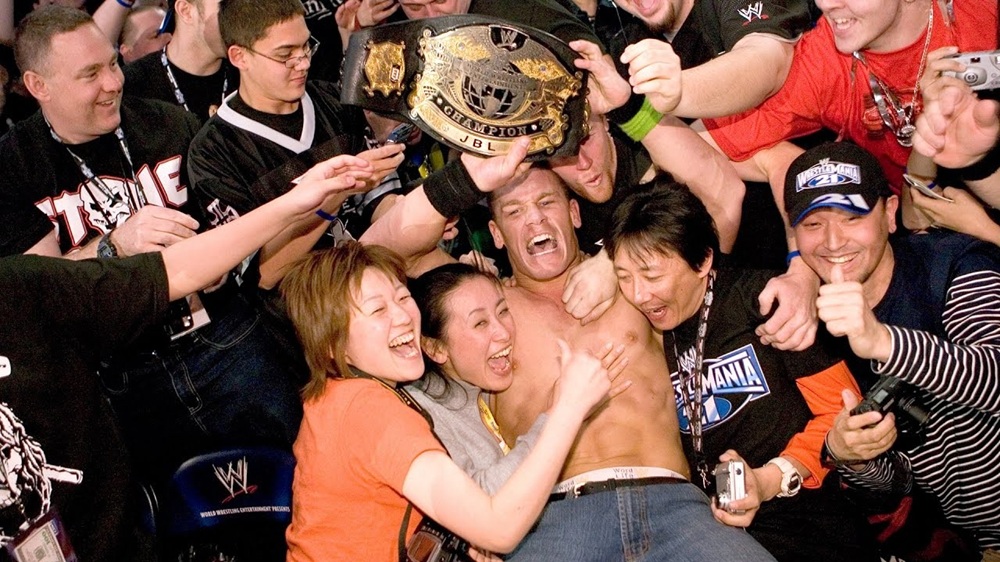
John Cena won his first WWE Championship at WrestleMania 21 in 2005.
In an era where attention spans last mere nanoseconds and the world moves on from one trending topic to the next within days, it’s increasingly rare to find figures as consistent, admirable, and magnetic as John Cena. Far more than someone in the limelight for a decade, Cena was an era of entertainment. John Cena stands as one of the last truly defining figures of professional wrestling, someone who shaped an entire generation. For millions who grew up watching WWE in Pakistan and far beyond, he represented childhood itself. Long after the cheers faded and the titles changed hands, Cena’s presence remains etched in memory, a reminder of a time when heroes felt real and belief came easy.
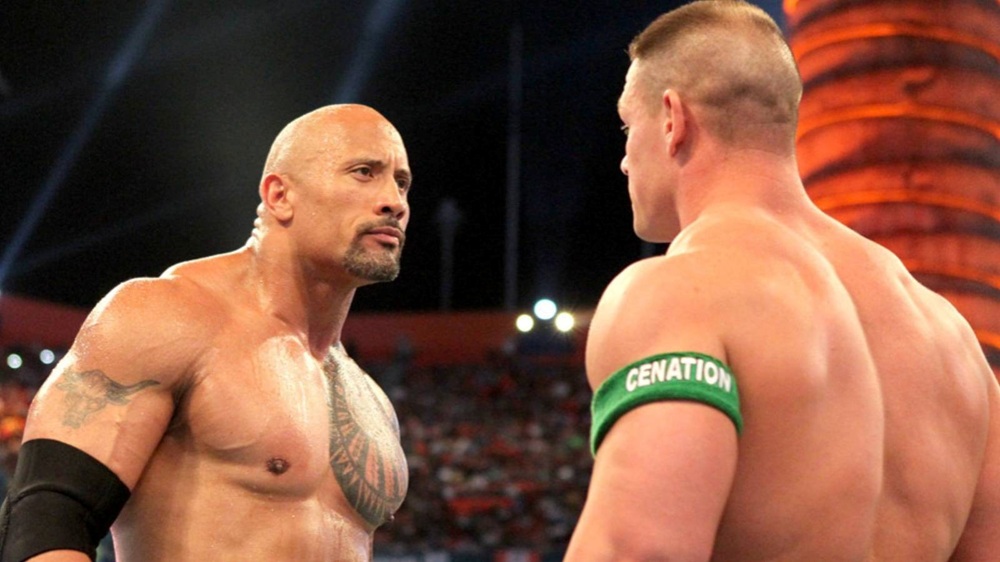
The Rock and John Cena collided in a blockbuster dream match at WrestleMania 28 in 2012.
Cena’s retirement signals the closing of a chapter for an entire generation of fans. In Pakistan and across the world, he was more than a wrestler on a screen; he was a symbol of resilience, honesty, and unwavering self-belief. At a time when role models feel fleeting and fame is often temporary, Cena’s legacy stands apart. He will be remembered for his accomplishments and defined by the values he consistently represented. Long after the final bell has rung, John Cena will remain remembered as the hero who taught millions to never give up, shaping childhoods and inspiring lives far beyond the squared circle.
You may also like: