Written by: Dua E Zehra Naqvi
Posted on: March 12, 2026 |  | 中文
| 中文
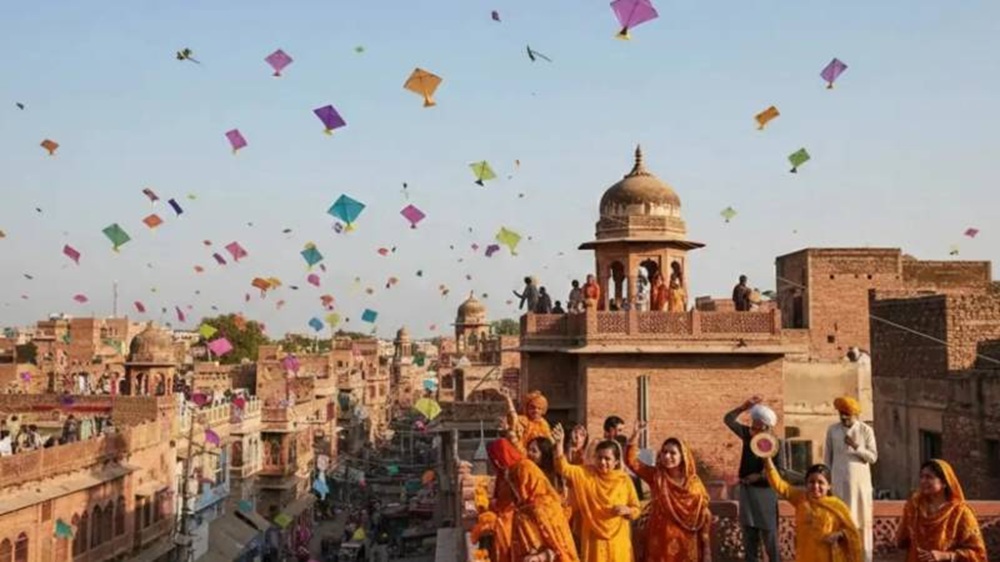
Basant celebrations in old Lahore
Golden kites soar above the rooftops of Lahore, as the sound of music and laughter fill the air welcoming us into a world full of vibrant yellow. Basant is not merely a festival in Pakistan; it is a vibrant tradition, that brings people together under one colorful sky. A symbol of renewal and the victory of knowledge over ignorance, this festival of spring has been celebrated for generations when people come together with folk songs, colorful yellow attires and to take part in activities such as kite flying. This transforms quiet neighborhoods into lively centers of joy and connection. In today’s rapidly changing world, Basant captures both a sense of nostalgia and the spirited essence of Pakistan’s diverse and beautiful culture.
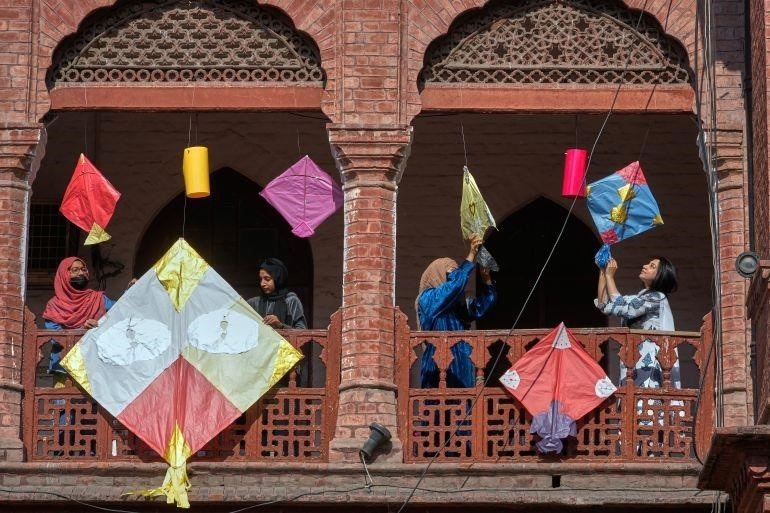
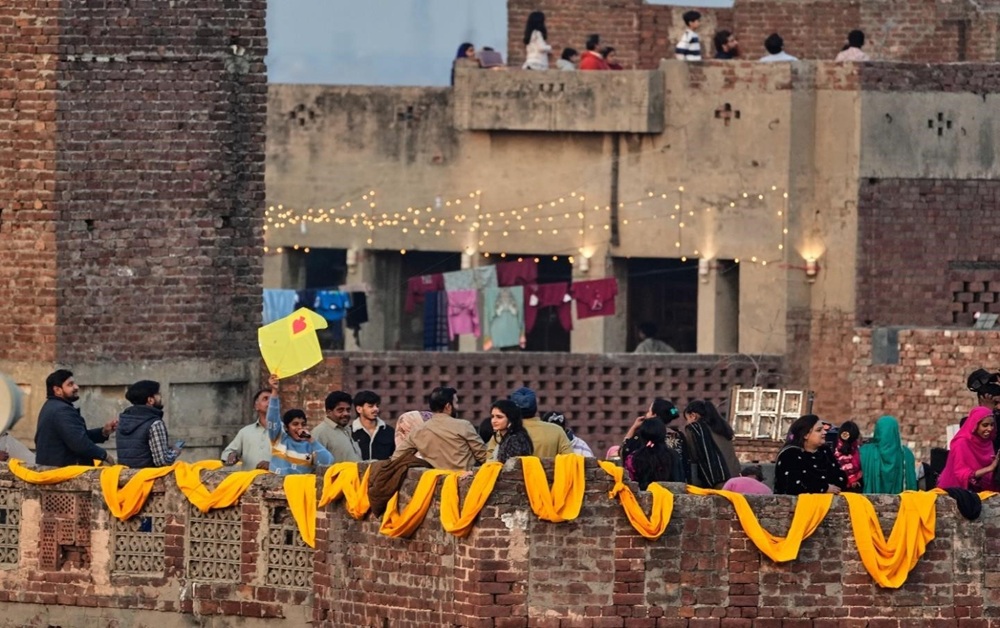
Decorations for Basant celebration
Basant has roots that go back several centuries, deeply influenced by the agricultural and seasonal rhythms of Punjab. This festival celebrates the arrival of spring and the blooming of flowers. While its timing is historically connected to the broader South Asian celebration of Vasant Panchami, Basant in Punjab developed its own distinct cultural identity. During the reign of Maharaja Ranjit Singh, a Sikh ruler in the early nineteenth century, the festival gained remarkable prominence in Lahore. The Maharaja is known to have celebrated Basant enthusiastically, organizing royal festivities that included music, public gatherings, and kite flying. It is often said that members of his royal court, including his queens, enjoyed kite flying, which helped elevate the tradition and popularize it among the wider public. Over time, it evolved into a vibrant and colorful festival with a rhythmic pulse of celebration, symbolizing community ties and a sense of freedom.
Kites in the sky, joy on the rooftop
At the heart of Basant lies the spirited tradition that is known as patangbaazi, which means kite flying. Rooftops of every household become lively gathering spaces where people skilled in flying colorful kites compete, while spectators cheer from nearby rooftops. The thrill of cutting a rival's kite is accompanied by the simple joy of gathering with neighbors and relatives across nearby vicinities. Delicious food and soothing music, create an exceptional atmosphere that feels more festive and intimate. As the midnight approaches, illuminated kites drift across the sky, giving the city of Lahore a very mesmerizing appearance, turning every neighborhood into a place of wonder and a treat to the eyes.
Colorful kites rise as Basant brings people together. (Picture credits to the Associated Press)
In recent years, some issues arose regarding the safety of the people who were taking part in the celebrations of Basant. Competitive kite flying led to the widespread use of sharp strings coated with crushed glass or metal, designed to cut rival kites. These nearly invisible strings caused severe injuries and even fatalities, particularly among motorcyclists and pedestrians. In response, authorities banned hazardous strings, cracked down on illegal manufacturers, and increased supervision during festival periods. There have also been efforts to encourage the use of safer cotton threads and to organize more regulated celebrations. While the restrictions were difficult for many who cherished the tradition, they reflected an important reminder: preserving culture should never come at the cost of safety. Today, rigorous efforts are being made to ensure that Basant is celebrated in a much safer and more organized manner.
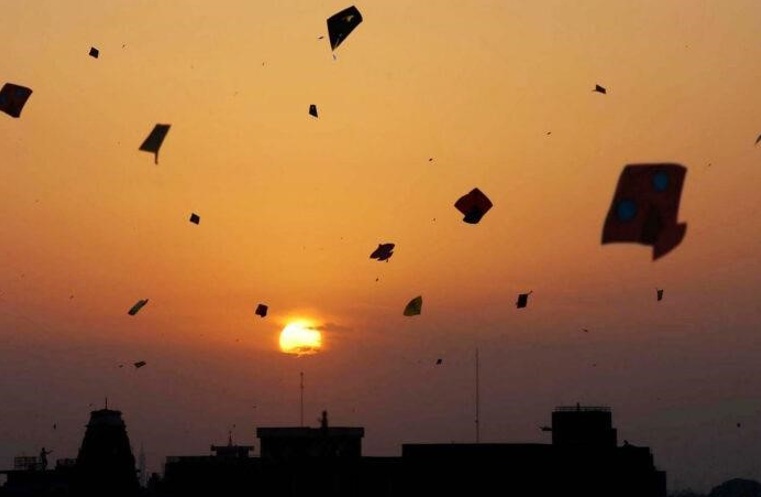
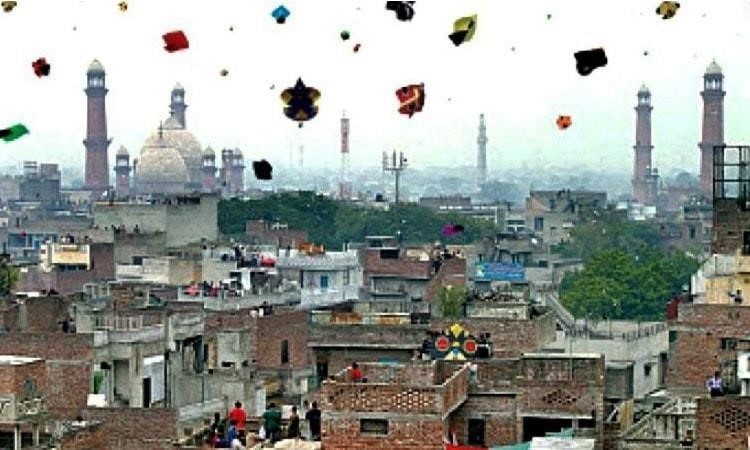
A sunset view of kites flying on Basant in Lahore (Photo by Pakistan Today)
Beyond the vibrant colors and the excitement of kite flying, Basant also represents the philosophical and cultural heartbeat of Pakistan. This festival reminds us that these beautiful traditions have been passed down to us by generations meaning that they should never be forgotten. Even in modern times of challenges, including urbanization and extreme safety concerns, Basant has always proven to inspire nostalgia and the excitement among both the elderly and the younger generation bringing people together and reconnecting them with history and one another. For visitors and locals alike, the festival is a living testament to the resilience of cultural traditions, offering us a moment to reflect on how these beautiful celebrations can strengthen the bonds and embrace the promise of new beginnings. Basant is more than just a kite festival; it is a celebration of the culture of Pakistan and the unity that exists among its people. This is a tradition that reminds us that culture is not merely a tradition, but a symbol of identity and joy.
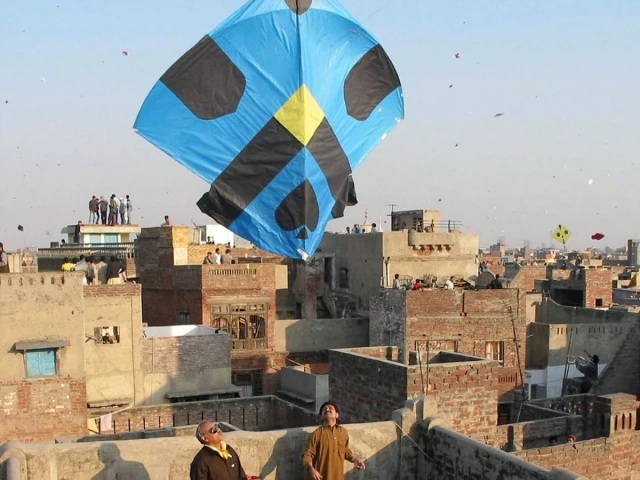
Basant in Lahore
It is especially meaningful to remember that Maharaja Ranjit Singh, who played a key role in popularizing Basant in Lahore, was a Sikh ruler. Yet the festival continued to flourish among people of all faiths in Punjab. This reflects the true beauty of the region, where culture often rises above religious boundaries, and people from different backgrounds come together to celebrate shared traditions. For me, Basant is a reminder of how culture has the power to unite hearts and spread happiness, and I truly hope this cherished tradition continues to flourish for generations to come
You may also like: