Written by: Ayesha Shoukat
Posted on: September 25, 2025 |  | 中文
| 中文
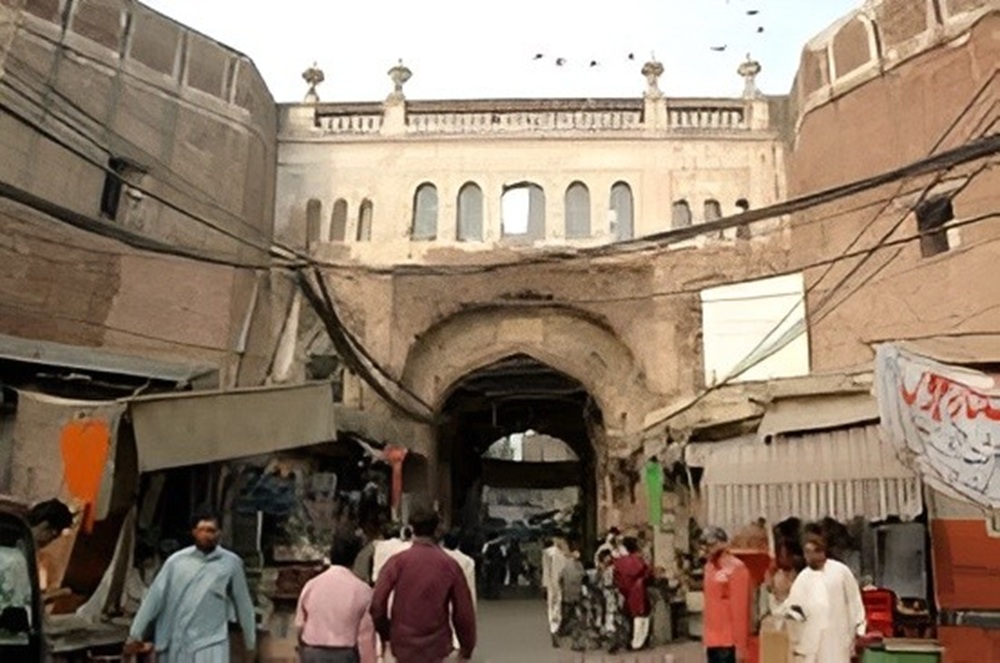
Raza Rumi, author of Being Pakistani
Raza Rumi’s Being Pakistani: Society, Culture and the Arts provides a vibrant look into the rich cultural tapestry of Pakistan, pushing back against the one-dimensional stories of nationhood that are often found in schools or mainstream media. Through a collection of essays that were first published in various newspapers and journals, Rumi invites readers to explore literature, music, visual arts, folklore and modern cultural expressions, offering a deeper insight into what it truly means to be Pakistani.
The book is organized into thematic sections focusing on devotion, literature, arts and personal essays, each revealing a unique aspect of Pakistani culture. In the devotion section, Rumi examines the blended spiritual traditions of South Asia, showcasing the contributions of figures like Kabir, Bulleh Shah and Lalon. He investigates the profound spirituality associated with the River Indus and the feminine cult in Sindh, highlighting how these traditions go beyond religious divides and embody a collective cultural spirit shared with India.
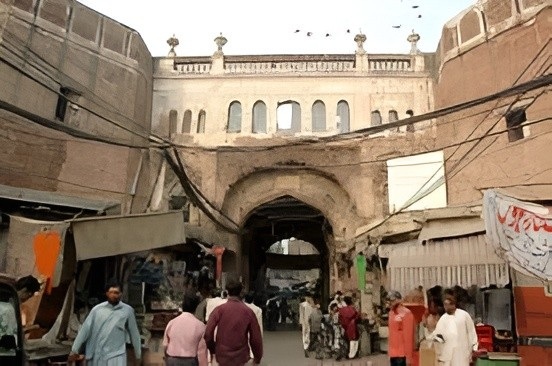
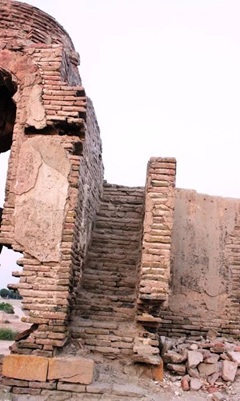
Lohari Gate, one of the historic entrances to Lahore’s Walled City, reflecting the timeless charm captured in Loharwana, A Lahori Rambling.
The book's literature section highlights notable Pakistani authors like Qurratulain Hyder, Intizar Husain, Fahmida Riaz and Mustafa Zaidi, whose writings explore themes such as identity, exile, political resistance and human suffering. Rumi discusses Hyder's lasting appeal, the literary challenges posed in Manto’s tales, and the poignant silences found in modern literature influenced by extremism and conflict. These essays emphasize the importance of literature as a means of cultural memory and political commentary in Pakistan.
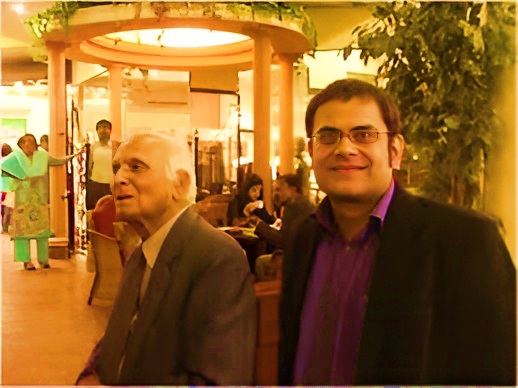
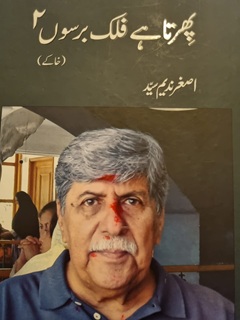
The author of Being Pakistani, Raza Rumi, pictured with the distinguished literary figure Intizar Hussain.
In the arts section, Rumi looks into how both visual and performing arts shape Pakistan’s changing cultural identity. He covers everything from Shahzia Sikander’s revival of miniature painting to Asim Butt’s activist art, and from the brilliance of Mehdi Hasan to the trailblazers of Pakistani pop music like Alamgir and Runa Laila, showcasing a wide range of creative expression. Rumi effectively shows that Pakistani art serves not just as a mirror of societal trends but also as a platform for resistance, innovation and interaction with global cultural stories.
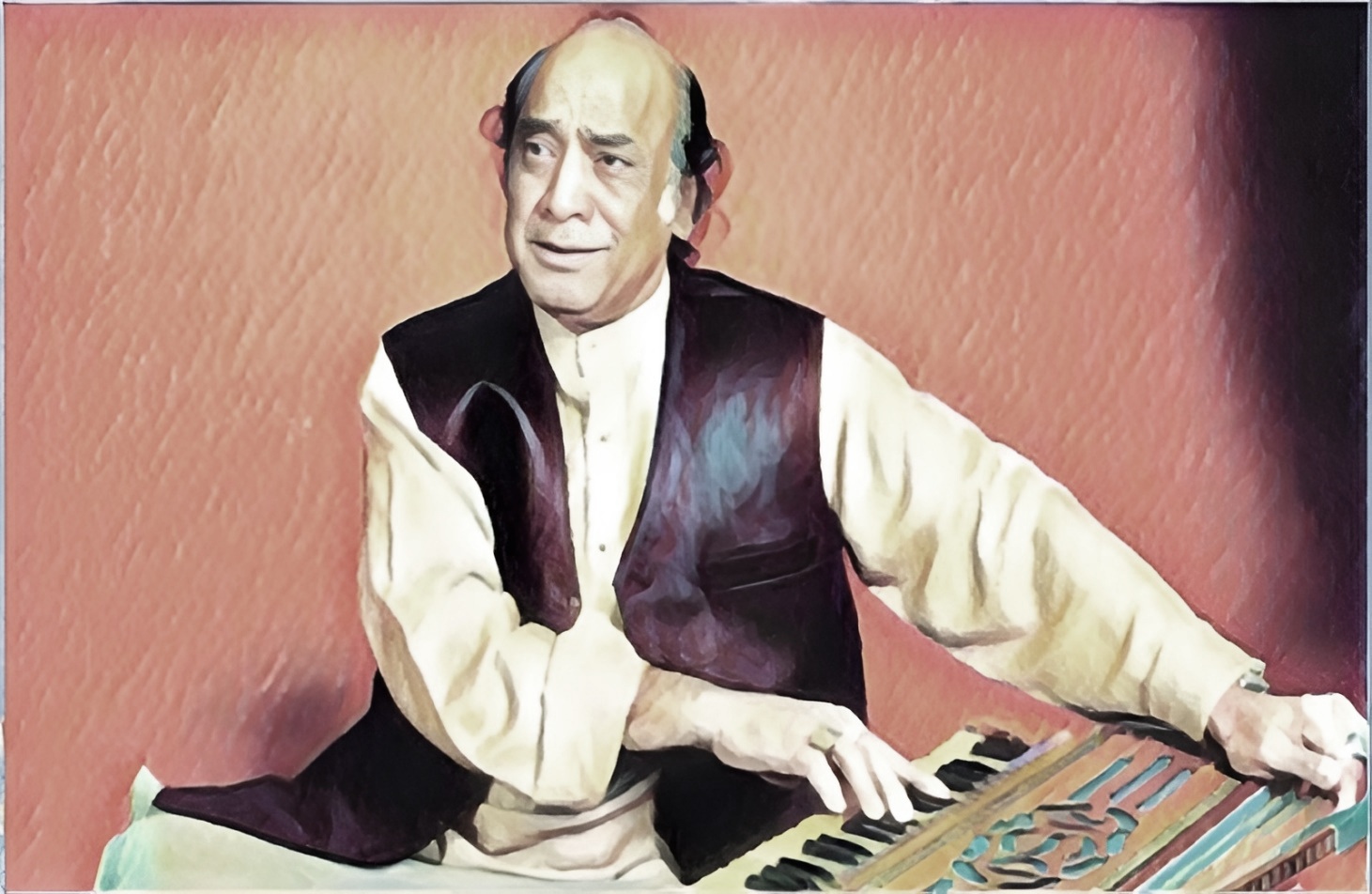
Mehdi Hasan, the unparalleled ‘Shahenshah-e-Ghazal,’ whose voice immortalized the art of ghazal singing in South Asia.
Rumi’s personal essays, which include thoughts on Bangladesh and Lahore, offer a close look at his struggles with identity and cultural belonging. These writings, along with the author’s sharp insights on Bollywood, Indian television dramas and global politics, place Pakistan’s cultural output in a broader transnational and historical context.
While the book gives a thoughtful overview of Pakistan’s cultural wealth, some essays highlight the drawbacks of compiling previously published works. Certain subjects, like the discussions on Qurratulain Hyder or Intizar Husain, are bound to be short and lack detailed analysis because of the limitations of the original publication format. Likewise, mentions of outdated television shows and some political comments from 2010 seem less pertinent in a 2016 release. An updated or thematically unified edition could have enhanced the book’s relevance today.
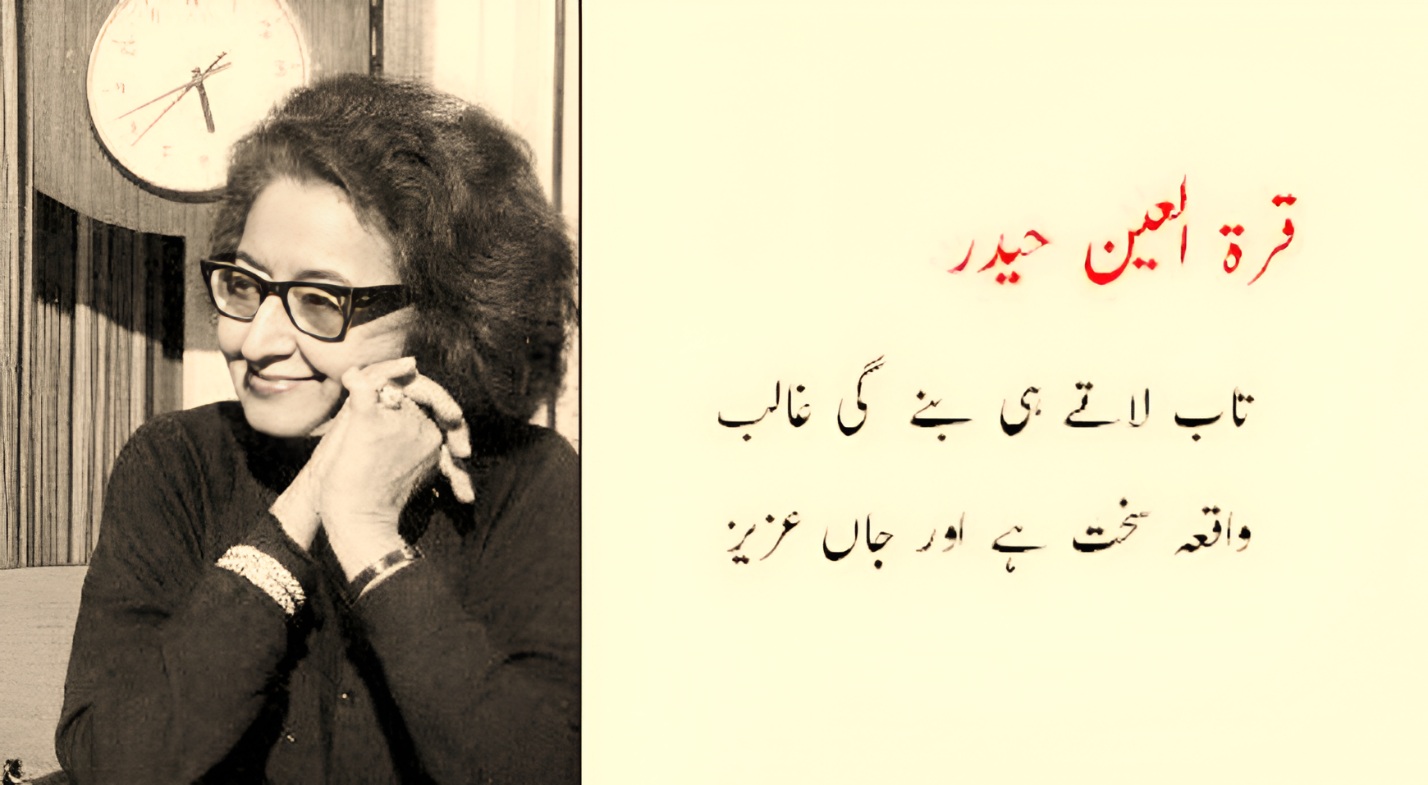
Qurratulain Hyder, one of the most influential voices in Urdu literature, whose works continue to shape literary discourse in South Asia.
Still, Being Pakistani hits its main goal: to showcase a different, nuanced perspective on Pakistani identity, which is a far cry from the simplistic media depictions of terrorism or political chaos. Rumi’s essays shine a light on the diversity, complexities and liveliness of Pakistani society, while also honoring the artists, writers, and musicians who have influenced its cultural landscape. For those curious about the connections between history, art, literature and politics, this book provides an engaging and thought-provoking exploration of Pakistan’s cultural tapestry.
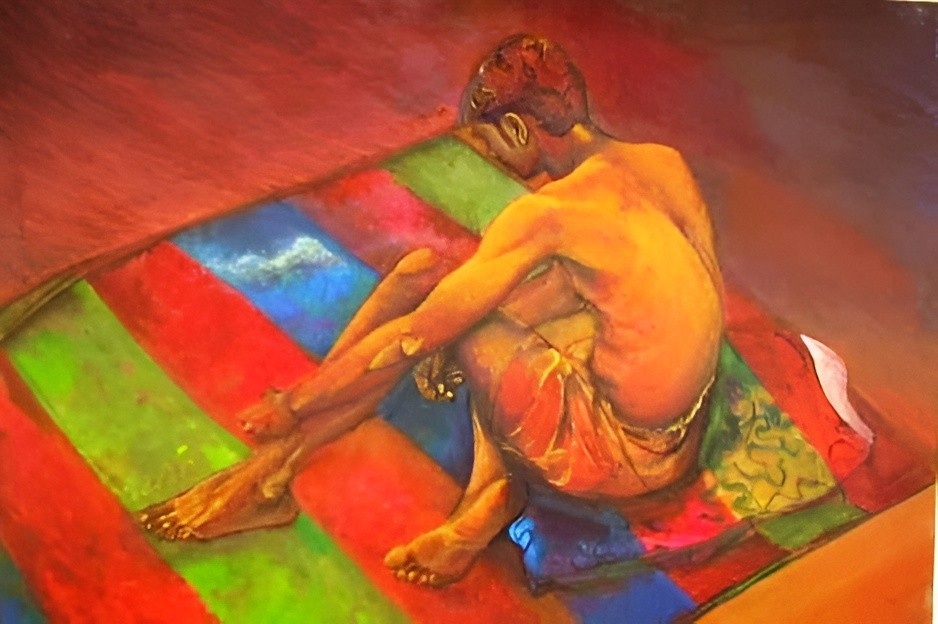
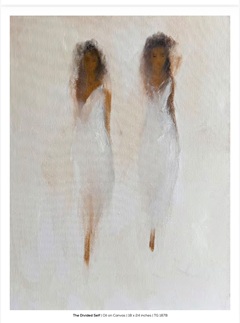
A painting by Pakistani artist Asim Butt, whose work often combined vivid colors with powerful social and political commentary.
To wrap it up, Being Pakistani: Society, Culture and the Arts is not just your typical monograph; it’s more like a thoughtfully curated collection of essays that reflect Rumi’s enthusiasm for capturing and examining the cultural essence of the nation. Even though it has some minor shortcomings in depth and relevance, it still makes a significant contribution to the ongoing dialogue about identity, creativity and cultural memory in Pakistan.
You may also like: