Written by: Anum Zaeem
Posted on: April 15, 2026 |  | 中文
| 中文
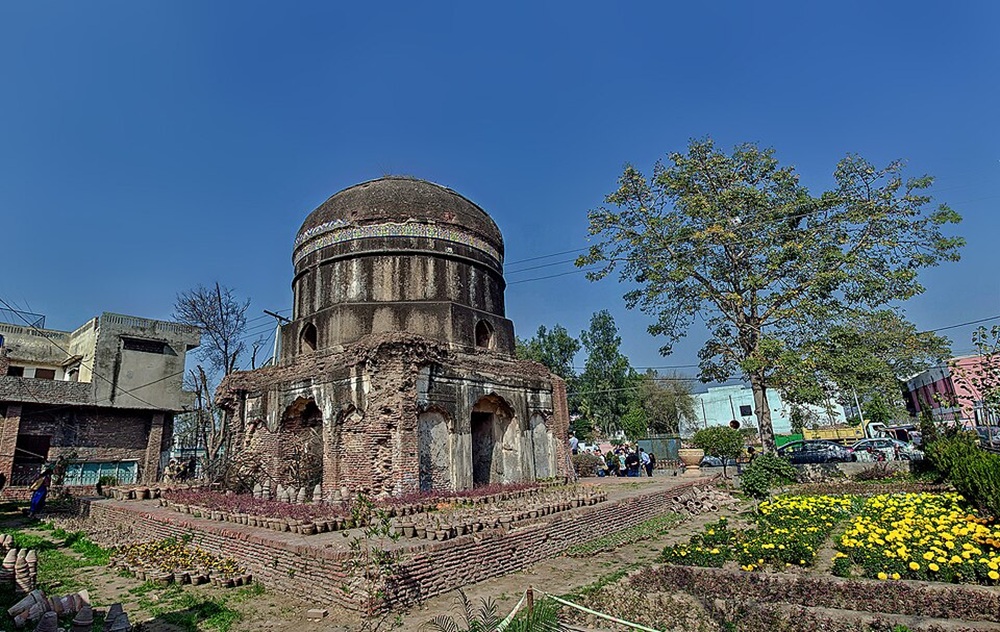
Buddhu's Tomb
Lahore is a city where the past refuses to be forgotten, and nowhere is this more evident than at Buddu’s Tomb. Often overshadowed by the massive scale of the Lahore Fort or the symmetry of the Shalimar Gardens, this 17th-century monument, known locally as Buddhu ka Maqbara, offers a raw and authentic glimpse into the Mughal era. Located along the bustling Grand Trunk (GT) Road near the University of Engineering and Technology (UET), the tomb stands as a weathered sentinel of history. For the modern traveler, it represents a "hidden gem" that bridges the gap between the royal opulence of Emperors and the legendary lives of the city's influential commoners.
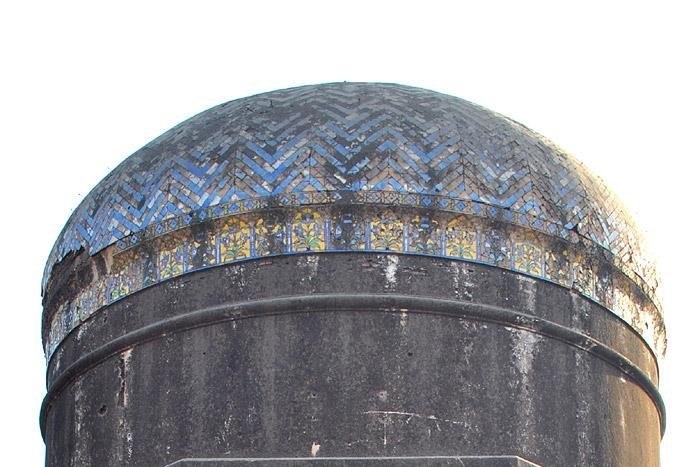
The signature zigzag tiles of the dome, a rare and beautiful remnant of 17th-century craftsmanship.
The true identity of the person buried within these walls remains a subject of fascinating historical debate. Local folklore and oral traditions firmly link the site to Buddu, a wealthy and powerful master brick-maker during the reign of Emperor Shah Jahan. Legend suggests that his massive kilns, or Aawa, supplied the very bricks used to construct the iconic Shalimar Gardens. However, formal historical records, including those by the famed historian Syad Muhammad Latif, suggest the tomb was actually built around 1641 AD for the wife of Khan-e-Dauran Bahadur Nusrat Jang, a high-ranking noble in the Mughal court who was himself interred there in 1643. This dual identity, one of a royal amir and the other of a legendary craftsman, gives the site a unique cultural resonance that appeals to both historians and local storytellers alike.
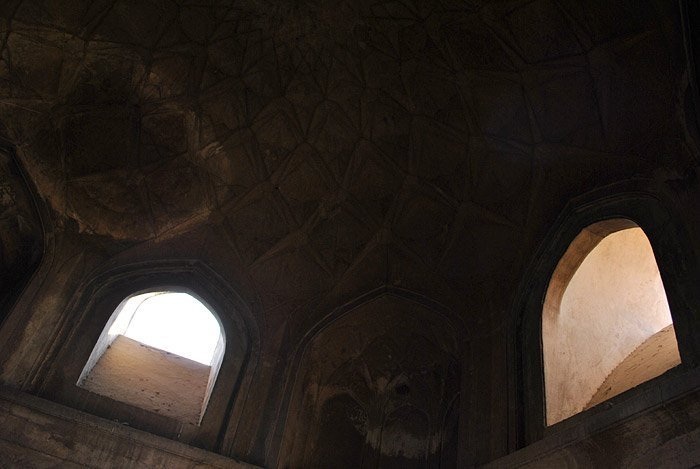
Looking up into the vaulted ceiling, where Mughal symmetry creates a timeless canopy of shadows.
Architecturally, Buddu’s Tomb is a classic example of the octagonal funerary style that became a hallmark of Mughal design, symbolizing the eight levels of paradise. The structure sits atop a raised square plinth, giving it a sense of elevation and dignity despite the surrounding urban encroachment. The most prominent feature is its high-necked dome, which was originally adorned with magnificent Kashi Kari or glazed tile work in vibrant shades of blue, yellow, and green. While much of the exterior ornamentation has been lost to the elements over the last four centuries, visitors can still find traces of intricate floral patterns and chevron designs that showcase the peak of 17th-century craftsmanship. Inside, the central chamber features arched niches and remnants of fresco paintings that once glowed under the soft light filtering through the small, strategically placed windows.
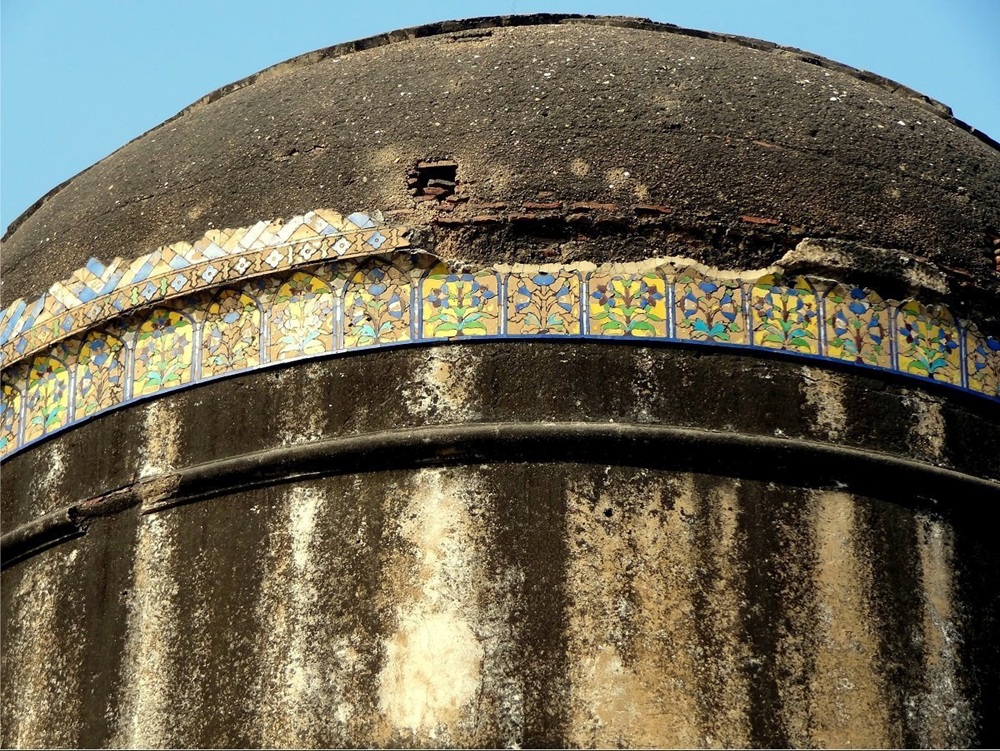
A close-up of the intricate kashi-kari tile work that still clings to the dome despite the passage of centuries.
Beyond its physical structure, the site is steeped in a spiritual lore that adds a layer of mystique to the visit. A popular legend tells of a cold winter day when a disciple of the revered saint Mian Mir sought warmth at Buddu’s brick kiln. When the servants refused him, the saint purportedly placed a curse on the kiln, causing the fire to die out and Buddu’s business to fail. It was only after Buddu sought spiritual forgiveness and became a devotee that his fortunes were restored. This narrative has made the site a point of interest for various faith communities, including Sikhs, who associate the location with Bhai Budhu, a follower of Guru Arjan Dev. This blend of history and hagiography makes the tomb a significant site for understanding the interfaith fabric of old Lahore.
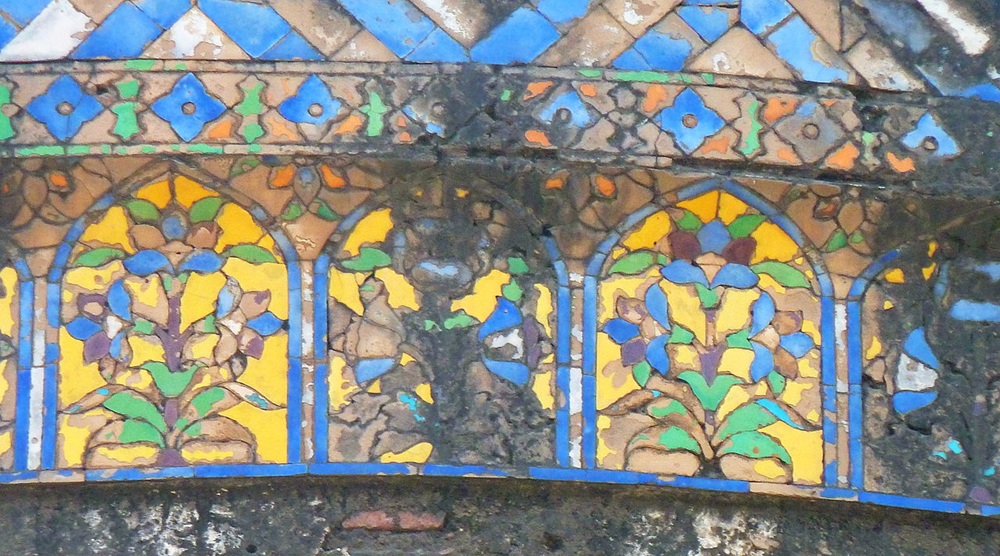
The exterior tile work of the tomb
For travelers planning a visit in 2026, reaching Buddu’s Tomb is easier than ever thanks to modern infrastructure. The most convenient way to access the site is via the Orange Line Metro; simply disembark at the Shalimar Gardens station, and the tomb is just a short rickshaw ride or a ten-minute walk away. To capture the best photographs, it is highly recommended to visit during the "golden hour" in the late afternoon, especially during the cooler months from October to March. The soft sunlight brings out the deep reds of the Mughal bricks and highlights the remaining tile work. While there is no formal entry fee, the site is often quiet, offering a peaceful retreat from the chaotic energy of the GT Road and providing a perfect opportunity for reflection and historical exploration.
As Lahore continues to modernize, the preservation of "minor" monuments like Buddu’s Tomb becomes increasingly vital. The construction of the Metro rail and the general expansion of the city have placed significant pressure on the site’s structural integrity. However, its survival serves as a poignant reminder that history is not just found in palaces, but in the monuments that tell the stories of the people who built them. By visiting these lesser-known landmarks, travelers contribute to the cultural economy that encourages the conservation of such sites. Buddu’s Tomb remains a testament to the enduring spirit of Lahore, a city where every brick has a story, and every story is worth rediscovering.
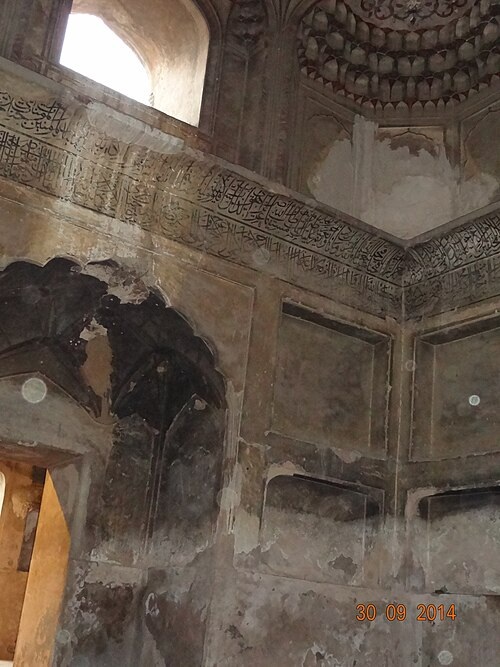
Calligraphy in the Tomb's interior
Ultimately, Buddu’s Tomb stands as a poignant reminder that Lahore’s history is written not just in grand palaces, but in the weathered bricks of its forgotten corners. It is a site where the stories of royal nobles and legendary craftsmen intertwine, offering a unique window into the Mughal soul. Whether you are drawn by the architectural beauty of its octagonal dome or the mystical legends of ancient curses, a visit to this monument is a journey through the layers of time that define the city. As Lahore continues to evolve, preserving such hidden gems ensures that the spirit of its rich, complex heritage remains alive for generations to come.
You may also like: