Written by: Ayesha Shoukat
Posted on: July 11, 2025 |  | 中文
| 中文
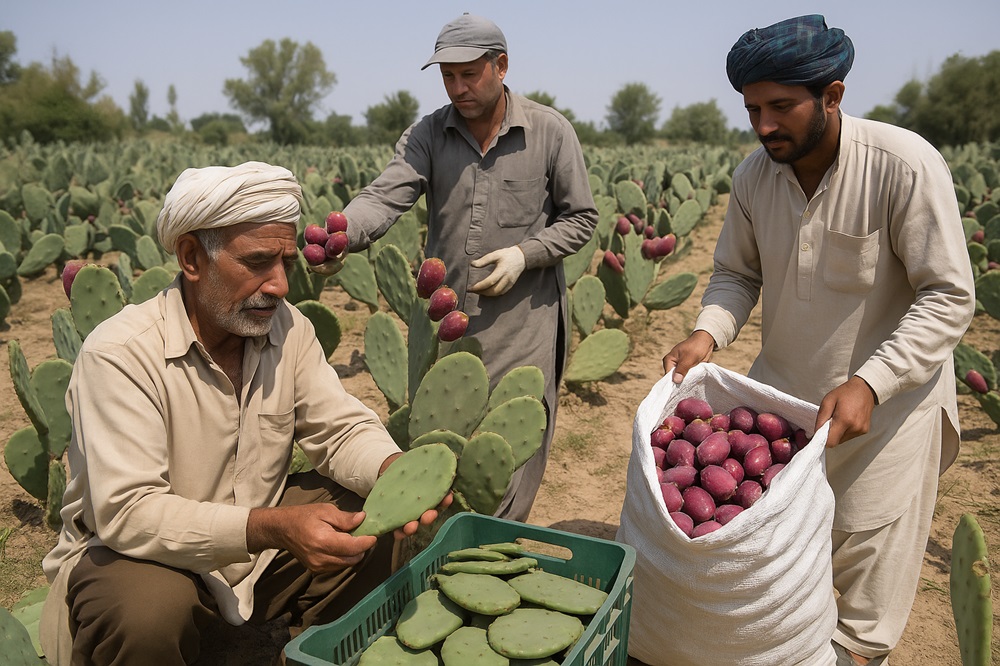
Farmers harvesting nutritious prickly pear pads and fruits in a desert field.
The prickly pear cactus, scientifically known as Opuntia ficus-indica, is a unique plant that grows well in hot and dry areas. In Pakistan, it is commonly called Nagphani or Anarphalī, while in China it is known as Xiānrénzhǎng guǒ, which means "fruit of the prickly pear cactus." This cactus is strong and needs very little water to grow, making it perfect for desert regions where most crops cannot survive.
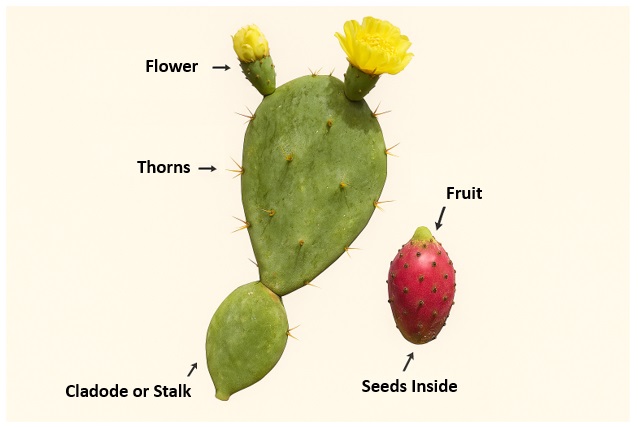
In Pakistan, prickly pear grows naturally in deserts like Thar, Cholistan and Kharan. It helps prevent soil erosion and provides fruit and pads that are full of nutrients. In China, it is also used in dry areas to support food supply and fight desertification. Both countries face similar challenges in their arid regions. That is why this cactus can play an important role in the Green Silk Road, a project that focuses on green development and cooperation between Pakistan and China. The fruit of the prickly pear is rich in vitamins, minerals and antioxidants. The pads are hydrating and low in calories, making them a healthy food. In other countries like Mexico, people use prickly pear to make jams, juices and even feed for animals. Pakistan and China can learn from these ideas and create their own products from this plant. This can help local farmers, create jobs and improve food security in desert areas.

One great way to add prickly pear to the modern diet is through simple recipes. A refreshing prickly pear sharbat can be made with the following ingredients:
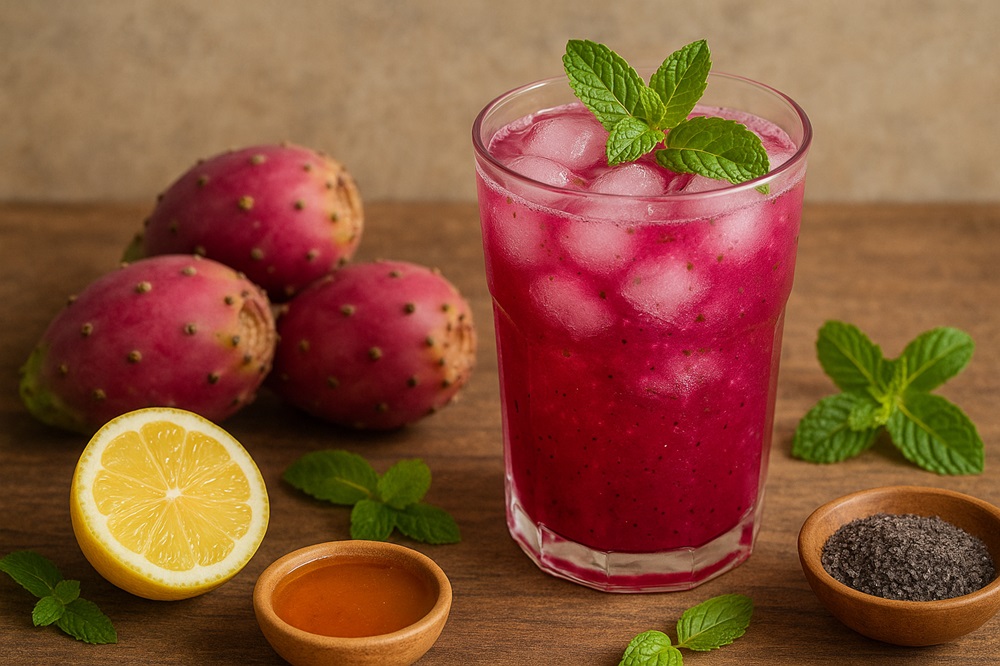
Blend all the ingredients until smooth, then strain to remove the seeds. Pour the drink over ice and top it with mint. This beverage is not only delicious but also rich in antioxidants and electrolytes, making it especially beneficial during the hot summers in Pakistan and China.
Prickly pear also has other uses. Its sticky substance, called mucilage, can be used to clean water and make biodegradable packaging. With China's experience in green technology, both countries can work together to turn this plant into useful eco-friendly products.
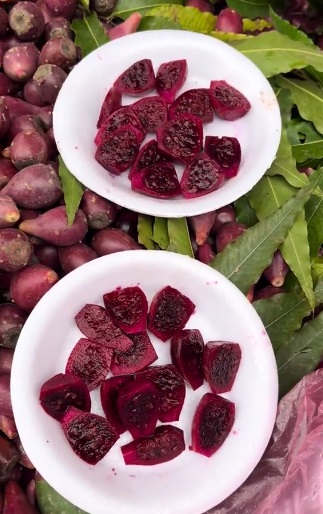
To make full use of the prickly pear, there needs to be more research, investment, and awareness. Teaching farmers to grow thornless types of prickly pear or sharing simple recipes can be a good start. The Green Silk Road is not just about trade; it is about finding shared solutions to common problems. By working together, Pakistan and China can turn this cactus into a symbol of hope, health and sustainability. This desert plant can help improve lives and protect the environment in both countries.
You may also like: