Written by: Hurmat Majid
Posted on: March 04, 2026 |  | 中文
| 中文
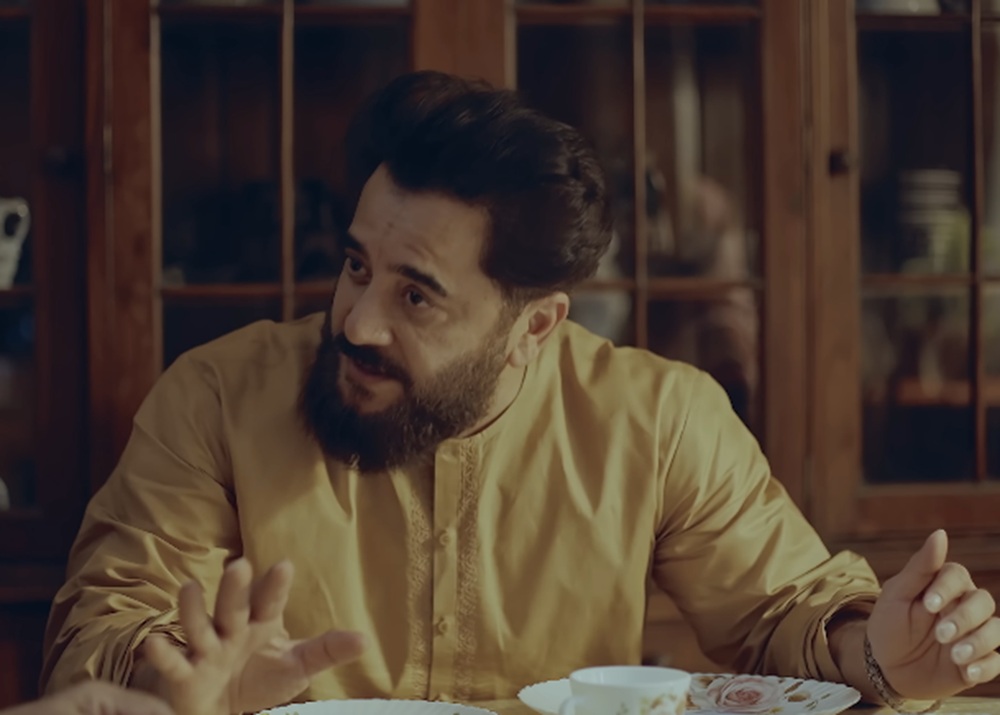
Kashif Mehmood in Kafeel
There's a peculiar phenomenon in Pakistani television dramas: the moment a father demonstrates genuine moral clarity or promises to protect his daughter from a bad marriage, his days are numbered. Literally. Meanwhile, toxic fathers have discovered the secret to immortality, lingering on screen like unwanted guests. And helpless fathers occupy a special circle of hell where they're alive enough to cry but too ineffective to actually help.
In Kafeel, Kashif Mehmood plays Zeba's father. For a few glorious episodes, he does something revolutionary: he admits he made a mistake marrying his daughter to Jami.
Jami isn't your typical villain. He doesn't beat his wife or lock her in rooms. His crimes are more insidious: he doesn't make money, and he continues relationships with other women after marriage. He's thoroughly unsuitable, the kind of man who'd forget his anniversary because he was busy being mediocre somewhere else.
Zeba's father sees this clearly. He promises to get Zeba a divorce and stand by her against the "log kya kahenge" chorus.
This is where the show gives us hope. Then yanks it away.
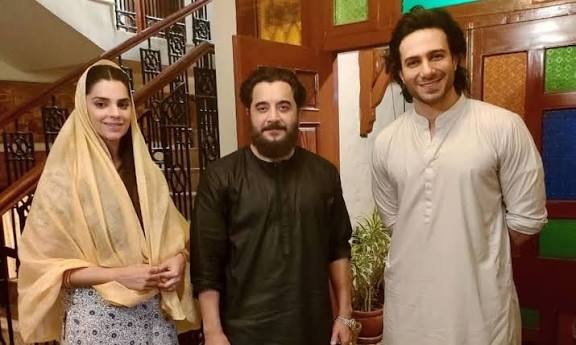
Sanam Saeed, Kashif Mehmood and Emmad Irfani in Kafeel
Episode 10 ends with Zeba pregnant. Episode 11 opens 22 years later. Zeba is still with Jami with four grown children. Her father? Conveniently dead.
If you wanted to tell a story about women trapped in bad marriages, why give us this father? A vanilla father bound by tradition wouldn't have hurt this much. But we got the father who saw clearly, who promised protection, and then the show fast-forwarded past it. No attempt shown, no failure dramatized, just time jump, he's dead, nothing changed. That's not realism. That's narrative cowardice.
These fathers have moral clarity and genuine love that translates into action. They see through unsuitable men and face social consequences for their daughters' happiness. They die, usually right before keeping their promises. Sometimes it's illness, sometimes accident, sometimes the show just time-jumps past them.
Mehrunisa's father in Iqtidar (2024) dies early, leaving her to support the family. Then her brother Zeeshan is killed in a "road accident" involving a politician's son. The father wasn't there to protect her; he died before he could.
These men have discovered immortality through patriarchal authority and terrible decisions. They sell daughters, favor sons blatantly, and make every gathering unbearable. They live forever through entire serials and sequels.
Worse? Around episode 28, they get Reformation Arcs. Suddenly we're supposed to watch them cry and feel moved when the protagonist forgives, the normalization of abuse followed by mandatory forgiveness.
Murtaza (Waseem Abbas) in Zindagi Gulzar Hai (2012-2013) left Rafia and their three daughters because she didn't give birth to a son. He provides almost no financial support; Rafia works as a principal and gives tuitions while her daughters contribute. Despite being absent, Murtaza still controls their lives. When Kashaf refuses to marry his brother's son, he evicts them. In Episode 6, Kashaf tells her mother: "This man is neither your husband nor our father...he is a self-centered human being." He lives throughout the entire series, hovering like a controlling, useless presence.
Saleem (Mohib Mirza) in Razia (2023) is so disappointed by his daughter's birth that he asks the doctor to save the male child instead if a choice must be made. He treats Razia with cold indifference while showering love on her brother Ali. Her clothes are made from leftover scraps because he won't spend money on her. At 10, he tells her she can't play outside anymore, she's "grown up", while her brother enjoys freedom. He tries to kill his daughter and marries her off to an evil man because his son had an illicit affair with that man's sister. The brother faces no consequences; Razia pays through marital rape and abuse.
Not evil enough to hate, not strong enough to help. He sees his daughter suffering and contributes only grief. They're emotional black holes, sucking energy while solving nothing.
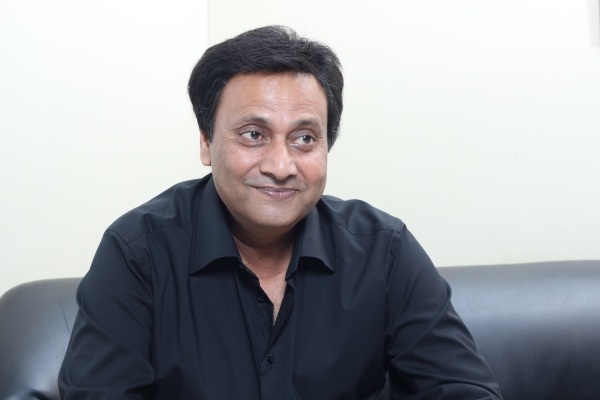
Waseem Abbas from Zindagi Gulzar Hai
Tufail (Shahood Alvi) in Azmaish (2021) married Almas to look after his pampered daughters Shiza and Samreen, then turned her into their babysitter. He falls for every lie they tell and reminds Almas how fortunate she is. When things go wrong, he has heart attacks. When Shiza's engagement breaks, he collapses. But does he ever stand up to them? Never.
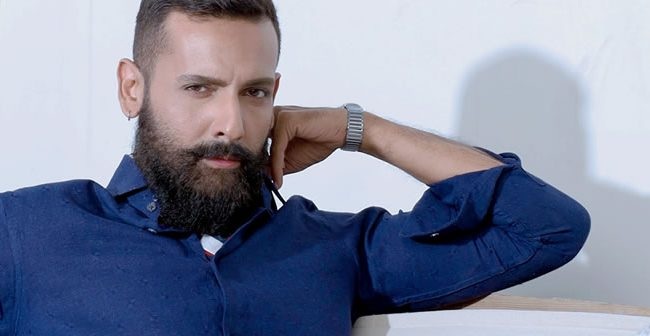
Mohib Mirza in Razia
The good father's death is narrative philosophy: fathers who would actually protect their daughters cannot exist in these dramas' worlds. They appear briefly but cannot survive contact with reality.

Shahood Alvi from Aazmaish
Realistic drama would show the father trying and encountering resistance, from family, from the scared daughter, from economic realities. Instead, we get time-jumps and convenient deaths without showing why the promise failed.
Toxic fathers live on demanding sympathy; helpless fathers maintain eternal grief without action. The message: male protection is either impossible (good father dies), corrupted (evil father reforms too late), or useless (helpless father can't help).
Kafeel seemed to say: maybe this time will be different. That hope made the time-jump devastating. The show knew it had given us a father worth believing in, then skipped past where he'd keep his promise.
This performs progressivism without following through. It knows the right words: "I'll stand by you," "I'll get you divorced", but won't show what those words mean in practice. It trains audiences not to expect better, not to imagine fathers who successfully protect, not to hope for women who escape before 22 years and four children cement them in place.
I'm not asking for fairy tales. Real fathers are complicated, make mistakes, struggle against social pressure.
But I am asking for fathers whose goodness doesn't trigger death certificates. Show us what happens when a father tries to keep promises and fails, really show us, not time-jump past it. Occasionally show us one who succeeds, gets his daughter divorced despite pressure, lives to see her rebuild. Not because it's common, but because it's possible. Possibility matters. The pattern is predictable now. Good father appears, we think "too good for this drama," and sure enough, dead or time-jumped past. Terrible fathers are immortal; useless ones haunt scenes like grief-stricken furniture.
If we keep killing good fathers, let's be honest: in Pakistani dramas' moral universe, genuine paternal protection is impossible. It's a fantasy, a brief lie before the writers' commitment to status quo reasserts itself.
We, and the daughters in these dramas, deserve better.
You may also like: