Written by: Amna Naseem
Posted on: October 23, 2025 |  | 中文
| 中文
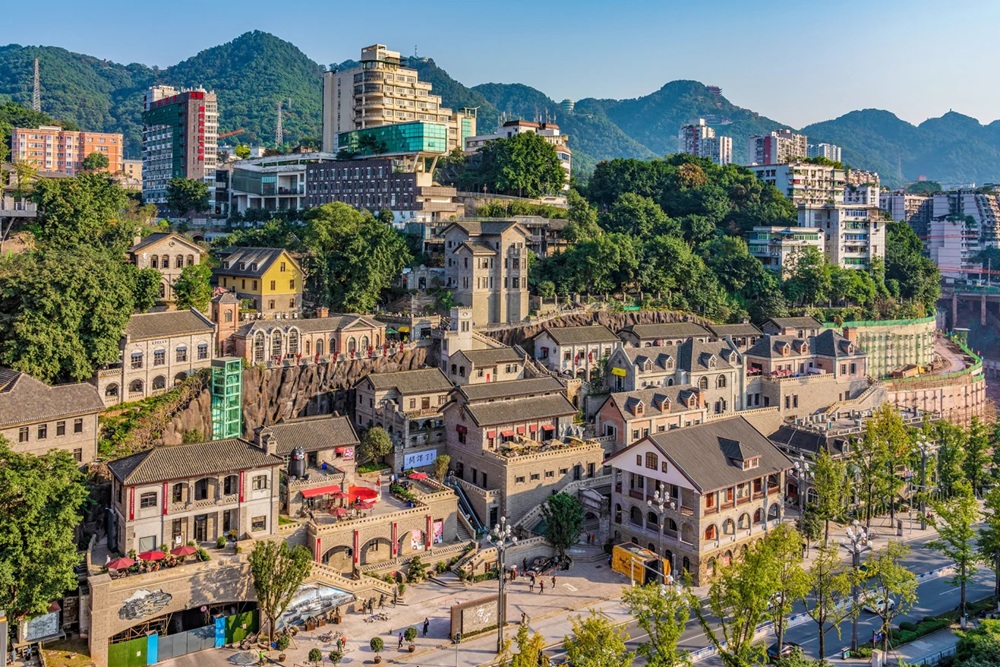
Longmenhao Old Street and city buildings in the hills in Chongqing.
It’s no exaggeration to say that Chongqing, China, is a true marvel of concrete and design. Situated in the mountainous southwest, this city can easily make you question your sense of depth, space and reality. It is often dubbed as China’s “8D City,” the nickname that perfectly captures the complexity of its remarkable infrastructure. Though landlocked, Chongqing spreads across an area nearly as large as Austria.
The city’s rapid growth and unusual layout make it feel like there’s something fascinating around every corner, even trains pass straight through buildings here. Tourists, and sometimes even locals, often lose their way, but getting a little lost in Chongqing is one of the most enjoyable parts of exploring it.
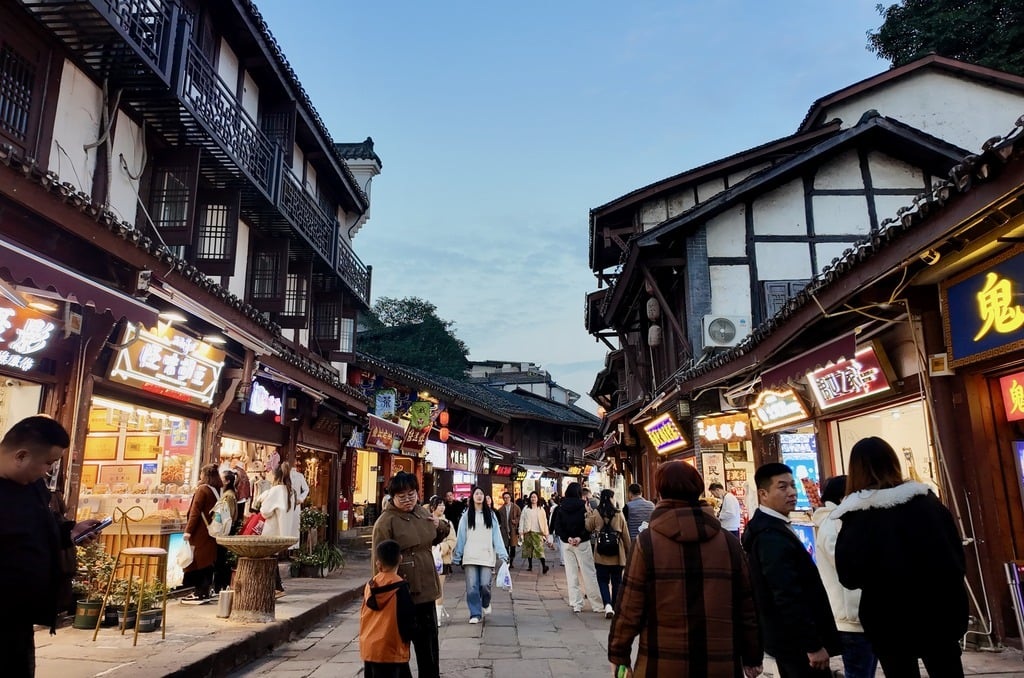
Ciqikou Ancient Town in Chongqing
Chongqing’s vertical design and infrastructure is mainly the reason that truly sets it apart from other places. This place has full potential to distort a person’s sense of depth and perception. You might feel like you’re standing on ground zero, watching pedestrians and cars go by, but in reality, you’d be on the 12th floor.
One might wonder about the reason for such unusual and unique architecture, and the answer lies in the geography. Chongqing is situated at the intersection of two of the main rivers, Yangtze and Jiang, surrounded by steep hills and cliffs.
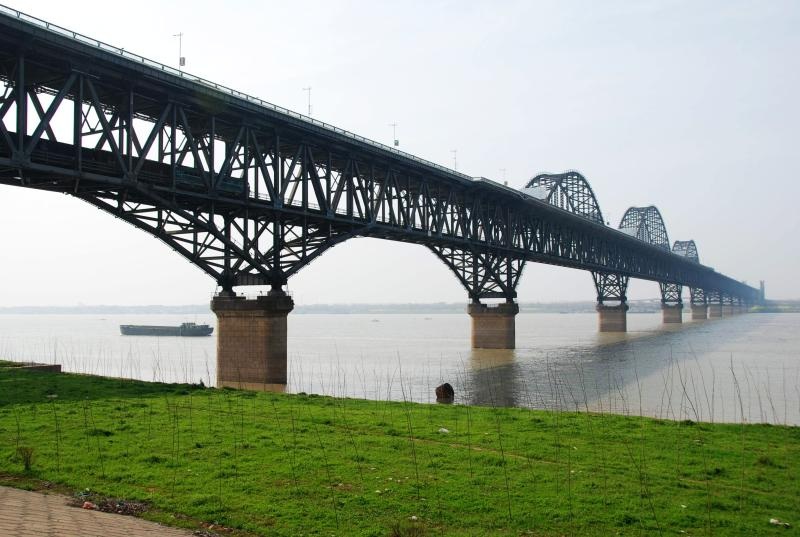
The Jiujiang Yangtze River Bridge, an arch bridge, was completed in 1992.
The reason for this distinctive design is largely due to geography. Chongqing is situated at the intersection of the Yangtze and Jiang rivers and is surrounded by steep hills and cliffs. Due to the limited flat land available, the city developed vertically by stacking layers of buildings, bridges, and roads on top of each other. Chongqing is often described as a city where every level is a different world.
Today, the city is home to more than 4,000 bridges and numerous tunnels, weaving through the landscape in ways that almost defy logic.
Living in Chongqing calls for a specific way of living. Locals have become skilled at climbing steep stairs, riding escalators that stretch for hundreds of meters, and traversing multilayered highways that twist above rivers and through mountains. The city's charm is enhanced by its subtropical climate, thick fog frequently blankets the skyline, creating a dreamy, cinematic look that photographers and filmmakers love.
Although Chongqing is a dense city, its people are recognized for their warmth and humor. The city has grown rapidly, but its residents have adapted with energy and creativity. They have embraced getting lost in a challenging landscape as a way of life and a source of endless exploration.
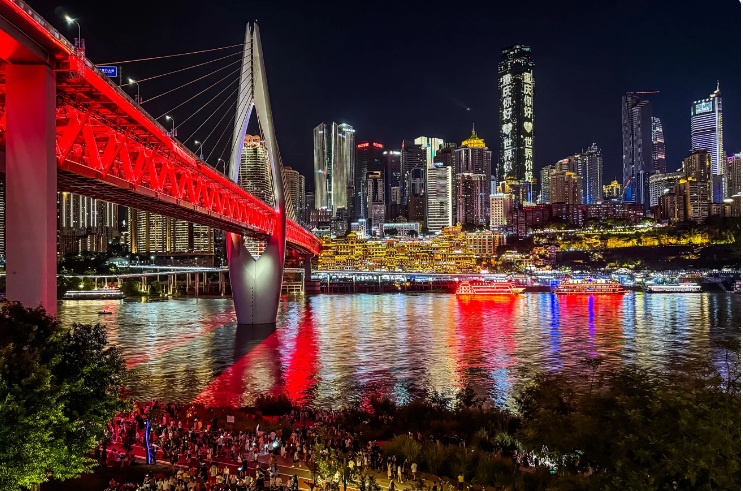
Tourists gather along the riverside promenade near the illuminated Qiansimen Bridge. (Photo from CNN)
There are several sites in Chongqing's urban maze that highlight the city's rich cultural heritage and contemporary flare. Hongya Cave (Hongyadong), a collection of traditional wooden structures situated along the riverbed, is one of the most well-known locations. The whole structure is illuminated at night, resembling a scene from a fantasy movie.
Then there's the Liziba Monorail Station, which is one of the city's most iconic sights, where trains go straight through a residential structure. Beautiful aerial views of the skyline may be seen from the Yangtze River Cableway, particularly around sunset when the city is bathed in pink and gold hues.
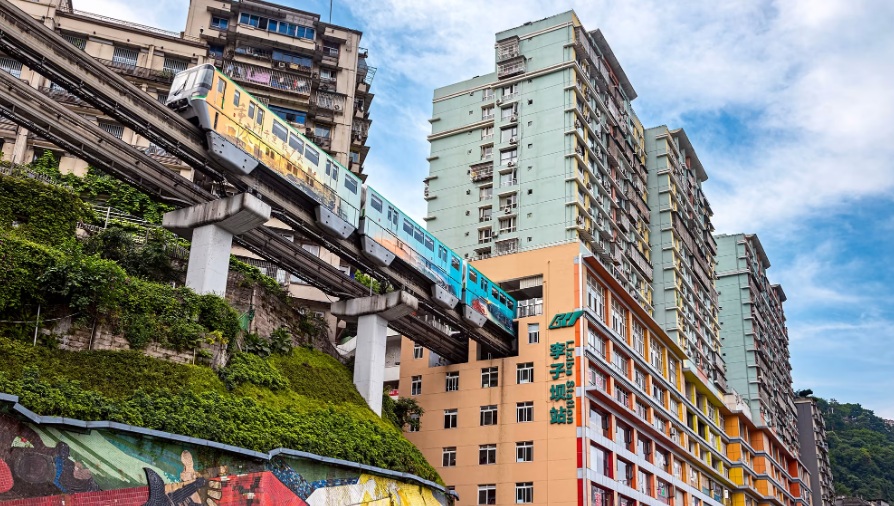
Chongqing Rail Transit Line 2 passes through a residential building in Liziba Station.
A visit to Chongqing wouldn't be complete without enjoying its famous cuisine. Chongqing hotpot, a flaming, bubbling pot of chili, peppercorns, and oil where friends congregate to cook meats and vegetables together, originated in the city. Hotpot is more than simply a meal; it's a communal custom that reflects the city's spirit: flavorful, vibrant, and daring.
Another important aspect of Chongqing is the street cuisine. Tiny booths selling grilled skewers, steamed buns, and spicy noodles flood the sidewalks with enticing scents. For residents, the spice serves as a coping mechanism for the humid atmosphere of the city and is more than just a matter of taste. Consuming spicy food promotes sweating and cooling, resulting in a delightful balance between the environment and food.
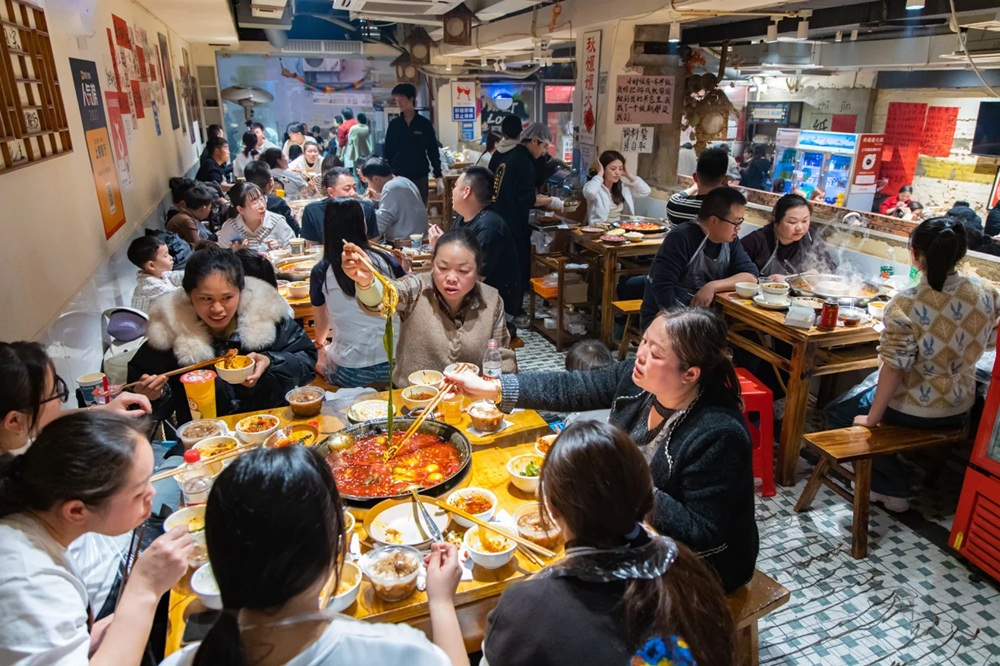
Spicy hotpot is one of the most popular meals in Chongqing. (Picture by CNN)
The city often feels like something out of a utopian vision, especially after dark when neon lights and illuminated skyscrapers transform it into a real-life cyberpunk movie scene.
Chongqing stands as a rare blend of history, innovation and natural beauty, a city that defies convention and rewards curiosity. Its layered streets, fog-draped skyline, and vibrant local culture create an atmosphere unlike anywhere else in China. Whether you come for its food, its architecture, or its surreal sense of dimension, Chongqing invites you to experience urban life in its most dynamic and visually striking form.
You may also like: