Written by: Rana Kanwal
Posted on: September 04, 2025 |  | 中文
| 中文

Chinese bride in traditional red Qipao during wedding rituals.
Weddings are not just events they are emotional journeys, painted with colors, music, rituals and traditions that reflect centuries of heritage. Whether you walk into a brightly decorated hall in Beijing or a Mehndi function in Lahore, the atmosphere is alive with the same emotions: love, laughter, blessings and hope for a new beginning.
China and Pakistan two countries geographically apart, yet deeply rich in culture celebrate weddings with a grandeur that blends tradition and modernity. While their customs differ, their values resonate with striking similarities: family, respect, hospitality and the sanctity of marriage.
In this article, let’s walk through the fascinating world of Chinese and Pakistani weddings, exploring the rituals, attire, food and emotions that make them unforgettable. Along the way, we’ll also highlight the friendship and harmony that connect these two nations beyond their borders.
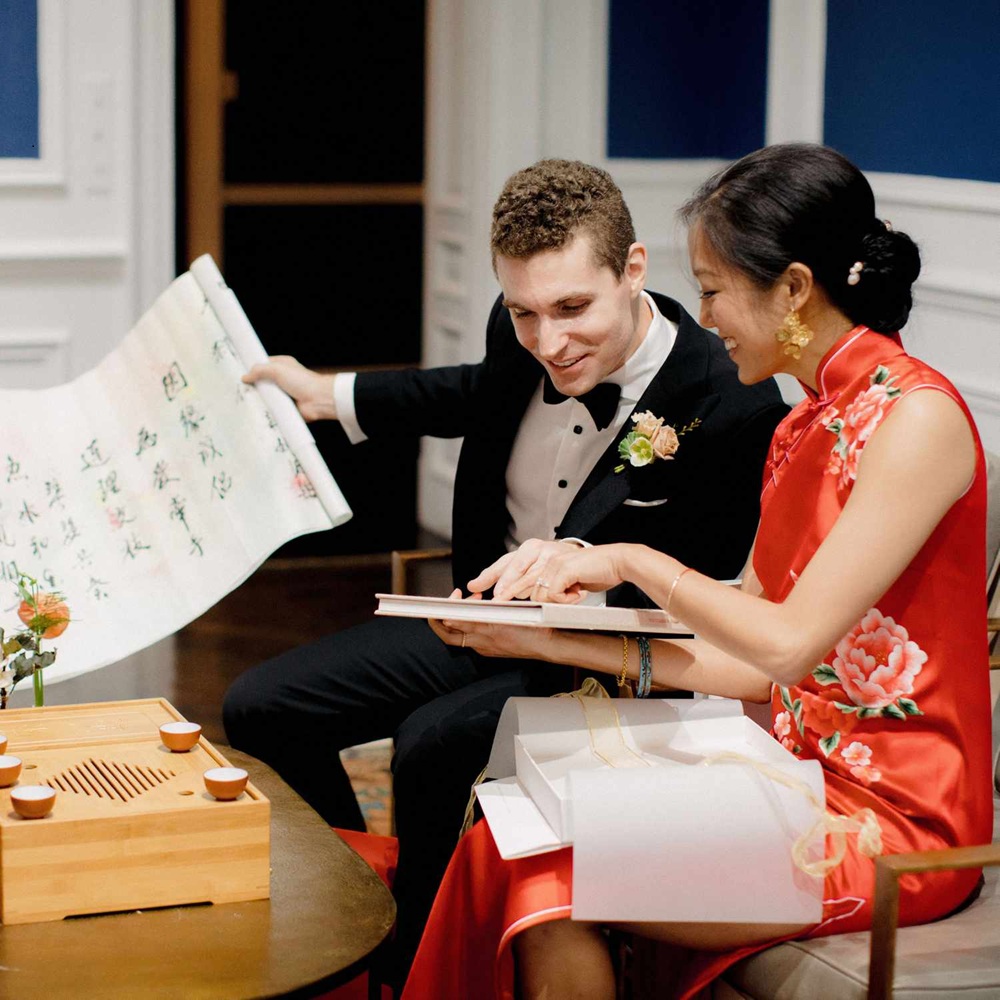
Bride and groom in ceremonial Chinese dress.
Chinese weddings beautifully combine ancient rituals with contemporary practices. Traditionally, marriage negotiations started with the families. Parents often relied on fortune tellers to match couples based on birth charts. While this ritual has become rare in modern cities, some families still practice it, blending destiny with decision-making.
Preparations begin months in advance. The color red dominates everything—from invitation cards to lanterns, symbolizing happiness and good fortune. In today’s urban settings, many couples also hire professional planners to design grand banquets, stage décor, and photography setups, ensuring everything runs flawlessly.
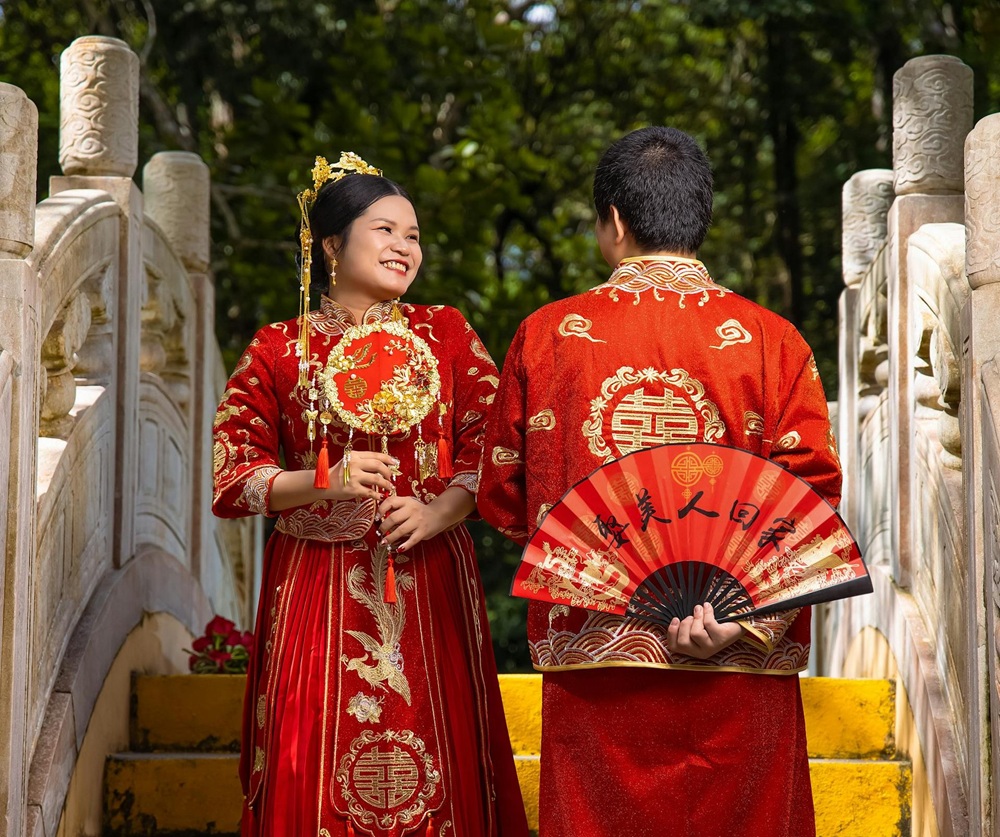
Back view of a couple in traditional embroidered attire.
Pakistani weddings are festivals in themselves. Preparations start long before the big day; markets buzz with shoppers, jewelers stay busy, and designers work overtime stitching heavily embroidered outfits. Wedding halls are booked months earlier, caterers are finalized, and music rehearsals for dance performances echo in homes.
The spirit of Pakistani weddings lies in collective joy. Friends, cousins, and even neighbors play active roles be it in decorating the house with fairy lights, planning dholki songs, or preparing trays of sweets. Unlike many cultures, here the wedding is not just about the couple but about entire families coming together in celebration.
Did You Know?In Chinese weddings, the color red symbolizes happiness, while in Pakistani weddings, red lehengas represent love and prosperity. Despite cultural differences, both nations give red the honor of being the color of marital joy.
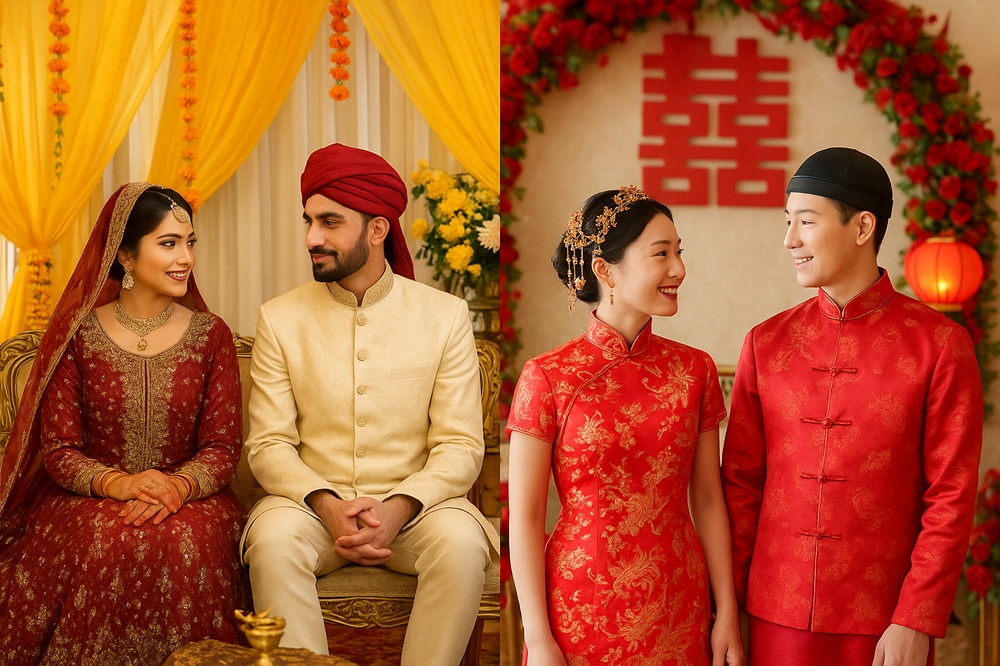
Wedding Traditions in China and Pakistan
A Chinese bride is a vision in her Qipao a figure-hugging gown, often red with golden embroidery of dragons and phoenixes. This attire is not only about beauty but symbolism: dragons represent strength and phoenixes harmony.
In modern weddings, brides often wear a Western white gown for the ceremony, only to change into the red Qipao for the banquet. Gold jewelry often passed down from mothers or grandmothers is worn as a sign of wealth, continuity, and happiness.
The groom typically dons a black or navy suit today, though in rural weddings, he may wear a long robe adorned with traditional motifs. Together, they represent elegance, unity, and prosperity.
Pakistani Bridal AttirePakistani brides are known for their breathtakingly elaborate lehengas, ghararas, or shararas, crafted with painstaking embroidery, sequins, beads, and handwork. The traditional color is red, yet many brides now experiment with maroon, gold, pink, or even pastel shades.
Bridal jewelry is equally symbolic heavy gold sets, bangles, and jhumkas are often gifts from the family, reflecting tradition and status.
The groom usually wears a sherwani with a turban, embodying grace and royalty. In some regions, kurta-pajama or achkan is worn. Together, the bride and groom are dressed not only as individuals but as carriers of their cultural heritage.
Did You Know?Chinese brides often wear three outfits in a single day a white gown, a red Qipao, and a stylish cocktail dress. Pakistani brides, on the other hand, may have separate outfits for Mehndi, Baraat and Walima, making it a true fashion marathon.
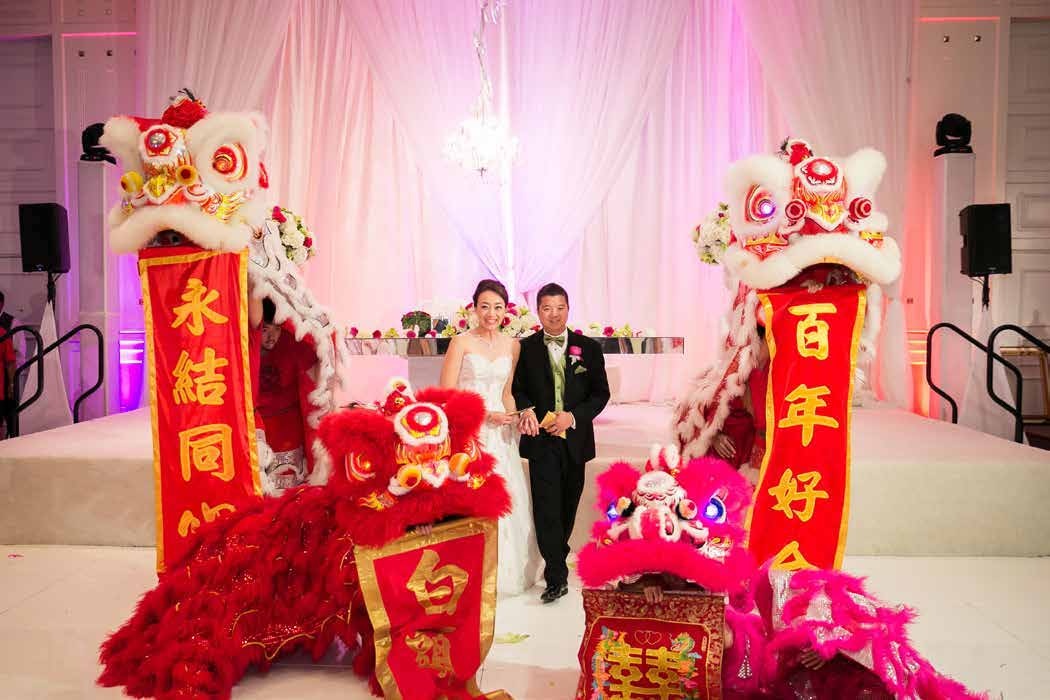
Chinese wedding banquet or decorated venue.
1. Betrothal Ceremony (Guo Da Li): The groom’s family presents symbolic gifts tea, wine, fruits to the bride’s family as a gesture of respect and goodwill.
2. Hair Combing Ceremony: Performed the night before the wedding, signifying the bride’s transition into adulthood and married life.
3. Wedding Day Rituals: The groom arrives at the bride’s home but must “earn” her through playful challenges set by bridesmaids.
Firecrackers, lion dances, and drums create a festive atmosphere.
4. Wedding Banquet: The highlight of the day a lavish feast where family and friends toast the couple, share laughter, and bless the union.
Pakistani Wedding Events
1. Dholki/Mehndi: Pre-wedding nights full of music, dance, and henna designs on the bride’s hands and feet.
2. Mayun: A tradition where the bride is kept at home and beautified with turmeric paste, believed to bring glow and blessings.
3. Baraat: The groom’s grand arrival with his family, marked by dancing, music, and fireworks.
4. Nikah: The most sacred part the signing of the marriage contract in the presence of an Imam, officially making the couple husband and wife.
5. Rukhsati: An emotional farewell when the bride leaves her parents’ home to begin a new life.
6. Walima: The groom’s family hosts the reception, symbolizing acceptance of the bride and sharing joy with the community.
Did You Know?
• At Pakistani weddings, sweets(meethai) like gulab jamun are distributed immediately after the Nikah as a symbol of spreading happiness.
• In Chinese weddings, even the number of dishes served at the banquet is meaningful dishes are always in even numbers, as even numbers represent good fortune.
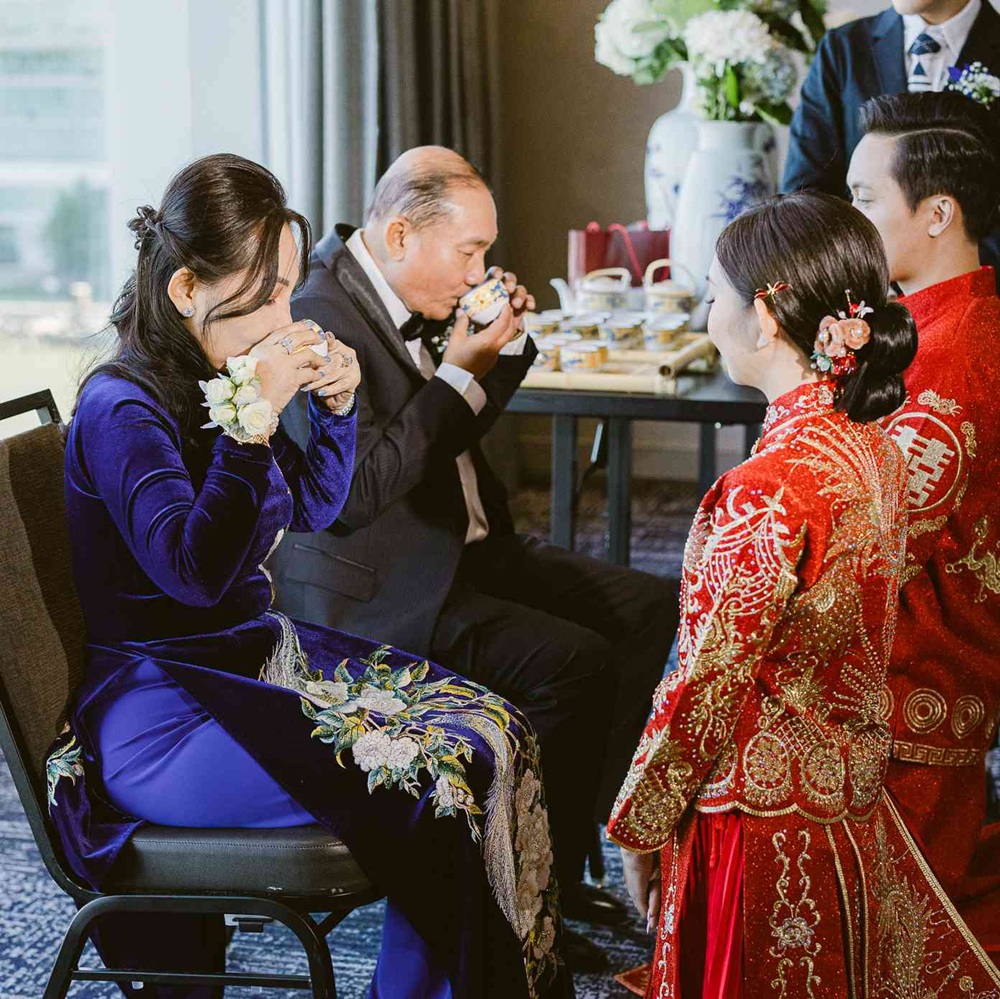
Tea ceremony with bride and groom serving their elders.
In China, a wedding banquet can feature up to twelve or more courses. Dishes like roasted duck, steamed fish, dumplings, and sweet lotus seed soup aren’t just food they are symbols of prosperity, fertility and sweetness in life.
In Pakistan, the feast is a spectacle of its own. From steaming plates of biryani, kebabs, and qorma to rich desserts like gulab jamun, kheer and halwa, the food represents not only tradition but also hospitality. Guests are treated like royalty, for feeding others is considered a blessing in Pakistani culture.
Chinese weddings highlight filial piety and respect for ancestors. Each ritual honors elders, reinforces family bonds, and ensures blessings for the new couple.
Pakistani weddings, in contrast, emphasize hospitality, religion and community participation. The Nikah ceremony embodies spiritual sanctity, while collective celebrations bring warmth and togetherness.
In both cultures, weddings are not merely personal milestones they are reflections of family honor, cultural pride and social bonds.
Beyond their weddings, China and Pakistan share a time-tested bond, often described as that of “Iron Brothers.” From political cooperation to cultural exchanges, this friendship reflects respect and mutual admiration.
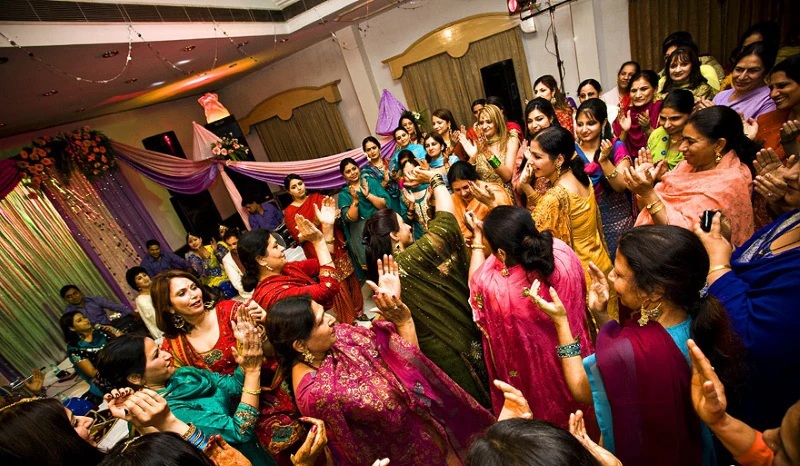
Dholki in a Pakistani wedding
Weddings in China and Pakistan are not just about two individuals, they are about families, communities and centuries of traditions coming together in celebration. From the red Qipao of a Chinese bride to the shimmering lehenga of a Pakistani bride, from the twelve-course banquets of Beijing to the grand feasts of Lahore, these weddings showcase culture at its finest.
They remind us that while traditions differ, love, respect and family are values that unite us all. Whether it’s a tea toast in China or a baraat dance in Pakistan, these weddings are cultural masterpieces, inspiring the world with their colors, flavors, and emotions.
As globalization brings societies closer, appreciating each other’s wedding traditions is like building bridges of understanding. China and Pakistan, with their shared love for family and festivity, show us that joy knows no borders and weddings, above all, are the ultimate celebration of life.
You may also like: