Written by: Saman Khalid
Posted on: April 02, 2026 |  | 中文
| 中文
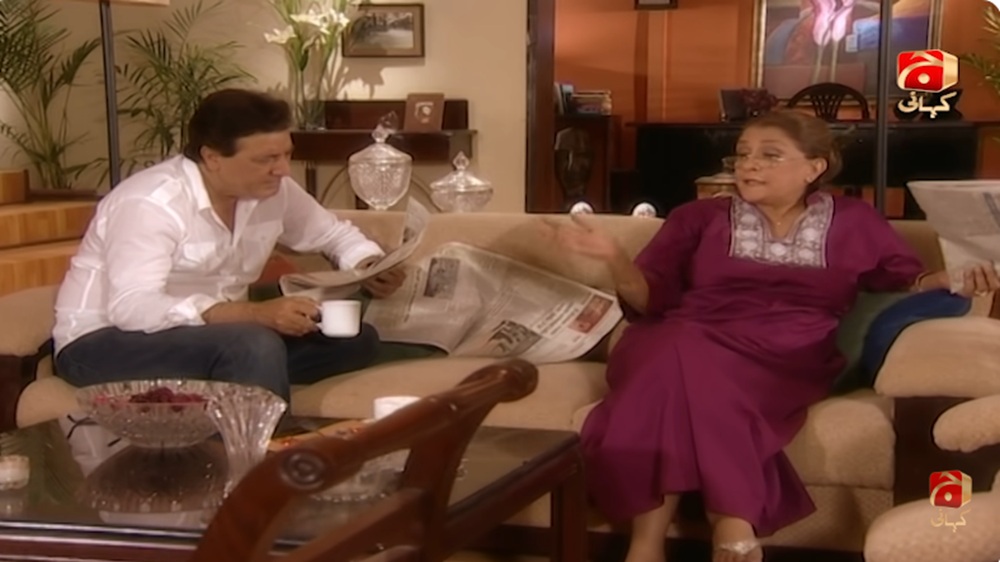
Javed Sheikh and Samina Ahmed in Dolly Ki Ayegi Baraat
Remember those glorious 2018 post-iftar evenings? Families would huddle around the television, sharing hearty laughs over the latest episode of Suno Chanda. Time seemed to slow down for that one hour. Everyone, from the youngest child to the oldest patriarch, would simply let the drama wash away the worries of the day.
Since then, scores of new shows have attempted to recreate that vibe. Whether they've succeeded is an entirely different question - one we'll explore here.
While old Pakistani television has multiple comedy titles to boast of, this article focuses on the modern era of the genre. The first mainstream comedy that comes to mind is the infamous Baraat series; four seasons of intelligent humor, animated characters, progressive social commentary, and wholesome romance. Icons like "Saima Chaudhry" still have fans swooning to this day.
After the Baraat series, the comedy genre seemed to hit the brakes. It was years before Hum TV announced a brand-new Ramadan romcom: Suno Chanda. What began as an experimental jab soon turned into a nation-wide sensation, raking in millions of positive reactions. The Tom-and-Jerry dynamic between the leads served as the main poster, but the actual heart of the drama resided in the messy yet heartwarming joint family dynamics, masterful situational comedy, hard-hitting one-liners, and memorable characters colored in cultural richness.
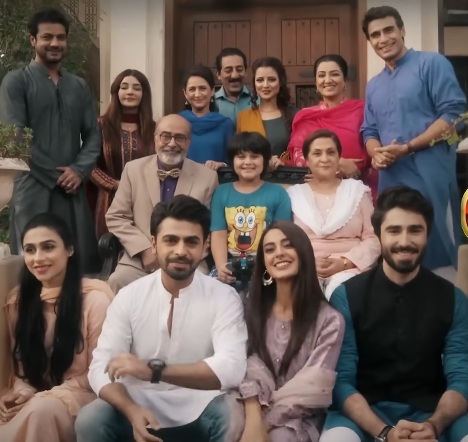
Full cast of Suno Chanda
The following years followed suit, bringing a fresh wave of Ramadan comedy staples: Suno Chanda season 2, Chupke Chupke, Ishq Jalebi, and Hum Tum. Romcoms were established as mandatory Ramadan specials, with one impressive show after another gracing our screens.

Amar Khan and Imran Ashraf in Heer Da Hero
The period from 2018 to 2022 marked the golden age of Pakistani romcoms: authentic storytelling concocting an impeccable blend of laugh-out-loud moments and character dynamics the audience felt emotionally invested in. The 30-episodes-in-30-days format added massively to the appeal, generating a hype factory viewers couldn't get enough of.
Unfortunately, the upward trend met a sorry end soon afterwards. Every year arrived with the promise of a new comfort watch, only to deliver an incredibly mediocre- and sometimes outright pathetic- drama. The number of romcoms ramped up and crowded every channel, but the quality suffered an unmistakable dip. Chand Tara, Heer Da Hero, Very Filmy, Tere Mere Sapnay are just some of the disappointing titles from the past few years.
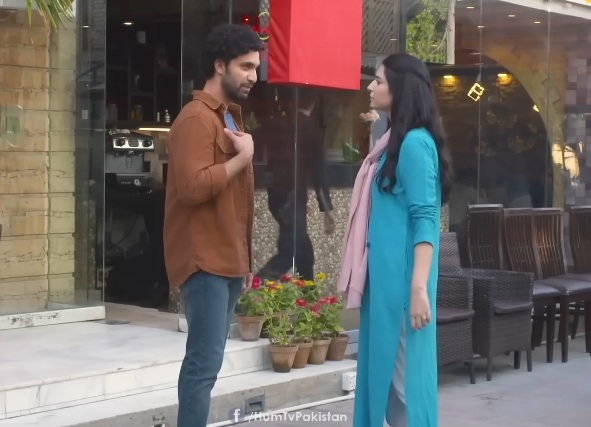
Ahad Raza Mir and Ramsha Khan in Hum Tum
Or so the makers thought.
They managed to copy the formula line by line but forgot to add any trace of actual substance. These new dramas were stripped of everything that defined the golden age, and instead infused with meaningless noise pretending to be funny, and mind-numbingly annoying characters masquerading as clones of Arsal and Jiya. These shows were more cash-grab caricature than anything else.
While some suspension of disbelief is almost imperative to enjoy a romcom, the dark ages took it to unbearable extremes. Nothing has to make sense as long as it comes across as quirky. Fully grown adults acting like children, making the most idiotic choices, and throwing unreasonable tantrums pretty much constitute a whole episode. The sheer audacity of these shows to insult the audience's intelligence needs to be tried in court.
Most average shows are simply boring to consume. These romcoms take it a step further; they make the viewing experience actively painful. A horrendous medley of forced comedy scenarios plays out, populated with dialogues that seem written by a toddler, as characters commit to screaming matches. This circus of a narrative is intended as "humour" and is supposed to elicit positive emotional reactions. The only thing it succeeds at inducing is a gag reflex.
It is customary for romcoms to have a relatively loose plot so that light-hearted aspects can take precedence. That being said, every drama needs at least some form of storyline that keeps things together. Viewers need a consistent narrative to get invested in, so they keep tuning in.
Unfortunately, modern Pakistani romcoms have abandoned this principle in favor of disjointed sequences that don't go anywhere. It appears as if the "story" is being added to as the drama continues, with no regard for decent writing.
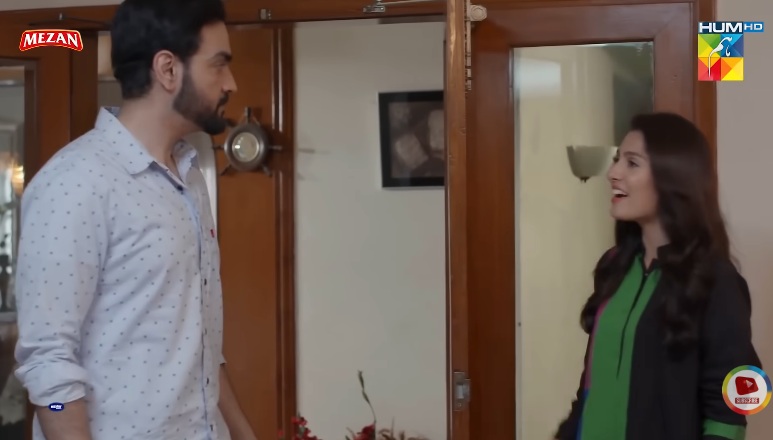
Arsalan Naseer and Ayeza Khan in Chupke Chupke
The other Ramadan shows seem to fall into the same category more or less. Long story short, we are witnessing yet another mournful year for romcoms.
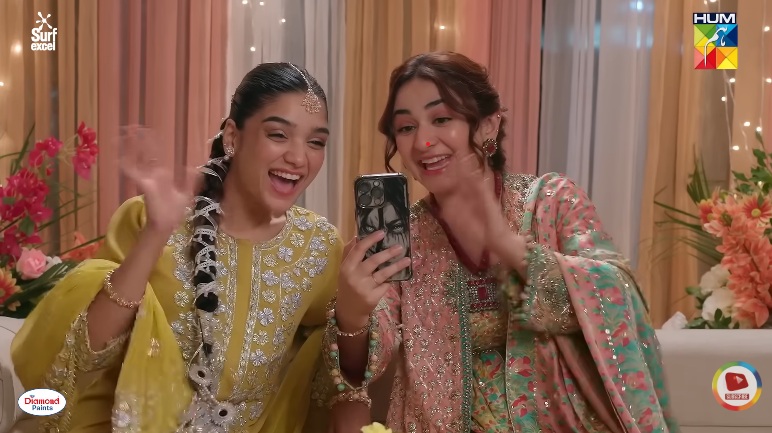
Yumna Zaidi and Romaisa Khan in Dekh Zara Pyar Se
You may also like: