Written by: Saram Maqbool
Posted on: May 19, 2026 | 
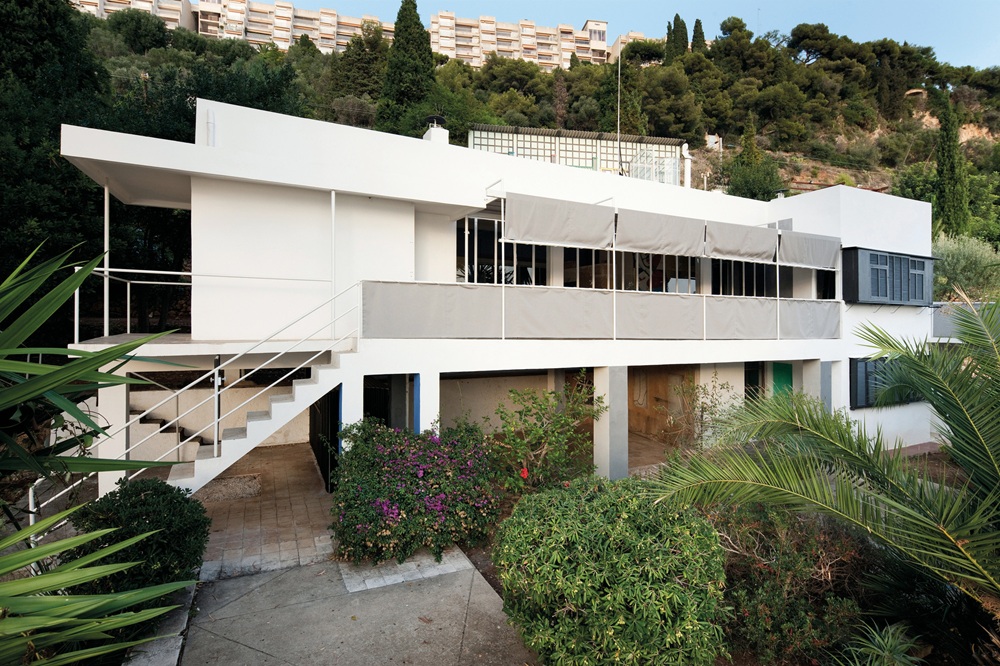
House E-1027 by Eileen Gray
I remember being asked by one of our professors on the first day of architecture school to define architecture. Most of us repeated a variation of the same definition we'd found online: “it is the art and science of designing buildings". To this day, a decade and a half later, I ask myself if architecture is more art or more science. And to this day, I can't truly find the answer. This becomes even more difficult to answer when I think of all the influential architects of eras past that did not have formal architectural education. They were artists or travelers or craftspeople who got into architecture and changed various aspects of it for the better. It is to these master architects that we owe much of our current design sensibilities, which leads me to believe that architecture is more art than science. The work of these architects suggests that architecture is as much, if not more, a way of seeing and thinking as it is a technical profession. The absence of formal schooling did not limit these designers but freed them from inherited conventions in many ways, and allowed them to redefine the discipline itself.
Tadao Ando is perhaps the most widely cited example of a self-taught architect who reshaped contemporary architecture. Before turning to design, he worked as a boxer and traveled extensively, studying buildings firsthand rather than through institutional frameworks. His architecture reflects this experiential learning. Concrete, in Ando’s hands, becomes a medium of precision and silence rather than brute mass. Projects such as the Church of the Light reveal a deep sensitivity to geometry and natural illumination, where a simple cross-shaped incision transforms light into a spiritual presence. Ando’s impact lies not only in his minimalist aesthetic but in demonstrating that architectural knowledge can be constructed through observation, discipline, and philosophical clarity rather than formal schooling.
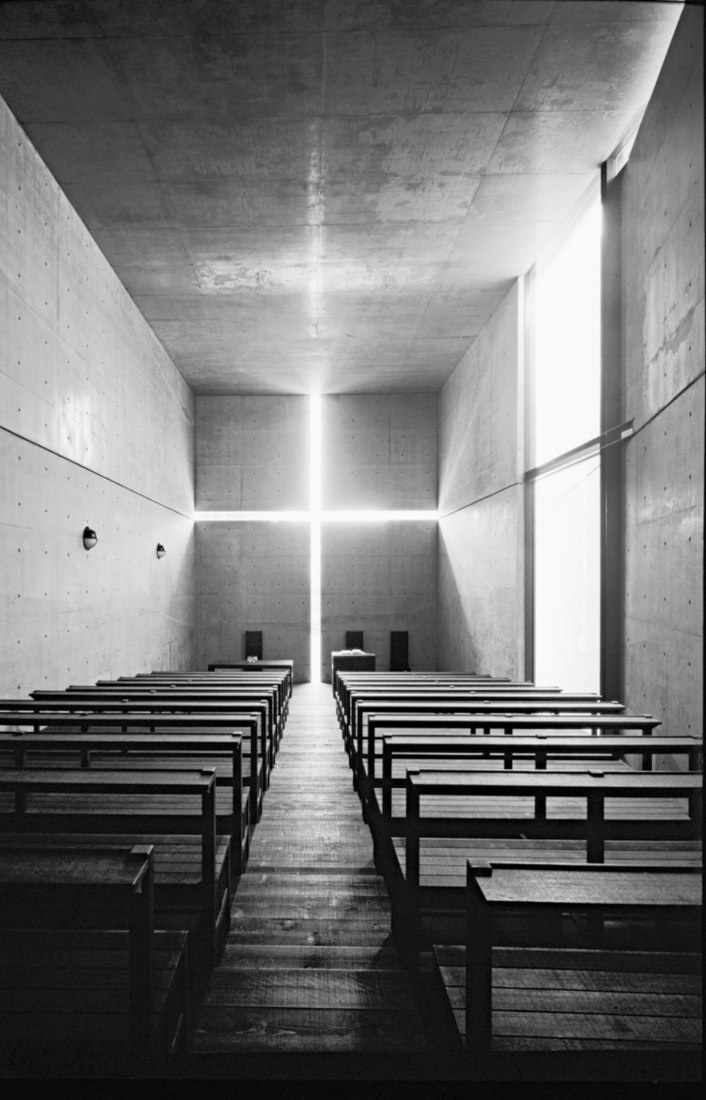
Church of the Light by Tadao Ando
Similarly transformative, though emerging from a different trajectory, is Le Corbusier. Trained initially in decorative arts rather than architecture, he developed his ideas through travel, writing, and painting. His theoretical work redefined the language of modern architecture, introducing concepts such as the “Five Points of Architecture” and promoting the house as a “machine for living.” While many of his urban visions were controversial, his influence on modernist planning and architectural form is undeniable. By bypassing traditional academic training, Le Corbusier approached architecture as a synthesis of art, technology, and social reform, reshaping how architects understood their role in society.
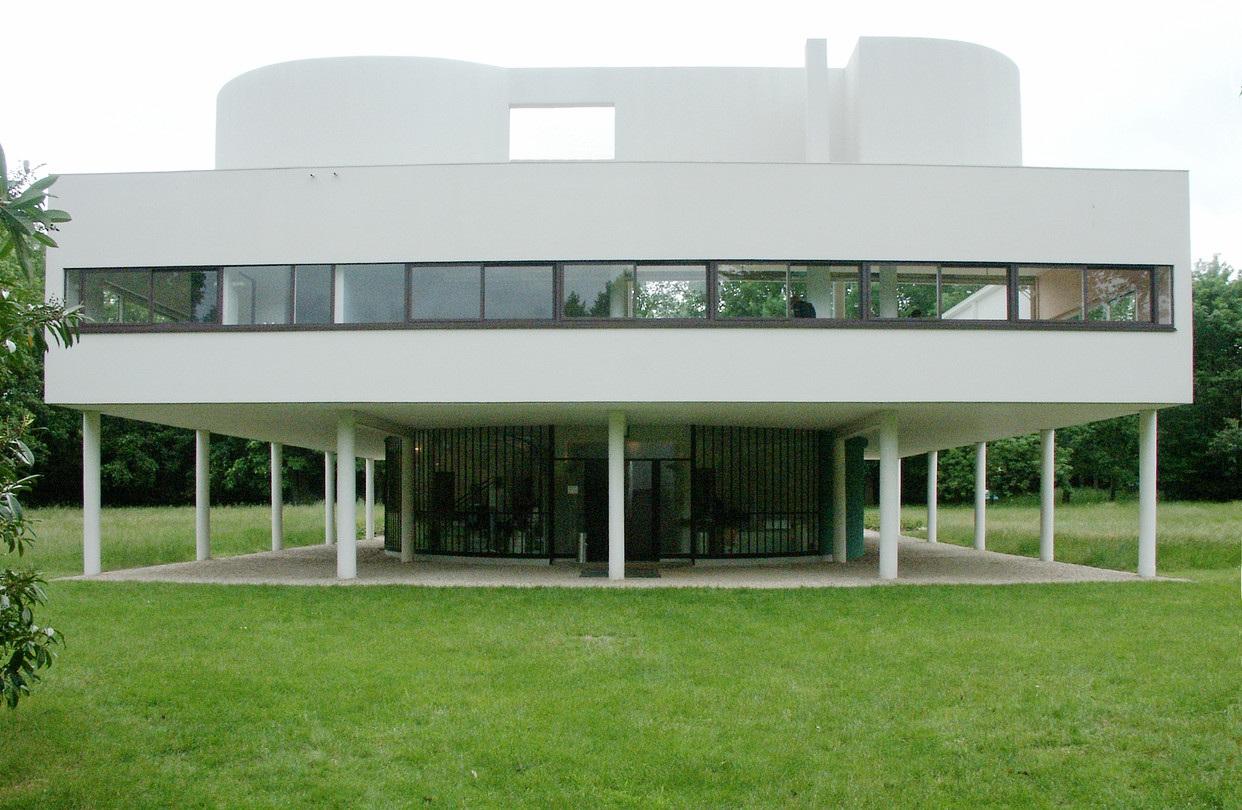
Villa Savoye by Le Corbusier
Ludwig Mies van der Rohe followed yet another unconventional path. Without formal architectural education, he began in his father’s stone masonry workshop before working in architectural offices. This grounding in material craft informed his later pursuit of structural clarity and spatial minimalism. His dictum “less is more” became a defining principle of modernism. Buildings such as the Barcelona Pavilion and the Seagram Building distilled architecture to its structure, proportion, and material. Mies’s impact lies in his radical reduction of form, proving that simplicity can achieve profound spatial and aesthetic depth when used the right way.
While many discussions of modernism center on male figures, Eileen Gray offers a critical counterpoint. Largely self-taught in architecture, she came from a background in furniture and interior design. Her approach blurred the boundaries between architecture and inhabitation. The house E-1027, perhaps her most celebrated work, demonstrates an acute sensitivity to daily life through movable partitions, built-in furniture, and carefully calibrated views. Gray’s impact extends beyond her built work as she challenged the hierarchy that placed architecture above interior design and emphasized the lived experience of space. Her relative marginalization in architectural history further highlights how non-traditional paths, particularly for women, have often been overlooked despite their influence.
Buckminster Fuller represents perhaps the most radical departure from conventional architectural practice. Without formal architectural training, Fuller approached design as a systemic problem, integrating engineering, mathematics, and environmental thinking. His geodesic domes exemplify efficiency by maximizing structural strength while minimizing material use. More broadly, Fuller introduced a way of thinking about architecture as part of a global ecological system. His concept of “doing more with less” resonates strongly in contemporary sustainability discourse. Fuller’s impact lies less in stylistic contribution and more in expanding the intellectual boundaries of architecture itself.
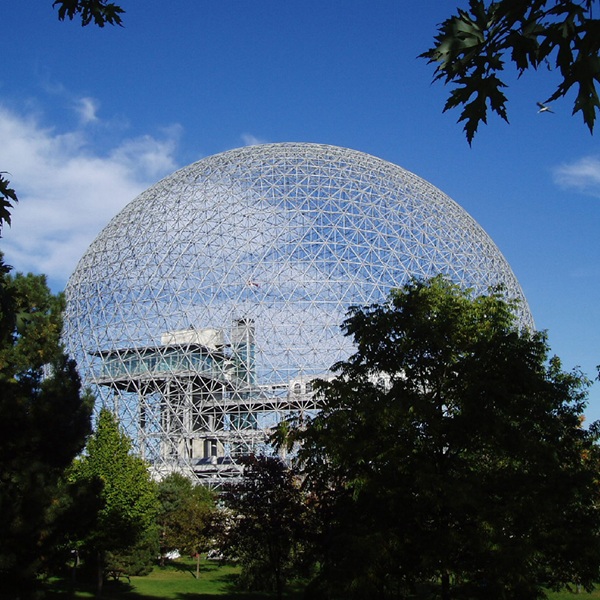
The Geodesic Dome by Buckminster Fuller
Frank Lloyd Wright, one of the most iconic figures in architectural history, also followed a non-traditional path. Although he briefly studied engineering, his real education came through apprenticeship under Louis Sullivan. Wright’s architecture redefined the relationship between building and landscape. His concept of “organic architecture” sought harmony between human habitation and the natural world. Fallingwater remains a powerful example, where the house extends over a waterfall, integrating structure and site. Wright’s impact is vast in reshaping residential design, spatial planning, and the idea that architecture should grow from its environment rather than impose upon it.
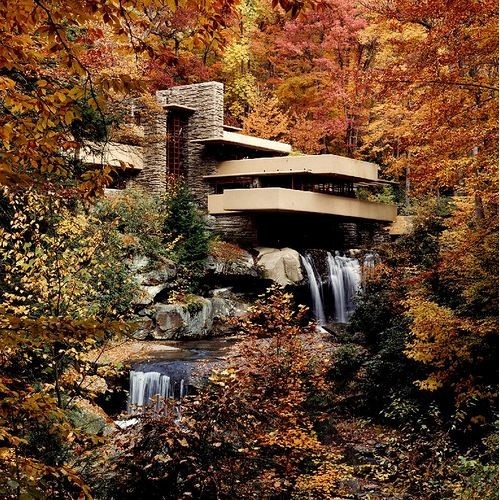
Falling Water by Frank Lloyd Wright
Finally, Peter Zumthor offers a contemporary example of an architect whose early training was rooted in craft rather than formal architectural education. Beginning as a cabinetmaker, he developed a tactile understanding of materials that continues to define his work. Although he later pursued formal studies, his approach remains grounded in making and sensory experience. Buildings such as the Therme Vals demonstrate an almost archaeological sensitivity to material, light, and atmosphere. Zumthor’s impact lies in resisting the image-driven culture of contemporary architecture, instead emphasizing experience, memory, and the emotional resonance of space.
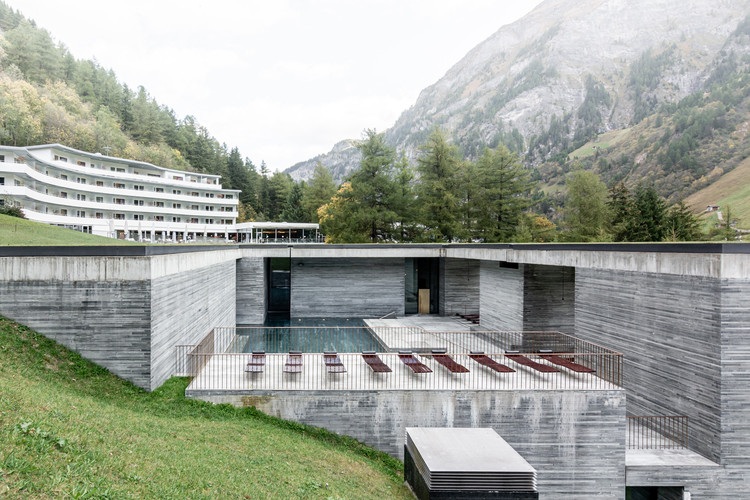
The Therme Vals by Peter Zumthor
Taken together, these architects reveal that the absence of formal architectural education is not a limitation but a different mode of entry into the discipline. Their diverse backgrounds, whether in craft, art, engineering, or self-directed study, allowed them to question established norms and develop distinct architectural languages. And considering just how much their work has influenced architecture as a whole over time, the idea that architecture is more art than science becomes a little more compelling.
You may also like: