Written by: Rana Kanwal
Posted on: July 24, 2025 |  | 中文
| 中文

Fawad Khan and Vaani Kapoor in Abeer Gulal
The recently released trailer of Sardar Ji 3, starring Pakistan’s rising star Hania Aamir and India’s beloved Diljit Dosanjh, has reignited a debate that seems to cyclically resurface: Should Pakistani actors collaborate with Indian cinema when the larger political and cultural climate remains so hostile?
The film’s trailer, while warmly received in Pakistan and among the Punjabi-speaking diaspora, became an instant topic of discussion not only because of the star power attached to it but also due to the cross-border collaboration it represents. While fans of Hania Aamir celebrated her big leap into Punjabi cinema, the response from Indian media and right-wing circles was far less welcoming.
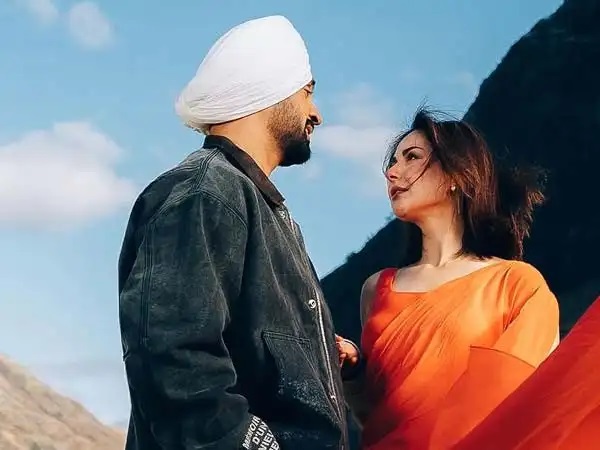
Hania Aamir and Diljeet Dosanjh in Sardar Ji 3
This reaction came amidst ongoing political and military tensions between Pakistan and India. In recent months, hostility has intensified from ceasefire violations at the Line of Control to increasingly jingoistic rhetoric on both sides. Within this inflamed environment, the appearance of a Pakistani actress in an Indian Punjabi film was seen by many Indian commentators as a betrayal of national sentiment.
Hashtags like #BoycottSardarJi3 and #BanPakArtists, along with derogatory remarks aimed at Pakistani talent, flooded social media platforms. Indian news anchors debated whether the film should even be allowed to release, while some groups deemed it a matter of “national security” and “patriotism” to oppose any form of collaboration with Pakistanis regardless of artistic merit. Once again, politics eclipsed art.
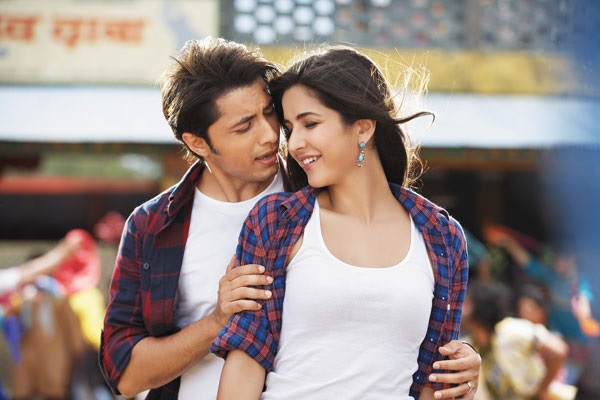
Ali Zafar and Katrina Kaif in Mere Brother Ki Dulhan
This latest reaction is not an isolated incident in fact; it fits into a disturbing pattern we've seen before. In recent years, Pakistani talent has repeatedly faced backlash after contributing to Indian cinema. Mahira Khan, after working alongside Shah Rukh Khan in Raees, was virtually erased from the film’s promotional campaign. Fawad Khan, who had made a strong mark in Bollywood with hits like Kapoor & Sons and Ae Dil Hai Mushkil, was abruptly dropped following political tensions. Posters were torn, public protests staged, and an entire community of artists punished simply for their nationality.
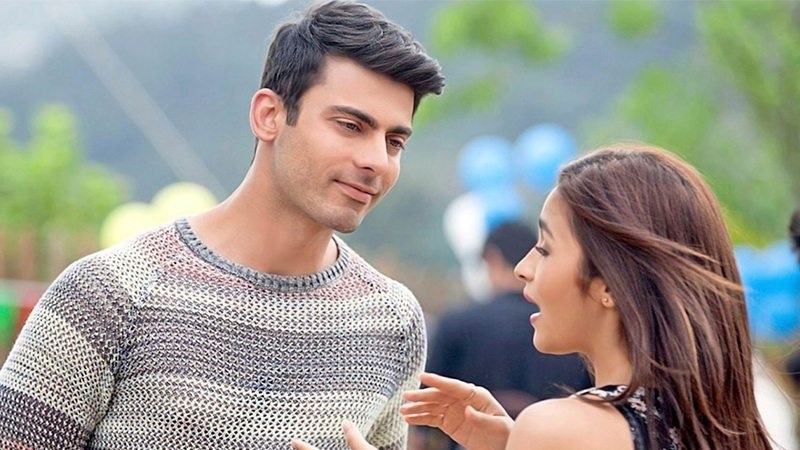
Fawad Khan and Aalia Bhatt in Kapoor and Sons
It begs the question: Why do Pakistani actors continue to seek validation from an industry that is so quick to disown them? It’s easy to understand why Pakistani artists are drawn to Indian cinema. Bollywood offers a global stage, a larger-than-life platform, and exposure that the Pakistani film industry, despite its growth, still struggles to provide consistently. The budgets are bigger, the audience base wider, and the career boost almost guaranteed at least in the short term.
When Pakistani actors sign on to Indian projects, they do so knowing that their presence is conditional tolerated in times of peace, but swiftly discarded during any dip in diplomatic relations. No matter how talented they are, they remain “outsiders,” vulnerable to blacklisting, boycotts and erasure at the first sign of political unrest. The love from Indian audiences may be real, but the industry’s treatment is fragile and unpredictable.
One of the most concerning aspects of this dynamic is the lack of permanence and protection for Pakistani artists in India. While Indian actors like Naseeruddin Shah, Om Puri and Shabana Azmi have been welcomed with open arms in Pakistan, the courtesy has rarely been reciprocated sustainably. Pakistani actors even at the peak of their popularity often find themselves at the mercy of extremist groups, nationalist lobbies, and hyper-politicized media coverage.
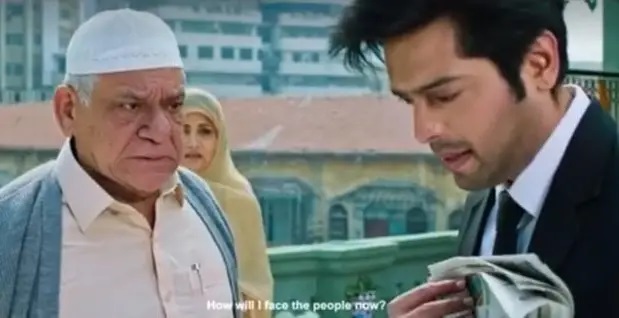
Om Puri and Fahad Mustafa in Actor in Law
In the long run, the psychological and professional toll of working in such a hostile environment is immense.
This isn’t a call for isolationism or to shut cultural doors. Art, music and cinema should transcend borders. But artists also deserve to work in environments where they are respected, not just temporarily accepted. In Pakistan, actors like Hania Aamir enjoy stardom, consistent work, creative freedom and the admiration of millions. Is it worth stepping into a space where your presence is politicized and your identity questioned?
The issue here is not India versus Pakistan it’s dignity versus dependency. Should an actor compromise their self-respect and artistic integrity just for wider exposure? Is international fame worth the risk of humiliation being edited out of trailers, dropped from events, or having posters torn down?
Pakistan’s entertainment industry is evolving, and fast. With the rise of OTT platforms, international film festivals, and a growing South Asian diaspora audience, our actors no longer need Bollywood as a stepping stone. In fact, many more meaningful collaborations can be explored in neutral markets like the UK, Canada, Turkey and the Gulf, where the environment is far less politicized and the creative process more open.
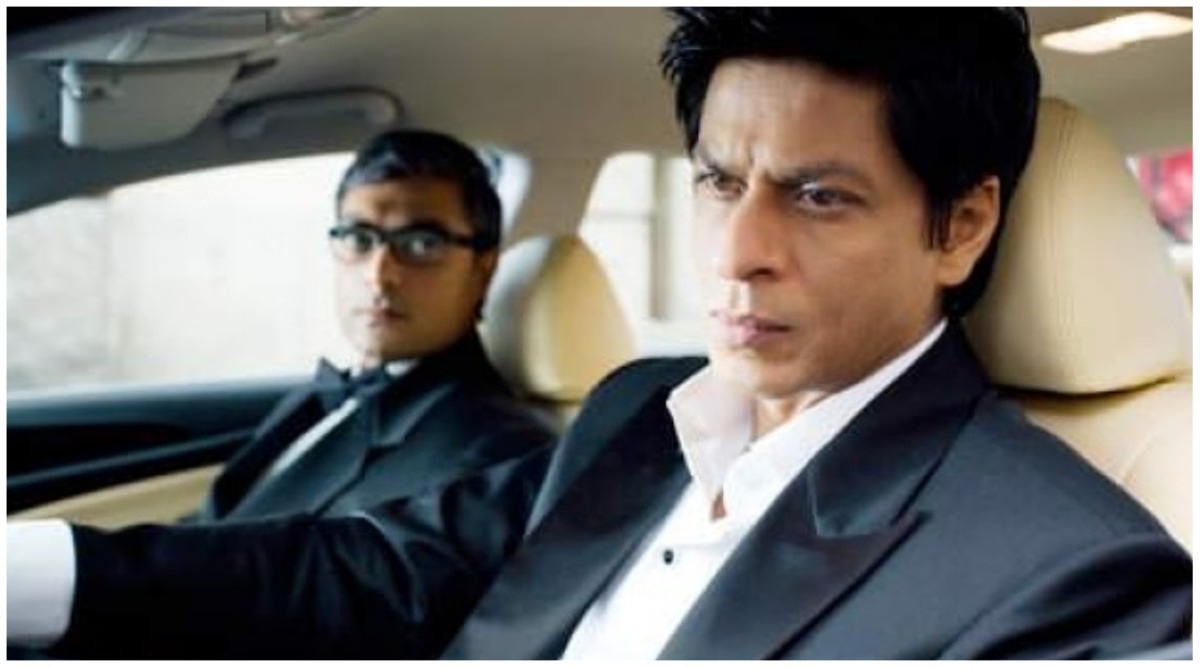
Alyy Khan and Shahrukh Khan in Don 2
Instead of chasing after an industry that continues to build walls, Pakistani artists must now invest in building bridges elsewhere especially in regions where art is valued above politics.
If cross-border collaborations are to happen, they must be rooted in mutual respect, creative equality, and the guarantee of safety and dignity. Until that becomes the norm, any collaboration with Indian cinema will remain conditional, controversial and emotionally costly.
Hania Aamir’s casting in Sardar Ji 3 should have been celebrated as a symbol of artistic unity and cultural exchange. Instead, it has exposed yet again the fragility of Indo-Pak relations and the deep-rooted intolerance within parts of Indian society when it comes to engaging with Pakistani talent.
While her performance may shine on screen, one must ask: at what emotional and national cost?
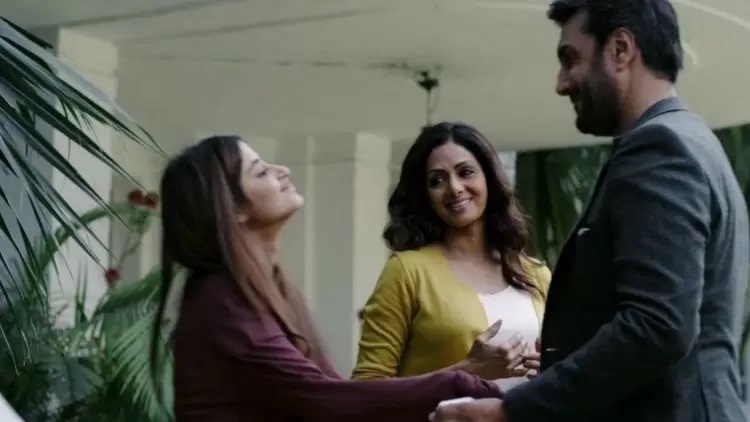
Sajal Aly, Sridevi and Adnan Siddiqui in Mom
It is time for Pakistani actors to reflect not just on the opportunities they pursue, but on the values, they stand for. Fame earned without dignity is fleeting. But legacy built on self-respect, resilience and integrity now that is something truly lasting.
You may also like:
From the Horn of Africa to Bahria Town: Habesha Café Brings Centuries of Coffee Culture to Rawalpindi
(October 15, 2026)