Written by: Muhammad Suhayb
Posted on: January 22, 2026 |  | 中文
| 中文
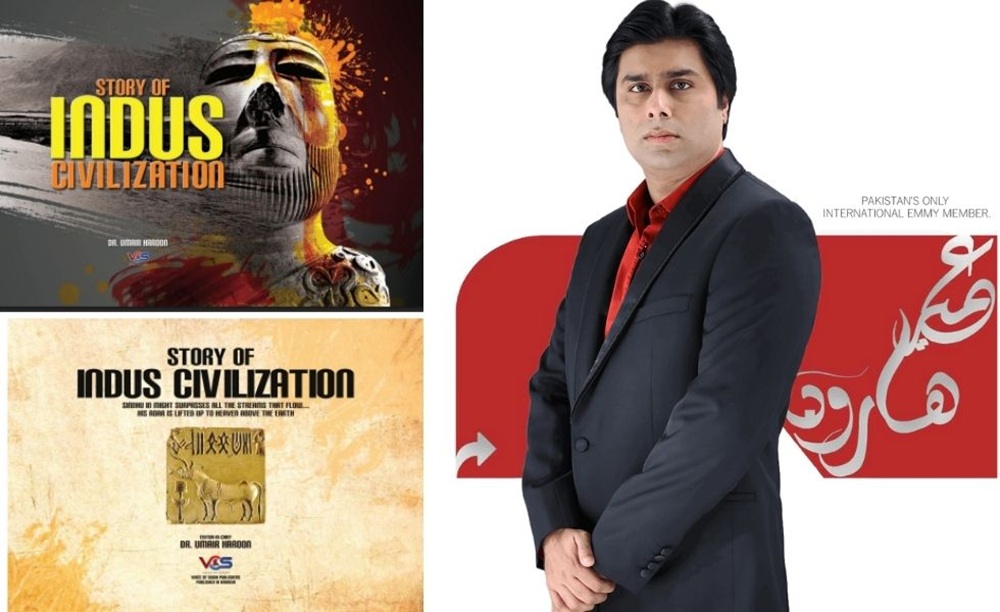
Story of Indus Civilization and Dr. Umair Haroon, the author
If you believe that the ‘Indus’ refers merely to a physical waterway, the recently released digital edition of Story of Indus Civilization (2021) decisively challenges that assumption. The book presents the Indus not only as a geographical feature but as the lifeblood of one of the world’s earliest and most sophisticated civilizations. Far from being “just a river,” the Indus emerges as a civilizational force: an engine of continuity, identity and historical memory that continues to influence South Asia’s cultural and social fabric today.
Written by Dr. Umair Haroon, the book spans over twenty chapters, tracing the history of the Indus (Sindhu) region from prehistoric times to the present. Lavishly illustrated, it presents Sindh’s ancient heritage through a transformative, era-by-era narrative, emphasizing the Indus River’s foundational role in shaping civilization, and even the origin of the name India.
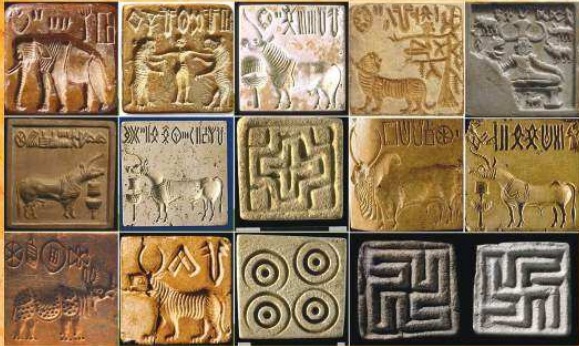
Indus Seals
In Story of Indus Civilization, the journalist-turned-author draws on his media background to bridge academic research with accessible storytelling. Styled as a coffee-table book, it boasts high-quality photographs, maps and historical illustrations. It is far more than a collection of pictures; each image is integrated into the narrative to enlighten rather than merely decorate. The book’s pages are richly designed, making complex history engaging for general readers. This approach sets a new standard for documenting the Indus civilization in a popular format.
The book opens with the pre-Harappan roots of the civilization, then traces the Early Harappan phases (Ravi and Kot Diji), the rise of major Bronze Age urban centers, like Harappa, Mohenjo-daro, Dholavira (in Gujarat, India) and others, and the Mature Harappan period (c. 2600–1900 BCE). Subsequent chapters examine the Late Harappan phase and the transition into the Iron Age, including the influence of Buddhism and other early historic traditions in Sindh. Each chapter foregrounds the era’s key sites, rulers and dynasties, offering a clear chronological narrative of the region’s long civilizational arc.
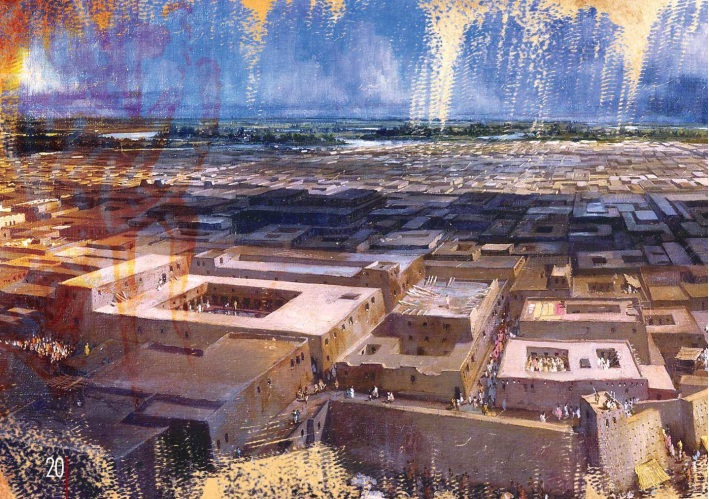
A painting of Mohenjo Daro in the book
Did you know Alexander was first checked by the mighty Indus, which he mistook for the source of the Nile? Do you know that the Mauryan Empire placed this region on the world map and greatly strengthened its global trade links, much before the Roman Empire did? Are you aware that Rohri was originally called Aror and served as a capital for nearly a millennium? Do you know how Muhammad bin Qasim truly won the hearts of the local population, and who ruled the land before Raja Dahir? Questions like these can change your perception of the Indus you think you know in a matter of minutes.
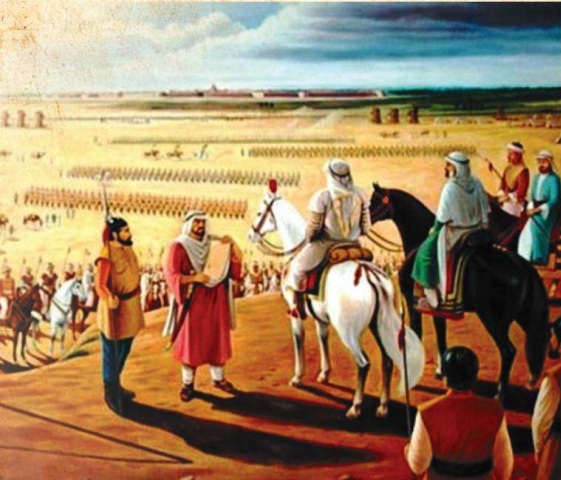
Depiction of Muhammad Bin Qasim's advent in Sindh
After establishing a clear chronological framework, the book moves into thematically driven chapters that critically examine Sindh’s vast cultural legacy. It traces the region’s spiritual continuum, from Vedic and Buddhist traditions to Islam and Sufism, paying particular attention to Sufi saints and long-standing practices of interfaith coexistence. Karachi is accorded substantial space, with around 33 pages devoted to its evolution from early origins through the Mughal period, followed by the Kalhora and Talpur eras. The British period is covered in depth, detailing both administrative development and major construction projects. Further chapters address art, architecture and urbanism, surveying shrines, forts, bridges and historic city planning, alongside Sindh’s folk culture, including music, poetry and oral traditions.
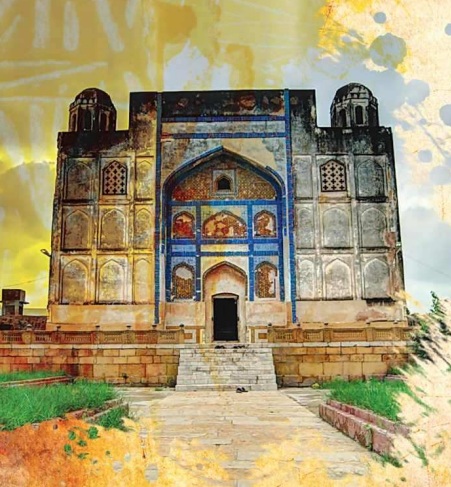
Relics of the Kalhoro era
The narrative also explores everyday cultural expressions such as cuisine, textiles (notably Ajrak) and indigenous crafts. A dedicated section on literary and linguistic heritage analyzes the evolution of the Sindhi language, early Quranic translations and major literary figures. The book concludes by linking the ancient Indus legacy to contemporary Sindhi identity, diaspora and cultural revival. Not to forget, Gorakh Hills, the Murree of Sindh, also gets a mention.
In brief, the book’s strengths in inclusivity and design come at the cost of a deep scholarly apparatus. It prioritizes narrative flow and visual richness over extensive academic footnoting. Some details are presented as accepted facts, and the Sindh-centric approach may underplay other regional perspectives. Nevertheless, for the target audience of general readers and heritage enthusiasts, these compromises are understandable.
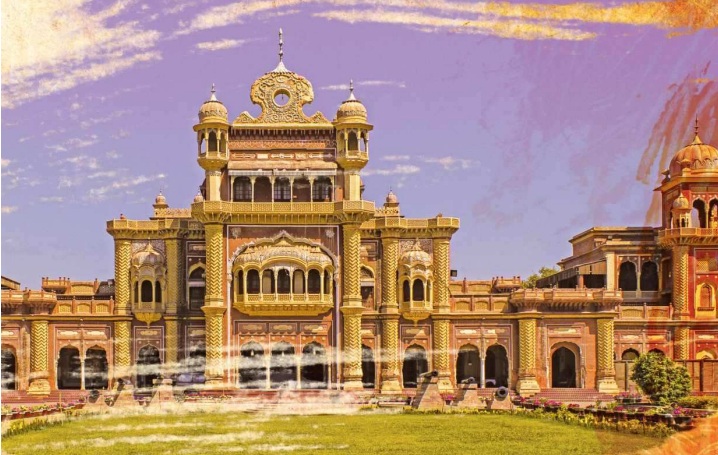
Faiz Mahal of the Talpur rulers in Khairpur
Story of Indus Civilization is an ambitious, visually splendid introduction to one of the world’s earliest urban cultures, presented through the lens of Sindh. Its chapter-wise journey, from ancient village settlements to modern cultural expressions, makes the deep past feel immediate. Major strengths include its comprehensive coverage of Sindh’s heritage and its reader-friendly design. The author’s passion for the subject shines through every page, making the book both informative and inspiring. As one review aptly concludes, this volume is “more than a book”—it is “a cultural artifact” worthy of libraries, museums and anyone interested in the roots of South Asian civilization. For curious readers, even those without an academic background, it offers a rare blend of storytelling and scholarship.
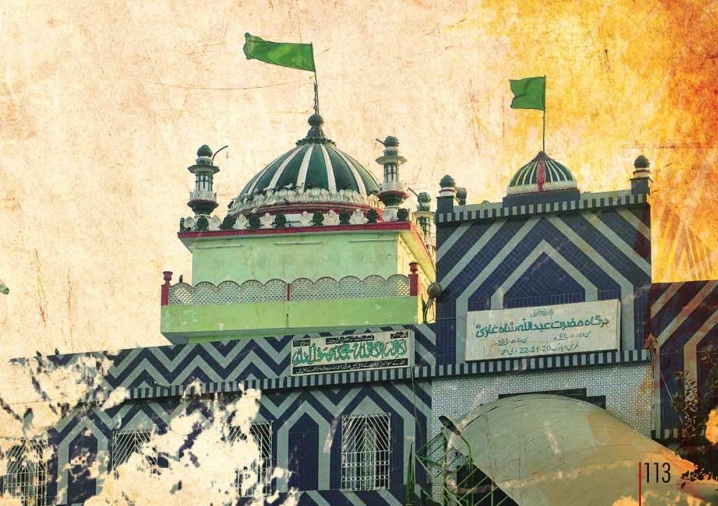
Abdullah Shah Ghazi's Mazar in Karachi
Overall, Dr. Umair Haroon’s Story of Indus Civilization makes a valuable contribution by preserving and popularizing Sindh’s ancient heritage. It succeeds in bringing to light thousands of years of history in a way that is both accessible and richly documented with visuals. Whether as a gift for history enthusiasts or a reference for educators, the book fills an important niche, one that deserves appreciation alongside more technical archaeological works. In the field of Indus studies, it stands out as an engaging cultural chronicle, even as it invites further discussion and discovery by specialists.
You may also like:
From the Horn of Africa to Bahria Town: Habesha Café Brings Centuries of Coffee Culture to Rawalpindi
(October 15, 2026)