Written by: Saram Maqbool
Posted on: November 20, 2025 |  | 中文
| 中文
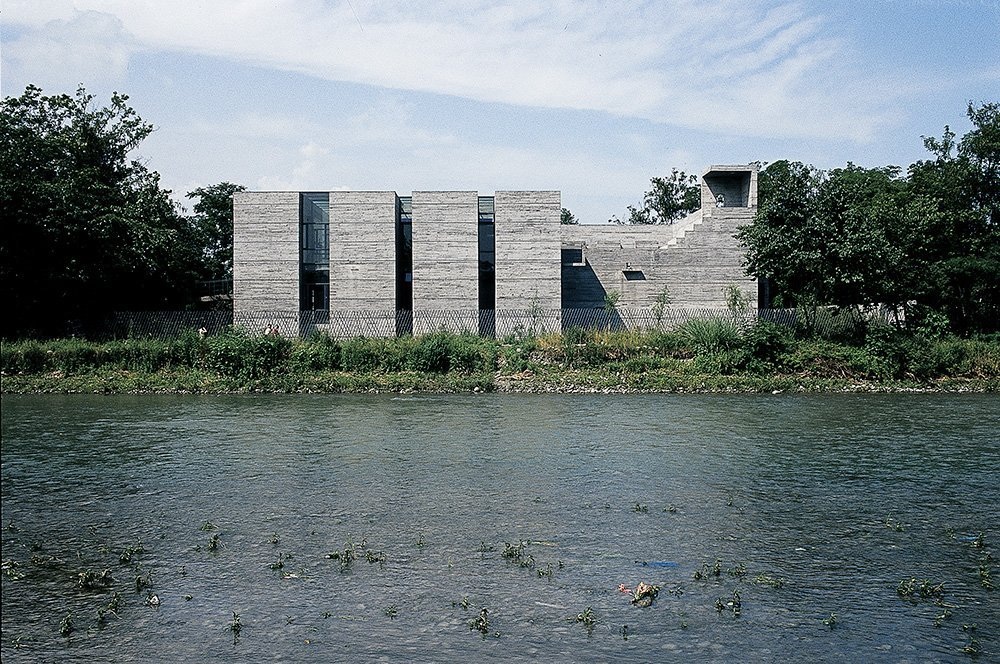
Luyeyuan Stone Sculpture Art Museum in Chengdu
It is often believed that architecture needs to be loud to be noticed. That, unless you design buildings that stand out and demand attention, your work will remain ignored. Architects like Liu Jiakun prove otherwise. Winner of the 2025 Pritzker Prize, Jiakun’s architecture is born from a place of restraint. It follows an understanding that buildings do not need to shout to be heard, that elegance can emerge from simplicity, and that the truest form of design often comes from listening carefully to its context.
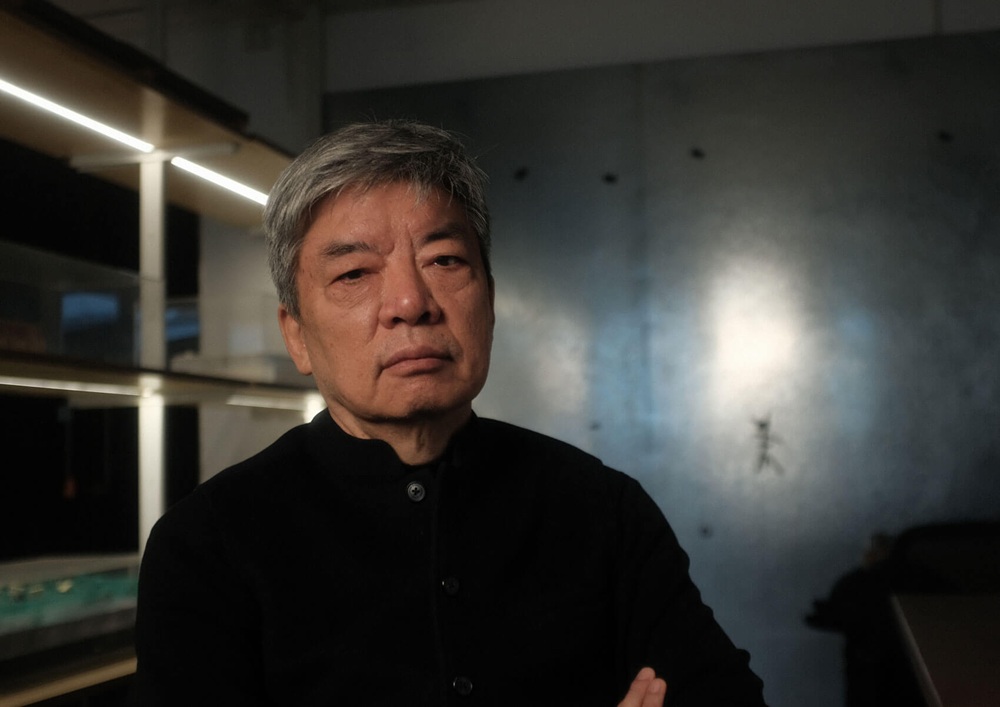
Liu Jiakun
In a country where architectural ambition is often measured in height, scale, or spectacle, Liu Jiakun has carved out a different path. It is one defined by humility, empathy, and an almost poetic commitment to human experience. His work is not easily categorized. It is modern yet deeply rooted, minimalist yet emotionally resonant, rational yet quietly lyrical. What holds it all together is a sensibility shaped by observation and care. His is an architecture that is never about the architect, but always about the people, places, and histories it serves.
Liu Jiakun began practicing in the 1990s, during a period when China’s urban landscape was undergoing rapid transformation. Many architects were swept up in the momentum of economic expansion, eager to experiment with form or declare new aesthetics. Liu, however, chose a slower, more deliberate rhythm. Based in Chengdu rather than Beijing or Shanghai, he distanced himself from the hyper-urban environments dominating architectural discourse. This regional positioning allowed him to cultivate a sensitivity to local culture, climate, and materiality. These were the qualities that would become the foundation of his work.

Museum of Clocks, Jianchuan Museum Cluster
Perhaps one of the clearest expressions of Liu’s philosophy is the Luyeyuan Stone Sculpture Art Museum in Chengdu. Rather than designing a museum as an iconic object set apart from its surroundings, Liu conceived it as a sequence of walls. The result is a combination of quiet, monolithic planes of concrete arranged to create courtyards, paths, and framed views. The structure does not try to dominate the sculptures it houses, but rather acts as a neutral backdrop, almost disappearing into its lush environment. The interplay of solid and void, of shadow and filtered light, creates an experience that feels closer to wandering through a meditative garden than visiting a museum.
Liu’s work often confronts the constraints of real-world circumstances, refusing to treat architecture as an abstract exercise. After the devastating 2008 Sichuan earthquake, he designed the Rebirth Brick Project, grounded in the urgency of recovery. The Rebirth Brick Tower is both a monument and a material archive. The architect decided to repurpose debris from the earthquake into building materials to highlight the issue of material shortage. On a philosophical level, each new brick carried both memory and loss. Rather than smoothing tragedy over with polished new materials, Liu chose to reveal it by embedding fragments of the past into a new form that acknowledges grief while pointing toward renewal.

Rebirth Brick Project
His finesse in working with art-related programs is also evident in the Department of Sculpture at the Sichuan Fine Arts Institute, completed in 2004. Here, Liu took on the challenge of designing an academic building for young artists. This is a place where creation, experimentation, and mess are part of daily life. Instead of producing a pristine architectural object, he embraced the rawness and unpredictability inherent to sculptural practice. Exposed concrete, spacious studios, and open circulation routes form a framework that is capable of absorbing noise, dust, and the evolving energy of student work. Light enters through high windows and deep apertures, casting shifting shadows that animate the interior like an ever-changing sketch. As with much of Liu’s work, the building stands at the intersection of discipline and freedom, offering structure without imposing aesthetic rigidity.
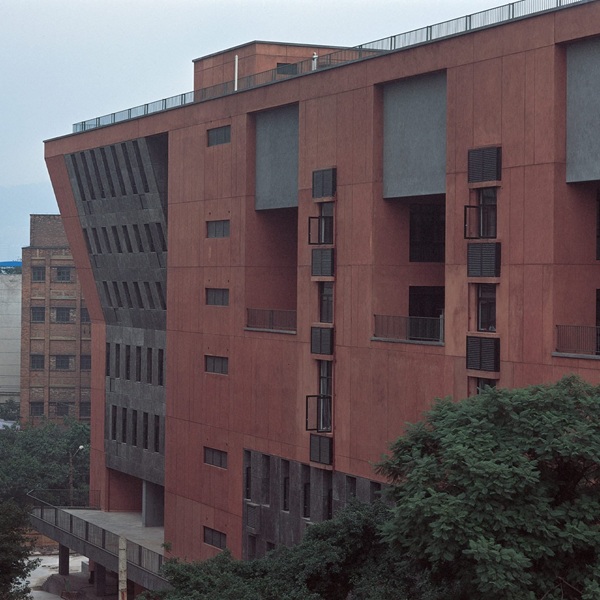
Department of Sculpture, Sichuan Fine Arts Institute
Throughout his work, Liu Jiakun is deeply attentive to material honesty. Cast concrete, raw brick, timber and stone appear again and again. These are not treated as mere surfaces, but as structural and expressive elements. His buildings age gracefully because they are built from materials that reveal time rather than deny it. The tactile quality of his work grounds his architecture in the physical world, offering sensory depth in an era often dominated by flashy digital aesthetics. Yet perhaps the most compelling aspect of Liu’s work is his command of space rather than form. He is less interested in creating sculptural buildings than in shaping atmospheres. He creates places where people feel something, even if they cannot articulate what.
In this way, his work aligns with a lineage of architects whose primary concern is the emotional register of space - figures like Tadao Ando, Peter Zumthor and Wang Shu. But Liu’s voice remains distinctly his own, shaped by Sichuan’s landscapes, by the region’s gentle humidity and moss-covered stones, and by the quiet resilience of local communities. His architecture often feels grounded, almost earthy, reflecting the cultural and environmental textures of his surroundings.
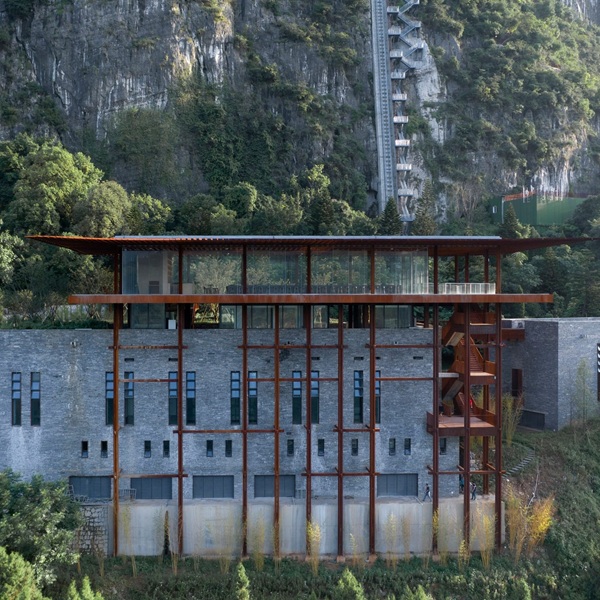
The Renovation of Tianbao Cave District of Erlang Town
Liu Jiakun is, above all, an architect of empathy. He understands that buildings are not just made of materials but of stories - of loss, continuity, celebration and everyday life. His work resists the spectacle of contemporary architecture and instead focuses on answering how design can serve people. To me, his design philosophy reveals an often-forgotten truth about architecture: that the most powerful spaces are not those that dominate their surroundings, but those that belong to them, all the while respecting the lives they hold and support.
You may also like: