Written by: Hurmat Majid
Posted on: January 2, 2026 |  | 中文
| 中文
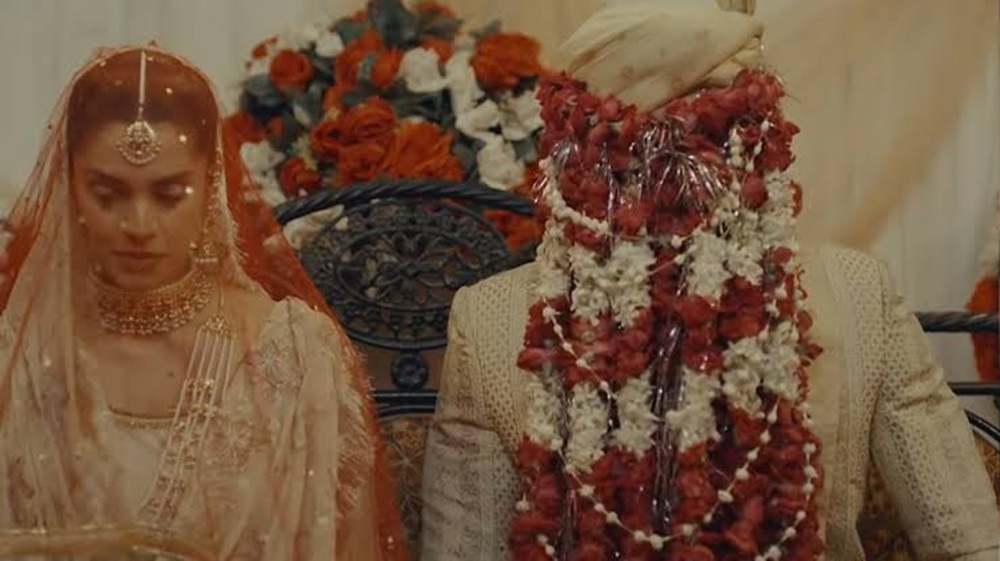
Sanam Saeed and Emmad Irfani as bride and groom in Kafeel.
Kafeel arrives on television with the quiet confidence of a drama that knows exactly what it wants to say and is in no hurry to shout. In an era dominated by high-decibel conflicts, exaggerated villains and plot twists engineered for viral clips, Kafeel chooses a more demanding path. It asks the viewer for patience, emotional attentiveness and a willingness to sit with discomfort. After four episodes, it is clear that this is not a drama interested in instant gratification. Instead, it is building something denser and more enduring: a psychological portrait of marriage, masculinity and emotional dependence, rendered with the kind of seriousness that Pakistani television too rarely sustains.
At its core, Kafeel is a story about responsibility and the many ways it can be misunderstood, weaponized or quietly abdicated. The narrative centers on Zeba and Jamshed, a married couple whose relationship is less a partnership than a slow, grinding negotiation of power, expectation and unmet needs. The plot does not unfold through big revelations or melodramatic turns. Rather, it advances through small, accumulating moments: a tone used too sharply, a silence held too long, a decision deferred until it curdles into resentment. This incremental storytelling is one of the drama’s strengths. By the end of the fourth episode, the viewer understands that the real conflict is not external but internal, rooted in characters who are unable or unwilling to confront their own inadequacies.
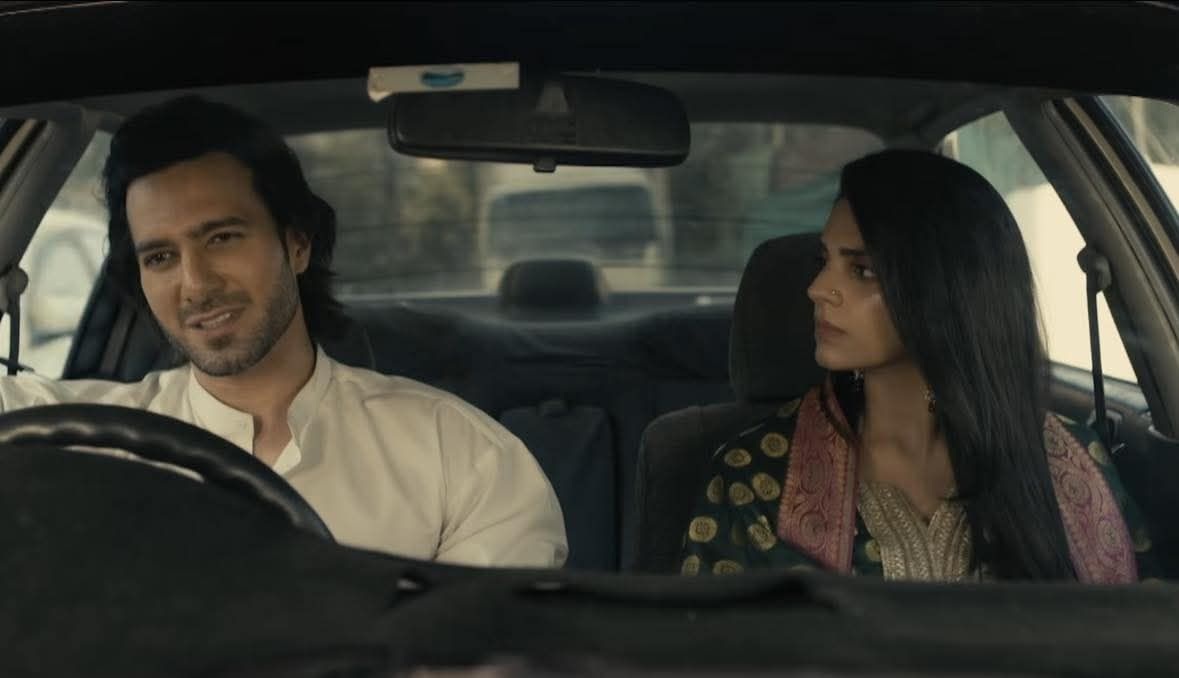
Emmad Irfani and Sanam Saeed
Zeba is introduced as a woman shaped by education, emotional intelligence and an instinct for self-restraint. She is not idealised as endlessly patient, nor is she written as a martyr. Instead, the script allows her contradictions to surface organically. She wants stability but not at the cost of erasing herself. She understands compromise but resists humiliation. Her marriage to Jamshed initially appears functional, even affectionate, but the cracks reveal themselves early. Financial pressure, emotional volatility and Jamshed’s deep-seated insecurity begin to define the relationship, and the plot carefully traces how love can coexist with fear and disappointment without resolving either.
Jamshed’s character is where Kafeel takes its most uncomfortable and, arguably, most honest turn. He is not a caricature of cruelty nor a straightforward villain. He is brittle, proud and constantly anxious about his perceived failure as a provider and a man. The writing resists the temptation to excuse his behavior while still allowing the audience to understand its origins. His anger is rarely explosive; it is simmering, passive-aggressive and often disguised as concern or authority. This makes his presence in the narrative all the more unsettling. The plot’s tension arises from the question of whether this man will confront his own fragility or continue to project it onto the woman closest to him.
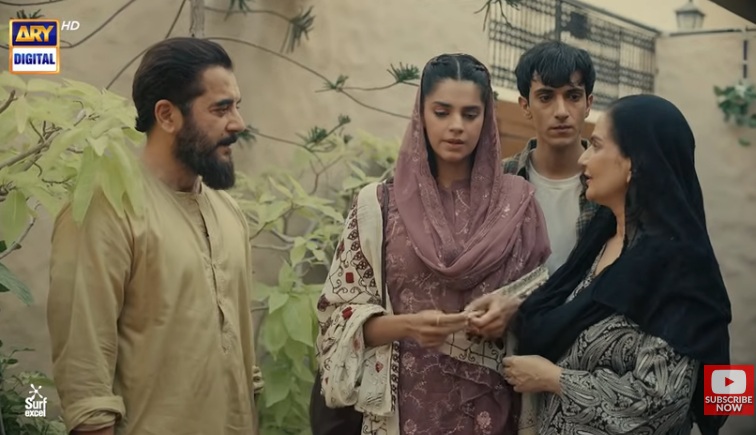
Kashif Mehmood, Sanam Saeed, Abdullah Khan and Munazza Arif
The pacing of the plot has drawn some early criticism for being slow, but this slowness feels intentional rather than indulgent. Kafeel understands that emotional damage is rarely inflicted in dramatic strokes. It is cumulative, built over time through patterns that become normalised. By dedicating time to everyday interactions, domestic routines and conversations that trail off unfinished, the drama earns its emotional weight. The viewer is not told that a marriage is suffocating; they are made to feel it.
The acting across the board is a major reason this approach works. Sanam Saeed delivers a performance of remarkable control as Zeba. Her strength lies not in overt displays of emotion but in restraint. A slight tightening of the jaw, a pause before responding, the way her gaze drops rather than rises in confrontation all communicate volumes. She inhabits Zeba with an intelligence that respects the character’s inner life. Even when Zeba says little, the audience knows exactly what she is thinking, and this is no small achievement. Saeed’s performance anchors the drama, providing it with emotional credibility and moral gravity.
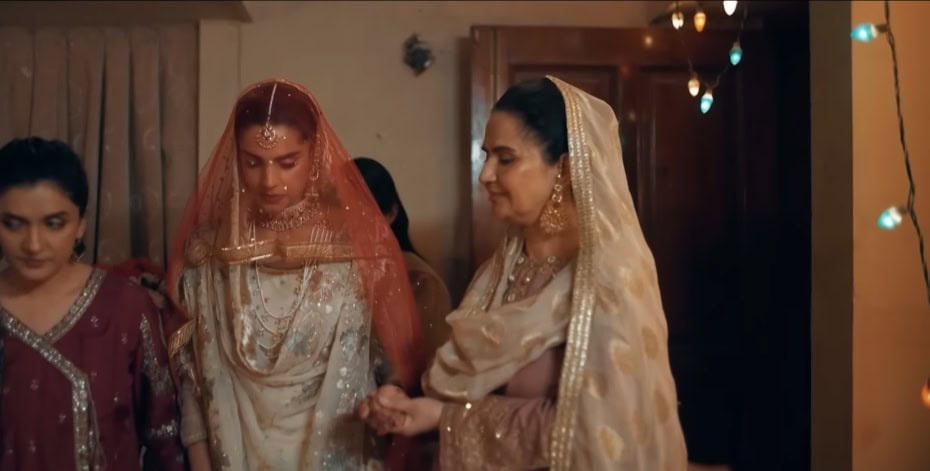
Munazza Arif and Sanam Saeed
Emmad Irfani’s portrayal of Jamshed is equally compelling, though in a more abrasive register. He captures the character’s volatility without tipping into melodrama. His Jamshed is restless, perpetually dissatisfied, and deeply uncomfortable with vulnerability. Irfani allows the character’s contradictions to remain unresolved, which makes him frustrating to watch but also unsettlingly familiar. There are moments when the audience may feel a flicker of sympathy for him, quickly followed by discomfort at that very sympathy. This emotional ambivalence is precisely what the role demands, and Irfani rises to it with confidence.
The supporting cast strengthens the narrative rather than distracting from it. Family members are not mere plot devices but active participants in reinforcing or challenging the central relationship’s dynamics. Their presence reflects the social ecosystem in which Zeba and Jamshed operate, one where expectations are inherited, pressure is communal and privacy is often a luxury. The interactions feel lived-in rather than staged, contributing to the drama’s overall authenticity.
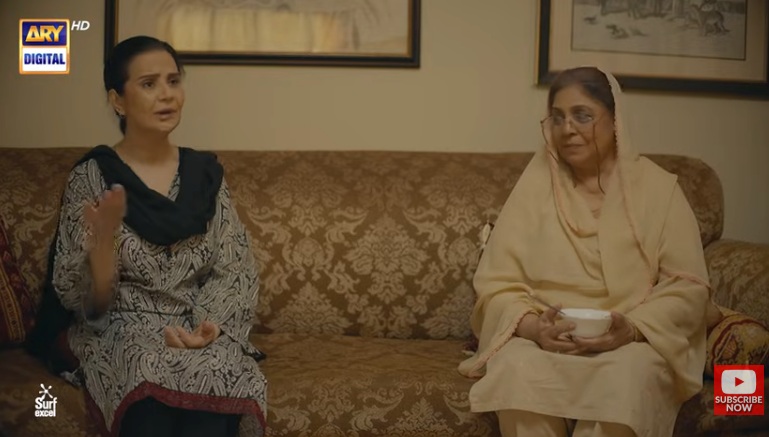
Sabeeha Hashmi and Munazza Arif
From a production standpoint, Kafeel is polished without being ostentatious. The decision to set the story in the late 1990s is handled with subtlety. Costumes, interiors and even conversational rhythms evoke the period without drawing attention to themselves. This temporal distance serves a narrative purpose. It allows the drama to comment on gender roles and marital expectations in a way that feels reflective rather than didactic. The viewer is invited to recognise how much has changed and, perhaps more uncomfortably, how much has not.
The direction is measured and deliberate. Scenes are allowed to breathe, often ending a beat later than expected, forcing the audience to sit with unresolved emotion. The camera work favours intimacy over spectacle, frequently lingering on faces rather than actions. This choice reinforces the drama’s psychological focus. There is a confidence in the visual storytelling that suggests trust in both the material and the audience.
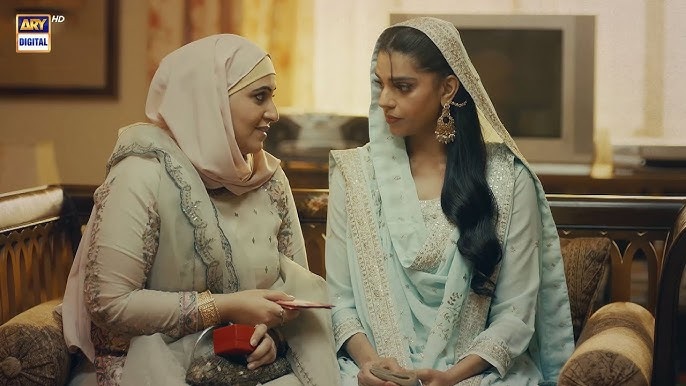
Rabia Rizwan and Sanam Saeed
The writing, as expected from Umera Ahmed, is layered and unsentimental. Dialogue is economical but weighted, often revealing more through what is withheld than what is spoken. The script refuses easy moral binaries. No one is entirely innocent, and no one is beyond critique.
This moral complexity is one of Kafeel’s greatest strengths. It does not instruct the viewer on what to think but instead presents a situation with honesty and allows conclusions to emerge organically.
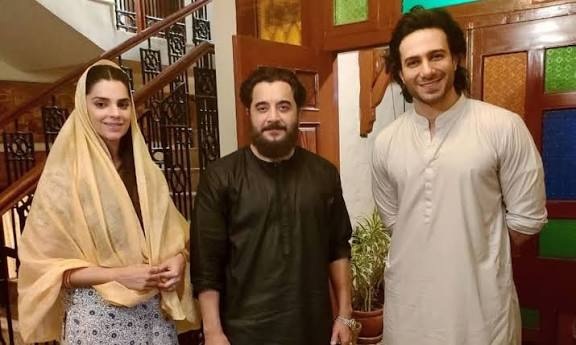
Sanam Saeed, Kashif Mehmood and Emmad Irfani
Audience response so far has reflected this complexity. Many viewers have praised the performances and the maturity of the storytelling, while others have expressed impatience with the pace. This divide is telling. Kafeel is not designed to be universally pleasing. It demands attention and emotional investment, and in return, it offers insight rather than escapism. In a television landscape increasingly shaped by algorithms and instant reactions, this is a quietly radical stance.
By the end of its fourth episode, Kafeel feels less like a conventional television drama and more like the opening chapters of a serious novel. It has established its characters, articulated its thematic concerns and signaled its refusal to offer easy answers. If it maintains this discipline, it has the potential to become one of those rare dramas that linger in the mind long after the final episode airs.
Kafeel is not perfect, nor does it aim to be comforting. Its achievement lies in its seriousness of intent and its respect for the viewer’s intelligence. Through strong writing, nuanced performances and restrained production values, it offers a meditation on marriage that is as unsettling as it is absorbing. For those willing to engage with its quiet intensity, Kafeel promises not just a story, but an experience that feels truthful in ways television often avoids.
You may also like: