Written by: Saram Maqbool
Posted on: June 26, 2025 |  | 中文
| 中文
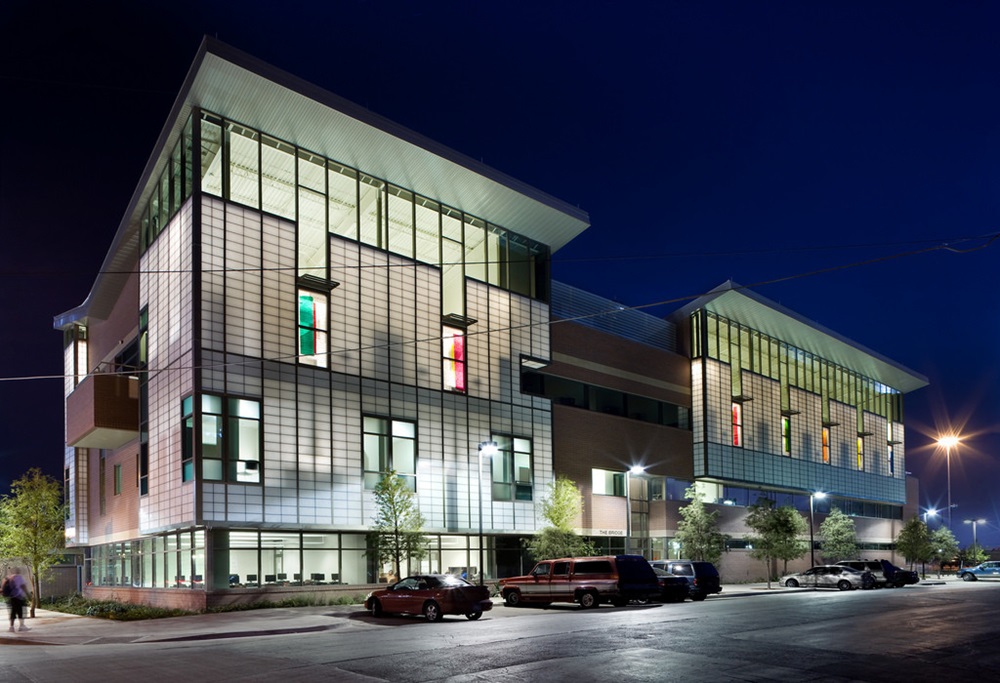
Bridge Homeless Recovery Center in Dallas
Architecture goes, or at least should go, far beyond its aesthetic and even functional aspects. At some point, it must become social so that it solves problems for the greater public. In recent years, architecture has begun to play a transformative role in addressing the global crisis of homelessness. Rather than approaching housing for the homeless as a matter of temporary shelter or emergency accommodation, many architects and urban planners are reimagining spaces that restore dignity, foster community, and support long-term transition. This shift marks a new era in social responsibility, where design is not just about aesthetics or functionality, but about healing and humanizing lives.

Temporary shelter designed by architecture students.
The traditional model of homeless shelters has been under scrutiny for some time now. Even though they serve their purpose of sheltering people, they fail to provide any stability or sense of self-worth. The users of these buildings are already navigating deep social stigma, trauma, and insecurity, so the last thing they need is to take shelter in spaces where they lack privacy, autonomy, and comfort. As a result, many architects and non-profits have committed to designing spaces with a respect for individuals who don’t have their own spaces to call home.
One of the most notable examples of this new architectural philosophy is the Star Apartments in Los Angeles, California. Designed by Michael Maltzan in partnership with the Skid Row Housing Trust, the Star Apartments are specifically built for formerly homeless individuals. The building goes against the cold, utilitarian design of typical low-income housing and showcases a belief that architecture can be a powerful tool for changing public perceptions thanks to design solutions like its modular construction, vibrant common areas, and rooftop running track.

Many examples of anti-homeless architecture show how policy makers refuse to help the vulnerable.
Another compelling case is the Bridge Homeless Recovery Center in Dallas, Texas. This project reimagines the idea of a homeless shelter by focusing on transparency, natural light, and open spaces. Designed by Overland Partners, the center includes day services, sleeping areas, medical care, and vocational training. The layout encourages movement and interaction while also providing quiet zones for reflection and rest. Unlike conventional shelters that can feel impersonal, the Bridge was conceived as a healing environment. The design features courtyards, gardens and public art, helping to normalize the experience of its users and support their journey toward reintegration.
Similarly, in Portland, Oregon, the Kenton Women’s Village offers another model of dignified, human-centered design. Created by a coalition that includes the nonprofit organization Catholic Charities and the city of Portland, this tiny home community provides transitional housing for women experiencing homelessness. Each resident has her own small structure with insulation, electricity, and locking doors. These simple features, often taken for granted, offer a profound sense of safety and personal space. The village includes shared kitchens, bathrooms, and communal spaces to promote community and shared responsibility. The modular and mobile nature of the homes allows for flexibility and scalability, making it an adaptable model for other cities.
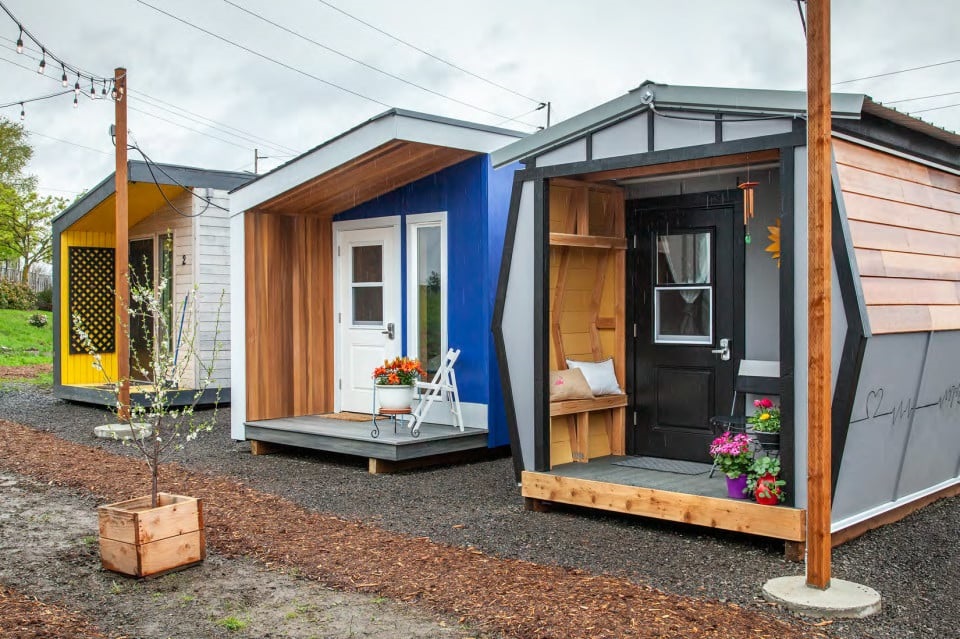
Kenton Women’s Village in Portland
The concept of tiny home villages has gained traction as a middle-ground solution between emergency shelters and permanent housing. Projects like Dignity Village in Portland and Community First! Village in Austin, Texas, provides not only shelter but a sense of belonging. Community First! Village, in particular, spans over 51 acres and houses more than 200 formerly homeless individuals. It includes a mix of micro-homes, RVs, and canvas cottages, alongside amenities such as a medical clinic, organic farm, and even a cinema. The community was designed by architects in collaboration with residents, ensuring the layout reflects real needs and aspirations. By integrating architectural beauty with function and purpose, the village transforms homelessness from a temporary crisis into an opportunity for stability and renewal.
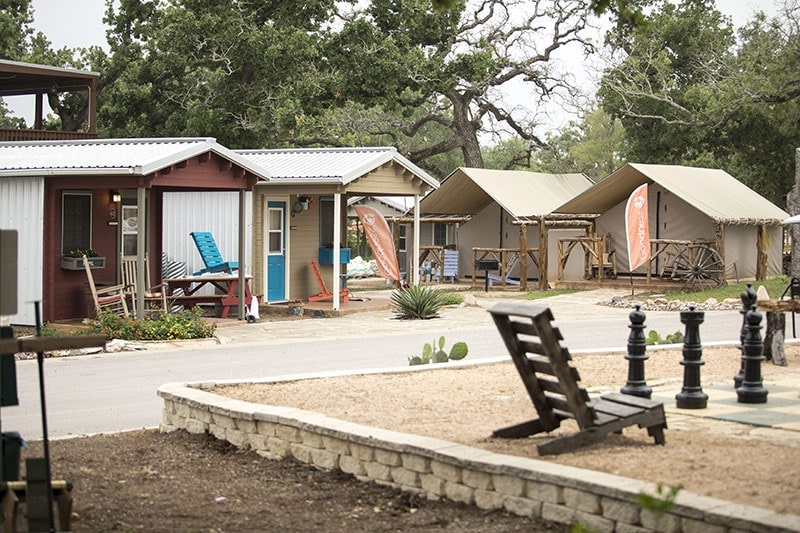
Community First! Village in Austin
Architecture’s role in solving homelessness is also being explored internationally. In Vancouver, Canada, the city’s modular housing initiative is addressing its growing homeless population through rapid, cost-effective, and dignified solutions. Modular housing units are constructed off-site and assembled quickly, reducing both cost and disruption. Each unit includes a private bathroom, kitchenette, and space for personal belongings, essentials that promote independence and reduce the trauma associated with homelessness. Support services are embedded within the facilities, and the buildings are often designed with appealing façades and thoughtful landscaping to integrate harmoniously with surrounding neighborhoods. Designing for dignity also involves consultation and co-creation. More architects are beginning to involve people with lived experience of homelessness in the planning process. This participatory design ensures that the resulting spaces reflect actual needs, not just assumptions. It also empowers people who are often voiceless in the development process, giving them a stake in the places they live.

Dignity Village in Portland
Despite all these developments, it’s important to understand that good design alone cannot solve homelessness. It can, however, create environments where services can function more effectively and where people can begin to heal. Instead of leading to isolation, it can help develop a sense of belonging and community. And perhaps most importantly, it can let the general public know that people going through a rough patch are not second-class citizens but rather full members of society who deserve empathy, assistance and opportunity.
You may also like: