Written by: Muhammad Asif Nawaz
Posted on: August 26, 2025 |  | 中文
| 中文
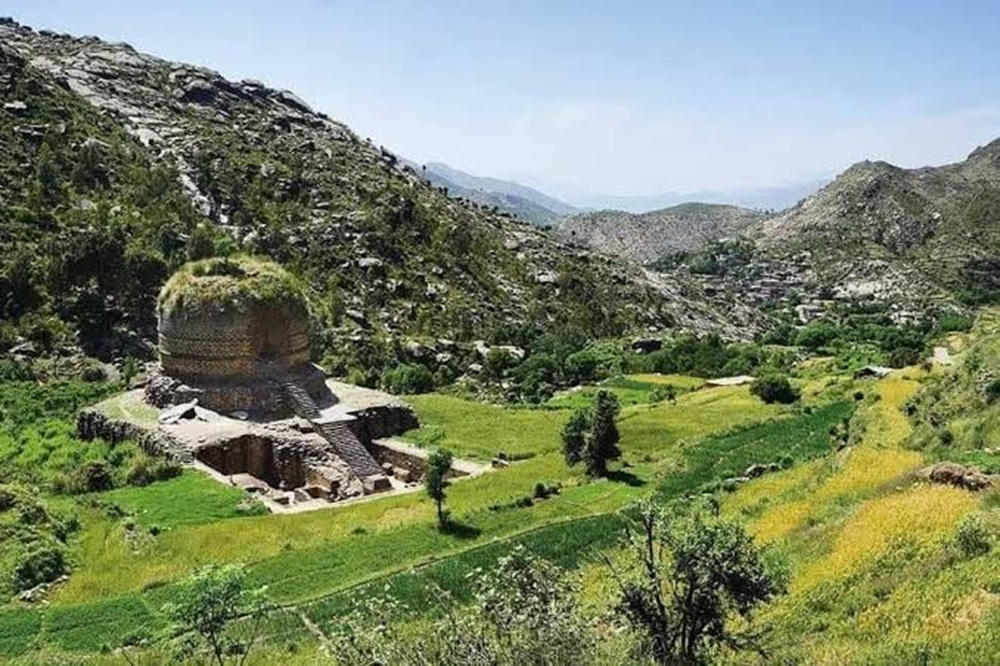
Amluk-Dara Stupa
From Charsadda, we make our way into the Swat Valley, often touted as the Switzerland of Pakistan and famed as much for its natural landscape as for its historical heritage. The region was known in ancient times as Uddiyana and held immense significance in the Buddhist world, elevated to a land with magic, learning and spiritual energy. While stupas, now largely overlooked, can be found across the breadth of the province of Khyber Pakhunwa, their concentration in Swat makes it a cornerstone for this series.
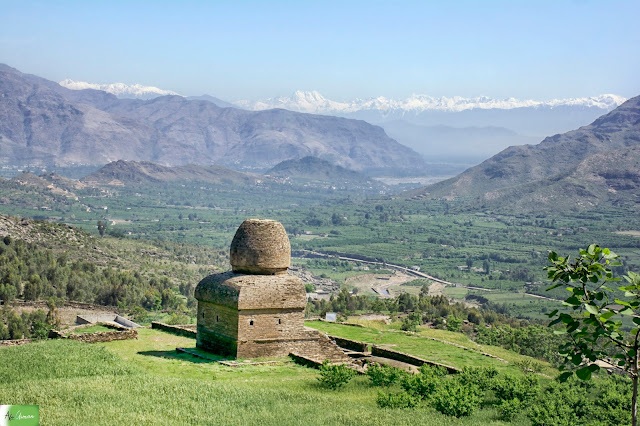
Gumbat Stupa
Near the modern center of Saidu Sharif is the sacred site of Butkara I. As we have seen with other sites, this place is also said to have enshrined the relics of the Buddha. Built by the Mauryan Emperor Ashoka in the 3rd century BCE, it is contemporary with the structures in Taxila and Charsadda. Butkara I has undergone numerous expansions over the centuries, with remnants of its successive phases still visible. The archaeological excavations at the site by the Italian Archaeological Mission unveiled a fascinating "stupa within a stupa," revealing layers of history and artistic evolution. This site also yielded a rich collection of sculptures and artifacts, now housed in museums worldwide.
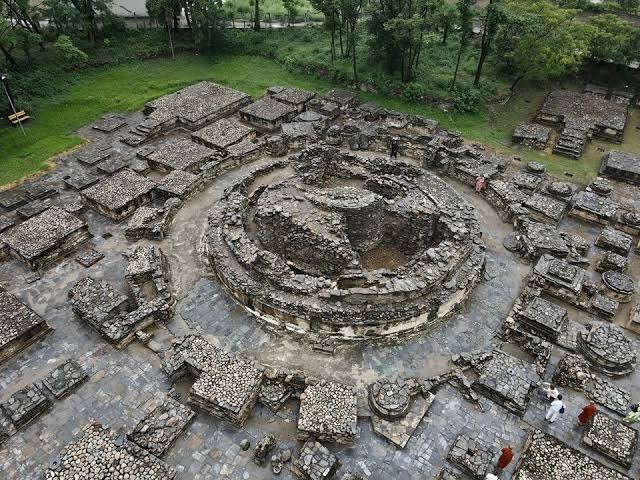
Butkara 1 Stupa
More prominent and impressive, however, is the Jahanabad Seated Buddha, a short while away from the town of Manglor. Frequented by Buddhist pilgrims from the Far East, this 7th century rock sculpture is noted for its detail and finesse. While the Buddha sits in a meditative posture, with eyes gently closed in meditation, the site’s modern history has been far from serene. When Swat fell to the Taliban around 2007, much of the Buddhist treasure of the region was threatened, feared to face the same fate as that of the majestic Bamiyan Buddhas in Afghanistan in 201. The Jahanabad Seated Buddha was tragically vandalised with explosives being used to destroy its face. However, with the return of normalcy, the structure was restored by an Italian archaeological team, allowing the Buddha to resume smiling. This act of restoration, welcome by all means, highlights both the fragility and the enduring importance of preserving heritage.
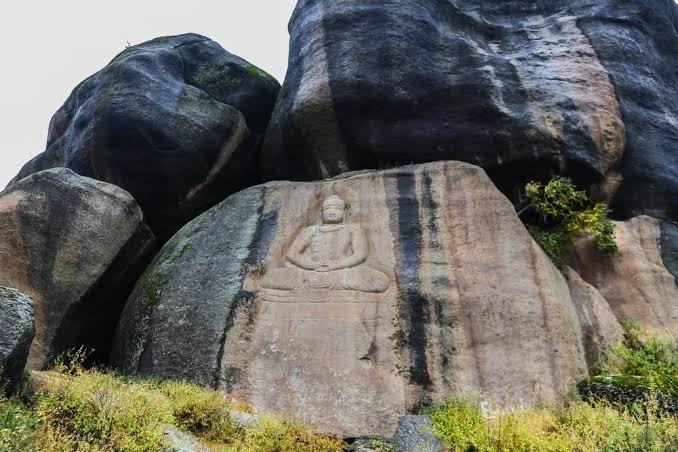
Jahanabad Seated Buddha
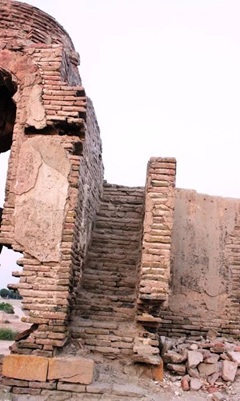
Another notable stupa in the valley is the Amluk-Dara Stupa. This well-preserved 3rd century structure is a testament to the architectural skills of the Gandhara builders. With its solid dome, protective wall, robust base and sturdy staircase, it sits gracefully amid the lush green landscape of the valley. Since there are hardly any Buddhists in the region today, the stupa remains primarily a tourist attraction, although special permissions have been granted to Buddhist travellers to perform religious rituals here. The Amluk Dara stupa, like many others, also brings to fore the choice of such locations for these religious sites, underscoring the deep connection between nature and spirituality in ancient Buddhism.
In the valley of Swat and its adjoining areas, there are said to be thousands of stupas, hence it is difficult to pick only a handful. The Nimogram stupa, situated in the Shamozai valley, is another site that is not only well-preserved, but also noted for its peculiarities. It is a cluster of three main stupas, often referred to as the “triple stupas”, and this layout is said to represent the three jewels of Buddhism: Buddha, the Dharma (his teachings) and the Sangha (the monastic community). The largest Buddhist stupa in Swat Valley is the Shingardar Stupa, which the PTDC claims is the largest stupa in the whole of the Indian Sub-Continent. It was built by Uttarasena, an ancient king of Swat, and is made of large stones and a layer of thin slate. One of the best-preserved stupas is the Gumbat Stupa, accessible only via a hike of 30 minutes from the road.

Nimogram Stupa
Besides stupas, rock carvings of the Buddha himself can be found throughout the valley, some as accessible as being on the roadside. However, for a detailed journey into the Buddhist heritage in Swat, guides are recommended, since there are too many sites and not all of them are easily accessible. This is corroborated by the accounts of the Chinese Pilgrims, Xuanzang and Faxian, who described Uddiyana as a land dotted with thousands of monasteries and stupas, inhabited by devout Buddhists known for their learning and piety. They recounted stories of miraculous events and sacred relics, painting a picture of a vibrant and deeply spiritual landscape. For a more comprehensive experience, like in other places, the Swat Museum is highly recommended.
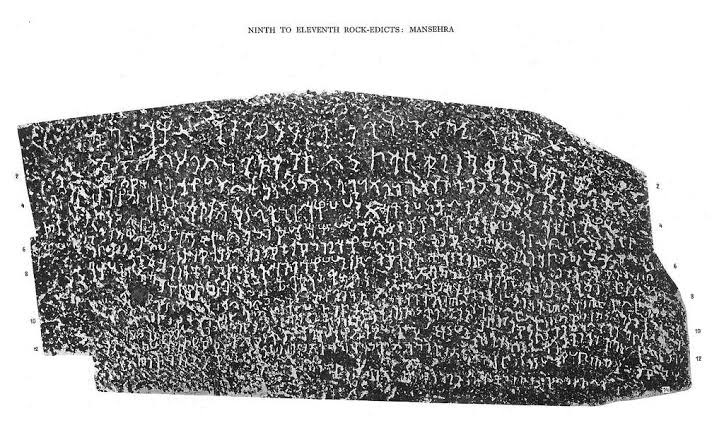
Mansehra's rock edicts
The story of Buddhism in Swat one of glory and destruction, heritage and conservation, and remembrance and forgetting. As we contemplate these issues, the teachings of the Buddha and the legacy of Ashoka the Great reverberate throughout the region. The Ashoka Rock Edicts of Mansehra deserve a mention here, specifically in light of Swat's recent history. These 14 edicts, written in the Kharosthi script, are cut into three boulders and concern themselves with Ashoka's law of piety, which renounces violence and promotes a path of kindness. Placing these edicts alongside the physical remnants of a Buddhist culture that was so recently threatened is a poignant reminder of the enduring relevance of the Buddha's teachings. It is also fitting that these boulders are located along the Karakoram Highway, which leads us to the ancient Silk Road and another center of Buddhism.
You may also like:
From the Horn of Africa to Bahria Town: Habesha Café Brings Centuries of Coffee Culture to Rawalpindi
(October 15, 2026)