Written by: Mubashir Hassan
Posted on: April 30, 2026 |  | 中文
| 中文
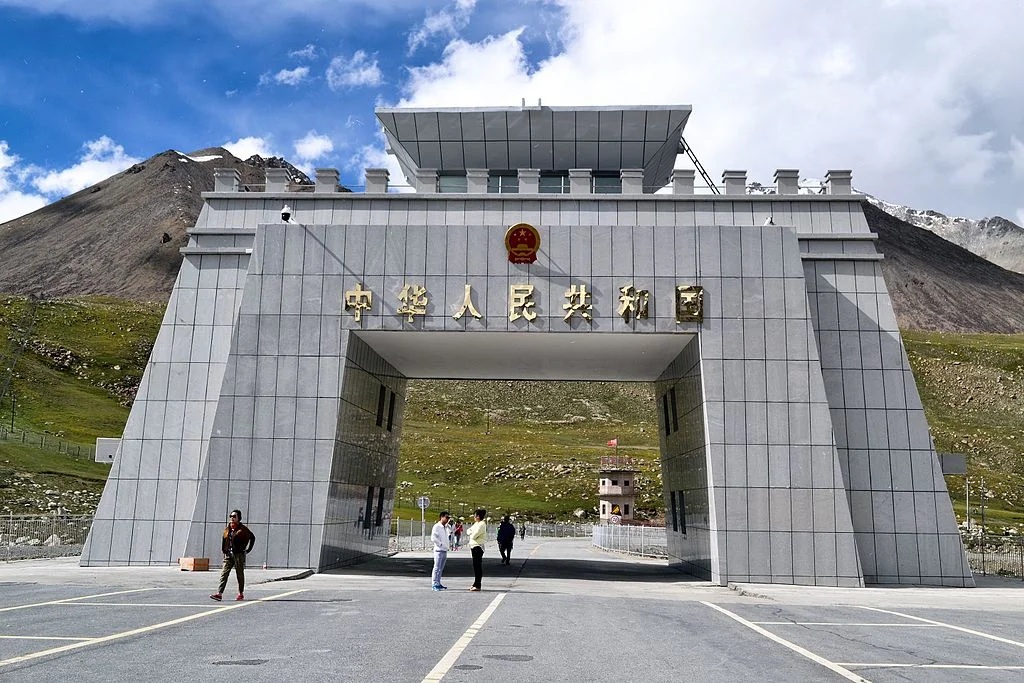
Khunjerab Pass connects Gilgit Baltistan with China
The Islamic Republic of Pakistan, an all-weather partner of the People’s Republic of China, is administratively composed of four provinces and two semi-autonomous regions, Azad Jammu and Kashmir (AJK) and Gilgit-Baltistan, both of which are integral to the broader Kashmir conflict. Among all the administrative units of Pakistan, Gilgit-Baltistan stands out for having the most profound and multifaceted ties with China. These connections are rooted not only in geographical proximity but also in deep historical and cultural linkages. Unfortunately, the latter two have not evolved over time.
Geographically, Gilgit-Baltistan lies in the extreme north of Pakistan and shares a border of approximately 596 kilometers with China’s Xinjiang province, making it a natural conduit for trade and cultural exchange. The Karakoram Highway (KKH), renowned for its mountainous terrain and challenging route, traverses this border. This highway is celebrated as a living symbol of China-Pakistan friendship, linking Pakistan to China. It is more than a road; it is a strategic lifeline facilitating trade, tourism and people-to-people connectivity.
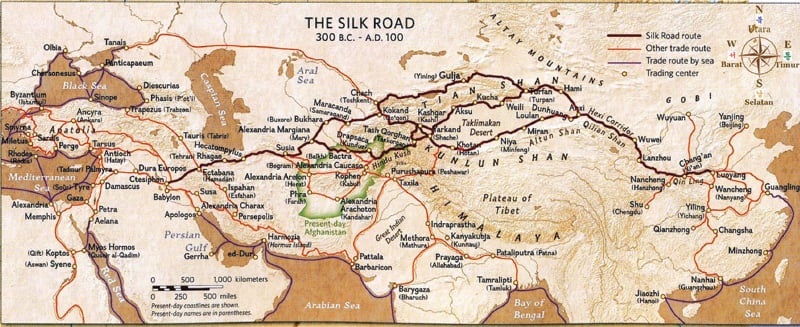
Map of the historic Silk Route
The shared border was also instrumental in laying the foundation of the strategic partnership between China and Pakistan. The 1960s marked a turning point in the bilateral relationship when the Sino-Pakistan Frontier Agreement was signed. The consensus between the two nations on the demarcation of their boundary paved the way for enduring strategic cooperation. The agreement not only clarified territorial ambiguities but also fostered broader economic, military and infrastructural collaboration. Over time, this relationship matured into one of the most significant and enduring bilateral partnerships in Asia.
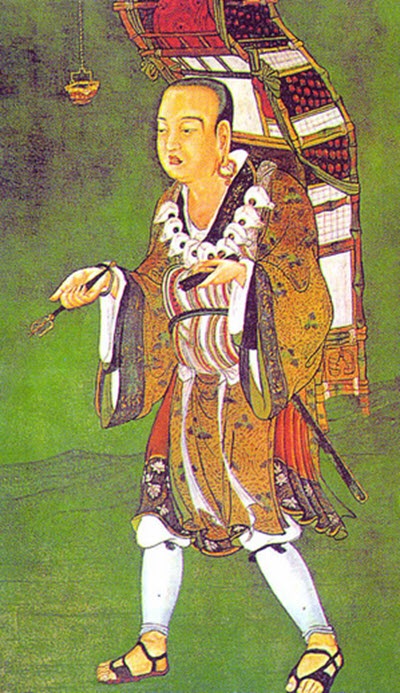
Hsuan-tsang (sometimes transcribed Xuan Tsang or Xuanzang) was a Chinese Buddhist monk who in 627 AD traveled overland from China to India.
Contemporary historians trace the recorded history of Gilgit-Baltistan through a Chinese-infused beginning. Chinese Buddhist monks, Faxian in the fourth century and Xuanzang in the seventh century, travelled through this picturesque northern landscape and left behind textual references that are regarded as the earliest historical records of the region. In their travelogues, they described the area as the ‘Patola Shahis’ states, identifying Gilgit as ‘Little Palolo’ and Baltistan as ‘Great Palolo’ or ‘Bolur.’ In the seventh and eighth centuries, these states came under the direct suzerainty of the Chinese Tang Dynasty for a brief period, marking the only instance of direct Chinese rule in the region’s recorded history. However, this did not last long, as Tibetan rulers subsequently captured the region, gradually diminishing the influence of the Tang Dynasty.
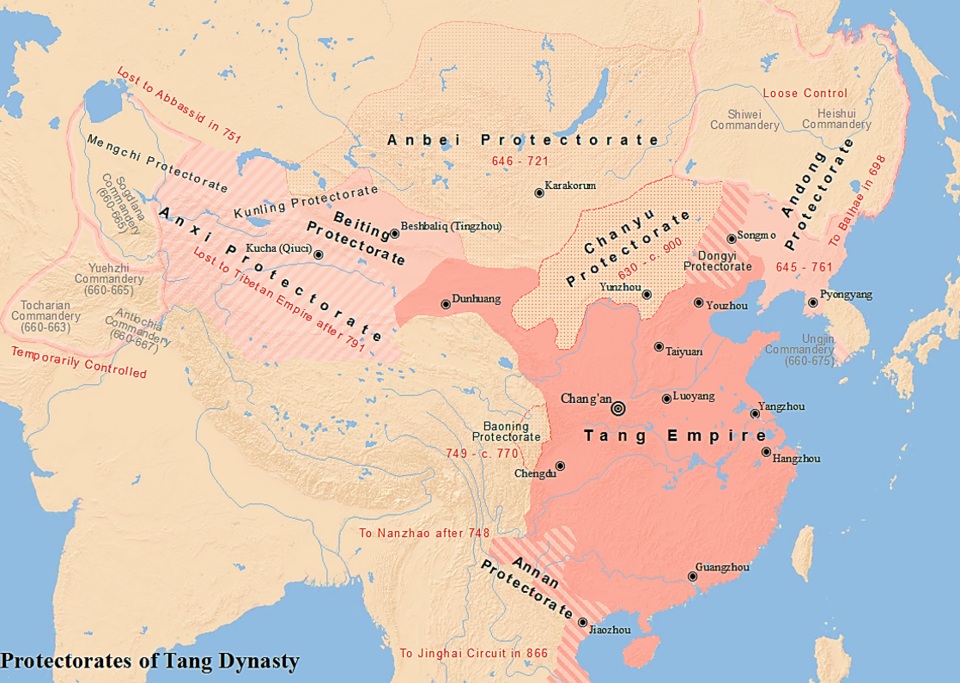
The Patola Shahis became part of the Anxi Protectorate of the Chinese Tang dynasty
Gilgit-Baltistan also shares a profound cultural affinity with China, particularly with the Tibet region. Across the region, the influence of Tibetan culture is evident, as a significant portion of the population traces its ancestry to Tibet. The second most widely spoken language in the region is Balti, a sub-dialect of classical Tibetan. Despite changes in religious beliefs, Tibetan customs continue to shape social behavior, daily life and local values. The imprints of Tibetan influence are also reflected in monuments and local folklore. In recent years, interest in learning the Mandarin language has grown among the youth, a trend that has accelerated following the introduction of the China-Pakistan Economic Corridor (CPEC) and expanding educational exchanges.
Beyond geographical, historical and cultural linkages, Gilgit-Baltistan plays a crucial and indispensable role in economic connectivity between Pakistan and China. It is often referred to as the ‘gateway’ to the China-Pakistan Economic Corridor (CPEC), a flagship project under China’s Belt and Road Initiative. Historically, Chinese traders transported goods to Central Asia through Gilgit-Baltistan, which served as a gateway along the ancient Silk Route. Today, the region is once again revitalizing its historical role as a bridge between China and the broader world. Under the Belt and Road Initiative, Gilgit-Baltistan functions as a strategic corridor enabling China’s access to global markets. This initiative is fostering Pakistan’s regional integration and economic development, while also expected to enhance local infrastructure, improve energy distribution, and create employment opportunities within the region.
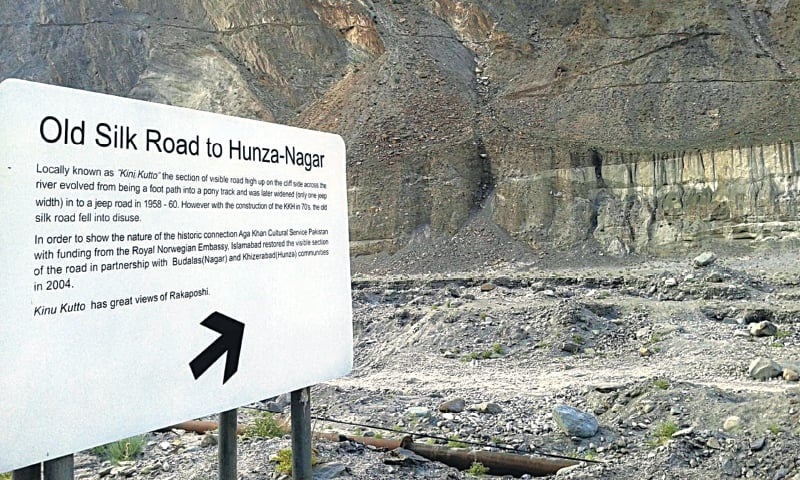
Old Silk Route in Gilgit Baltistan
However, despite its immense strategic and economic importance as the ‘gateway’ of CPEC, development in Gilgit-Baltistan has not kept pace with its potential. Significant infrastructural gaps, economic underdevelopment, limited educational advancement and inadequate access to basic facilities persist. Given its unique geographical, historical, and cultural linkages with China, targeted economic, cultural and social initiatives by China in the region could generate lasting positive impacts. Such efforts would not only help the people of Gilgit-Baltistan overcome longstanding challenges but also enable Pakistan and China to fully realize the region’s vast economic and strategic potential. Strategic engagement in sectors such as education, health, tourism, energy, agriculture, communication and transport could unlock this potential. Moreover, this presents a broader opportunity to promote regional stability, connectivity and prosperity.
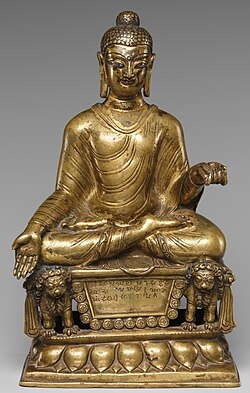
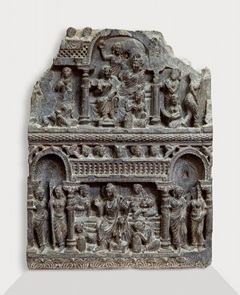
Enthroned Buddha with inscription, Gilgit Kingdom, circa 600 CE
In conclusion, Gilgit-Baltistan occupies a paramount position in the China-Pakistan all-weather strategic relationship. From serving as a vital corridor of the ancient Silk Route, extensively used by Chinese traders, to its role in the modern Belt and Road Initiative, Gilgit-Baltistan continues to function as a bridge between China and the wider world. Its historical connections, strategic geographical location and cultural ties with China make it Pakistan’s most critical link to its all-weather ally. Joint and targeted development initiatives by China and Pakistan would enhance long-term regional stability, promote shared prosperity and further strengthen bilateral ties. Renewed Chinese engagement in Gilgit-Baltistan can ensure that this historically significant region continues to serve as a gateway to opportunity, trade and enduring friendship.
You may also like: