Written by: Amna Naseem
Posted on: September 03, 2025 |  | 中文
| 中文
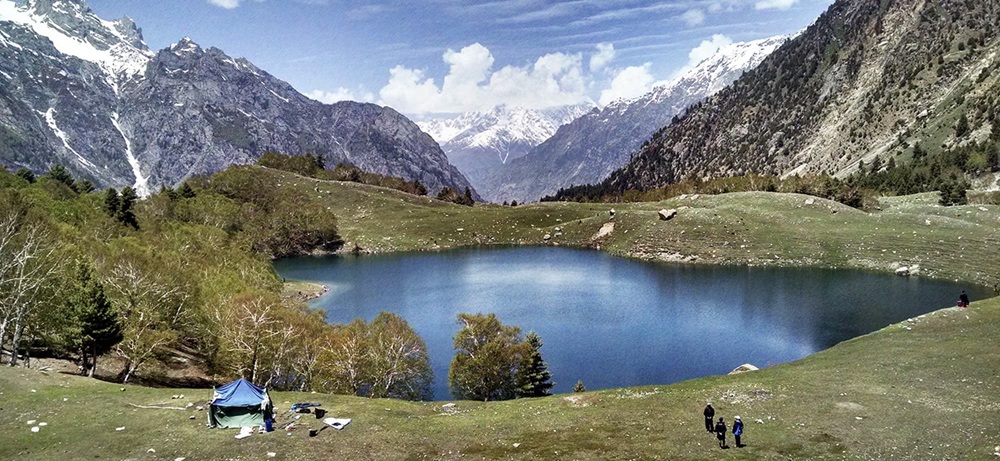
Kutwal Lake, Haramosh Valley
Gilgit Baltistan is well known for its majestic peaks, idyllic and ethereal landscapes and serene valleys. Every year, the northern region of Pakistan attracts streams of local and international tourists. Among the countless beautiful and familiar valleys of Gilgit Baltistan, there is another pristine valley.
In the heart of the Karakoram Range, there lies a hidden gem known as the Haramosh Valley. Sassi Village in the Gilgit district serves as the gateway to reach this magnificent valley. The picturesque beauty, snow-capped mountains, and lush green meadows make this valley an undeniable sight. Due to its remote and isolated location and difficult travel route, it is not often visited by tourists, but it has seen an increase in popularity in the past few years.
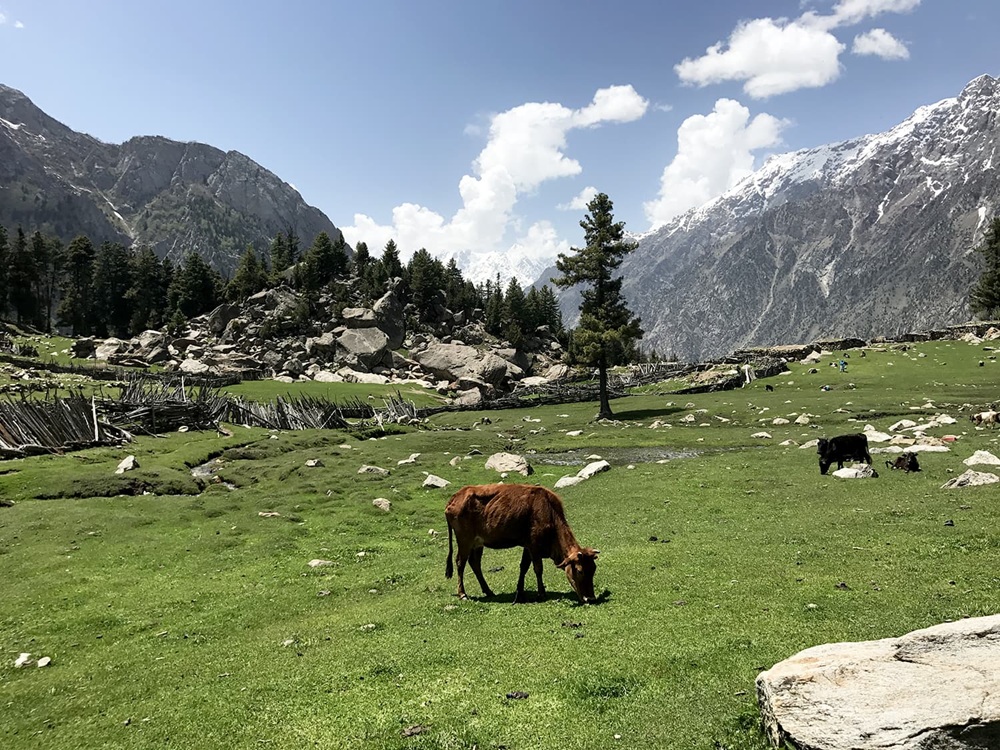
Haramosh's picturesque landscape
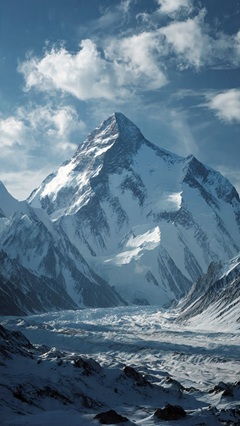
The Haramosh Valley is home to its namesake mountain, The Haramosh Peak, situated at 7,409 meters above sea level in the Rakaposhi-Haramosh subrange of the Karakoram range. In 1958, an Austrian team was the first to make a successful ascent. A year earlier to this, an expedition from Oxford University led by Tony Streather tried to climb the mountain. Other well-known peaks in this range include Shispare Peak, Rush Peak, Diran Peak and Golden Peak.
Due to the elevated position, Haramosh Valley usually sees cold winters and mild summers. The best time for tourists and trekkers to visit this breathtaking valley is between June to September. The difficult and challenging routes, rugged terrain, glaciers, and climate conditions make this peak one of the most prominent in the world among mountaineers.
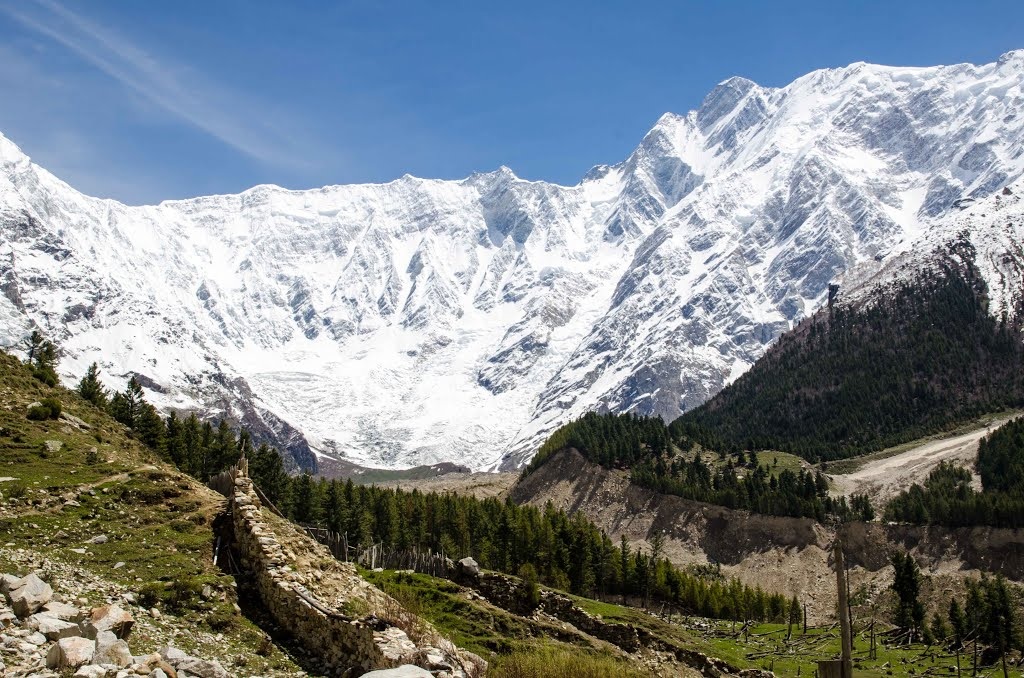
Haramosh Peak
Kutwal Lake, which is one of the most popular tourist attractions in the valley, is situated amid towering peaks like Laila Peak, Mani Peak (also known as Dobani Peak), and Haramosh Peak. The crystal-clear water of this lake reflects the surrounding snow dusted peaks and greenery in a picture-perfect scene.
Other notable sights include unnamed waterfalls, which can be spotted along the trek from Dassu Village. The valley is enriched with vast and vibrant meadows filled with wildflowers and alpine flora covering the grass. The valley is a popular destination for trekkers due to its trails, which come in a variety of difficulty levels.
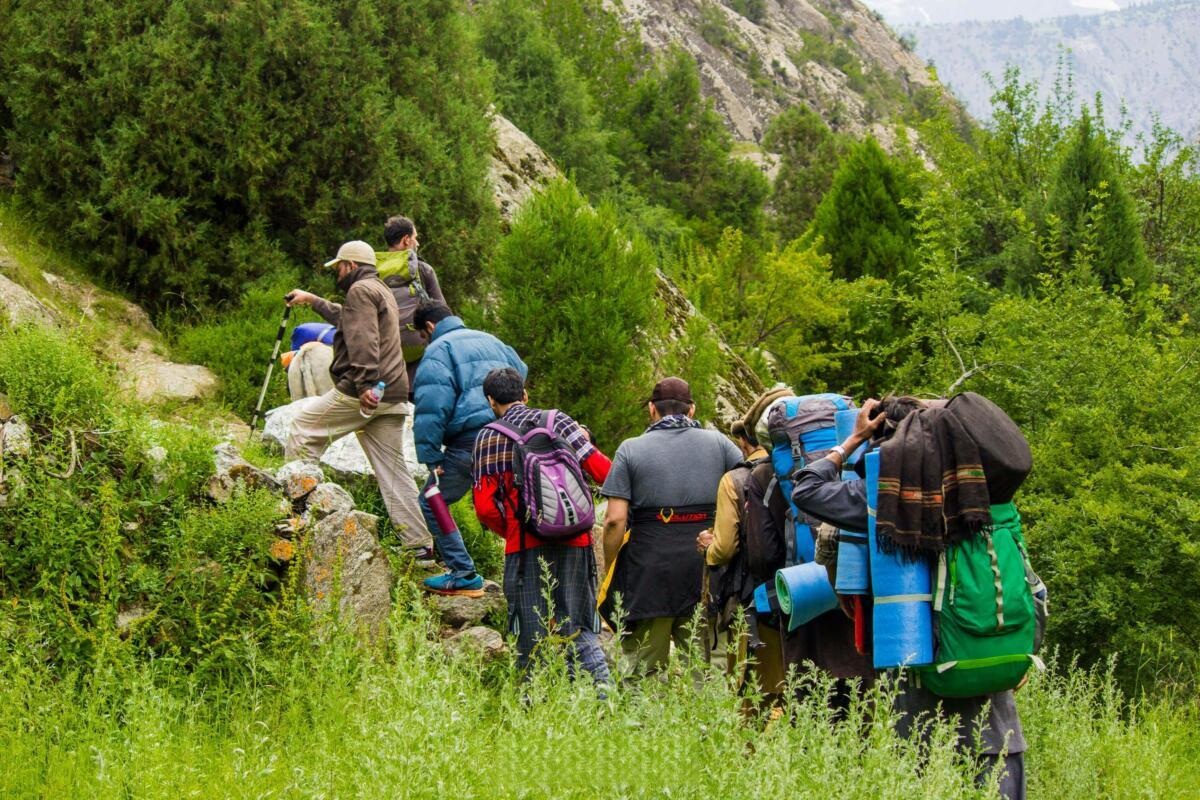
Trekkers in Haramosh valley
The local population leads quite a simple life. The culture of Gilgit Baltistan is deeply rooted in the people of the valley. Locals in this valley use Shina language, which is a Dardic language that originated from Indo-Aryan languages. Shina is spoken by many northern Pakistanis, especially in Kohistan, Chilas, Tagir, Astore and Gilgit.
It is hard to accurately estimate the population of the valley due to its remote location. The valley is estimated to have an approximate population of around 8,024 people, based on recent data. Most residents rely on tourism, agriculture and livestock for their livelihood.
For a smooth journey to this exquisite place, it is essential to know these travel tips beforehand. The adventure starts in Gilgit, where you'll find various accommodation options. You can also hire a local guide. From there, the road to Sassi village is quite bumpy and requires a 4x4 jeep.
Next is a narrow, rocky path that leads from Sassi to Dassu village. You can find simple local-run guesthouses here. From here, you can either continue via 4x4 jeep or choose a short hike. Beyond Dassu is where the real trekking begins. The trail stretches for 18 to 19 kilometers, leading to the Kutwal Valley.
Since there are no hotels or proper accommodation near Kutwal Lake, it is necessary that you bring your own camping gear. The temperature can drop to several degrees at night, keeping that in mind, come prepared. Additionally, there are no phone services, electricity or reception in the area. It is advisable to pack all supplies you might need.
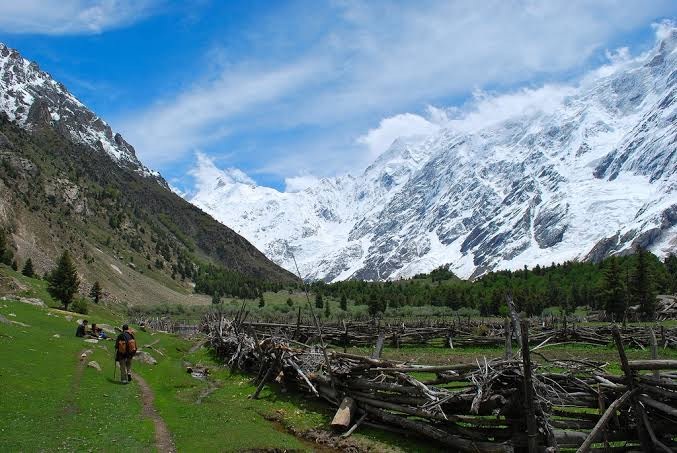
Haramosh is known for its lakes, pastures and mountains
Anyone traveling in nature must follow the leave no trace outdoor ethics. As a responsible traveler, you should aim to preserve the natural state of every place you visit. Always follow the “pack it in, pack it out" principle while traveling to ensure no trash is left behind. Another important aspect of responsible traveling is showing respect to the local community, their culture and the environment (flora and wildlife).
Haramosh Valley is more than a destination. It is an unspoiled haven, waiting to be explored even more. From the clear waters of Kutwal Lake to the snow-clad towering peaks, every step in this valley is a perfect getaway from the hustle and bustle of our everyday city life. The serenity and secluded nature of this valley provides the perfect detox and a chance to recharge.
You may also like: