Written by: Saram Maqbool
Posted on: October 15, 2025 |  | 中文
| 中文
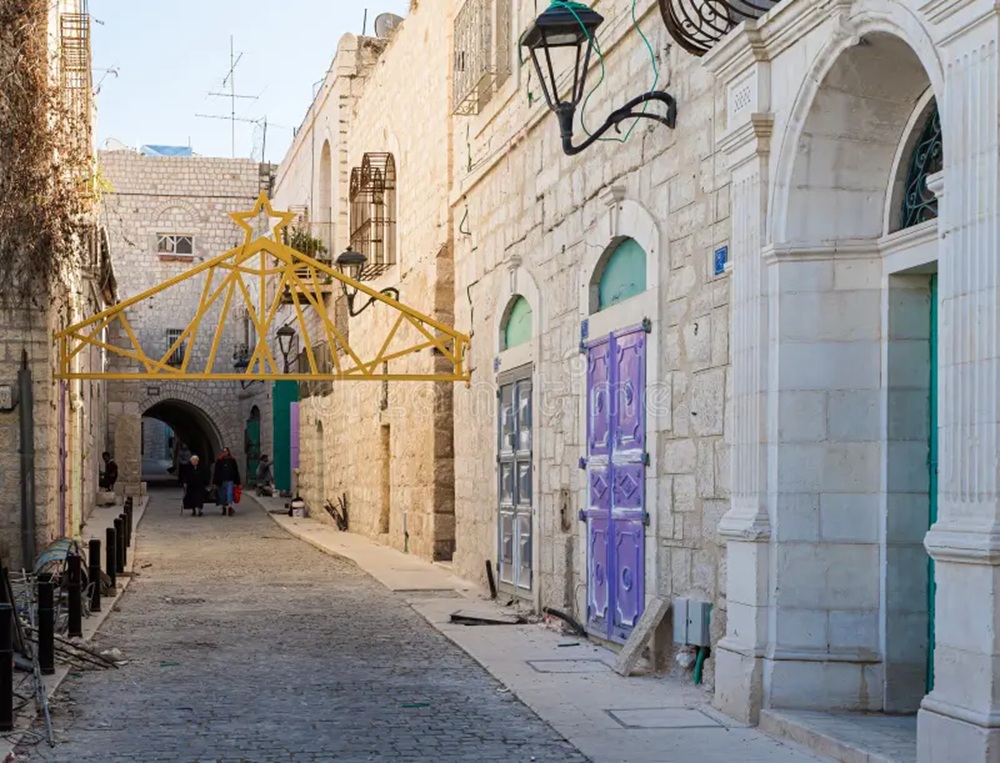
A Palestinian street with traditional architectural designs.
In the aftermath of war, when dust still hangs in the air and the outlines of cities lie broken, architecture becomes more than a question of shelter. It becomes an act of remembrance and resistance - a way of piecing together not just buildings, but the very idea of home. In Gaza, where destruction has repeatedly rewritten the landscape, the idea of rebuilding cannot be limited to concrete and rebar. To rebuild Gaza is to dig through not only rubble but also memory, to uncover and reinterpret the architectural DNA that once defined the region. Its courtyards, narrow alleyways, stone façades and shaded thresholds that carried centuries of social meaning must be remembered, reinterpreted and rebuilt. True reconstruction would mean restoring continuity, ensuring that the built environment once again reflects the spirit of the people who inhabit it.
Architecture in post-war contexts has long carried this double task of repairing the physical and resurrecting the cultural. When cities are destroyed, they lose not only their structures but their collective memory, the patterns of life that gave them rhythm and soul. In rebuilding, architects can act as archaeologists, unearthing layers of identity that were buried by violence. Nowhere is this challenge more urgent than in Gaza, a land where architecture once balanced the intimacy of domestic life with the openness of community, where homes were designed not by imported plans but by the quiet logic of climate, tradition and faith.
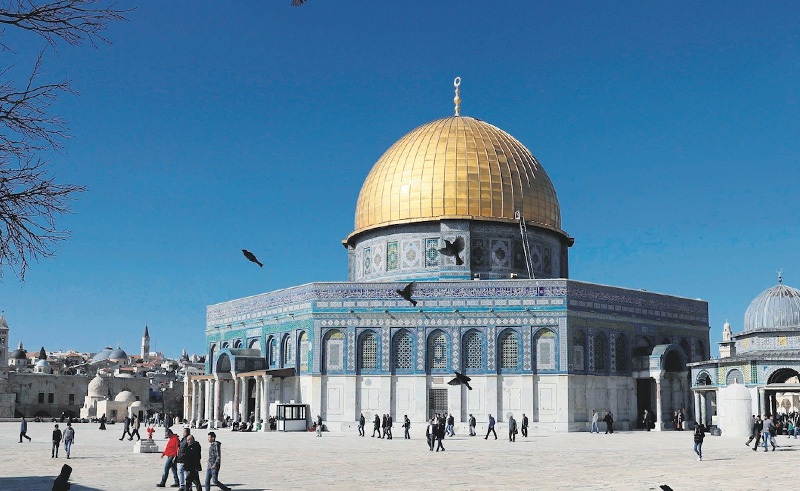
Al Aqsa Mosque in the occupied Palestine.
The courtyard house, for instance, has long been a defining typology across Palestine. Within its walls, life unfolded around an open-air center, a private yet shared space that allowed families to gather, to breathe, to connect the interior with the elements. These homes were naturally ventilated, oriented toward privacy, and deeply responsive to local culture. To rediscover such forms in the reconstruction of Gaza would not be an exercise in nostalgia but in sustainability and identity. Courtyards, shaded verandas, and thick stone walls are not relics of the past, but solutions perfectly suited to the region’s climate and social life. By reintroducing them, architects could restore continuity between past and present, between what was lost and what can still endure.
History offers many examples where rebuilding after war became a process of cultural rediscovery. In Warsaw, after the Second World War, the city’s Old Town was left in ruins as nearly eighty-five percent was destroyed. But instead of replacing it with modernist blocks, Polish architects, artists and historians undertook a massive reconstruction effort based on archival paintings, old photographs and even the memories of residents. What emerged was not a perfect replica, but a reimagined cityscape that honored its history while asserting survival. Warsaw’s resurrection is often cited as one of the earliest examples of post-war architecture as cultural archaeology, where the city itself became an artifact painstakingly pieced back together to preserve a sense of identity.
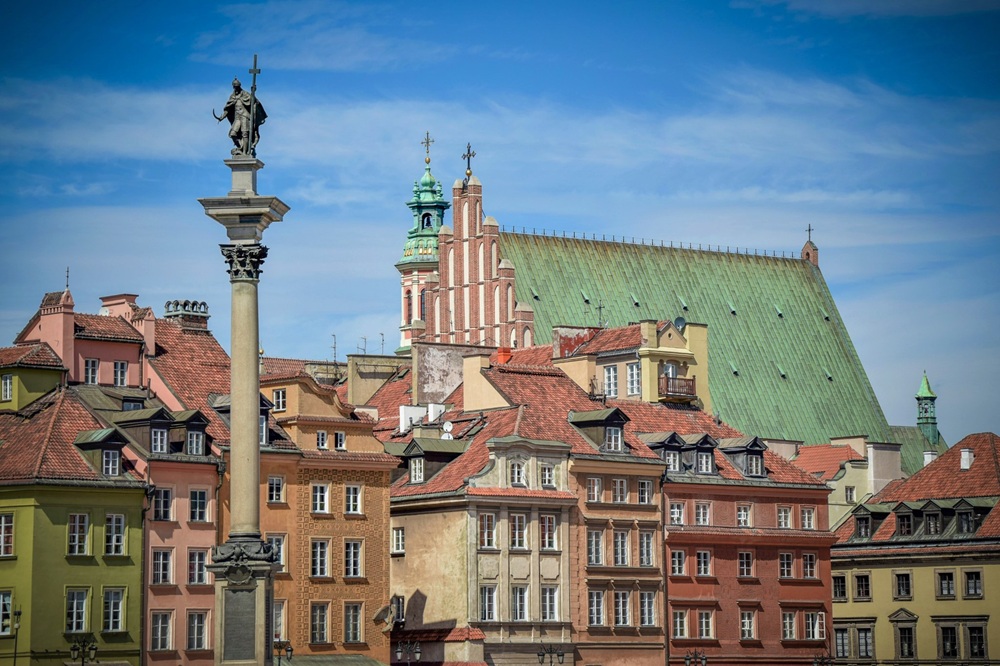
Warsaw's old town was rebuilt from the ground up.
In a similar spirit, the post-war reconstruction of Mostar in Bosnia-Herzegovina centered around the rebuilding of the Stari Most, the sixteenth-century Ottoman bridge destroyed during the conflict of the 1990s. The bridge had stood for over four hundred years, not only as an engineering marvel but as a symbol of coexistence between diverse communities. Its destruction was more than structural - it was an attempt to erase shared identity. When the bridge was finally rebuilt using original materials and traditional techniques, it was an act of cultural healing. The new Stari Most, while technically contemporary, reconnected the community to a collective memory that war had tried to sever.
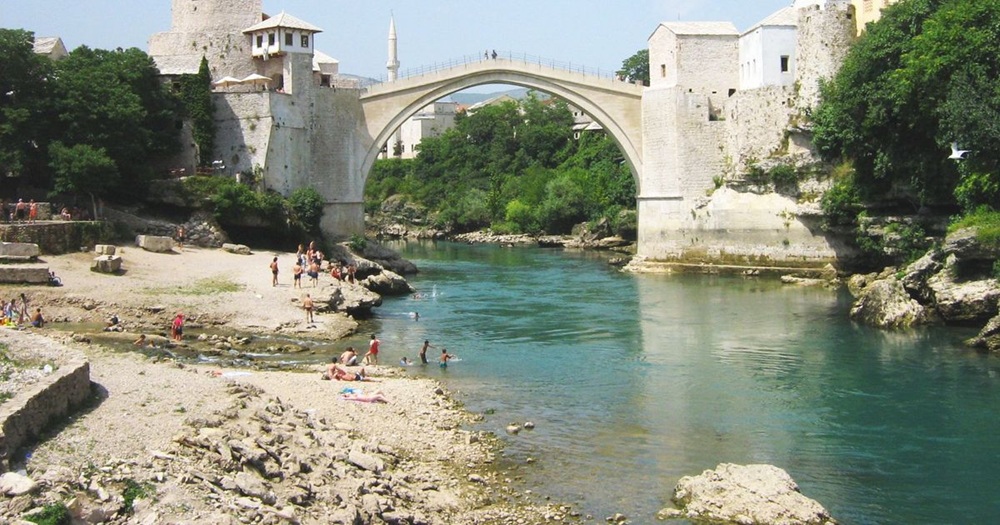
Stari Most Bridge in Bosnia and Herzegovina
Post-war architecture that draws from the cultural and spatial traditions of place often resists the homogenizing tendencies of international design. In Beirut, following the Lebanese Civil War, the city’s reconstruction sparked debate about identity and authenticity. Many feared that rebuilding the central district would erase the organic complexity of its pre-war urban fabric. While large-scale redevelopment projects did reshape parts of Beirut into commercial hubs, smaller initiatives by local architects took a different path and preserved fragments of old houses, arcades and courtyards, integrating them with modern additions that acknowledged both memory and loss. These projects stand as reminders that rebuilding is not only about the new, but also about what can be salvaged and reinterpreted.
For Gaza, this layered approach to reconstruction could be a powerful form of resistance. The destruction of homes there has often aimed to erase not just structures but the shared understanding of how people live, gather, and belong in their spaces. Rebuilding could reclaim that coherence. Imagine neighborhoods that revive the traditional hara - the narrow alleyways where neighbors met in shade, where children played under archways, and where every turn revealed a small square or courtyard. Imagine homes that once again open inward, offering privacy from the street while nurturing communal life inside. These patterns, once born from necessity, now carry the weight of cultural survival.
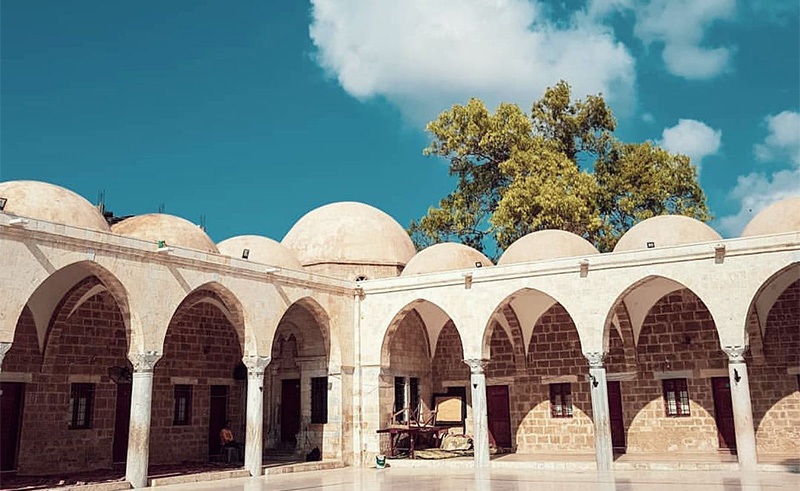
Al-Sayed Hashem Mosque in Gaza
In Aleppo, Syria, similar approaches have guided restoration projects that combine modern building methods with traditional craftsmanship. The rehabilitation of the old city, though ongoing and complex, has focused on reviving the courtyard typology and the use of locally sourced stone. These efforts are not only about rebuilding walls, but about reviving ways of living that once defined urban identity. Post-war architecture can also embrace the fragment as a design language. The ruins of Coventry Cathedral in England were left deliberately standing after its destruction during World War II. Next to it, Basil Spence’s new cathedral was built with a modern typology in mind, and yet, it remained connected to the remnants of the old by a shared courtyard. Together they form a conversation between ruin and renewal, between mourning and hope.
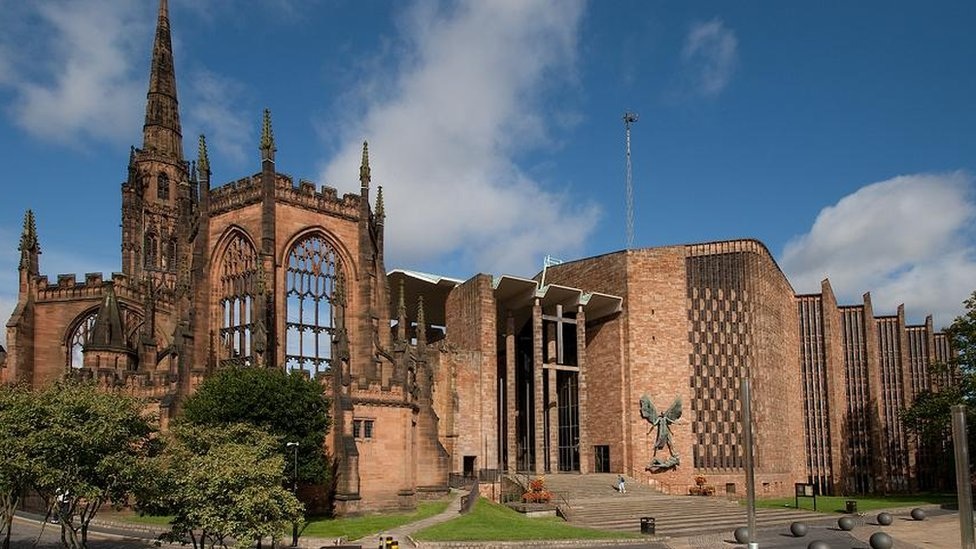
Coventry Cathedral in England
If Gaza’s reconstruction were guided by this same understanding, it could evolve into something more profound than infrastructure. It could become a living archaeology that honors both loss and endurance. Rebuilding could recover architectural vocabularies erased by decades of displacement: the shaded passageways, the courtyards, and the local stone that once glowed golden in the sun. It could also reinterpret them, using contemporary methods to make them resilient and adaptable to new realities. The act of design would become a form of storytelling, each wall and void a line in the ongoing narrative of survival.
You may also like: