Written by: Emma Alam
Posted on: April 17, 2026 |  | 中文
| 中文
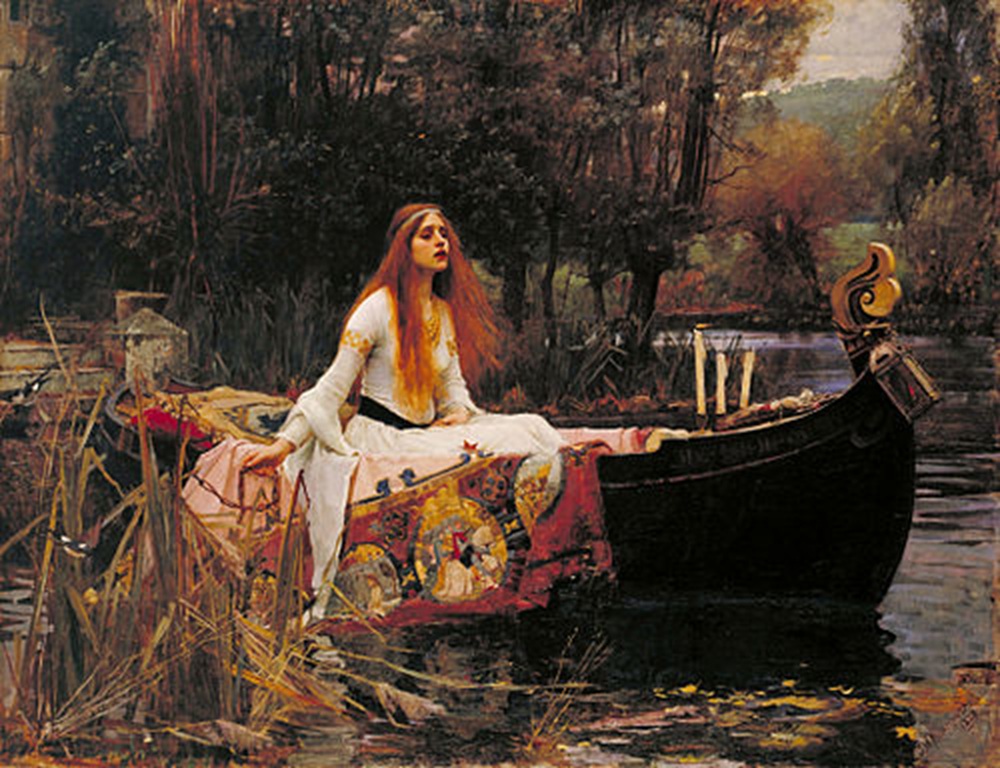
The Lady of Shalott (1880) by John William Waterhouse
The poetic reference for an art piece has always been a great inspiration for many artists, whether they existed in the East or practised in the West.
The miniature painting tradition of the East primarily served as the visual illustration of the written narratives, encompassing imperial chronicles, religious preaching, folklore, love-stories and epics denoting wars and adventures. Works like Hamzanama, Tutinama, Matiq al-Tair, Ramayana, Ragamala, and Nala-Dayamanti are considered a few such examples of visual narratives that exemplify the canonical poetic and literary traditions, from Persian to South Asian regions, into pictorial interpretation.
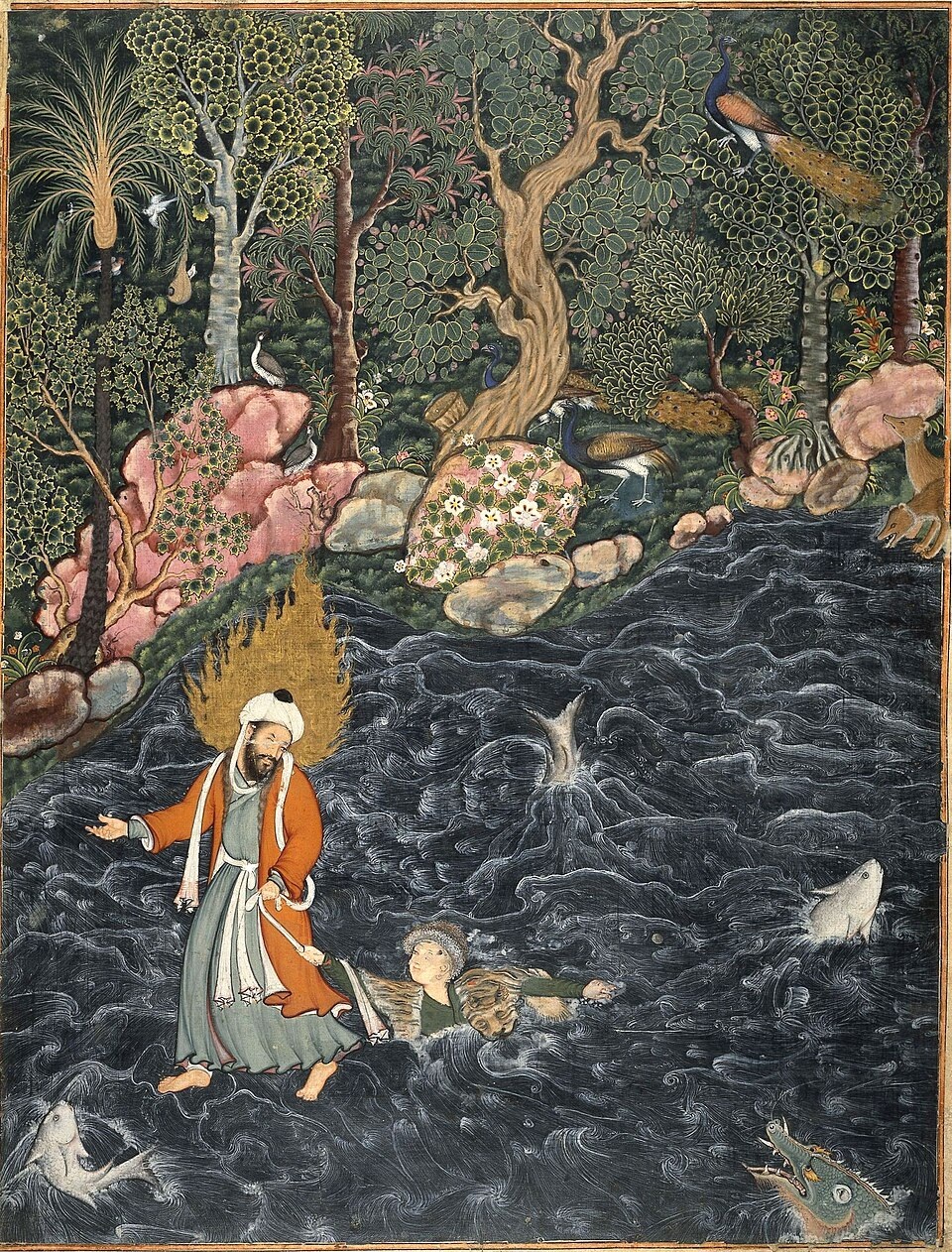
A Page from Hamzanamah (c. 1562) by Mir Sayyid Ali
In Western art, Romantic artists, like Eugene Delacroix and Theodore Gericault, were often attracted to the themes and subject matter adapted from the plays of Shakespeare and other literary and mythological accounts.
Earlier Western painters were religiously engaged in personification of sacred characters and visual reenactment of Biblical stories; notable artists in this tradition include Giotto di Bondone, Duccio di Buoninsegna, Michelangelo, Leonardo da Vinci, and Caravaggio.
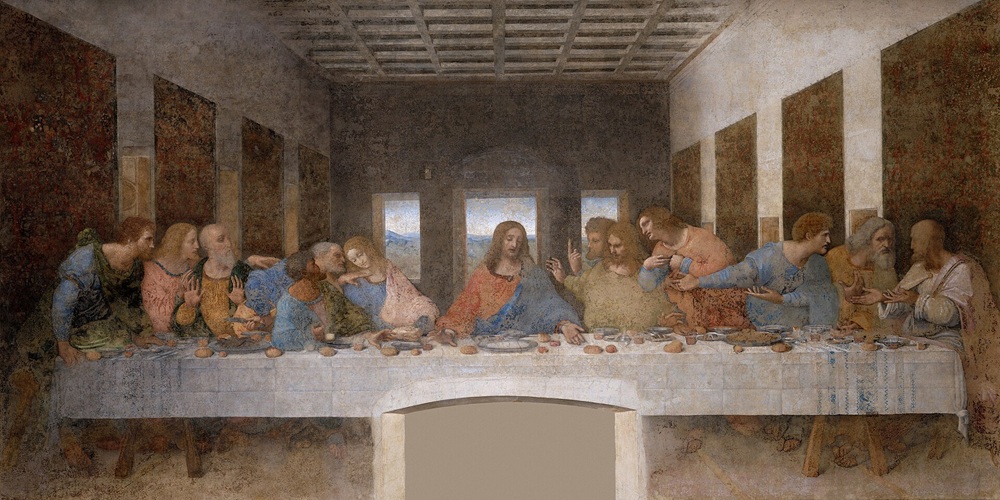
The Last Supper (1498) by Leonardo Da Vinci
Waterhouse carried on this tradition with a special interest in Tennyson’s poetry; a Romantic-influenced Victorian poet.
‘The Lady of Shallot’ was written by the Victorian poet Alfred Lord Tennyson in 1832; this melodic narrative verse composition derived from the Arthurian legend.
This poem narrates the story of a secretive woman concealed on Shallot Island within a tower. Under the influence of a curse, she can only view the world via mirror reflections, and she Interweaves a tapestry of her observations. When this lady glimpsed Sir Lancelot and viewed the outer world immediately, in the meantime, her curse was initiated and culminated in her heartbreaking demise.
In 1888, after almost sixty-six years of this poem by Tennyson, John William Waterhouse painted this lyrical sorrow, converting it into a renowned painting of Victorian art. In this canvas, the painter depicts the movement of Lady Shallot when she leaves the tower in a boat.
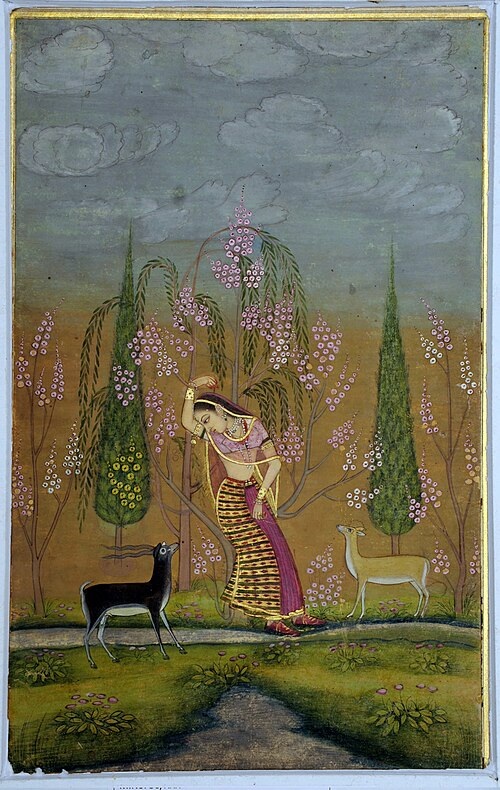
Ragini Todi (c. 1750) by Unknown Artist of Mughal Miniature School
Elizabeth Prettejohn describes in her book The Art of John William Waterhouse (2008), as under: “Waterhouse repeatedly turned to Tennyson’s poetry for subject matter, particularly The Lady of Shalott, which he interpreted in multiple painted versions.” (Prettejohn 2008)
This painting of Waterhouse portrays the sadness of the poem. The feeble, sad face of Lady Shalott reflects her realization of the approaching disaster. The dense foliage-background, diffused and soft waning light, and delicate motifs dissolving into the water enhance the concept of sensitivity and grief.
This artwork is not restricted to the aesthetic and proficient understanding of the poetic expression; rather, it shows a mesmerizing pictorial story of hermitage, longing, and sorrow concealed behind the boundaries of imagination. Within this composition, the lady has been painted sailing gently with a serene waterflow; swamped in the exuberance of the universe. However, her burgundy hair cascades like flickering flames over cold translucent water.
Collectively, this artwork illustrates the time of her inevitable exit from solitude, a conflict between her worldly desire and the call of destiny. The creative skill of Waterhouse represents the interior self of the ‘Lady of Shalott’.
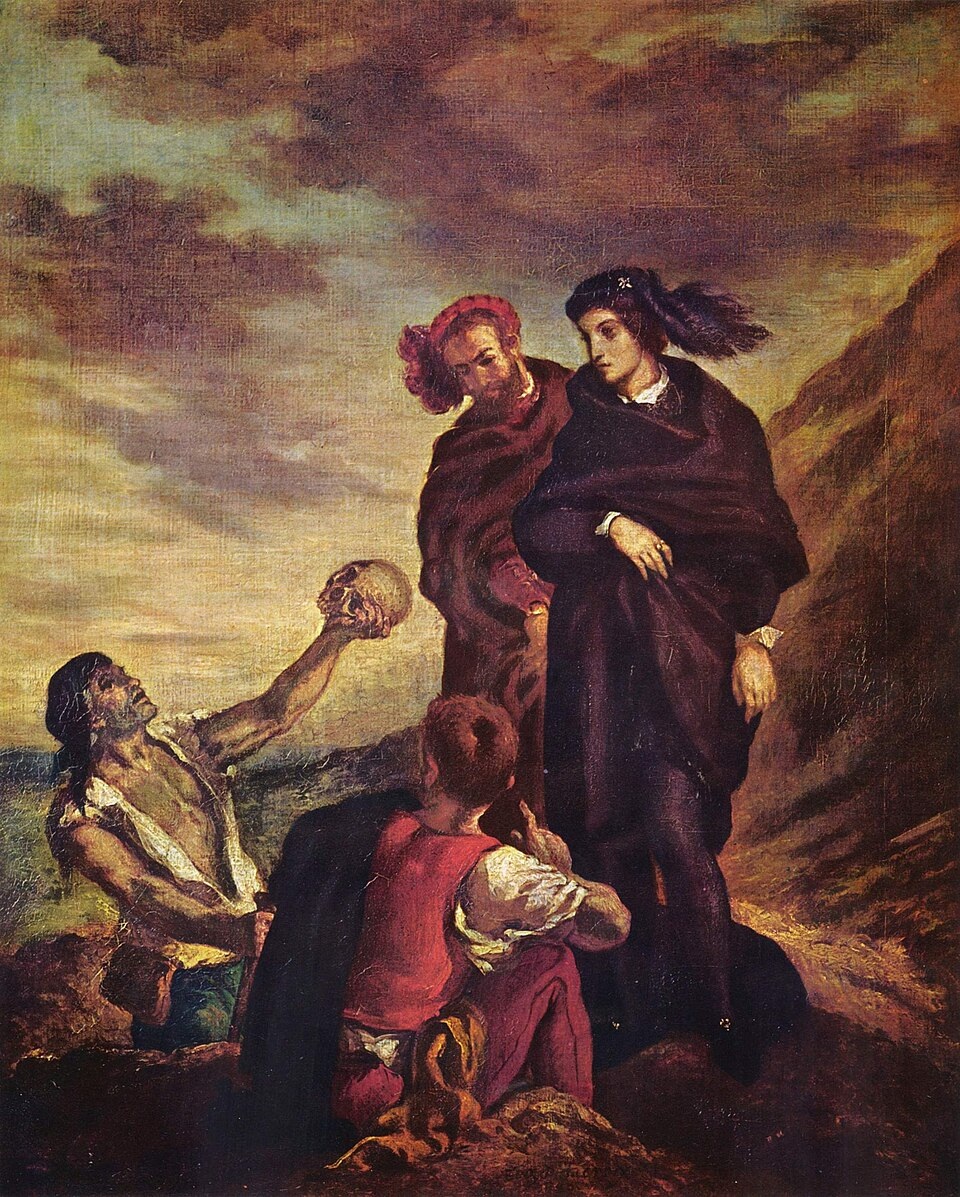
Horatio with Hamlet in the Gravedigger Scene (1839) by Eugène Delacroix
Her elegant posture, almost dropping into the boat, and her sombre expressions advocate both frailty and resistance at the same time. The notions of loneliness and desire are emphasized by means of employing vibrant colours and meticulous precision. The delicate reflection of the burgundy hair colour of the central female figure upon the water surface provides a visual contrast with the diminishing riverbank, indicating the radiant inner realm of creativity compared with the monotony of isolation.
The smothered candle alongside the lady symbolises the dying breath of life; on the other hand, the river also emerges as an emblem of unavoidable fate.
'The web was woven curiously,
The charm is broken utterly,
Draw near and fear not, this is I,
The Lady of Shalott.'
(Tennyson 1832)
You may also like: