Written by: Ayesha Shoukat
Posted on: May 20, 2026 | 
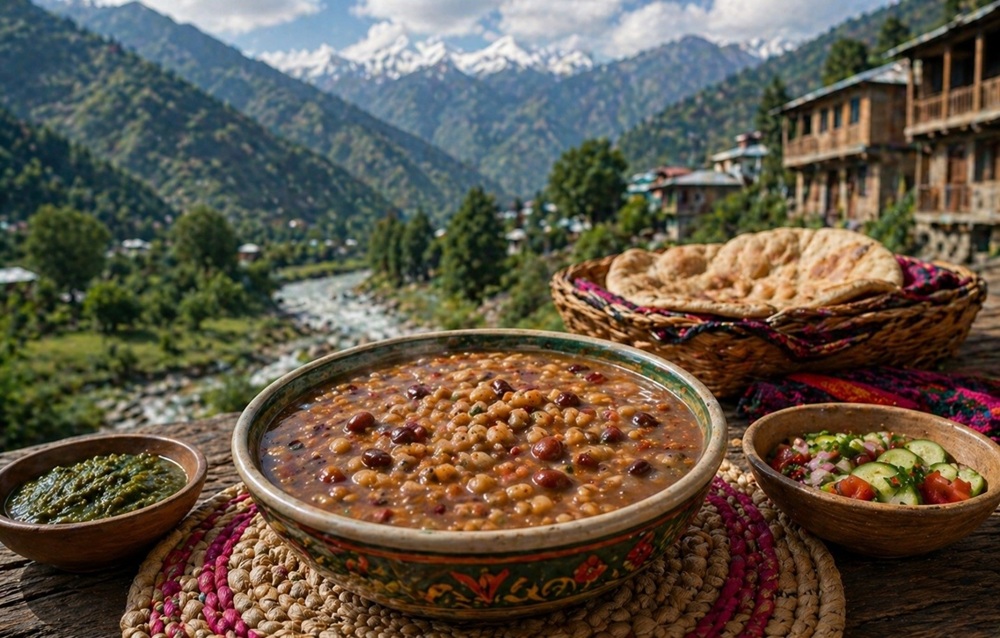
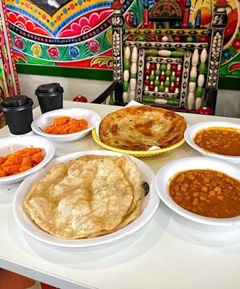
Traditional serving of Ghongri in the scenic backdrop of Swat Valley, symbolizing warmth, heritage and the cultural essence of local cuisine.
Pakistani food is known all over the world for its delicious taste and variety, but there are many traditional local dishes that are yet to be discovered. Ghongri, a slow-cooked wheat and bean dish, is one such traditional dish, and an integral part of the culinary culture of Swat, Khyber Pakhtunkhwa. While it is widely enjoyed throughout the province, its origins can be traced back to the towns of Charbagh and Manglawar, where it is prepared using time-tested family recipes.
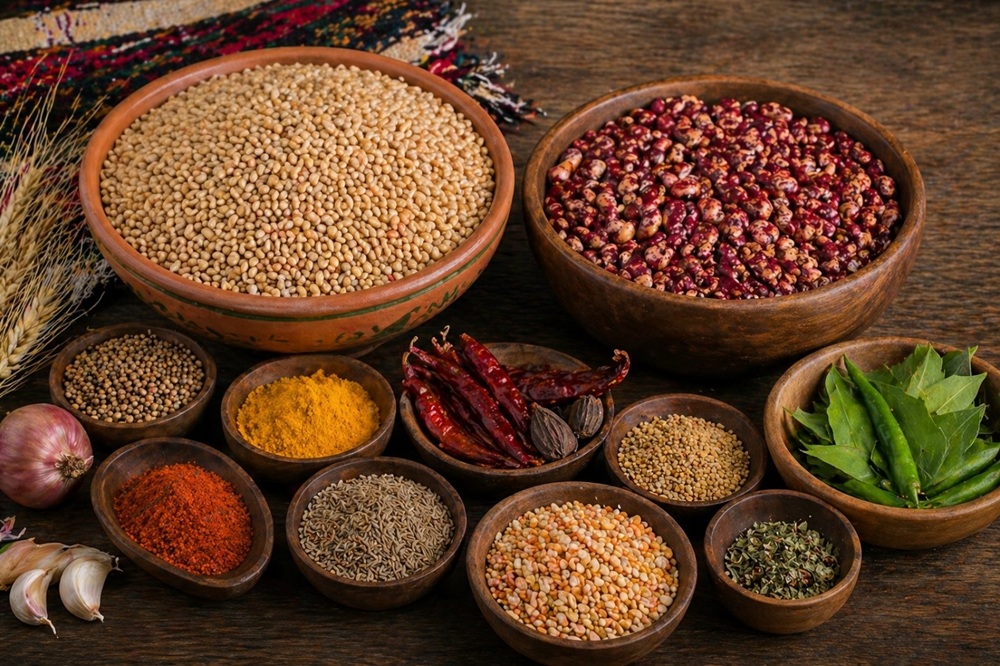
Ghongri is not only delicious but also nutritious. Its main ingredients are locally grown wheat and lobia (beans), which are a good source of complex carbohydrates and vegetarian protein, and are especially beneficial for regions where meat is expensive or difficult to find. Local wheat is more tender and malleable than imported varieties, while local beans are an excellent source of fiber, iron and other micro-nutrients. These two ingredients combine to make a nutritious and filling meal that aids in digestion and provides sustained energy release, which is particularly important in cold mountainous areas and during physically demanding activities.
Church of the Light by Tadao Ando
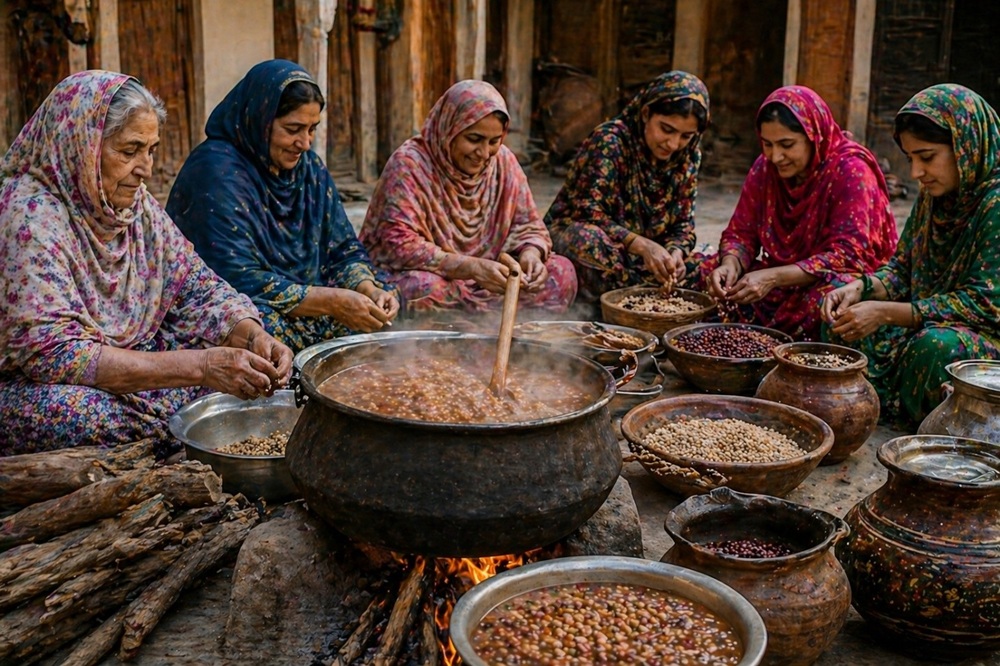
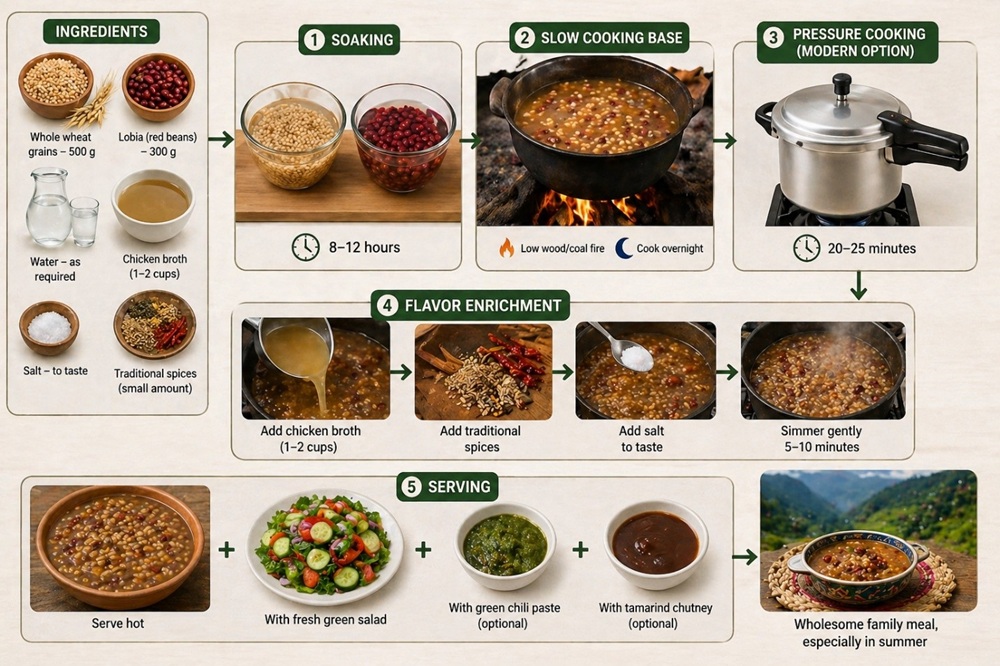
The key difference between Ghongri and many modern fast foods is how it is cooked. Slowly simmered over a low wood/coal fire all night, this dish gives all the nutrients time to blend and settle without the addition of preservatives or heat treatment. This cooking method helps retain the nutrients from the beans and grains, and also increases the absorption of minerals like iron and zinc, especially important in areas where anemia is common.
The other distinguishing feature of Ghongri is the family centered and female-dominated preparation process. While it can be found in the market, this dish is cooked solely by women at home, often in groups of six to eight, and overseen by senior women in the family. This approach not only preserves cultural heritage but also highlights the important, but often overlooked, contribution of women in community nutrition and food culture. This communal environment promotes knowledge sharing among generations, food safety, and indigenous food knowledge.
Church of the Light by Tadao Ando
In terms of its seasonality, the peak time of business is summer, when people move around more, often visiting these towns and tasting the traditional hot and nutritious dish. On the other hand, the lack of daylight and cold weather during winter limits the number of patrons; but Ghongri remains a nutritious and wholesome staple and emblem of Swati hospitality.
In a world where processed foods and nutritional diseases are on the rise, local foods like Ghongri offer both a rich cultural taste and a healthy alternative. Ghongri is a dish that exemplifies the belief that food, prepared with love, patience and ancestral wisdom, can be nutritious. In a world seeking solutions to contemporary malnutrition and diet-related diseases, a return to local foods like Ghongri might offer one way to bring about sustainable nutritional change from within the community.
Church of the Light by Tadao Ando
Swat’s Ghongri is not just a meal; it tell’s a tale of resilience, heritage, and health, gently simmered through generations, offering warmth to the stomach and the soul.
You may also like: