Written by: Ayesha Shoukat
Posted on: July 31, 2025 |  | 中文
| 中文
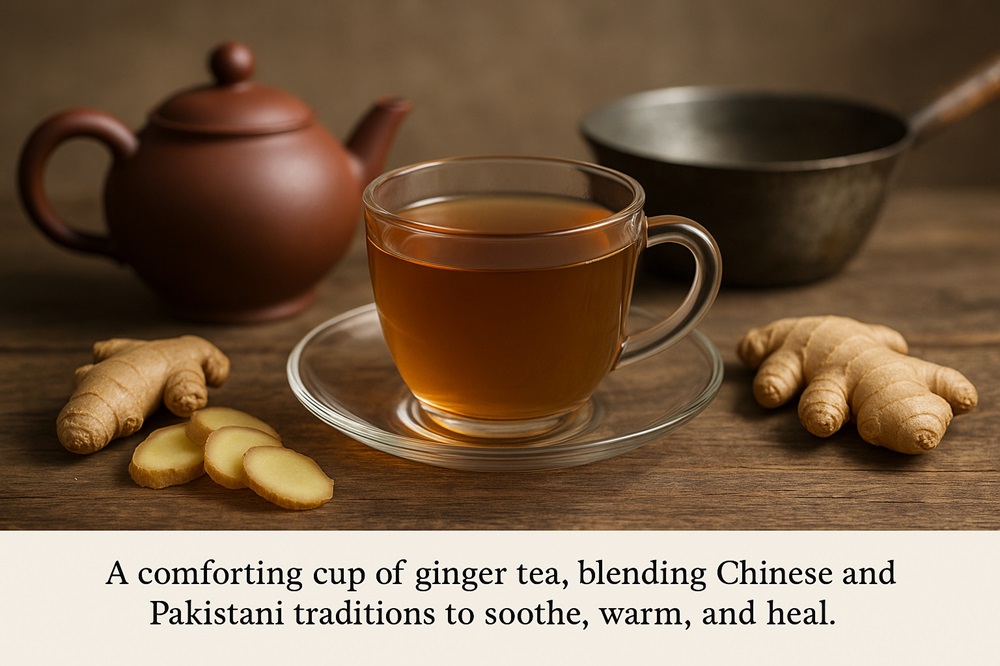
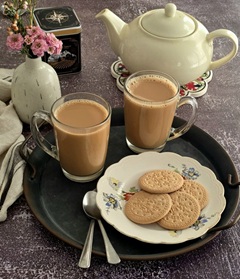
A comforting cup of ginger tea, blending Chinese and Pakistani traditions to soothe, warm, and heal.
China and Pakistan both have rich traditions of using herbs for health and wellness purposes. Herbal teas are a common part of daily life in both the countries. They are not only drinks but also natural remedies and symbols of hospitality. Despite differences in language and culture, many herbal drinks in China and Pakistan use the same ingredients and serve similar purposes. The following are five popular herbal teas enjoyed in both countries, highlighting the deep connection between their traditions:
Ginger tea is one of the most common herbal drinks in China and Pakistan. In China, it is called "shengjiang cha" and is especially popular during winter because it helps warm the body. In Traditional Chinese Medicine, ginger tea is used to treat colds, improve digestion, and increase blood circulation. It is known as a "warming" herb. In Pakistan, ginger is called "adrak," and the tea is known as "adrak wali chai." In some areas like Peshawar, it is also referred to as "Peshawari Chai." It is often made in winter to ease coughs, help with digestion, and provide warmth. Whether prepared in a Chinese teapot or a Pakistani steel pan, ginger tea is a symbol of care and comfort.
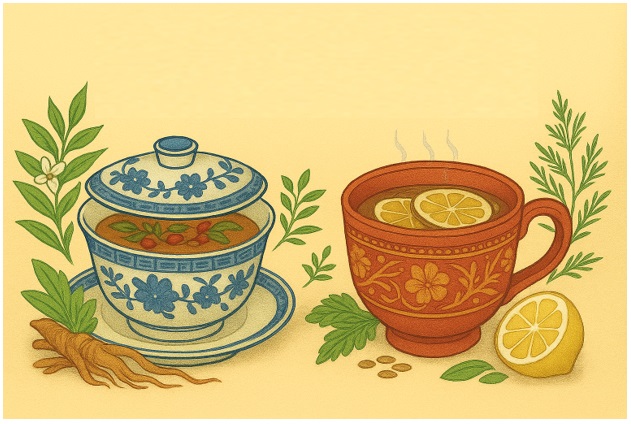
A visual blend of Chinese and Pakistani herbal tea traditions, where centuries of healing meet in every cup.
Fennel tea is another herbal drink enjoyed in both countries. In China, it is called "hui xiang cha" and is commonly consumed after meals to support digestion and reduce stomach discomfort. It also represents hospitality and warmth in the Chinese culture. In Pakistan, fennel seeds are called "saunf" and are used in many traditional dishes. Fennel tea is prepared by boiling fennel seeds in water. It is known to help with bloating, calm the stomach, and promote relaxation. Fennel is also used in "mukhwas," a colorful mix of seeds served after meals to freshen breath. In both countries, fennel tea is a simple and natural way to feel better after meals.
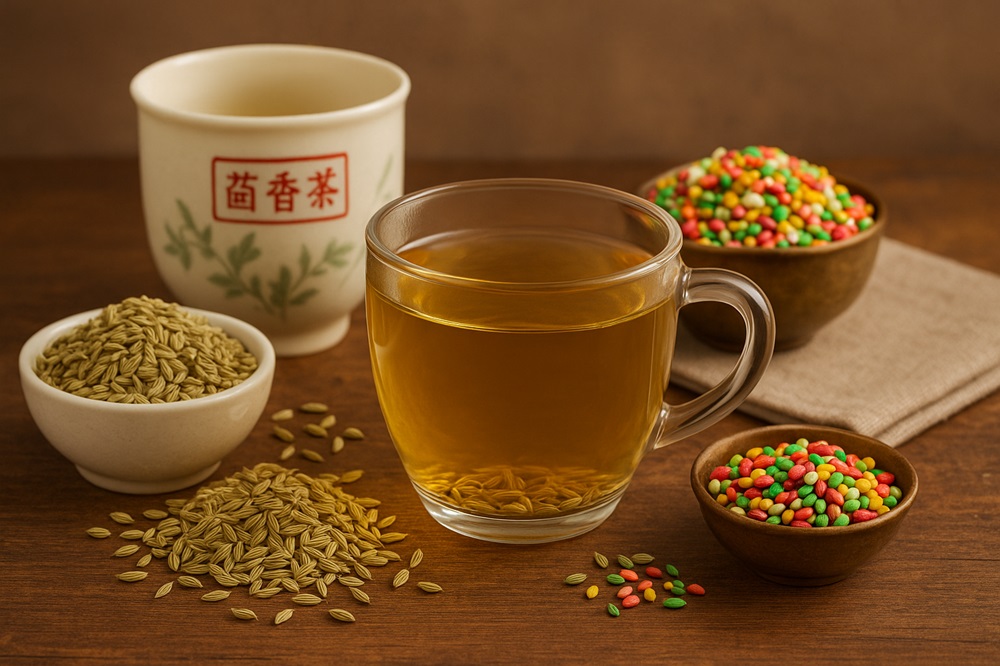
A soothing cup of fennel tea paired with vibrant mukhwas
Licorice tea has strong medicinal value in China and Pakistan. In Chinese, licorice root is called "gan cao," which means "sweet herb." It is a key component of Traditional Chinese Medicine and is used in many herbal mixtures. Licorice tea helps to soothe sore throats, reduce coughing and improve digestion. In Pakistan, licorice is known as "mulethi" and is a common home remedy, particularly during the flu season. It is believed to reduce inflammation and support respiratory health. In some villages, mulethi paste is used to help cows produce more milk. Although licorice tea may not be served at social gatherings, it remains important for family and personal health care in both countries.
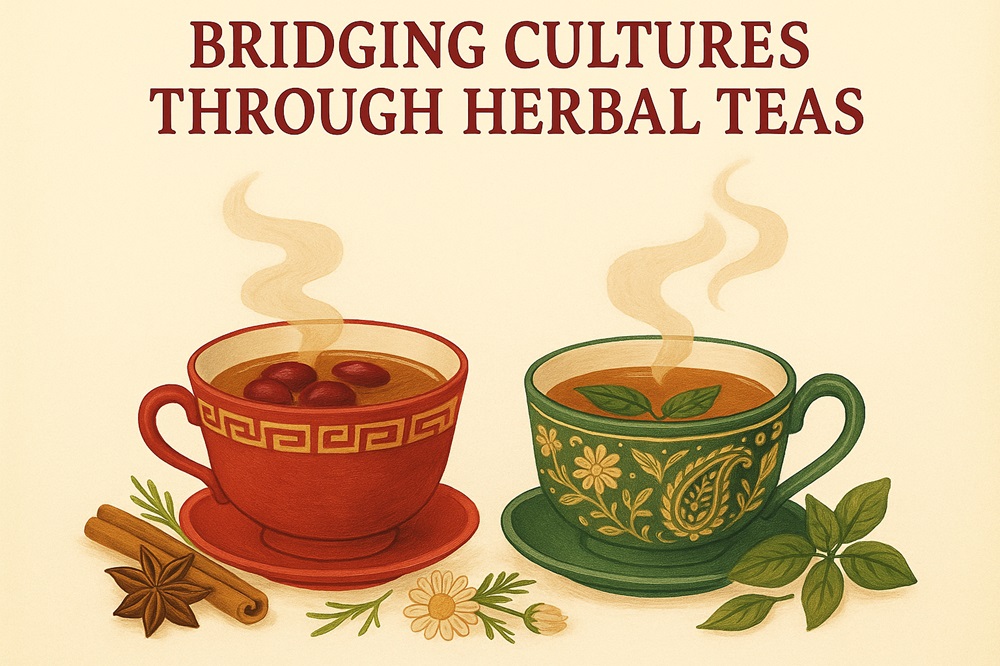
Bridging cultures through herbal teas
Green tea is popular in both China and Pakistan, although each country has its own way of enjoying it. In China, green tea is an important aspect of daily life. Famous types include Longjing, Biluochun, and jasmine green tea. Green tea is used in special ceremonies, such as the Gongfu tea ceremony, and is respected for its calming and detoxifying effects. In Pakistan, green tea is called "kehwa" or "sabz chai," especially in northern areas such as Peshawar. It is often served to guests as a sign of their welcome. It is sometimes brewed with cardamom, saffron, or ginger and garnished with nuts. Although the Pakistani style is more casual, both countries view green tea as a means to bring people together and promote good health.
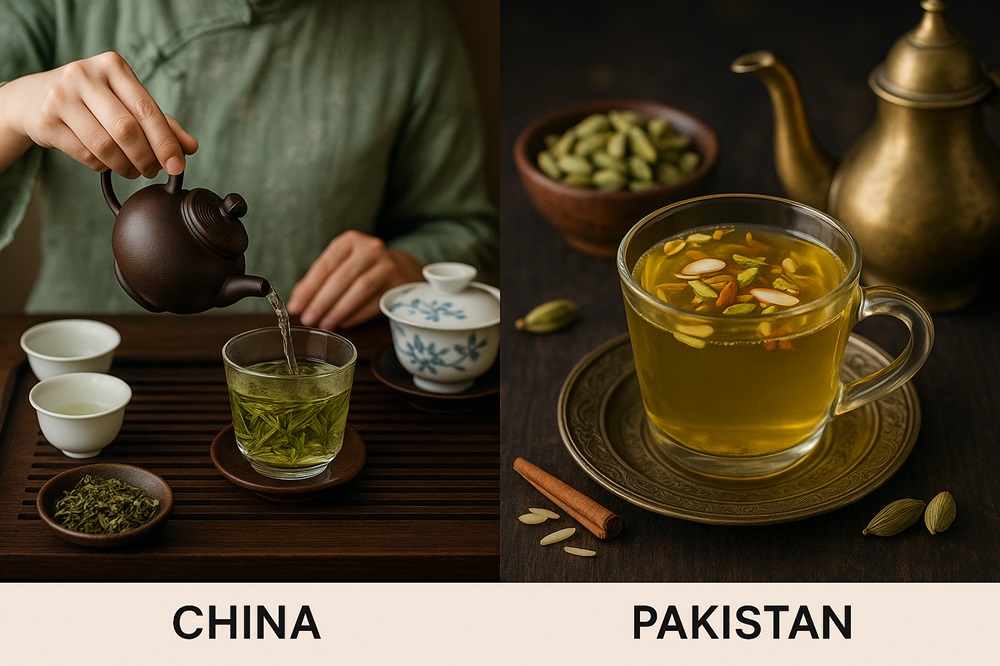
China’s ceremonial Longjing meets Pakistan’s spiced kehwa, two traditions steeped in shared reverence and warmth.
Mint tea is another herbal drink shared by China and Pakistan. In Traditional Chinese Medicine, mint is known for its cooling effects and is used to treat sore throats, reduce heat in the body, and refresh the mind. In the southern parts of China, mint tea is enjoyed in summer as part of a tradition of drinking "cooling teas." In Pakistan, mint tea is made with spearmint and called "pahari podina chai." It is served to guests and is appreciated for its fresh taste and digestive benefits. Some people also mix mint with herbs such as moringa or wild thyme to create unique blends. In both countries, mint tea is a simple yet refreshing drink that provides comfort and relief.
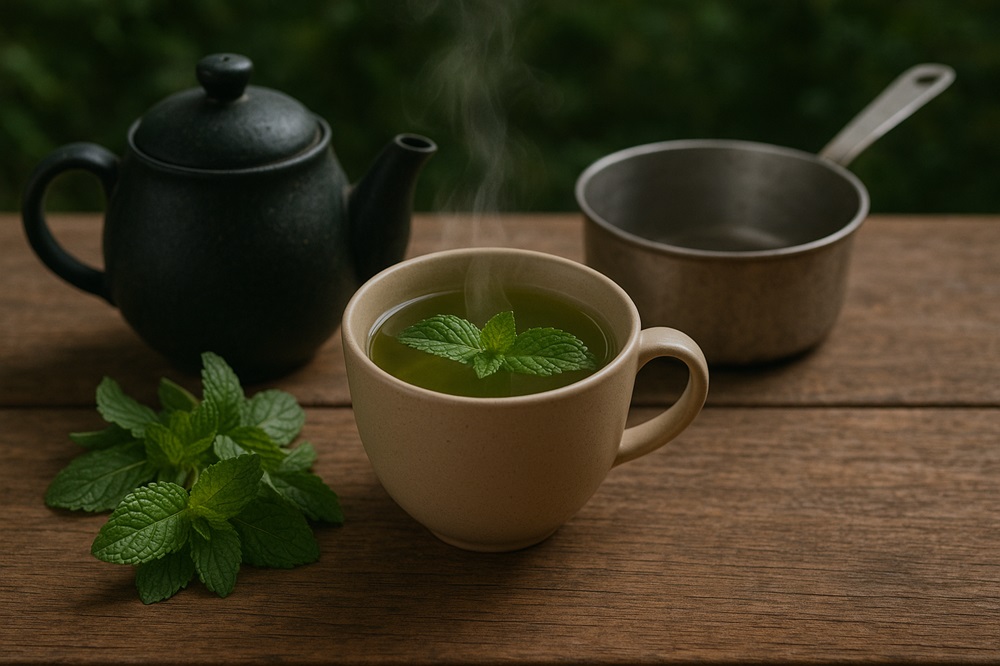
A soothing cup of mint tea, steeped with tradition and freshness, enjoyed across both China and Pakistan.
Although China and Pakistan have different cultures and customs, their love for herbal teas shows how much they have in common. These drinks are more than just part of the diet; they are tied to family traditions, social values and healing practices. Whether it is a cup of ginger tea on a cold day, fennel tea after a heavy meal, or mint tea during summer, these herbal elixirs reflect the shared wisdom of two great civilizations. In today’s world, where natural remedies are often forgotten, the herbal traditions of China and Pakistan remind us of the simple and powerful ways in which nature can care for our health.
You may also like: