Written by: Dr. Saba Noor
Posted on: September 18, 2025 |  | 中文
| 中文

Khushal Khan and Ramsha Khan in Biryani
Biryani, the latest drama on ARY Digital, has quickly gained attention for its engaging storyline, strong performances and polished direction, making it a noteworthy addition to the channel’s lineup. Penned by the esteemed Zafar Mairaj, the serial stars Ramsha Khan and Khushhal Khan in the lead roles. It is directed by Badar Mehmood and produced under Fahad Mustafa’s Big Bang Entertainment.
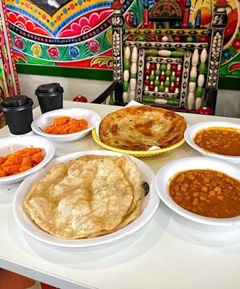
Why are so many of Zafar Mairaj’s dramas named after food, from Dumpukht and Kabuli Pulao to Biryani? In an interview, the writer explained that Biryani narrates the story of a Muhajir girl and a Sindhi boy who gradually develop a bond. Historically, there has been tension and discrimination between these two communities, yet one thing unites them: their shared love for biryani. Hence, the title.
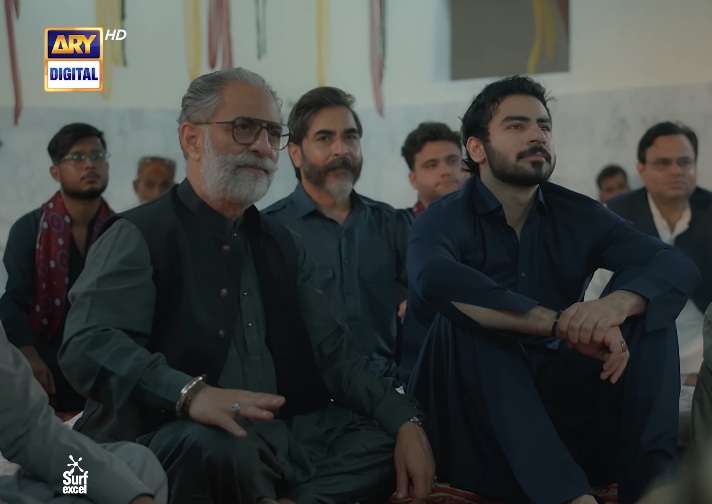
Khushal and Yousuf Bashir Qureshi
The drama begins with a darker theme. Nisa, played by Ramsha Khan, is coerced into tutoring Mir Meeran, portrayed by Khushhal Khan. She is threatened with losing her scholarship or failing her exams if she refuses. This exploitative arrangement highlights the abuse of power and manipulation faced by students from underprivileged backgrounds, even within academic institutions. The narrative questions the integrity of systems meant to educate and empower, exposing how they can reinforce class divides and silence the powerless. Nisa’s dilemma between safeguarding her future and standing up for herself gives her character emotional depth, making her not just a victim but a quiet symbol of resistance.
Despite this rocky beginning, Nisa and Mir Meeran gradually develop chemistry and eventually fall in love, challenging stereotypes. The story presents a high-profile yet innocent young man who falls for a spirited, straightforward girl. The familiar trope is given a slight twist here.
The supporting cast adds further strength, with Laila Wasti, Sarwat Gilani, Yousuf Bashir Qureshi and Javed Rizvi playing pivotal roles.

Khushal Khan, Javed Rizvi, Ramsha Khan and Laila Wasti
One of the recurring elements in Pakistani dramas is the portrayal of Sindhi Wadera culture. This time, however, it takes a different turn. The drama depicts an educated Sindhi family. Mir Meeran, from a privileged landlord background, was homeschooled before joining a business school due to his interest in economics. Though pampered and influenced by his Baba Sain, played by Yousuf Bashir Qureshi, and Sarwat Gilani’s character, who serves as both mother and elder sister, he is shown as humble and curious rather than oppressive.

Khushal Khan, Yousuf Bashir Qureshi and Sarwat Gilani
Nisa lives with her mother and Maamu Jan. While her uncle is traditional in his outlook, he is mischievous and affectionate, sharing a warm bond with Nisa. Their playful banter often tests the patience of Nisa’s mother.
Resentful of tutoring Mir Meeran, Nisa conspires with her uncle to create chaos in hopes of driving him away, especially when he starts visiting her home for lessons. Ramsha Khan plays a bold, outspoken character who is at times unapologetically blunt, even to the point of rudeness.
Mir Meeran, meanwhile, is portrayed as intelligent, innocent and effortlessly charming, quickly becoming the center of attention on campus. Nisa’s character falls into the classic “hard-to-get” mold, an old-fashioned trope that occasionally feels exaggerated and out of place. Why must female leads in Pakistani dramas often be either excessively bold or overly shy, with little nuance in between?
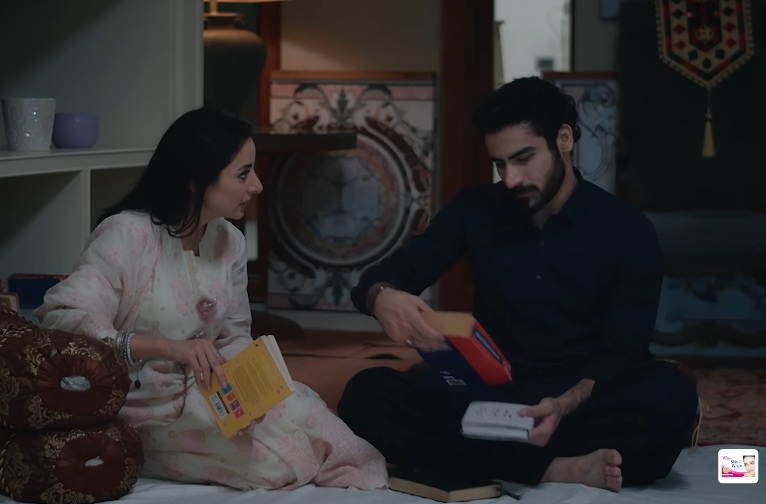
Sarwat Gilani and Khushal Khan
Eventually, when Mir Meeran withdraws from tutoring due to Nisa’s dismissive attitude, she begins to show interest in him, a predictable twist. Yet the narrative leaves room for further development.
The drama does break some stereotypes by exploring a romance between an older girl and a younger boy. It also offers a refreshing portrayal of Sindhi culture, avoiding the usual image of an oppressive landlord system. Instead, it highlights a progressive side, showing efforts to empower women through education and vocational training such as sewing and handicrafts. The theme of unity between Muhajirs and Sindhis is consistently emphasized.
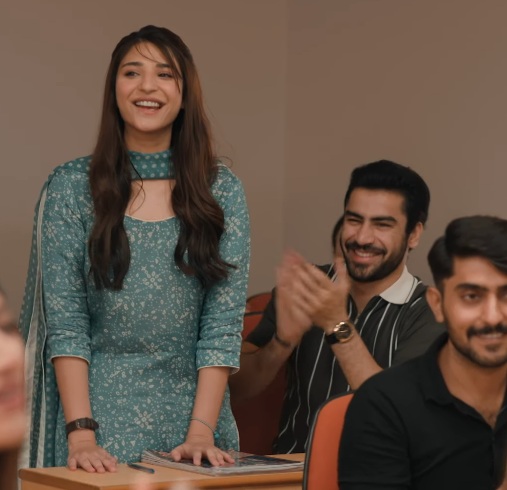
Ramsha Khan and Khushal Khan
At its heart, Biryani is more than a love story. It is a commentary on class divides, gender dynamics, educational inequality and ethnic relations, while still managing to remain commercially engaging. Although the storyline occasionally relies on familiar patterns, it has the potential to move beyond them. Whether Biryani succeeds in rising above predictable tropes remains to be seen, but it has already sparked conversations and brought underexplored cultural narratives into the mainstream.
The hope is that upcoming episodes will sustain this momentum, offering both insight and entertainment. Biryani currently airs twice a week, on Mondays and Tuesdays. Time will tell how this story unfolds.
You may also like: