Written by: Sirat Gohar Daudpoto
Posted on: April 29, 2026 |  | 中文
| 中文
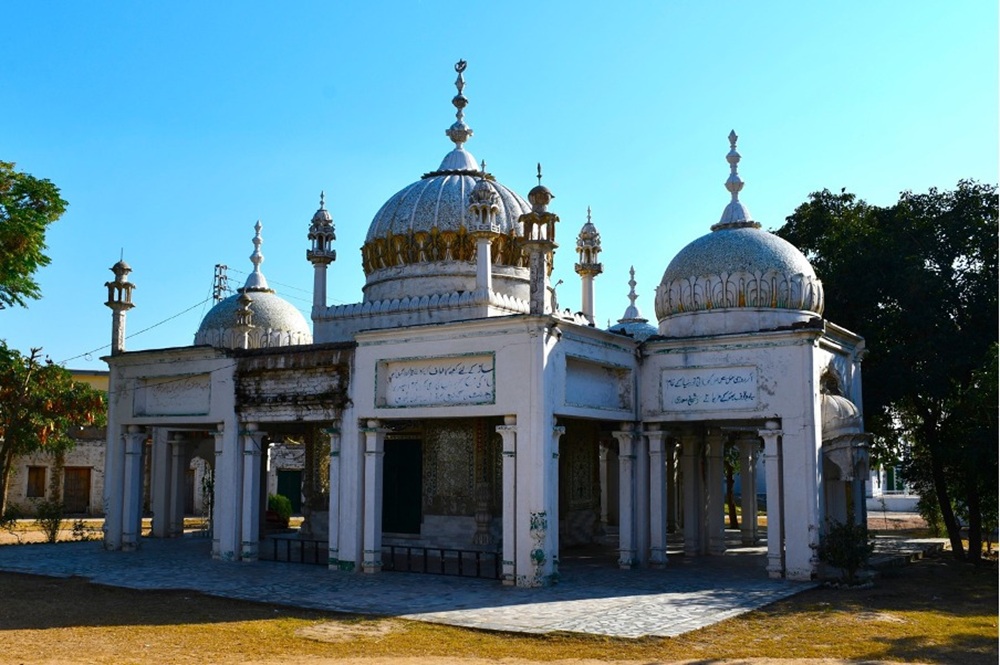
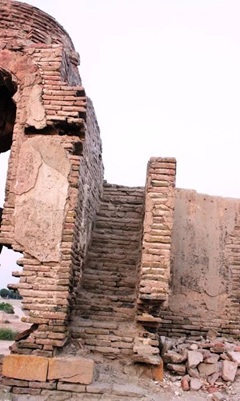
Tomb of Pir Sabir Hussain Shah Chishti Sabiri at Proj Sharif village. (Photo by Dr. Zulfiqar Ali Kalhoro)
Dr. Zulfiqar Ali Kalhoro is a notable Pakistani anthropologist and a distinguished author on the history, cultures and environment of the country. He has written seventeen books, with a few in the process of publication and many in the pipeline. He has also authored several research articles in peer-reviewed national and foreign academic publications. In addition to this, for last more than two decades, he has been consistently contributing popular writings on the cultural and natural heritage of Pakistan to several media outlets, including The Friday Times–Naya Daur, The News, Dawn and Youlinmagazine.com. A very remarkable thing about his work is that his perspectives are based on his personal interaction with the peoples and places of the country. Particularly his history of different communities and regions of Pakistan is coauthored with the aid of various sources, for example literature, remains, oral histories and so forth.
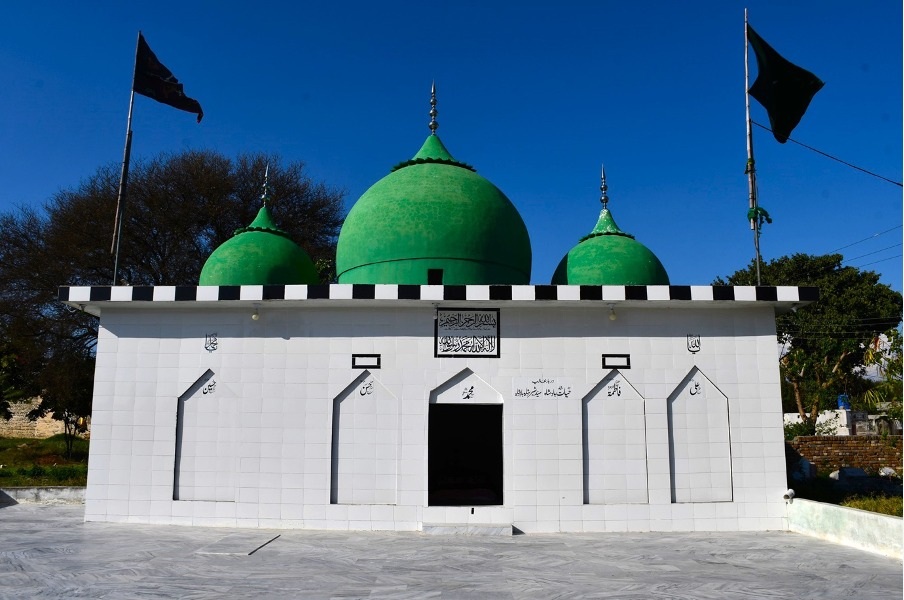
Shrine of Syed Hayat Shah Gilani in Gurrah Rajgan village. (Photo by Dr. Zulfiqar Ali Kalhoro)
He has extensively explored and studied the cultural history and heritage of Pakistan, and one of the regions which has been subject to his research activities for a long time is Pothohar, where he is undertaking researches for almost past thirty years. He has documented both the tangible and the intangible cultural heritage of Pothohar, which includes traditions, objects, monuments and symbols. He has authored several articles, reports and books on the region, including a long series of books which he is currently writing up.
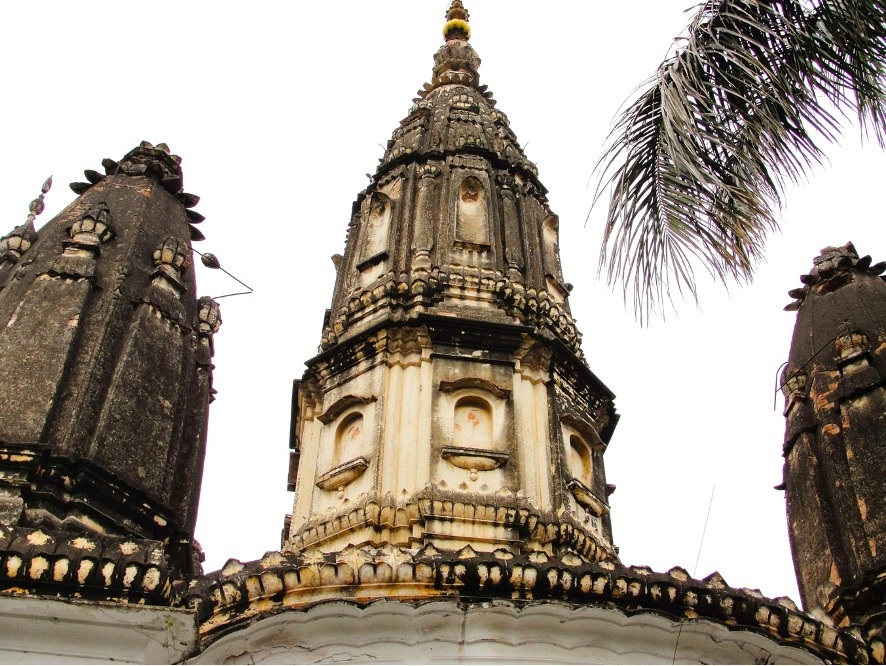
Kalyan Das Temple in Kohati Bazaar, Rawalpindi. (Photo by Dr. Zulfiqar Ali Kalhoro)
A month ago, Dr. Zulfiqar’s new book on Pothohar came out. It is titled “Pothohar: Historic and Sacred Spaces”, which is his fifth book on the region and the fourth of his History, Culture, and Heritage of Pothohar Series. This series which was initially planned to be consisting of ten volumes, but the author has now announced in this volume that it will probably expand to fifteen volumes. The titles of three already published volumes of this series are: (1) Memories, Mystics and Monuments of Pothohar, (3) Mystics, Mosques and Masons of Pothohar and (3) Mystics, Mosques and Masons of Pothohar. Whereas, Dr. Zulfiqar first book on the region was “Reflections on the Pothohar Heritage”.
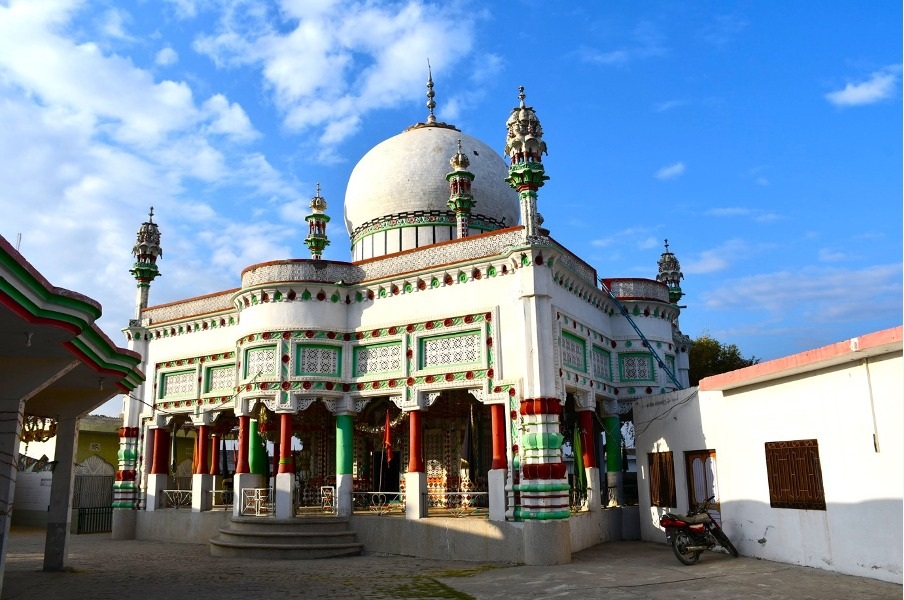
Shrine of Sain Mirchu Qalandar in Islampura town. (Photo by Dr. Zulfiqar Ali Kalhoro)
This book is a collection of eighteen articles dedicated to particular religious figures and heritage places in the area. They were previously published by the author in The Friday Times–Naya Daur, The News and Youlinmagazine.com. First of these works is about the nineteenth-twentieth-century havelis located in the Gujar Khan area. These magnificent buildings were built by the prominent figures of the area, and they have been called after their owners, such as Bakhshi Ram Singh haveli in Kauntrila village and Budh Singh haveli in Narali village. The second article documents Rawalpindi’s Kalyan Das Temple and the third article is written on the temples of Ram Rakhi located in Taxila. The fourth work documents tombs in the Narali village. The historical mosque and the Sufis of the Chaki Shah Jee village in Chakwal are discussed in the next two articles. The seventh article is about the Qadiri Naushahi Sufi heritage of the Jand Najjar village in Gujar Khan. The eight and ninth works, respectively discusses of legacies of the Chisti Sabiri order of Bagga Sheikhan village and the Qadiri of Dhoke Qazian of the Takht Parri village in Rawalpindi. The following nine articles are about the Chishti, Qadiri Naushahi and Naqshbandi saints and several shrines situated in different villages located in the areas of Gujar Khan, Rawalpindi and Islamabad.
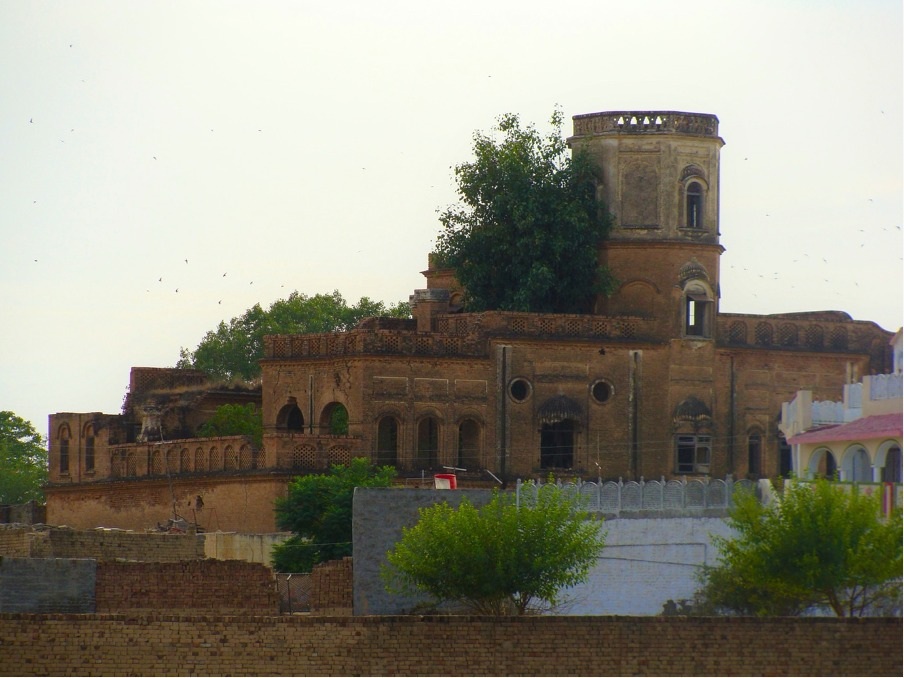
Bakhshi Ram Singh Haveli in Kauntrila village, Gujar Khan. (Photo by Dr. Zulfiqar Ali Kalhoro)
Title: Pothohar: Historic and Sacred Spaces
Author: Zulfiqar Ali Kalhoro
Publisher: Emel Publication, Islamabad
Year of publication: 2026
Price: PKR 1600 (US$ 20)
Dr. Zulfiqar’s Pothohar: Historic and Sacred Spaces, like his other published books of this series, focusses on the lesser-known peoples, spaces and cultural elements and documents the vanishing cultural heritage of the region. His research has brought to fore that Pothohar’s heritage is rapidly fading into oblivion, and immediate efforts are required to protect and preserve it from extinction.
You may also like: