Written by: Dr. Saba Noor
Posted on: October 06, 2025 |  | 中文
| 中文
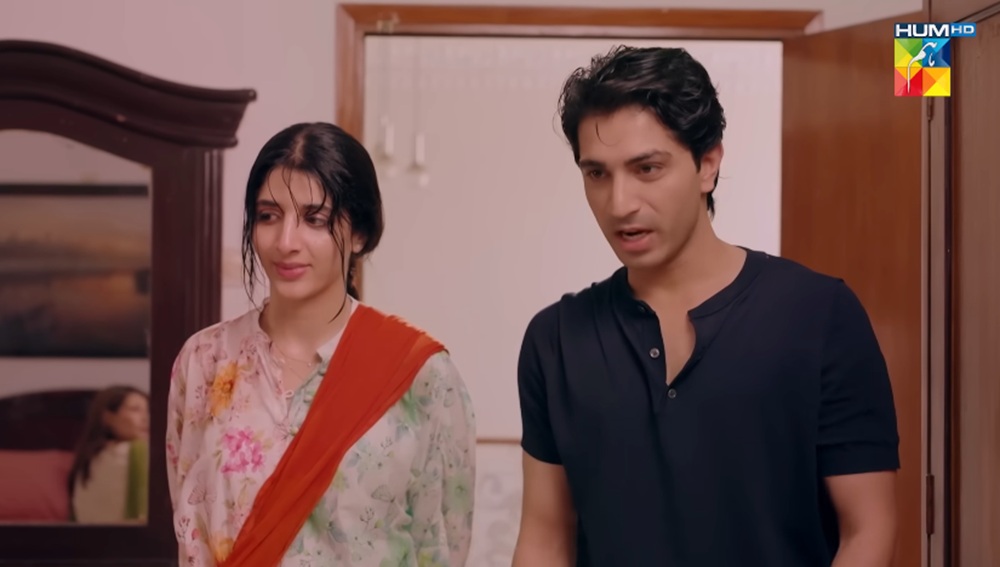
Talha Chahour and Mawra Hocane in Jama Taqseem
In a world full of manifestations and delusions, Jama Taqseem stands out as a realistic portrayal of the toxicity often found in South Asian households. While the joint family system is often celebrated as an emotionally strong and supportive structure, its darker side is either rarely explored or shown in extremes, either overly glorified or excessively vilified. Jama Taqseem strikes a fine balance, earning its place as a top-tier drama for shedding light on these uncomfortable truths.

Javed Sheikh and Beo Rana Zafar
Produced under MD Productions, written by Sarwat Nazir, and directed by Ali Hassan, the drama airs twice a week on HUM TV. It stars Mawra Hocane and Talha Chahour in the lead roles.
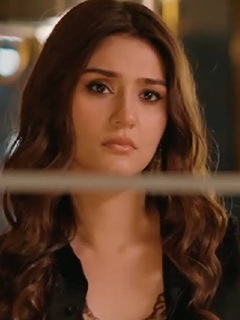
The story unfolds with Mawra Hocane portraying Laila, a progressive, educated young woman from a high-standard background who proposes to her classmate Qais, played by Talha Chahour. Qais comes from a well-off but deeply traditional joint family, where outdated customs and rigid thinking still prevail. As their married life begins, the real struggle starts, not due to a lack of love, but due to the suffocating interference and excessive restrictions imposed by Qais's family.

Talha and Mawra in one of the scenes
Jama Taqseem doesn’t necessarily bring something entirely new to the table; rather, it realistically reflects the experiences of many women in desi households. These include being forced into domestic chores, being deprived of basic rights or comforts despite the family’s financial stability, toxic competition among extended family members, and even childhood rivalries fueled by the manipulations of elders.
Despite the positive aspects of the joint family system, there are certain harsh realities that are rarely portrayed or discussed openly on television. These issues often make people uncomfortable, leading to silence and denial within many households and communities. However, the drama series Jama Taqseem courageously sheds light on these difficult truths. It addresses sensitive and disturbing topics, such as the harassment and blackmail of a female cousin by her male cousin, an issue that is often swept under the rug but has serious emotional and social consequences. By bringing such stories to the forefront, the drama challenges societal taboos and encourages viewers to confront uncomfortable realities rather than ignore them.
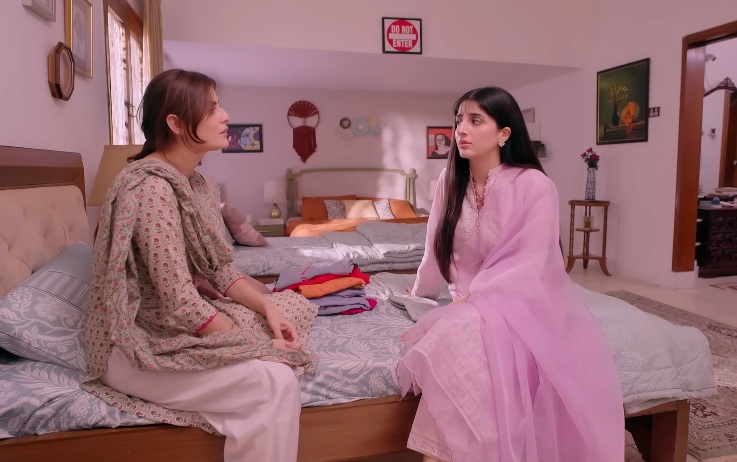
Amna Malik and Mawra Hocane
Qais, who comes from a conservative family, plays a role quite similar to Murad from the drama serial Mannat Murad, both portrayed by the talented Talha Chahour. Like Murad, Qais falls in love with a girl from a high-status, liberal background but Qais hails from a family where love marriages are frowned upon and often considered a serious transgression. Despite the societal and familial resistance, Qais manages to marry her. However, his real struggle begins after marriage, as he finds himself torn between keeping his wife happy and meeting the expectations of his traditional family. Adding to his challenges is the societal mindset that ridicules men for supporting their wives, if a husband helps with household chores or stands by his wife’s side, he is often labeled as a "Zan Mureed" (a man overly controlled by his wife).
The drama also highlights other harsh realities within the joint family system, such as the unfair treatment and constant comparison between two daughters-in-law, one who has a son and the other who does not. In many traditional households, having a male child is often considered the ultimate achievement, leading in-laws to favor the daughter-in-law who has given birth to a son. This favoritism creates tension, emotional distress, and a sense of injustice for the other daughter-in-law, who is often marginalized and treated unfairly.
Additionally, the drama sheds light on the social dynamics where a daughter-in-law from an affluent family background is held in higher regard within the household. This further intensifies divisions and creates a competitive environment rather than one of mutual respect and support. By exposing these uncomfortable truths, the drama encourages viewers to reflect on the damaging effects of such biases and the need for greater empathy and equality in family relationships.
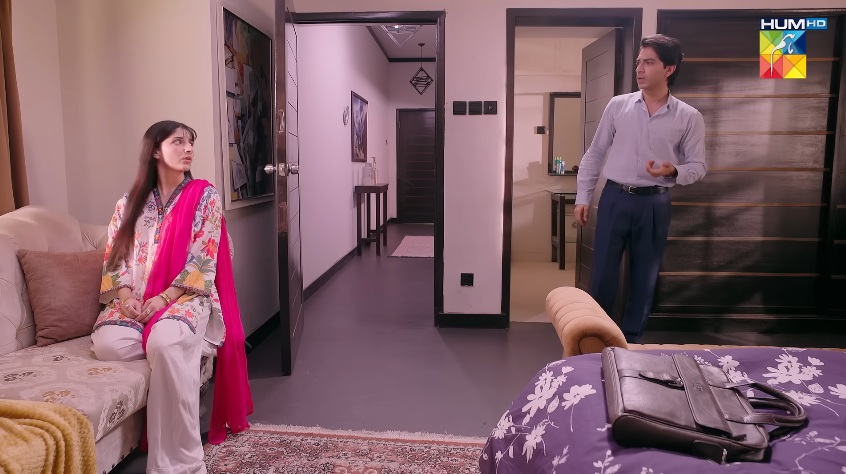
Talha Chahour and Mawra Hocane
Mawra Hocane once again delivers an outstanding performance in Jama Taqseem, portraying her character with depth, grace and emotional authenticity. Known for consistently choosing meaningful and socially relevant roles, Mawra continues to impress audiences with her thoughtful project choices and powerful acting.
She has built a reputation for taking on roles that go beyond surface-level drama and instead highlight important societal issues. Like in Jafa, she courageously stood against domestic violence, bringing attention to the silent suffering many women endure. In Neem, she played a character whose life was devoted to improving access to education for the youth in her village. Now, in Jama Taqseem, she takes on yet another challenging role that exposes the complexities and hidden struggles within joint family systems. From tackling emotional manipulation to shedding light on favoritism and gender bias. Her presence in such projects not only elevates the narrative but also reinforces her commitment to using her platform for meaningful storytelling.
The central figure in Qais’s family is his father, portrayed by the legendary Javed Sheikh. He is shown as the head of a traditional joint family, consisting of his wife, three sons, one daughter, and their respective families. On the other hand, Laila comes from a highly status-conscious and elite background. Her father, played by renowned Pakistani fashion designer Deepak Perwani, is depicted as a high-ranking army officer, while her mother, portrayed by Tazeen Hussain, is shown as a professor, reflecting a household driven by discipline, education and high expectations. Interestingly, Deepak Perwani and Tazeen Hussain were previously seen in Qarz-e-Jaan, where their characters stood in stark opposition to one another. Their pairing in Jama Taqseem adds an intriguing layer, as they now portray a united yet complex parental duo, adding further depth to the narrative.

Talha Chahour and Deepak Perwani
With six episodes down, it will be interesting to see how the story continues to unfold. It seems likely that Laila will take up a job, but since she is unfamiliar with household chores, she may face significant challenges adjusting to her new life. These struggles could create tension within the joint family, possibly leading Qais and Laila to consider living separately. If that happens, it could add a major twist to the storyline, shifting the dynamics of both their relationship and the larger family setup
You may also like:

From the Horn of Africa to Bahria Town: Habesha Café Brings Centuries of Coffee Culture to Rawalpindi
(October 15, 2026)