Written by: Shiraz Aslam
Posted on: September 15, 2025 |  | 中文
| 中文
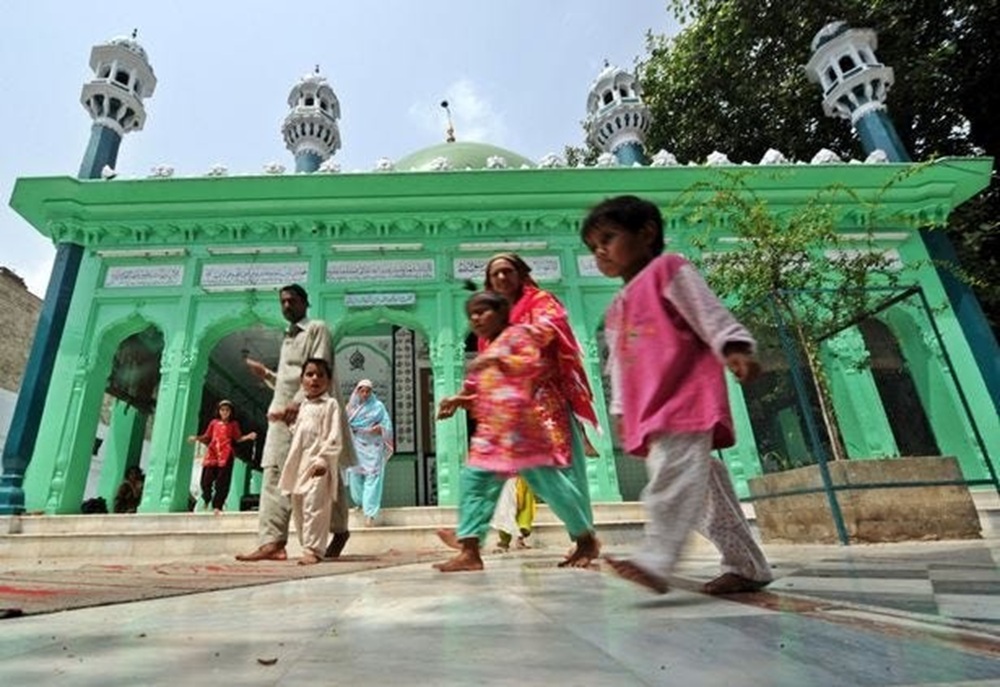
Many rat children are found outside Shah Dola’s shrine.
The Rat Children of Shah Dola, also known as Shah Dola kay chuhay, remain one of the most misunderstood and discriminated groups in Pakistan. You may have spotted them as beggars outside Shah Dola’s shrine in Gujrat, where they often take refuge and solace from a harsh world. They are recognizable by their conspicuously small heads, protruding noses, disfigured foreheads, and round jaws. Frequently, they are also seen in long green robes with strings of prayer beads (tasbih) hanging around their neck. Their heads are usually shaved to highlight their microcephaly (abnormally small cranium).

Microcephaly can explain the features of rat children.
Microcephaly is frequently associated with intellectual disabilities and other conditions, which severely hamper the individual’s capacity to lead a normal life. Sufferers in Pakistan, are thus, vulnerable to abuse, and are often relegated to the meager status of beggars. Furthermore, several taboos, myths, and narratives surround Shah Dola’s rat children, inadvertently fueling discrimination.
The most plausible scientific explanation for Shah Dola’s rat children is the birth defect of microcephaly, which is a rare neurological disorder in which infants are born with abnormally small heads. Exposure to drugs, alcohol and certain viruses, e.g. Zika virus, in pregnancy can increase the chances of the delivery of microcephalic infants. Nonetheless, it is a very rare disorder. The sheer number of “rats” outside Shah Dola’s shrine in Gujrat cannot be solely explained by natural causes. However, inbreeding and cousin marriages are very common in Pakistan, thus genetic conditions like microcephaly could have a higher prevalence. Unfortunately, limited data restricts such arguments to conjecture.

Children can be born with microcephaly.
There is also growing belief that artificial, human-driven causes could be behind the soaring population of rats in Gujrat. One pervasive perspective suggests that abandoned children are subjected to extreme physical torture in infancy. Their heads are deformed and tightly wrapped with heavy, iron caps or helmets designed to limit the growth of their cranium, leading to a microcephaly like condition with similar manifestations. This practice is being done to fuel a profitable begging business backed by a powerful mafia.
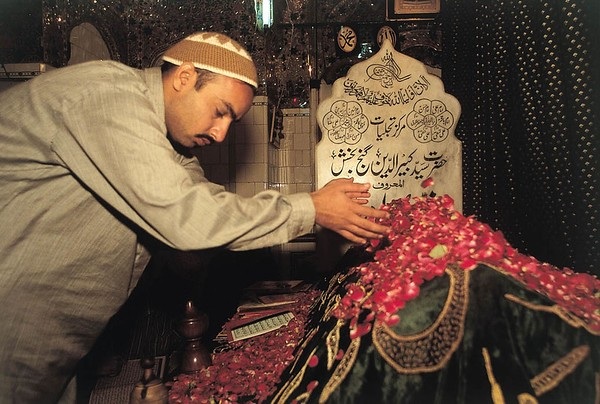
Rat children are considered sacred by many villagers in Gujrat.
The rat children are considered sacred, and the tortures inflicted upon them are done to attract more sympathy. They are taken to nearby villages to beg for money. Since they are considered sacred and close to the pious Shah Dola, ignoring their pleas could lead to bad luck. Hence, out of fear and suspicion, many superstitious villagers are willing to pay good money, perpetuating an entire business based on exploitation of innocent children. Parents may also sell their rat children to a handler for a good price.
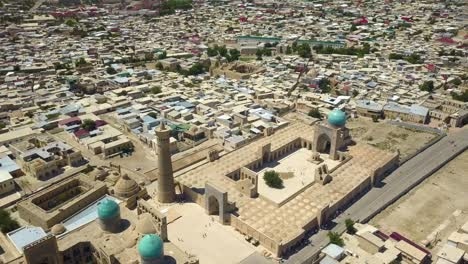
Shah Dola’s shrine is a holy site.
For a better look at the life of the average rat child in Pakistan, look no further than Nadia, who was left at Shah Dola’s shrine as a baby to be looked after by the descendants of the Sufi saint. Nadia was mentally disturbed, occasionally aggressive, and unable to speak. Her condition condemned her to destitution. Her caretakers at the shrine take pride in keeping her as they believe that Nadia could have been forced to live on the streets. Nonetheless, they refused to take her to a doctor because they believe she cannot be cured and fighting with fate or nature could be a bad idea.
Illiteracy may still plague much of Pakistan, but even among the educated and privileged, silence prevails when it comes to the plight of Shah Dola’s rat children. Their existence is a living reminder of a society that claims to condemn child labor, exploitation and discrimination, yet turns a blind eye to the most vulnerable.

Rat children are mistreated in Pakistan.
These children, robbed of their right to education, healthcare, and dignity, are left to beg outside shrines while the nation looks away. The truth is stark: until mainstream media, policymakers, and institutions are forced to confront this uncomfortable reality, their cries will remain ignored. Raising awareness is not optional: it is the first step toward justice. If Pakistan wishes to call itself a society of conscience, it must give these children more than pity. It must give them a future.
You may also like: