Written by: Saram Maqbool
Posted on: August 06, 2025 |  | 中文
| 中文
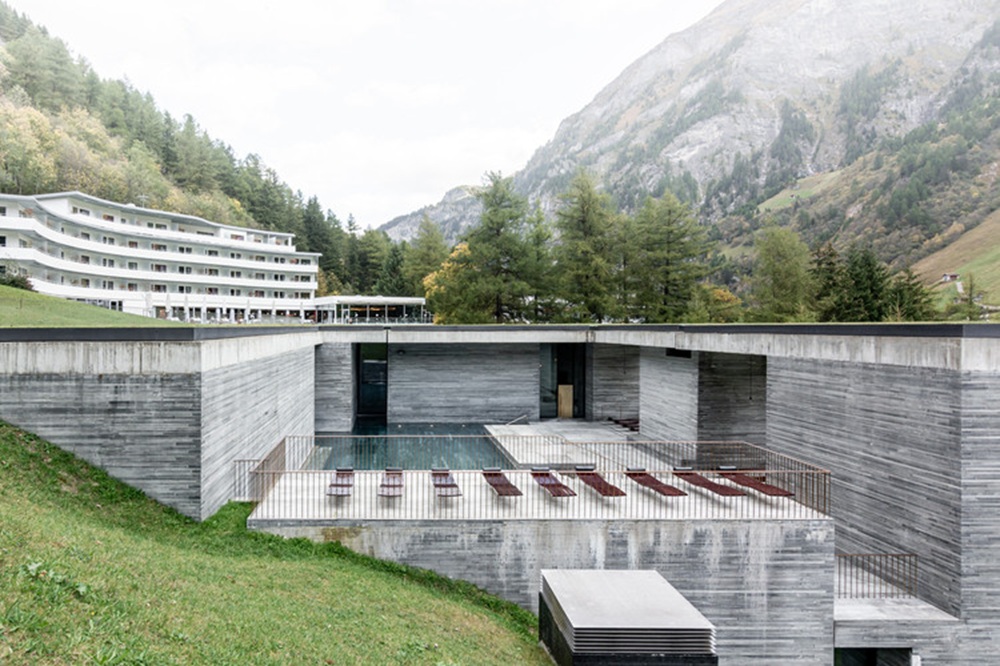
The Therme Vals by Peter Zumthor
In a world that feels increasingly cluttered by sound, information and the sheer pace of daily life, silence has become one of the rarest and most valued luxuries. Not just the absence of noise, but an intentional stillness that lets you listen to yourself. That’s why the idea of going on retreats and spending a few days up in the mountains is becoming more and more attractive. People who used to want to visit cities now prefer being in the quieter outdoors, often among nature, to break away from the sensory overload that is everyday life. This hunger for quiet has begun to shape how we think about architecture, too. More than ever before, designers and architects are being called to create spaces that do more than impress. The architecture of silence is about sculpting solitude into built form, where every material, every corner, and every filtered beam of light becomes part of an experience that offers refuge from the modern attack on our senses.
One of the examples of such architecture that I keep thinking back to is Tadao Ando’s Church of the Light in Ibaraki, Japan. It is a structure that doesn’t shout its presence. Built in concrete, with a stark minimalist form and a cross of light cut into the altar wall, the building draws you in not by grandeur but by grace. You walk in and the noise of the outside world seems to fall away. The concrete muffles sound, the geometry creates focus, and the narrow incision of light becomes the only point of reference. The deliberate thought behind removing certain elements from the space instead of adding more is what makes the space feel sacred, even to those who don’t believe in a greater power. The silence here is not accidental but is rather designed.
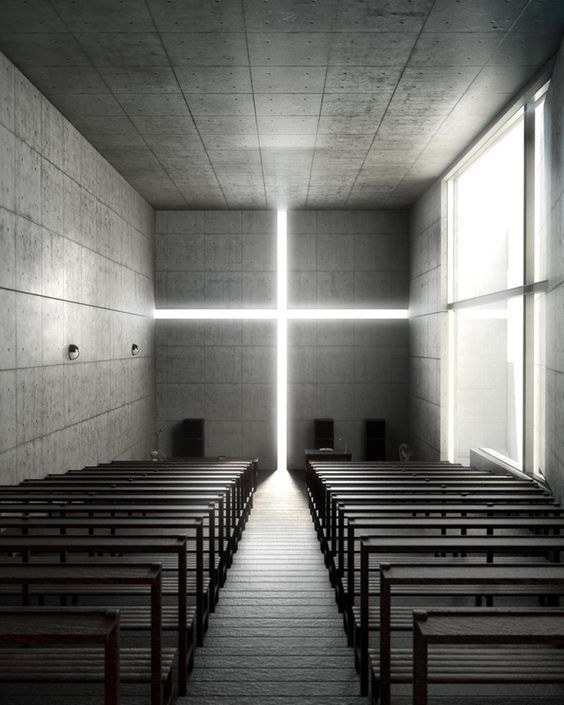
The Church of Light by Tadao Ando
In Finland, the Kamppi Chapel of Silence in the heart of busy Helsinki stands as another remarkable response to the noise of urban life. Made entirely of wood, its rounded exterior feels almost like a cupped hand offering shelter. Stepping inside is like stepping into a hush, while the thick timber walls absorb the chaos of the outside, and the only sounds that remain are those you bring with you. The architects at K2S didn’t just create a chapel but instead crafted a threshold between worlds. Outside, the ambient noise of trams and market crowds, but inside, a dimly lit bowl of peace that asks nothing of you except to sit and be. Silence in architecture often comes hand in hand with restraint. John Pawson, known for his minimalist approach, has made a career out of designing what’s not there. His design for the Nový Dvůr Monastery in the Czech Republic is almost aggressively silent. There is no ornamentation, no visual noise. The palette is pared back to stone, white walls and wood. Even the furniture feels like it’s been humbled. The architecture is not trying to be remembered but to be forgotten, to let the user become more present with themselves.
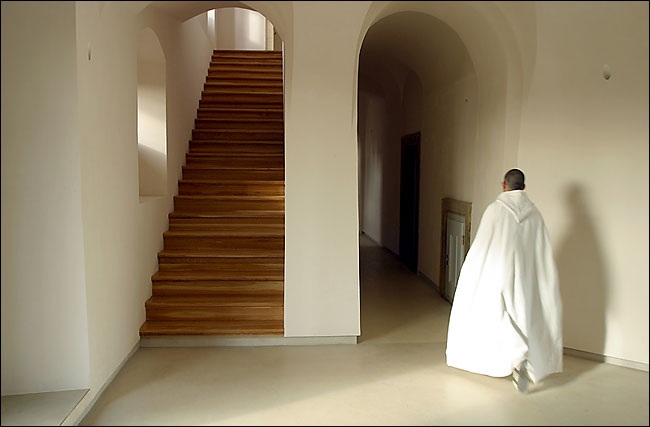
Novy Dvur Monastery in the Czech Republic
But designing for solitude doesn’t always require religious or spiritual context. Consider the case of Peter Zumthor’s Therme Vals in Switzerland, a spa built directly into the side of a mountain. With its labyrinthine paths, rough quartzite stone, and pools that disappear into mist, the building seems to ask you to lose your sense of direction, and to dissolve into its spaces. Zumthor speaks often of atmosphere, of how a building makes you feel, and in Vals, he creates silence through sensual immersion. The sound of your body moving through water replaces conversation. The architecture demands you lower your voice, as if entering nature itself.
The problem of creating spaces for solitude becomes more challenging for architects working in the cities, with the imposition of urban noise becoming impossible to ignore. A good example of what to do here can be found in Álvaro Siza’s Faculty of Architecture building in Porto. It sits near a noisy road, but once inside, his careful manipulation of courtyards, glazing, and solid white forms produces a strangely hushed world. One where movement feels slowed, and thoughts feel a little louder in your head. Even in densely populated cities like New York, the desire for silent spaces has become a quiet movement of its own. The Stavros Niarchos Foundation Library reading rooms, redesigned by Mecanoo and Beyer Blinder Belle, provide that rare spatial serenity for city dwellers. With high ceilings, soft indirect lighting, and an intentional separation of quiet zones from collaborative areas, the building reinstitutes the library not as a place of information, but as a sanctuary for stillness.
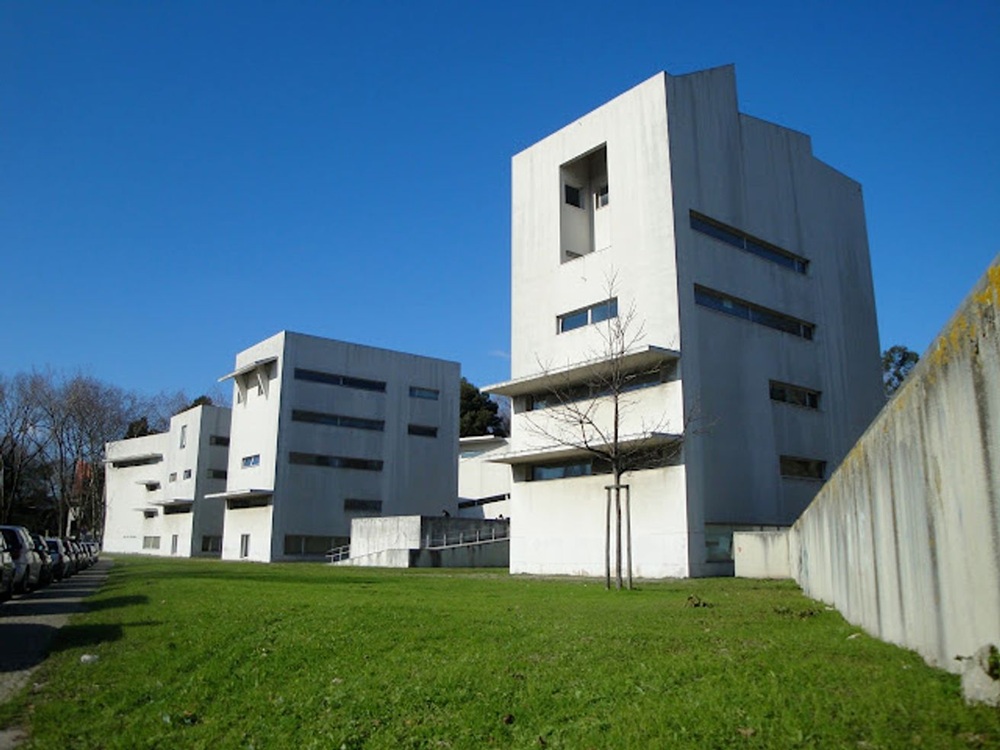
The Faculty of Architecture by Alvaro Siza
But solitude doesn't always mean being alone. Sometimes it's about being together, quietly. Lina Bo Bardi’s SESC Pompéia in São Paulo offers a raw, brutalist response to the idea of collective silence. It is a cultural center filled with activity, but the way light enters, the way concrete holds sound, and the way circulation has been choreographed all create spaces where noise becomes background and personal moments rise to the surface. Even in the company of others, the architecture allows for a kind of internal dialogue.
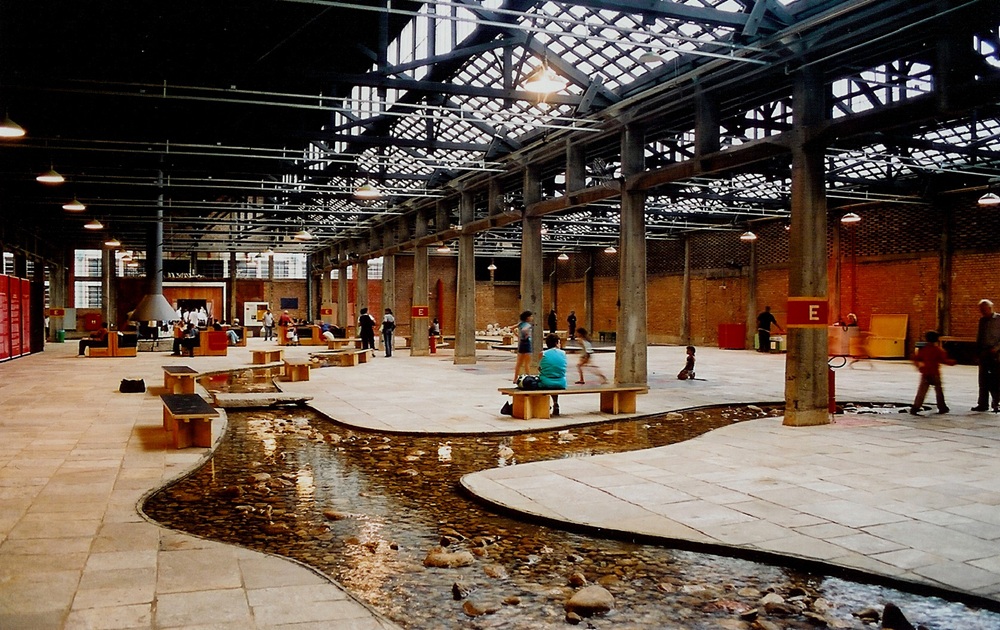
Lina Bo Bardi’s SESC Pompéia
In an age of overstimulation, buildings that embody quietude are not just aesthetically pleasing but rather necessary. They are the counterpoint to everything else, the commas in the long sentence of urban experience. In many ways, they remind us of something that modern life seems to forget - that introspection requires space. Not just physical, but emotional and auditory space. And architecture, at its most profound, creates that space
You may also like: