Zhejiang Cuisine

    Written by: Robynne Tindall - Posted on: September 17, 2014 | Post your comment here Comments | 中国 (Chinese)

    Google Translation: اُردو | 中文
    Zhejiang Cuisine

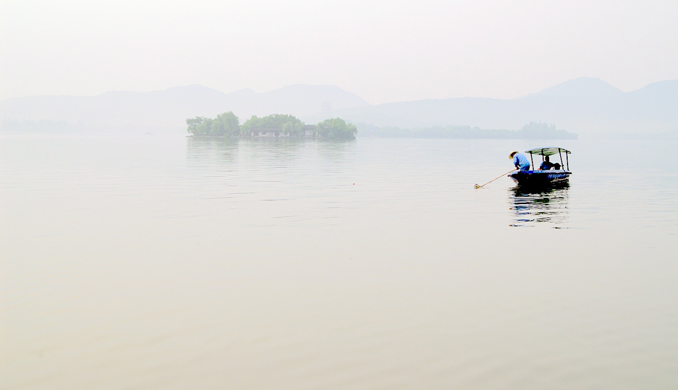
    Fish from Hangzhou's tranquil West Lake plays a major part in Zhejiang cuisine (Flickr user Xianyi Shen)

    Long referred to as the “land of fish and rice”, Zhejiang province’s location on the fertile lower reaches of the Yangtze River, where it rushes into the East China Sea, has blessed it with a vast array of natural ingredients. As its moniker suggests, Zhejiang’s main agricultural crop is rice, while it is also one of the major centers of aquaculture in China. Zhejiang is also China’s leading tea-producing province, which we will revisit later on. All of these factors have combined to create Zhejiang’s unique regional cuisine.
    Zhejiang Cuisine

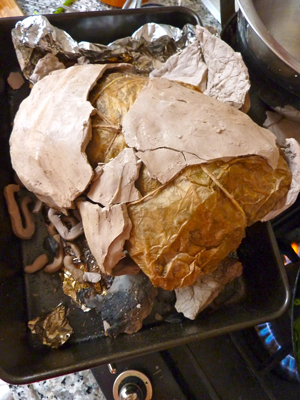
    Beggar's chicken adds a touch of theater to any meal (Flickr user kattebelletje)

    The flavors of Zhejiang cuisine are mellow by Chinese standards, emphasizing lightness and fragrance. This means that the food is noticeably less greasy than other cuisines, particularly that of nearby Shanghai. While it is easy to make these generalizations, Zhejiang cuisine can actually be broken down into three styles, each originating from a city in the province: Hangzhou, which includes dishes made with tea and bamboo shoots; Shaoxing, which specializes in poultry and freshwater fish, cooked with the city’s famous rice wine; and Ningbo, whose coastal location makes it a haven for seafood lovers.

    Famous dishes from across Zhejiang include:

    • Dongpo pork, a braised pork belly named after Song dynasty poet Su Dongpo who supposedly invented it;
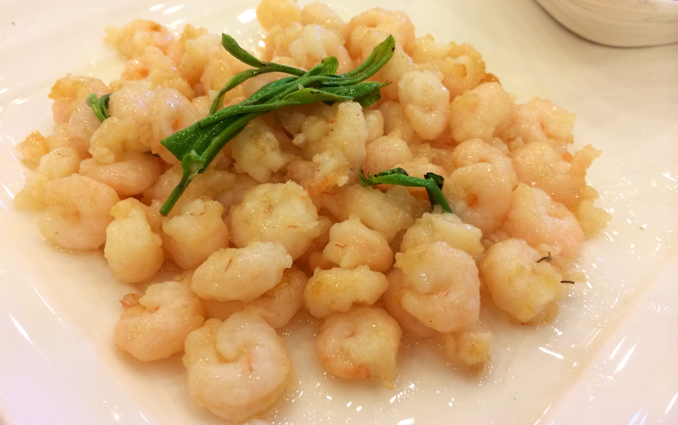
    • Longjing shrimp, a delicate shrimp stir fry infused with the flavor of the province’s famous Longjing tea;
    • West Lake fish in vinegar sauce, made with fish from Hangzhou’s West Lake and fragrant black vinegar;
    • Beggar’s chicken, in which a whole chicken is stuffed and wrapped in lotus leaves, before being coated with either clay or water-based pastry and baked until tender.

    As touched on earlier, Zhejiang is one of China’s major tea-producing provinces. Of all its teas, the most famous is Longjing tea (literally translated as ‘Dragon Well tea’), a pan-roasted green tea from Hangzhou. Although the tea may be produced in other areas, only tea grown in the Xihu (West Lake) district of the city of Hangzhou is considered authentic. The delicate, grassy flavor is so prized that it has also found its way into the food of the region, added to the wok at the end of cooking in dishes made with freshwater fish and shrimp.
    Zhejiang Cuisine

    Dishes like this shrimp stir fry make the most of the subtle flavor of Longjing tea (Flickr user Carlos Rivera)

    The most famous restaurant serving Zhejiang food also takes its name from the tea. Dragon Well Manor in Hangzhou serves a menu of locally sourced ingredients that are cooked fresh with no additives, inspired by the ideals of the Slow Food movement. The restaurant received a surge in attention after acclaimed food writer Fuchsia Dunlop wrote about it for The New Yorker in 2008. It is well worth a visit for anyone who happens to find themselves in Hangzhou, although, be warned, you may not find the prices so appealing!

     

    Robynne Tindall

    Robynne lives in Beijing, having moved there from the UK in 2011. During the day she is the food and dining editor for a local expat magazine and at night she can be found all over town searching out the most interesting restaurants.

    twitter.com/gongbaobeijing
    instagram.com/gongbaobeijing



    As the new year begins, let us also start anew. I’m delighted to extend, on behalf of the Embassy of the People’s Republic of China in the Islamic Republic of Pakistan and in my own name, new year’s greeting and sincere wishes to YOULIN magazine’s staff and readers.

    Only in hard times can courage and perseverance be manifested. Only with courage can we live to the fullest. 2020 was an extraordinary year. Confronted by the COVID-19 pandemic, China and Pakistan supported each other and took on the challenge in solidarity. The ironclad China-Pakistan friendship grew stronger as time went by. The China Pakistan Economic Corridor projects advanced steadily in difficult times, become a standard-bearer project of the Belt and Road Initiative in balancing pandemic prevention and project achievement. The handling capacity of the Gwadar Port has continued to rise and Afghanistan transit trade through the port has officially been launched. The Karakoram Highway Phase II upgrade project is fully open to traffic. The Lahore Orange Line project has been put into operation. The construction of Matiari-Lahore HVDC project was fully completed. A batch of green and clean energy projects, such as the Kohala and Azad Pattan hydropower plants have been substantially promoted. Development agreement for the Rashakai SEZ has been signed. The China-Pakistan Community of Shared Future has become closer and closer.

    Reviewing the past and looking to the future, we are confident to write a brilliant new chapter. The year 2021 is the 100th birthday of the Communist Party of China (CPC) and the 70th anniversary of the establishment of diplomatic relations between China and Pakistan. The 100-year journey of CPC surges forward with great momentum and China-Pakistan relationship has flourished in the past 70 years. Standing at a new historic point, China is willing to work together with Pakistan to further implement the consensus reached by the leaders of the two countries, connect the CPEC cooperation with the vision of the “Naya Pakistan”, promote the long-term development of the China-Pakistan All-weather Strategic Cooperative Partnership with love, dedication and commitment. Mohammad Ali Jinnah, the founding father of Pakistan said, “We are going through fire. The sunshine has yet to come.” Yes, Pakistan’s best days are ahead, China will stand with Pakistan firmly all the way.

    YOULIN magazine is dedicated to promoting cultural exchanges between China and Pakistan and is a window for Pakistani friends to learn about China, especially the Xinjiang Uygur Autonomous Region. It is hoped that with the joint efforts of China and Pakistan, YOULIN can listen more to the voices of readers in China and Pakistan, better play its role as a bridge to promote more effectively people-to-people bond.

    Last but not least, I would like to wish all the staff and readers of YOULIN a warm and prosper year in 2021.

    Nong Rong Ambassador Extraordinary and Plenipotentiary of
    The People’s Republic of China to the Islamic Republic of Pakistan
    January 2021