Written by: Muhammad Suhayb
Posted on: March 11, 2026 |  | 中文
| 中文
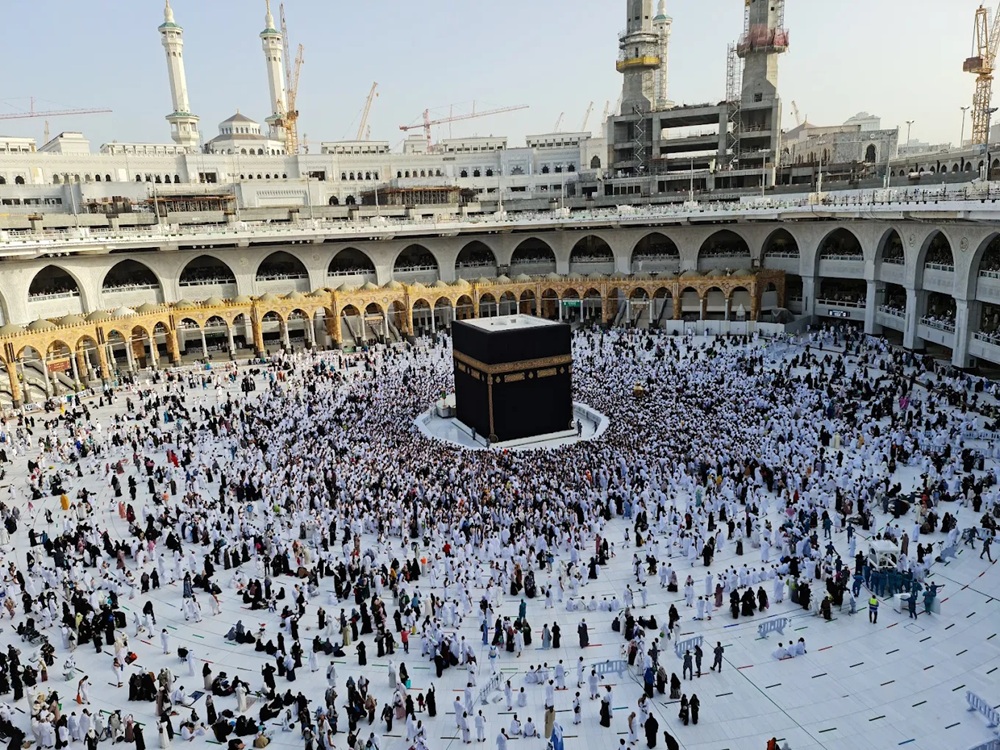
The Holy Prophet Muhammad ﷺ has inspired countless books over the centuries. While many works may appear similar, some offer a fresh lens through which readers can connect with his life and legacy. Veteran journalist Jabbar Mirza’s latest contribution, نبیِ آخر الزماں : محمٌد, published by Qalam Foundation International, stands out for its devotional approach and contemporary relevance. Written in Urdu and spanning around 160 pages, the book belongs to the genre of Islamic biography or Seerah, yet it is far from a conventional chronological life story.
The writer presents the entire life of the Holy Prophet ﷺ with precise dates drawn from both the Islamic and the Christian calendars, offering readers a clear chronological framework. By including dates from the Christian calendar, the narrative allows readers to situate events within the broader timeline of world history, making it easier to compare this era with developments in other nations and civilizations. This dual-dating approach adds depth and
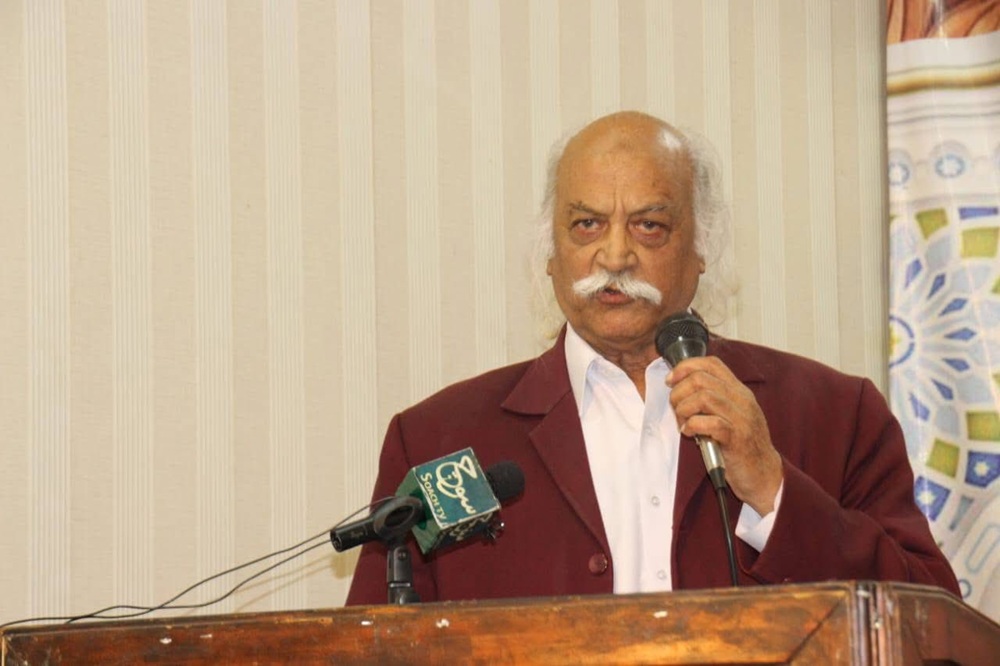
Jabbar Mirza
The book blends reflection, moral guidance, and devotional expression, inviting readers to experience the Holy Prophet’s ﷺ life in a more intimate and spiritual way. It offers meaningful insights without requiring prior scholarly knowledge. Its style encourages readers to reflect on the ethical, moral, and spiritual dimensions of the Holy Prophet’s ﷺ life.
The twenty-odd chapters trace the lineage of the Holy Prophet ﷺ back to Prophet Noah, highlighting the ancestral connections that link his family to him. They also explore the tribes of pre-Islamic Arabia, recount Abraha’s attack on the Kaaba, and vividly portray the Holy Prophet’s ﷺ early years in Makkah.
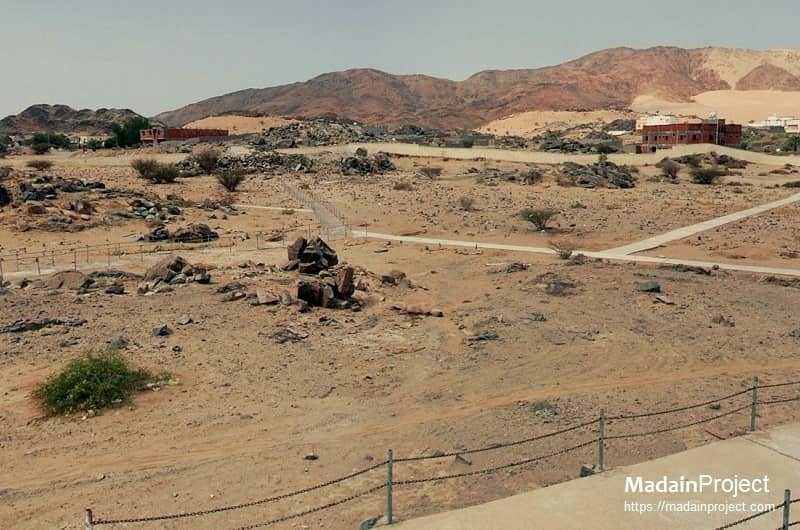
Battle Badr
The book’s structure sets it apart from conventional biographies. Instead of following a strict chronological order, Mirza organizes the text around themes and lessons relevant to contemporary life. The opening chapter creatively draws a parallel between the Charter of Medina and the Covenant of Pakistan, highlighting how the Holy Prophet’s ﷺ teachings can inspire modern governance and social harmony. Throughout the chapters, readers encounter discussions on the virtues and character of the Holy Prophet ﷺ, his leadership style and approach to justice, the social and moral systems established under his guidance, and lessons that remain relevant for personal and communal life today. This thematic approach allows readers to see the Holy Prophet ﷺ not only as a historical figure, but as a source of timeless wisdom and guidance.
The brief marriage of the Holy Prophet’s ﷺ parents is also discussed in detail. Aspects of their relationship and circumstances, often overlooked or only briefly mentioned in many accounts, are thoughtfully presented here, providing insights not commonly found in standard narratives.
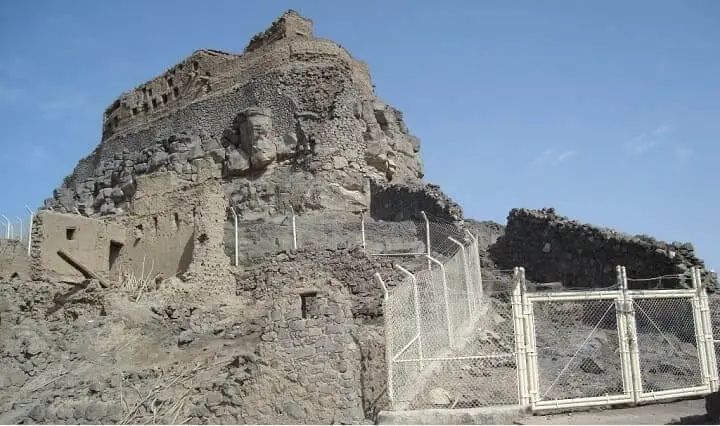
Khyber
The account of the second burial of Hazrat Abdullah’s body, and the reported preservation and remarkable condition of his shroud fourteen hundred years later, is both striking and profoundly moving, leaving a lasting impression on the reader.
Equally touching is the narration that Bibi Amina is believed to have recited what is regarded as the very first Naat in praise of her young son, Muhammad ﷺ, before the declaration of Prophethood. The inclusion of the text of this earliest Naat offers readers a rare and intimate glimpse into a moment of maternal devotion filled with tenderness and spiritual depth.
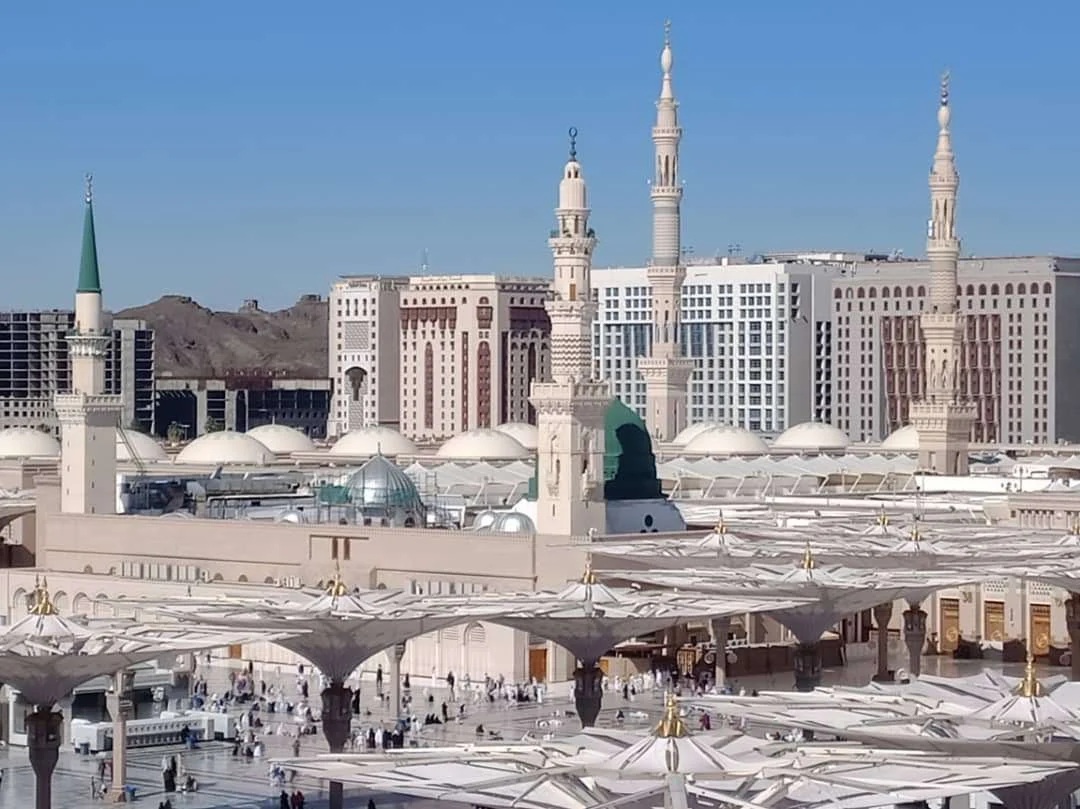
Medina
The event of Mi‘raj is explained in detail, offering readers a comprehensive account of this extraordinary journey. The book also carefully documents the thirty Ghazwas in which the Holy Prophet ﷺ participated, presenting them with historical context and clarity. It further enriches its historical scope by listing the names and locations of the twenty-five mosques constructed during the early days of Islam, providing valuable historical reference.
In addition, the lives of the Umahat-ul-Momineen, the revered wives of the Holy Prophet ﷺ, are narrated with respect and insight. By exploring the ethical and administrative frameworks of Medina, the book draws connections between historical guidance and modern challenges, encouraging readers to reflect on the practical application of the Prophet’s ﷺ teachings. The approachable style ensures that even readers without prior knowledge of Islamic history or theology can engage meaningfully with the content.
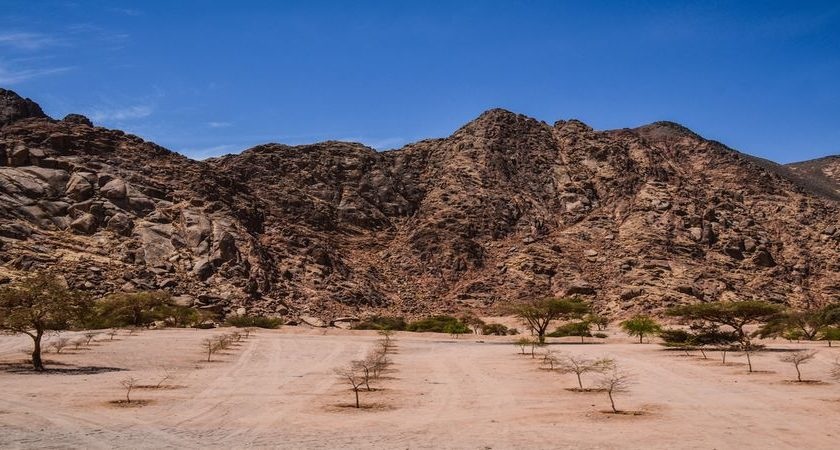
Mount Uhud
Readers seeking a strictly academic account with comprehensive citations and detailed historiographical debate may find the thematic focus less conventional. The narrative moves gracefully from the Seal of Prophethood to the completion of the final divine message, tracing both the spiritual symbolism and the historic fulfillment of the Holy Prophet’s ﷺ mission.
Overall, the book by Jabbar Mirza, is a heartfelt tribute to the Holy Prophet ﷺ, rich in devotional warmth, thematic reflection, and moral guidance. Its strength lies in creating a spiritual connection with readers, encouraging thoughtful engagement with the timeless lessons of the Holy Prophet’s ﷺ life.
You may also like:
From the Horn of Africa to Bahria Town: Habesha Café Brings Centuries of Coffee Culture to Rawalpindi
(October 15, 2026)