Written by: Raana Kanwal
Posted on: June 19, 2026 | 
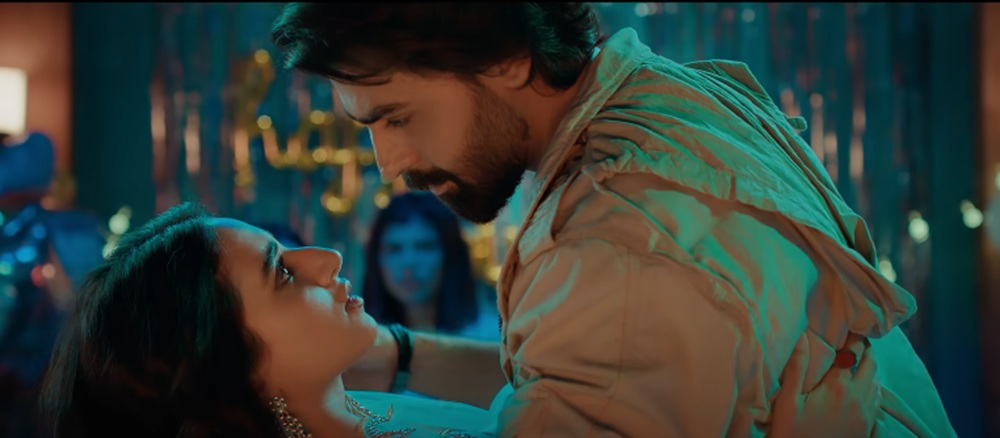
Every Eid season brings with it the excitement of new Pakistani film releases, offering audiences a chance to celebrate the holidays with stories made closer to home. This year was no different. Among the festive releases, Luv Di Saun stood out because of its star cast, intriguing promotions, and the anticipation surrounding Farhan Saeed’s return to the big screen alongside debutante Mamya Shajaffar.
Like many moviegoers, I walked into the cinema with a certain level of expectation. Eid films are often designed to entertain large family audiences, blending romance, comedy, drama, and music into one package. Luv Di Saun certainly attempts to do that. While the film succeeds in several areas, it also highlights some of the recurring challenges that continue to hold Pakistani commercial cinema back. The result is a film that is enjoyable, visually attractive, and emotionally engaging at times, but one that does not fully capitalize on its potential.
If there is one aspect of Luv Di Saun that consistently works, it is the performance of Farhan Saeed. Over the years, Farhan has gradually evolved from being known primarily as a singer to becoming one of Pakistan’s most dependable leading men. In this film, he brings charisma, confidence, and emotional depth to the role of Zeeshan.
What makes his performance effective is its naturalness. He never appears to be trying too hard. Whether he is navigating emotional conflicts, romantic moments, or dramatic confrontations, Farhan remains convincing throughout. His styling, screen presence, and command over the character make him the film’s strongest asset.
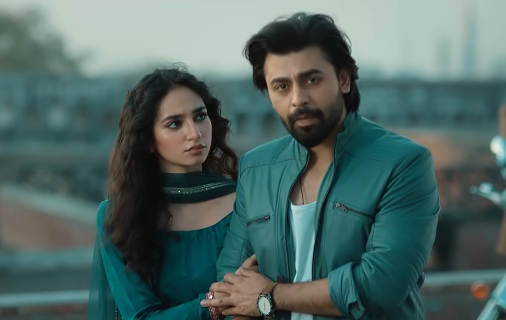
Mamya and Farhan
Even during moments when the screenplay struggles or certain scenes feel stretched, Farhan’s presence keeps the audience invested. There is a sincerity in his performance that allows viewers to connect with his character’s journey.
Mamya Shajaffar, making her feature film debut, deserves recognition for stepping into a challenging role opposite an established actor. Debut performances often come with immense pressure, especially in high-profile Eid releases where audience expectations are naturally higher.
While there are moments where her inexperience becomes noticeable, she delivers a commendable performance overall. More importantly, she brings freshness to the screen. Her portrayal of Billo carries emotional honesty, and she manages to create a believable connection with Farhan Saeed.
The chemistry between the two leads is one of the film’s biggest strengths. Their interactions feel organic and comfortable rather than manufactured. In a romantic drama, audience investment largely depends on whether they believe in the central relationship, and Luv Di Saun succeeds in making that connection feel genuine.
The supporting cast also contributes effectively. Veteran actors bring maturity and gravitas whenever they appear on screen. The climax, particularly the confrontation involving Humayun Saeed and Babar Ali, adds dramatic weight to the narrative and leaves a stronger impression than many of the earlier scenes.
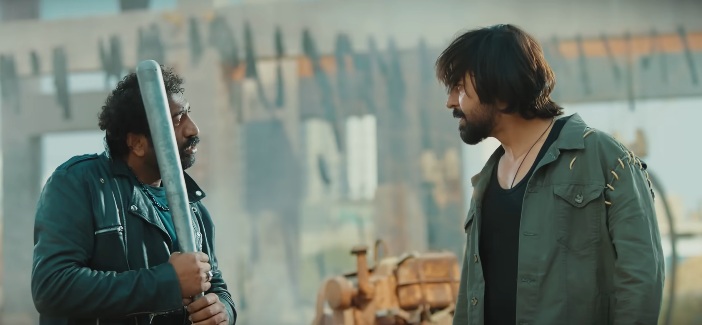
Farhan Saeed in an action sequence
One of the film’s most impressive achievements lies in its visual presentation. Director Imran Malik and cinematographer Ali Bukhari deserve considerable credit for creating visually appealing cinematic experience.
Pakistani films often struggle to find a balance between commercial appeal and visual sophistication, but Luv Di Saun succeeds in making its setting feel vibrant and alive. Lahore is captured beautifully throughout the film. From its historic architecture and bustling streets to its cultural richness and old-world charm, the city becomes much more than a backdrop.
There are moments when the camera lingers on the city’s details, allowing audiences to appreciate its beauty and character. These scenes not only enhance the film aesthetically but also help establish a stronger emotional connection with the story.
The production design complements the cinematography well, resulting in a polished visual experience that looks impressive on the big screen. In many ways, the film demonstrates how far Pakistani cinema has progressed technically over the past decade.
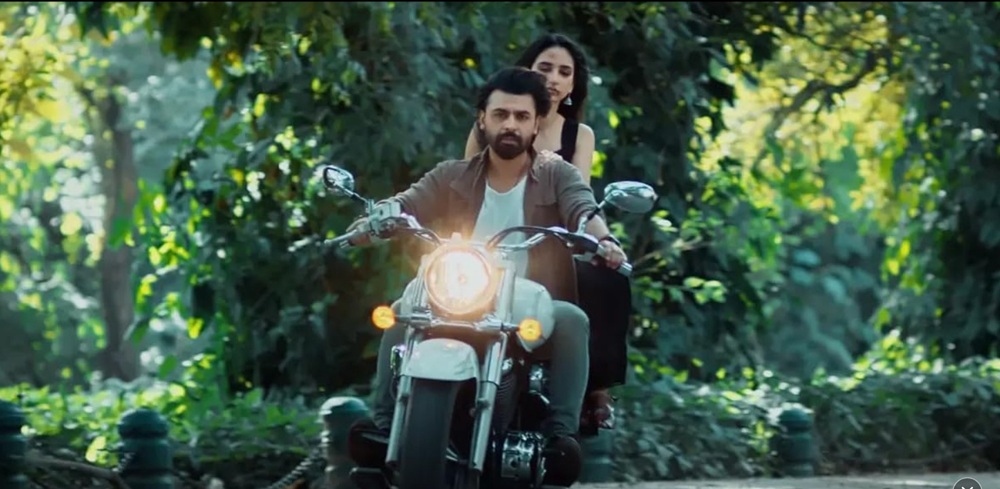
Farhan Saeed and Mamya Shajaffar in Luv Di Saun
At its core, Luv Di Saun tells a story about love, loss, dignity, and personal freedom. Zeeshan and Billo’s journey is shaped by emotional challenges, societal pressures, and individuals who seek to control their choices.
While the premise itself is not particularly groundbreaking, the film manages to maintain audience interest for most of its runtime. One of the things I appreciated most was its ability to keep me curious about what would happen next. There are several moments where the narrative successfully builds anticipation. The emotional stakes remain clear, and the audience is encouraged to stay invested in the fate of the central characters. In that regard, the screenplay succeeds in creating engagement.
The film also attempts to address broader themes concerning personal agency and the importance of standing up for one’s choices. These themes provide emotional substances beneath the commercial entertainment framework. However, the screenplay occasionally relies too heavily on familiar formulas. Certain character arcs and plot developments become predictable, particularly for viewers who regularly watch South Asian romantic dramas. Some dialogues lean toward melodrama, reducing the impact of otherwise meaningful scenes. Despite these shortcomings, the story retains enough momentum to keep viewers engaged until the conclusion, which is ultimately one of the film’s greatest strengths.
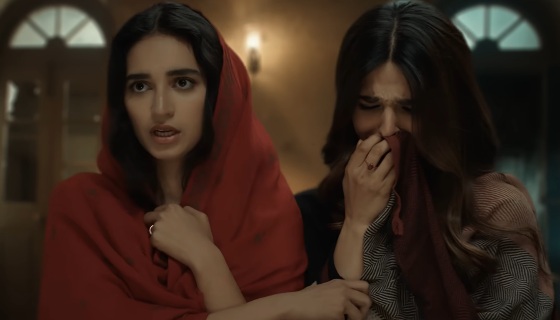
A scene from the film
One area where I felt the film could have exercised greater restraint was its use of comedy. Commercial Pakistani films often include comic relief to appeal to wider audiences, and there is nothing inherently wrong with that approach. In fact, humor can be an effective tool for balancing emotional intensity. However, in Luv Di Saun, some comedic sequences feel unnecessary and occasionally disrupt the narrative flow.
There were moments when the story was building emotional momentum, only for a comedic scene to interrupt the atmosphere. Instead of enhancing the experience, these moments sometimes diluted the emotional impact that the film had worked hard to establish.
Good comedy should emerge naturally from characters and situations. Unfortunately, a few scenes felt inserted merely to generate laughs, and those laughs did not always arrive. Had the filmmakers shown greater restraint, the emotional aspects of the story would likely have resonated more strongly. This is not a major flaw, but it is noticeable enough to affect the overall viewing experience.
If there is one department where Luv Di Saun genuinely underperforms, it is the music. Given the film’s title and romantic theme, audiences naturally expect memorable songs that linger long after the credits roll. Pakistani cinema has a rich history of producing music that becomes inseparable from the films themselves. Unfortunately, Luv Di Saun does not achieve that standard.
The songs are serviceable within the context of the film, but they lack the emotional resonance and memorability that could have elevated the narrative. More importantly, some musical placements feel forced rather than organic.
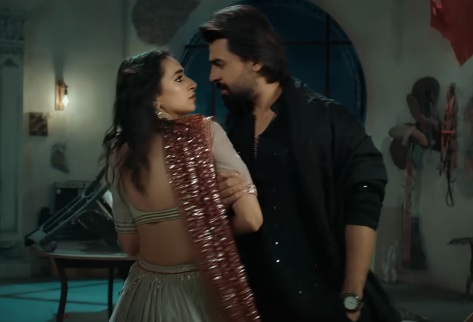
Farhan and Mamya
At no point did I find myself leaving the cinema humming a melody or replaying a particular song in my mind. For a romantic drama, that feels like a missed opportunity. A stronger soundtrack could have significantly enhanced the emotional journey and transformed several scenes from good to genuinely memorable.
Luv Di Saun is a film that works best when it focuses on its strengths: strong performances, appealing visuals, and the chemistry between its lead actors. Farhan Saeed once again proves why he remains one of the most bankable performers in Pakistani entertainment, while Mamya Shajaffar delivers a promising debut that suggests a bright future ahead. Nevertheless, cinema is ultimately about the overall experience, and Luv Di Saun succeeds in delivering an entertaining one. It may not redefine Pakistani filmmaking, but it offers enough romance, drama, emotion, and visual appeal to justify a trip to the theatre.
As Pakistani cinema continues to evolve, films like Luv Di Saun serve as reminders of both how far the industry has come and where there is still room for improvement. Luv Di Saun is an enjoyable one-time watch that benefits greatly from strong lead performances and beautiful cinematography.
You may also like: