Written by: Raana Kanwal
Posted on: August 17, 2026 |  | 中文
| 中文
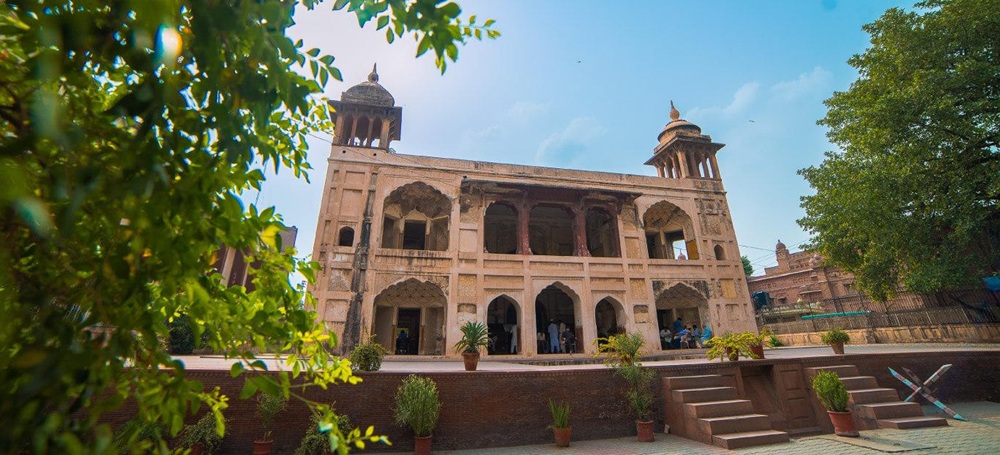
Punjab Public Library
There was a time when a library was not just a room filled with books; it was a world of its own. For many generations in Pakistan, visiting a library was a meaningful part of student life. The quiet atmosphere, the smell of old books, the sound of pages turning, and the excitement of discovering a new book created memories that stayed with readers for years.
Libraries were places where people developed a relationship with books. A book was not simply a source of information; it was a companion, a doorway to new ideas, and a way to explore different worlds. Borrowing a book, receiving a library stamp, carefully keeping it safe, and returning to search for another title was an experience that built patience, curiosity, and a lifelong love for reading.
Today, in a world dominated by smartphones, tablets, and instant online information, this traditional connection between people and libraries is slowly fading. While technology has made knowledge more accessible than ever before, many historic libraries of Pakistan are quietly losing their place in everyday life.
Pakistan has a rich history of libraries that have served as centers of education, research, and cultural preservation. These institutions have protected valuable collections of books, manuscripts, newspapers, and historical records for generations.
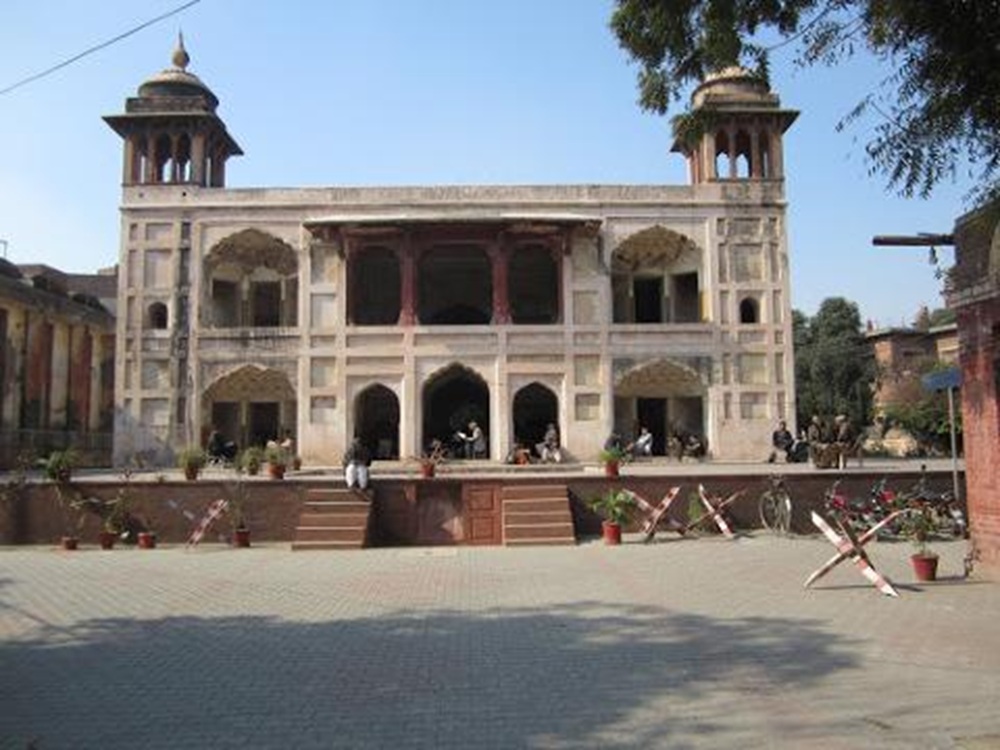
Govt Punjab Public Library
The Punjab Public Library, established during the British era, remains one of the oldest public libraries in Pakistan. With its historic collection and architectural importance, it represents a time when libraries were considered essential pillars of education.
Similarly, the National Library of Pakistan plays a significant role in preserving the country's literary and intellectual heritage. It houses important publications, research materials, and national records that reflect Pakistan's history and cultural identity.
The Quaid-e-Azam Library is another example of a historic institution that continues to serve readers and researchers. Located in the heart of Lahore, it carries the legacy of a period when libraries were considered symbols of knowledge and intellectual growth. University libraries, including those at institutions such as the University of the Punjab, have also played an important role in supporting students, researchers, and academics. These libraries are not merely collections of books. They are archives of ideas, memories, and experiences that connect the present generation with the past.
A library had its own culture and discipline. It was a place where certain rules were naturally respected. Speaking loudly, disturbing others, or damaging books was considered inappropriate because everyone understood that a library was a shared space for learning.
The silence inside a library was not empty silence; it was a productive silence. It allowed students to concentrate, think deeply, and engage with books without distractions. Libraries taught values beyond education. They taught responsibility, patience, respect for knowledge, and consideration for others. Students learned to take care of books because those same books would later be used by someone else. This environment played an important role in shaping generations of readers, writers, researchers, and professionals.
For earlier generations, books were a personal experience. People often remembered the first book they borrowed from a library, the stories they discovered, and the authors who influenced their thinking. Reading a complete book required time and attention. It encouraged imagination and allowed readers to develop their own understanding of ideas and situations.
A library visit was also an opportunity for exploration. A student searching for one particular book might discover several others on the same shelf. This unexpected discovery was part of the beauty of libraries. Unlike digital searches that usually provide direct answers, libraries encouraged curiosity. They allowed readers to explore, compare different sources, and develop independent thinking.
The arrival of digital technology has completely transformed the way people access information. Today, students can find thousands of books online, attend virtual lectures, download research papers, and access educational resources from anywhere in the world. Digital platforms have made learning faster and more convenient. However, this convenience has also changed reading habits. Many young people now prefer short articles, social media posts, and quick online searches instead of spending hours reading books. Information is consumed rapidly, but deep understanding and reflection are sometimes lost.

students at a public library
The younger generation has grown up surrounded by screens. For them, research often begins with a search engine rather than a visit to a library. Technology is not the enemy of libraries. In fact, digital tools can help preserve rare collections and make knowledge available to more people. The challenge is finding a balance between digital learning and traditional reading.
There was a time when school, college, and university libraries were among the busiest places on campuses. Students regularly visited libraries for assignments, examinations, research, and personal reading. Teachers encouraged students to explore books beyond their textbooks. Reading was considered an important part of personal development.
Today, many educational institutions have shifted towards digital learning systems. Online resources, electronic notes, and virtual classrooms have become common. While these developments have many advantages, the importance of physical libraries should not be forgotten. A strong education system needs both technology and traditional learning spaces. Digital resources provide speed, but libraries provide depth.
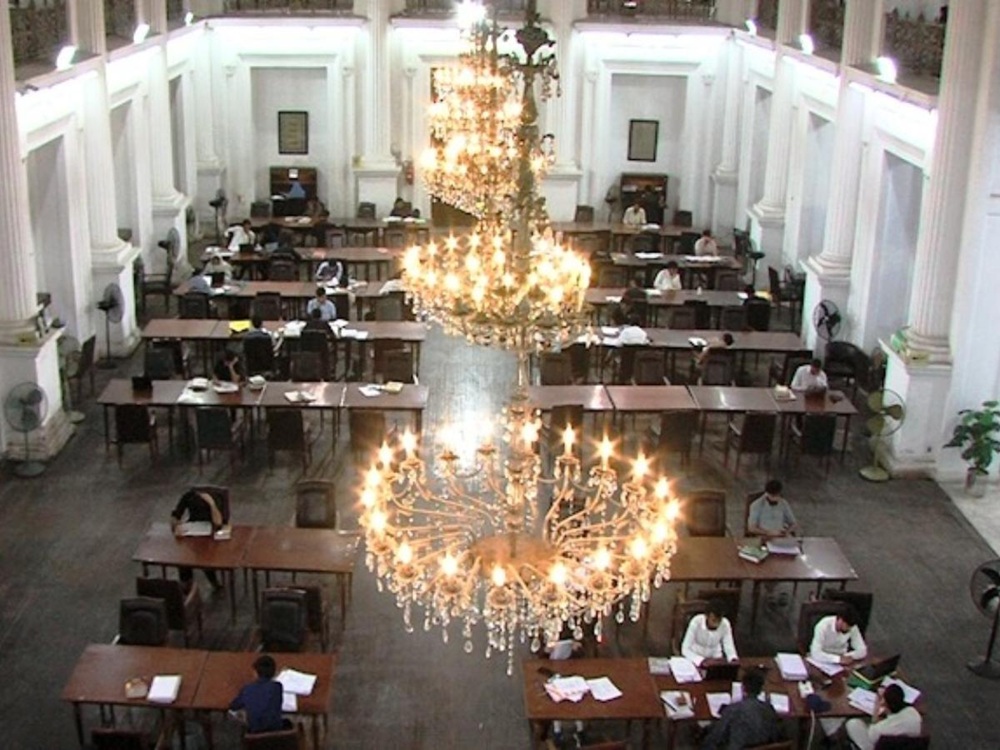
Quaid e Azam Library, Lahore
Libraries preserve more than books; they preserve memories. Rare Urdu literature, historical newspapers, regional language publications, research documents, and old manuscripts represent Pakistan's intellectual journey. Losing these collections would mean losing important parts of the nation's story. Many libraries today face challenges such as limited funding, outdated facilities, lack of maintenance, and declining visitors. Some valuable collections require urgent preservation and digitization.
Modern technology can provide solutions. Digitizing rare books, improving library management systems, and creating online catalogues can help protect these treasures while making them accessible to future generations. The goal should not be to replace traditional libraries with digital platforms but to strengthen libraries through technology.
The revival of libraries requires collective effort. Schools can encourage students to spend regular time in libraries. Parents can introduce children to books at an early age. Communities can organize book clubs, literary events, and reading activities.
Libraries themselves can become more attractive by offering comfortable reading spaces, digital facilities, workshops, and community programs. Young people should be encouraged to see libraries not as outdated places but as creative spaces where ideas are born and knowledge grows.
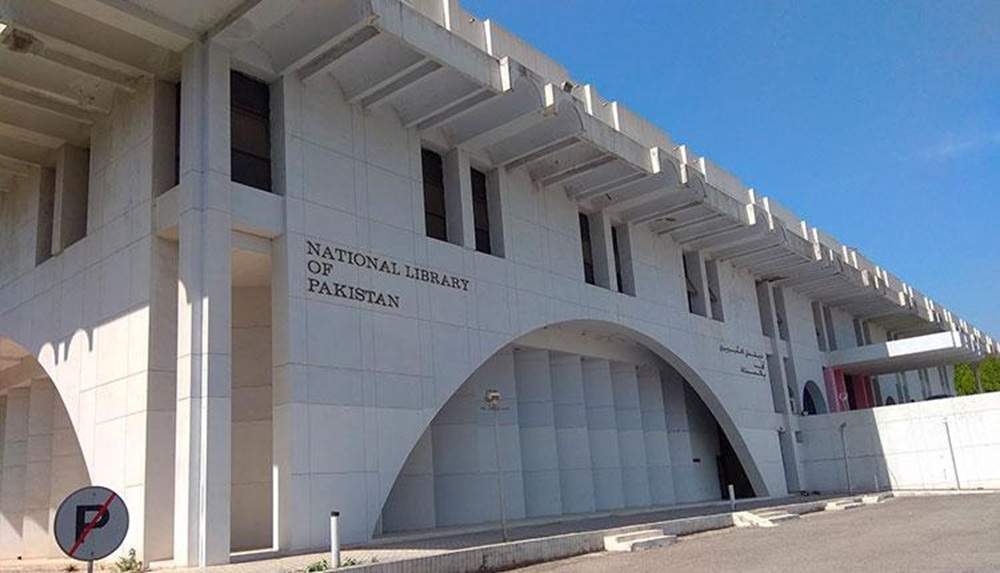
National Library of Pakistan, Islamabad
Libraries in Pakistan are facing a difficult period, but their importance has not disappeared. The digital age has changed the way people learn, but it has not reduced the value of thoughtful reading. A screen can provide information, but a library provides an experience. A search engine can answer a question, but a book can create a deeper understanding.
The future should not be about choosing between books and technology. Both can work together to create a stronger culture of learning. Pakistan's libraries are silent witnesses to decades of knowledge, imagination, and intellectual growth. Preserving them means protecting the stories, ideas, and memories that define our society. Because when a library is forgotten, we do not only lose books-we lose a connection with our past and a valuable path towards our future.
You may also like: