Written by: Ayesha Majeed
Posted on: October 30, 2026 | 
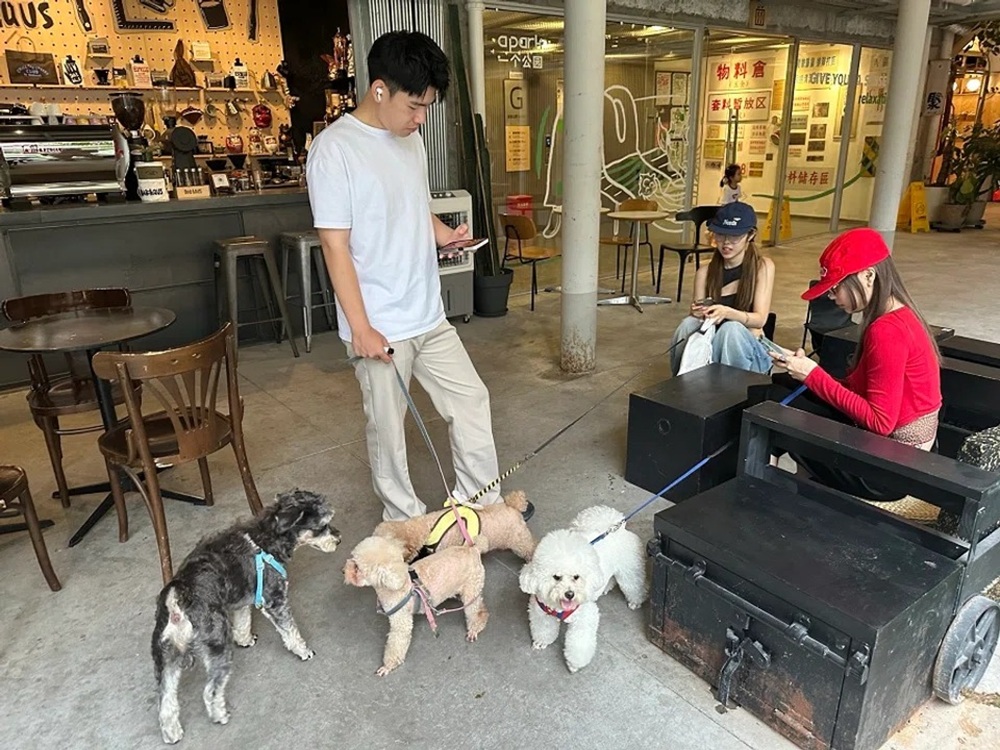
Owners and their dogs
Walk through a residential compound in Shanghai or Chengdu at sunrise, and you will notice something that would have seemed unusual a generation ago. Retirees chat on benches while small dogs trot at their feet, young professionals carry cats in backpacks with clear bubble windows, and delivery riders stop to scratch the ears of a stray that the whole building has quietly adopted. Pets in China are no longer a side note to city life. They have moved to the center of the household, and in many homes, they are treated like children.
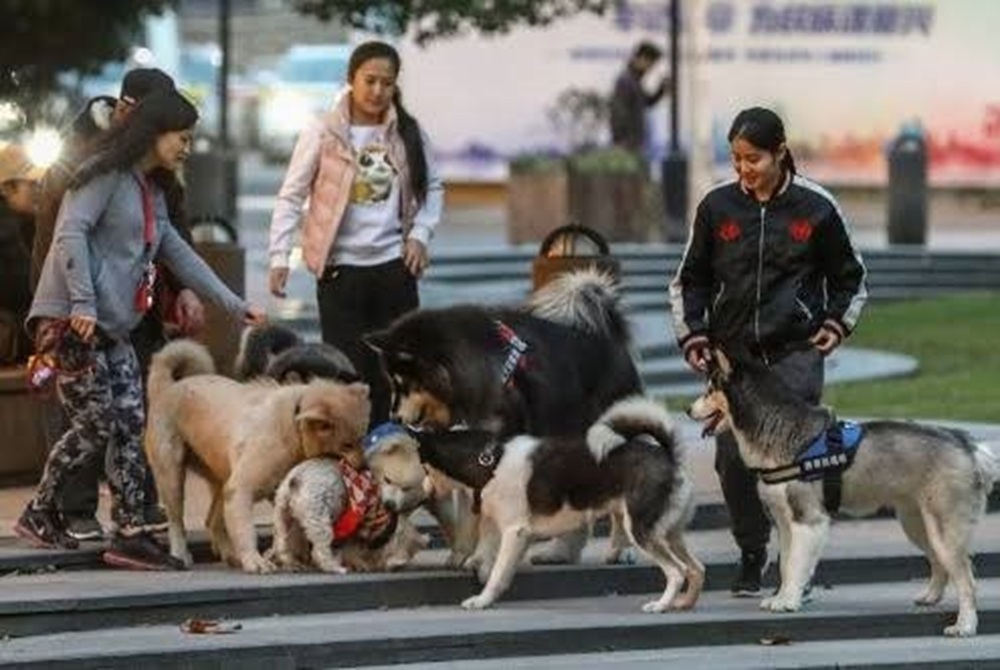
Residents walk their dogs through a city housing compound early in the morning
This change did not happen overnight. For much of the late twentieth century, keeping a dog in a large Chinese city was discouraged and often tightly restricted, with rules on size, registration and where animals could live. As incomes rose and housing improved, attitudes softened and the rules slowly adapted. Today the pet industry is one of the more closely watched consumer sectors in the country. Most industry estimates place its value at several hundred billion yuan, and the figure keeps climbing each year. Cats have grown especially fast, and in many urban surveys they now match or even outnumber dogs.
Part of the explanation is demographic. Many young adults marry later than their parents did, and many choose not to marry at all. Others have moved to big cities for work and live far from their families in small rented apartments. A pet offers daily company, a reason to go home on time, and a warm presence after a long shift. Cats suit this lifestyle well because they are quiet and need little space. Older people living alone, or whose children have grown up and moved away, also find that a dog gives their day a routine and their neighborhood a social circle.
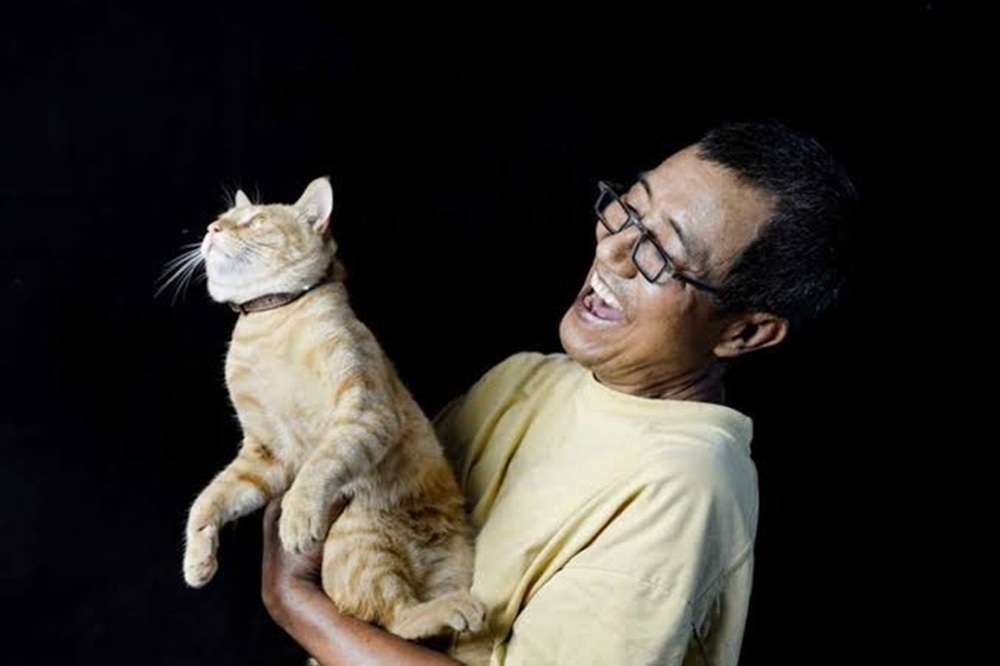
A young professional relaxes with her cat in a small city apartment
The language people use shows how far the relationship has travelled. Owners often call themselves cat parents or dog parents, and their animals are spoken about as members of the family. Cat owners even have a playful nickname, which translates roughly as shovel officer, a joking nod to the daily chore of cleaning the litter box. Birthdays are celebrated with special cakes, holiday photos are taken in matching outfits, and group chats are filled with pictures of pets that get more attention than most human celebrities.
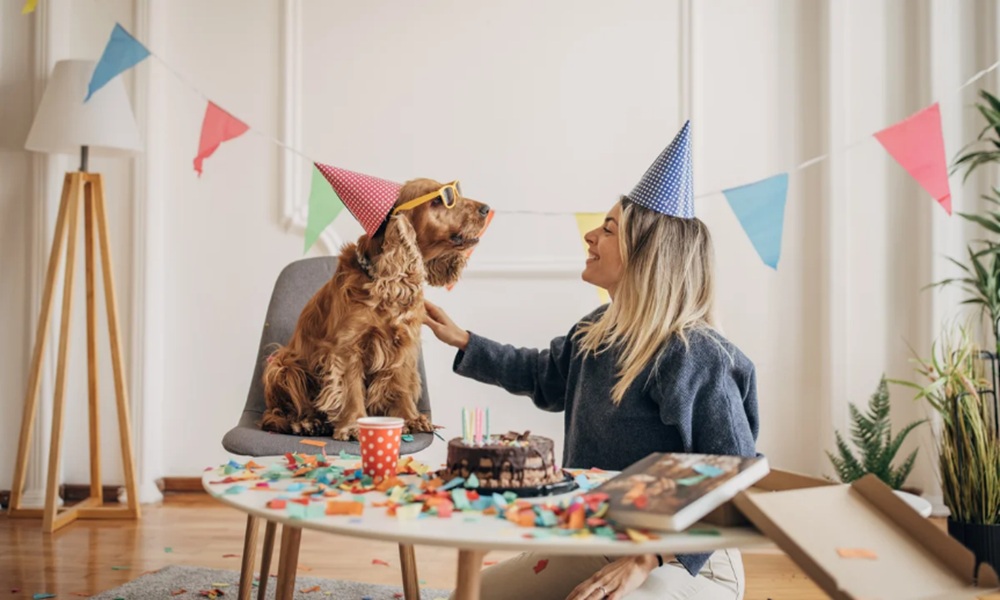
A pet owner celebrates a dog's birthday with a small cake and decorations
Spending habits follow the same emotional logic. Owners are willing to pay more for imported or premium food, grain free recipes, joint supplements and carefully chosen toys. Grooming salons offer bathing, styling and spa treatments, while pet hotels and boarding services look after animals during the holidays. Online platforms play a major role. Shoppers read reviews on social apps, watch livestream sales on short video platforms, and order supplies through online shopping giants that deliver within hours. Domestic brands have gained ground by understanding local tastes and prices, and they now compete seriously with foreign names that once dominated the shelves.
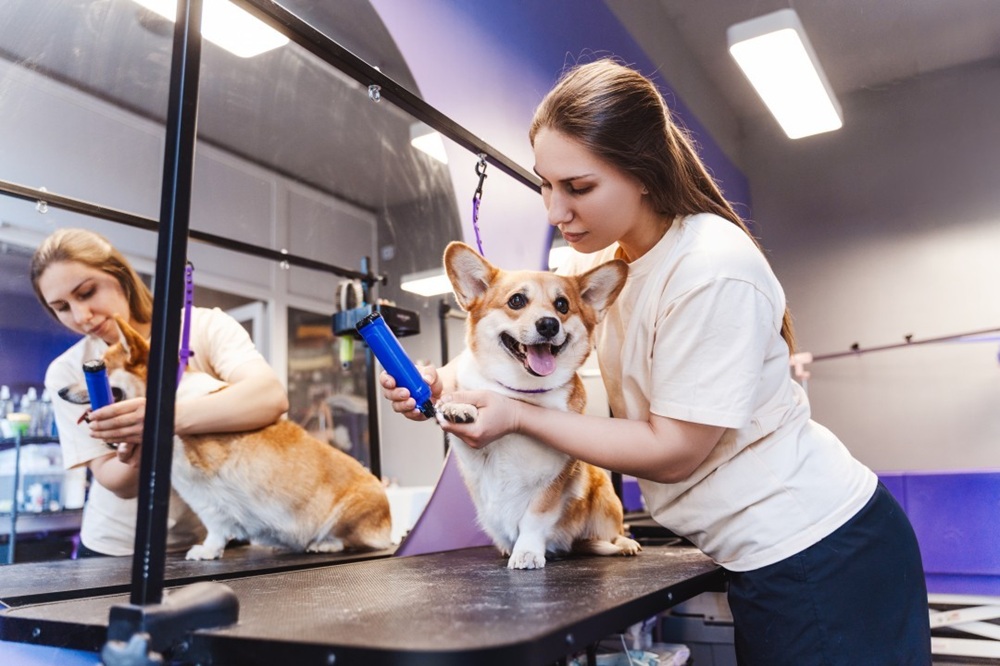
A groomer styles a dog at a busy pet salon, with premium food shelves nearby
Healthcare has become a growth area of its own. Veterinary hospitals in major cities now offer specialist care, advanced imaging and long term treatment plans that were hard to find twenty years ago. Pet insurance, though still young, is attracting more buyers, and some families arrange memorial services when an animal passes away. Meanwhile cat cafes, dog parks and shopping centers that welcome pets have turned animals into a reason to socialize, helping strangers become neighbors and sometimes friends.
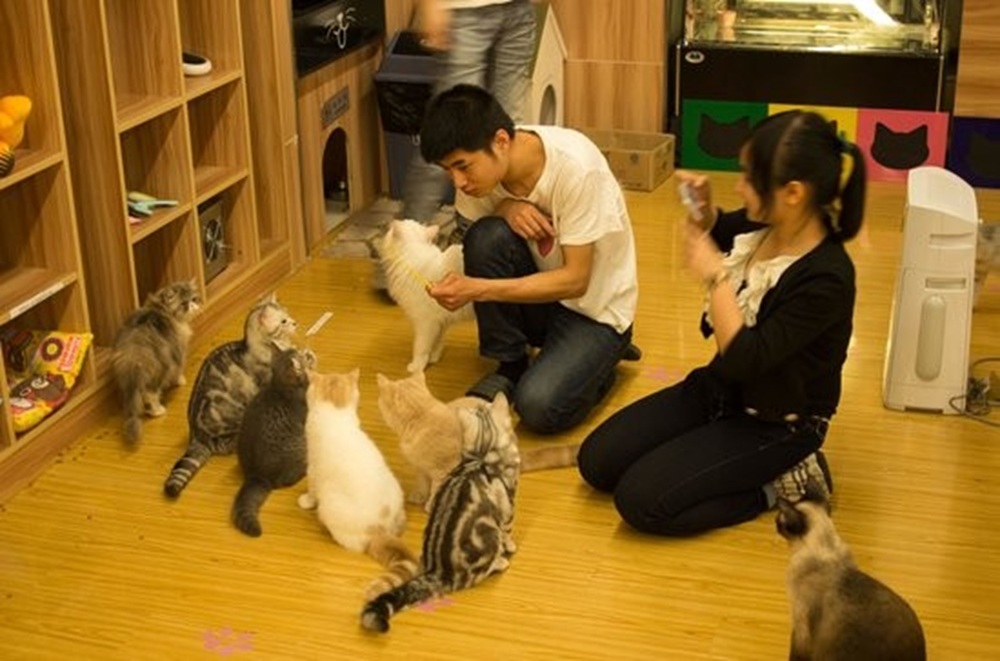
Visitors enjoy the company of cats inside a city cat cafe
Growth has also brought friction. Barking dogs, uncollected waste and fears about rabies have caused disputes between neighbors, and many local governments now enforce registration, vaccination and leash rules. Stray populations remain a concern, which has encouraged the rise of volunteer rescuers, adoption events and community feeding groups. Many owners say the debate has pushed them to think harder about responsibility, from sterilization to proper training. Abandonment, especially when a trendy breed turns out to be demanding, is still a problem that animal welfare groups work hard to reduce.
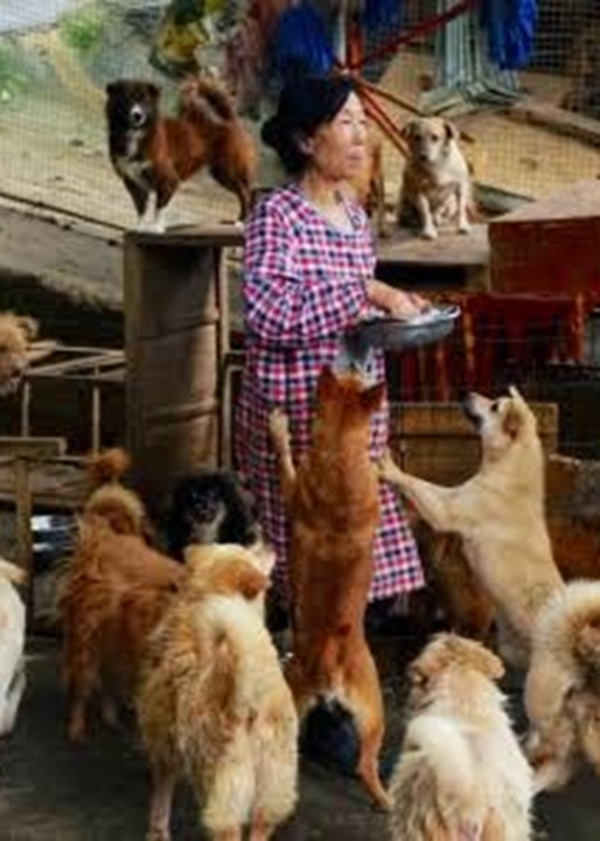
Volunteers hold an adoption event for rescued stray dogs and cats
What makes the story interesting is that it reflects larger changes in Chinese society. Smaller families, longer working hours, rising incomes and a stronger focus on personal happiness have all reshaped what home means. A dog waiting at the door or a cat asleep on the sofa fills a space that traditional family structures once filled automatically. For millions of urban residents, these animals are not accessories or status symbols. They are daily companions who bring comfort, routine and a sense of belonging to crowded cities.
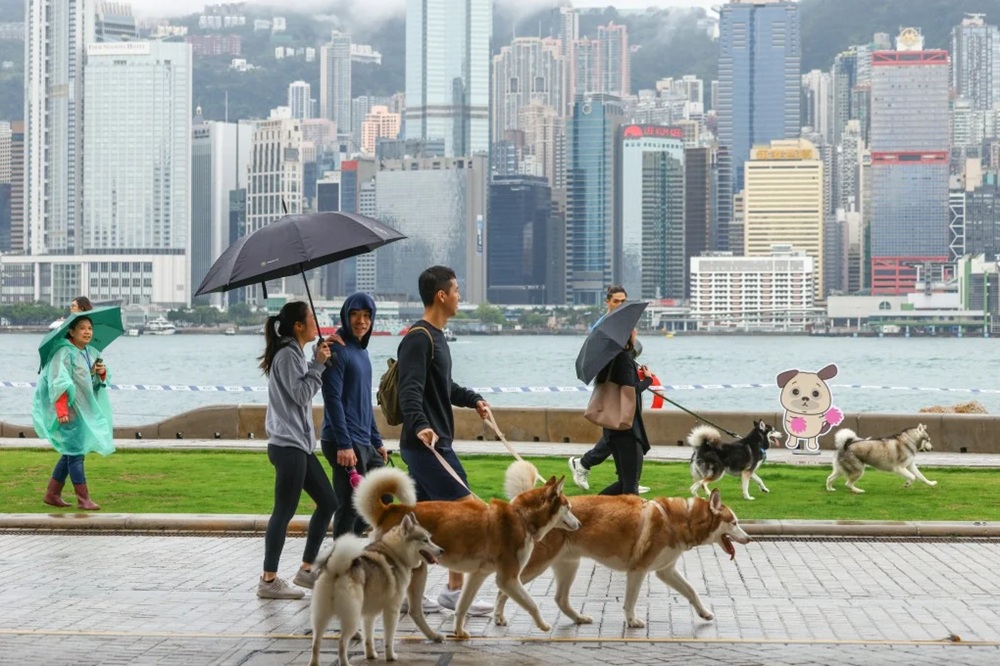
Owners and their dogs enjoy a weekend afternoon in a public city park
As the market matures, the focus is likely to move from simply buying more products to building better lives for animals and owners alike. Better veterinary standards, clearer rules and more public spaces for pets would help both sides. If the last two decades are any guide, dogs and cats will keep claiming a bigger place in the Chinese urban household, one walk, one meal and one bedtime cuddle at a time.
You may also like: