Written by: Shiraz Aslam
Posted on: October 23, 2026 | 
The Sho-Man's films push the boundaries of cinema.
We have all heard the phrase, “Jack of all trades, master of none.” The age-old idiom draws a line between a generalist and a specialist: someone with working knowledge of several disciplines, rather than deep expertise in one field.
But what do you call someone who masters everything he sets his mind to? Someone who carves a special niche and place for himself in every field he enters. A magician? A maestro? A visionary? Pakistan’s entertainment industry may not have a definitive title for such an individual, but it certainly has a name: Shoaib Mansoor.
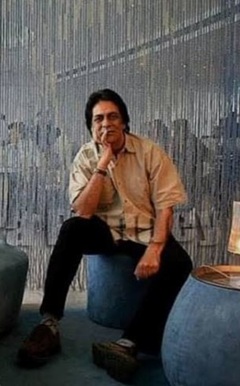
Shoaib Mansoor is a creative genius
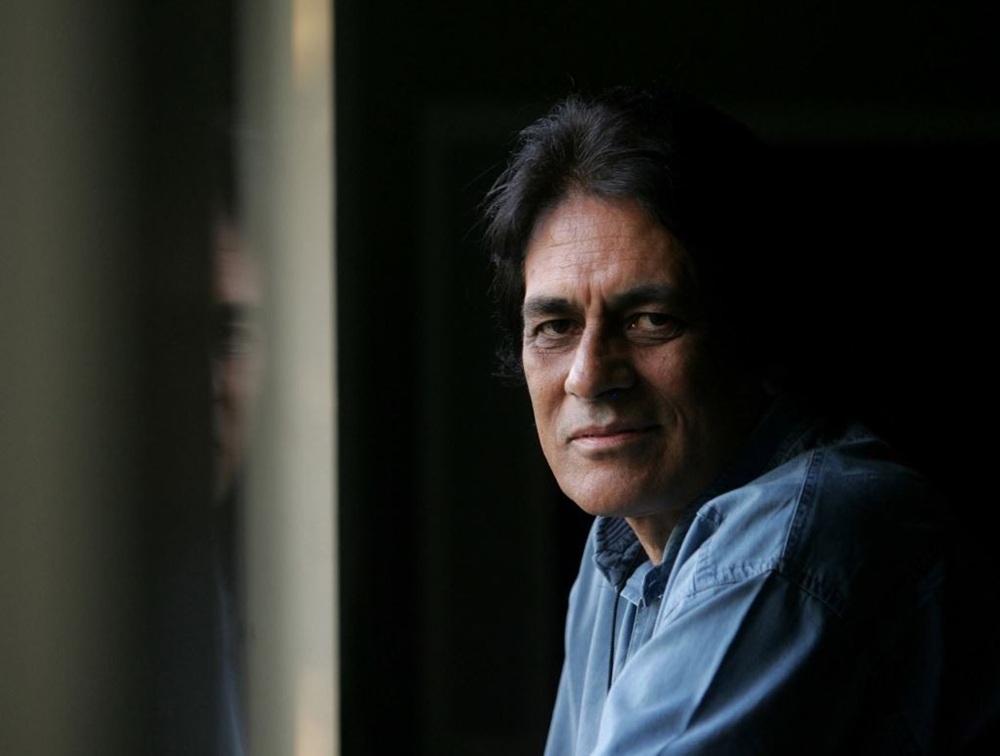
Born in Karachi in 1951, Shoaib Mansoor would go on to become one of the most influential figures in Pakistan’s tumultuous Showbiz industry, blazing a trail that only few could ever hope to follow. From Fifty Fifty to Dil Dil Pakistan to Khuda Kay Liye, some of the country’s most iconic works of art owe their existence to Mansoor’s creative genius, visionary direction, and unparalleled ability to bring extraordinary ideas to life.
The Sho-Man, as he calls himself, has an intriguing story behind his rise to prominence. His illustrious career began five decades ago at Pakistan Television’s (PTV) Karachi Center, where a young Shoaib Mansoor joined as a producer. In 1976, Mansoor launched the musical programme Jharnay, which was among the first TV shows to be broadcast in color. Jharnay served as a launching pad for some of Pakistan’s greatest voices. Legendary names like Alamgir and Muhammad Ali Shyhaki were able to carve out a place in the burgeoning music industry due to the show’s remarkable success.
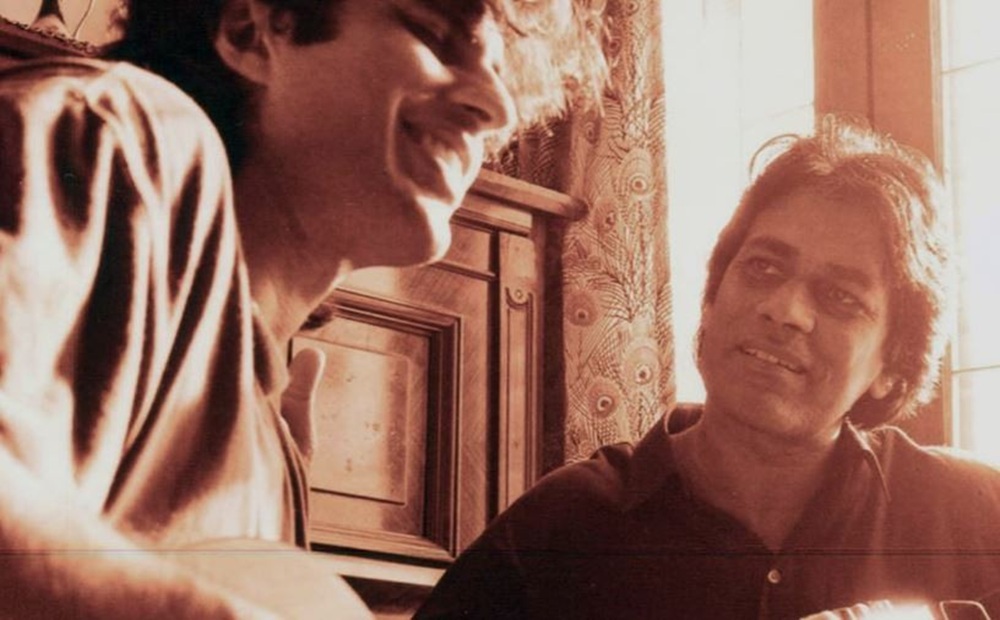
Shoaib Mansoor mentored Vital Signs during the band’s rise to prominence
A couple of years later, Mansoor produced one of the greatest TV shows in Pakistan’s history: Fifty Fifty. Widely considered a trendsetter in Pakistani TV comedy, the show captivated audiences for six years with its sharp satire, witty humour, and creative sketches. Written by Anwar Maqsood and directed by Shoaib Mansoor, Fifty Fifty also propelled stars like Zeba Shehnaz, Ismail Tara, and Majid Jahangir into the limelight. Not one to confine himself to a single genre, the Sho-Man subsequently ventured into television drama, adding acclaimed productions like Ankahi (1982) to his growing repertoire.
After making a name for himself in Pakistan’s TV comedy and drama industries, Shoaib Mansoor turned his attention toward music. At the time, no one could have imagined the sheer scale of the impact the Sho-Man would have on this industry. He took a relatively unknown group of young musicians- Junaid Jamshed, Rohail Hyatt, Shahzad Hasan, and Nusrat Hussain- and catapulted them to unforeseen Superstardom. The band was Vital Signs, and Mansoor was their mentor. While they produced several chart-topping hits, few could match the significance and international recognition of Dil Dil Pakistan (1987). The patriotic song captured the imagination of an entire nation and carved a place for itself as Pakistan’s second national anthem.
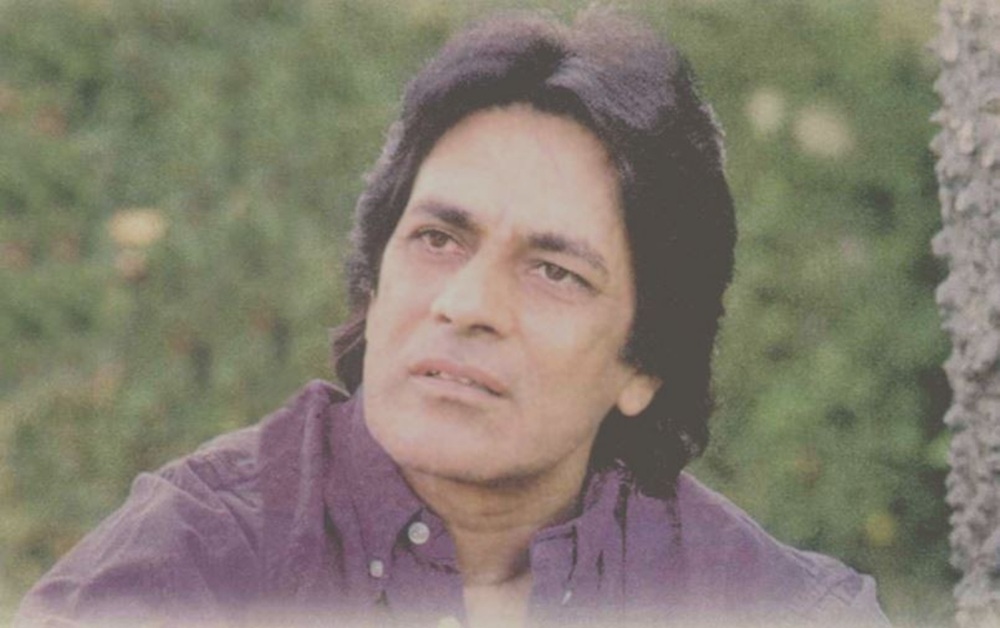
The Sho-Man is a master of all trades
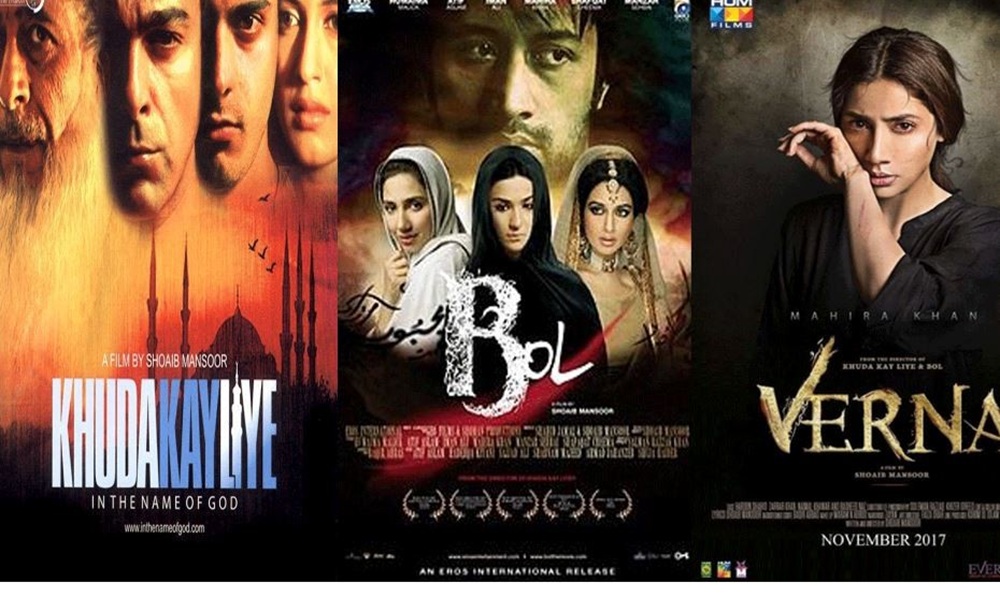
By the turn of the century, Shoaib Mansoor had established himself as a man of extraordinary talents, but his creative genius had yet to grace the silver screen. Fortunately, that changed in 2007 when the Sho-Man made his blockbuster cinematic debut with Khuda Kay Liye. Exploring themes of religious extremism, Islamophobia, secularism, and personal freedom, this thought-provoking movie breathed life into Pakistan’s struggling film industry, giving it a shot of adrenaline and setting a new benchmark.
Beyond reviving Pakistan’s cinema, Khuda Kay Liye also launched the acting careers of Fawad Khan and Iman Ali. Veteran Indian actor Naseeruddin Shah played a pivotal role in this social drama, too. Its success transcended national borders as the movie won the Silver Pyramid Award at the 2007 Cairo International Film Festival.
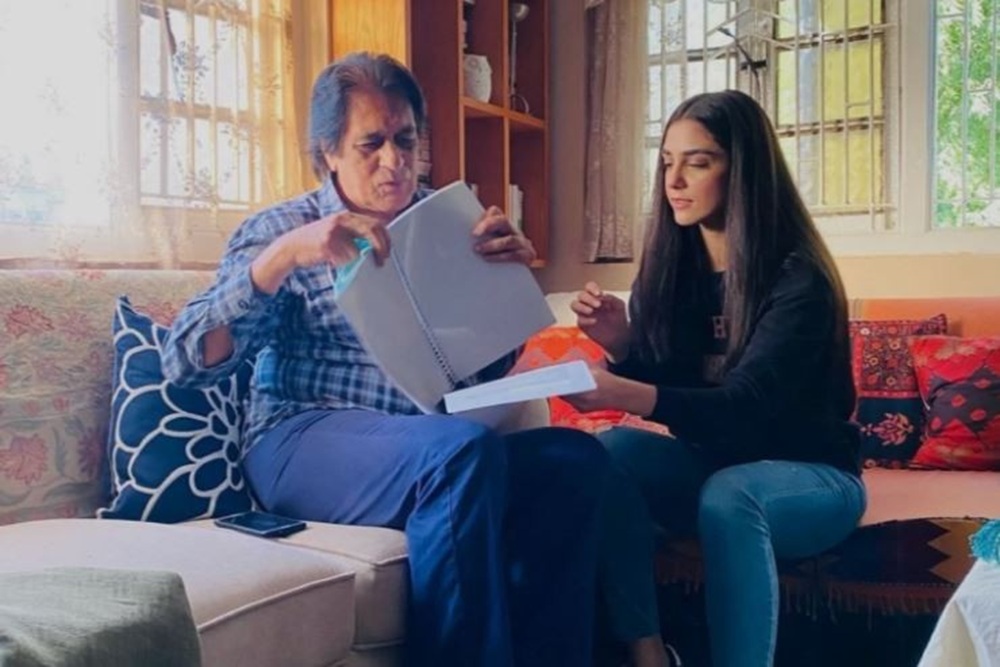
Mansoor continues to work with younger stars
By this point, Shoaib Mansoor had earned a reputation for tackling sensitive topics that many filmmakers would hesitate to touch. However, his next film, Bol (2011), pushed the boundaries even further and became one of the most daring and provocative Pakistani films of its time. Bol (2011) had a star-studded cast, featuring big names like Humaima Malick, Mahira Khan, Atif Aslam, and Manzar Sehbai. The film explored a host of controversial themes, including gender discrimination, religious hypocrisy, and the stigma surrounding the transgender community.
For over five decades, the Sho-Man has consistently pushed creative boundaries, challenged societal conventions, and delivered timeless works of art. A storyteller, songwriter, director, producer, and visionary rolled into one, Mansoor is living proof that a jack of all trades can indeed be a master of them all.
You may also like: